Source Vintage Girls Cardigan and Pencil Skirt Set for school, parties, and daily wear
Explore 30 listings for the Vintage Girls Cardigan and Pencil Skirt Set, featuring options in knitted and cotton blends with various sizes and customization. Buyers can compare prices, MOQs, and seasonal suitability for girls aged 2 to 8 years.
Key considerations
Products List


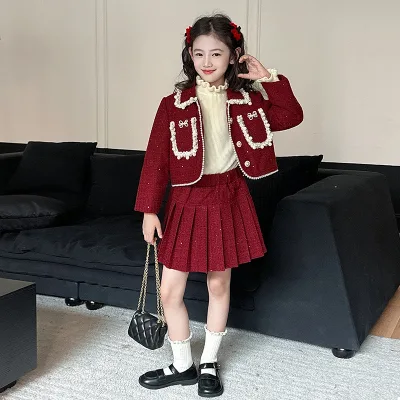
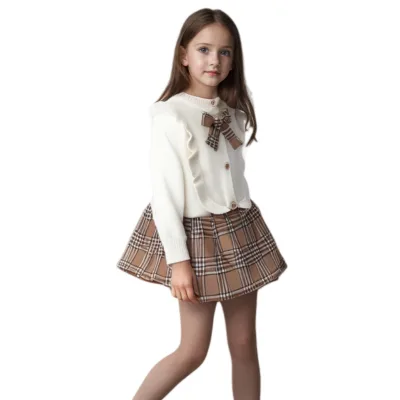
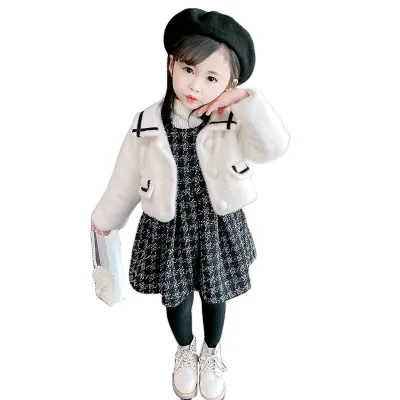
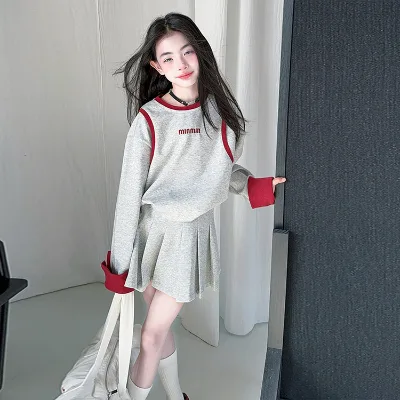
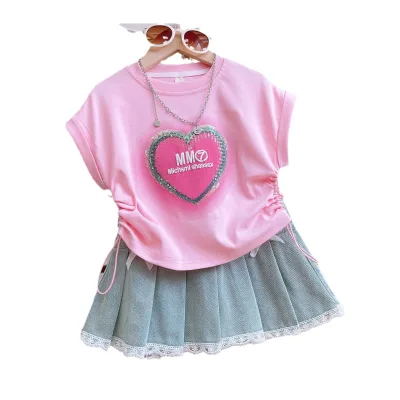
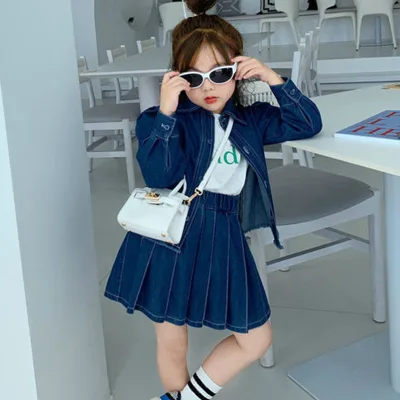
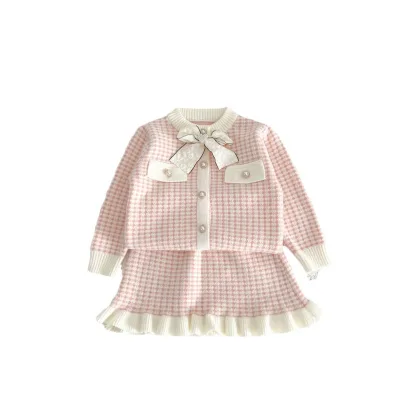
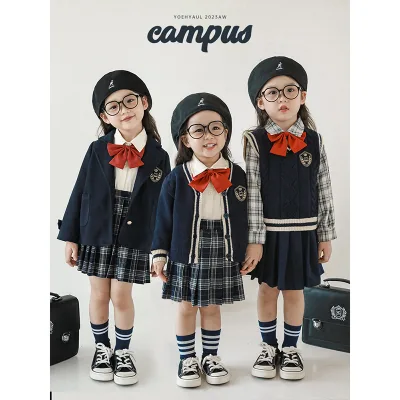
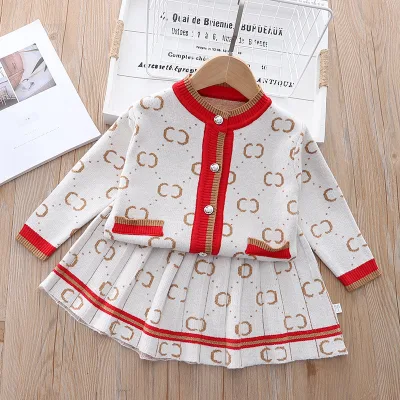
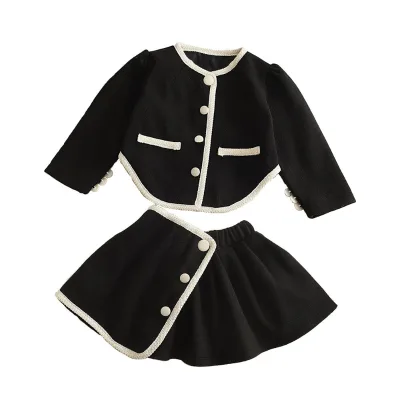
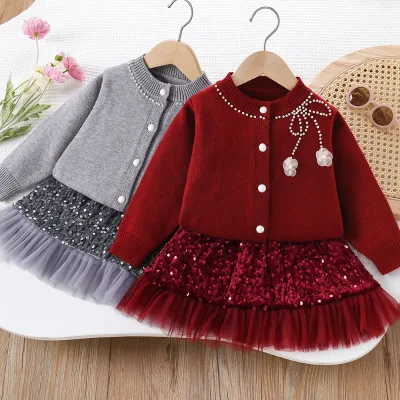
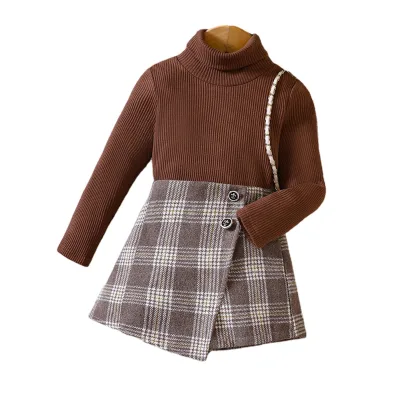
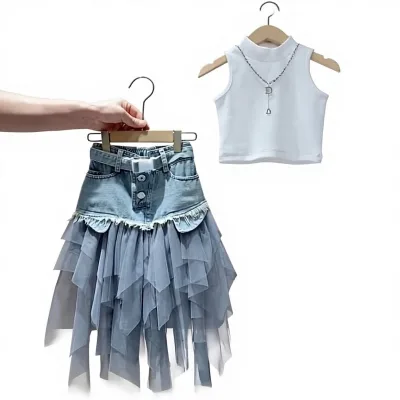
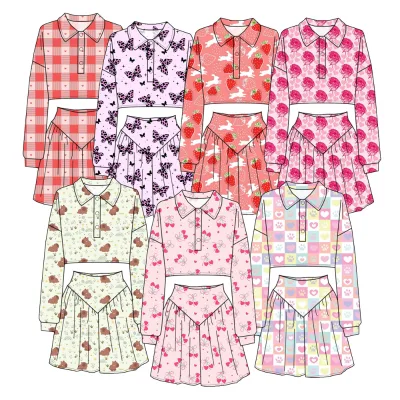
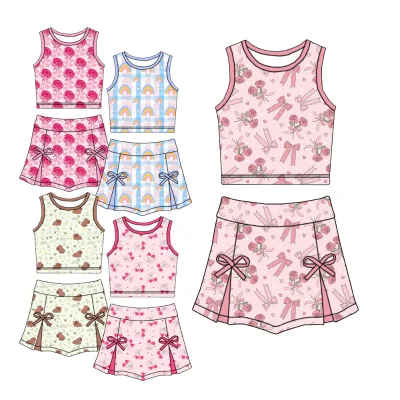

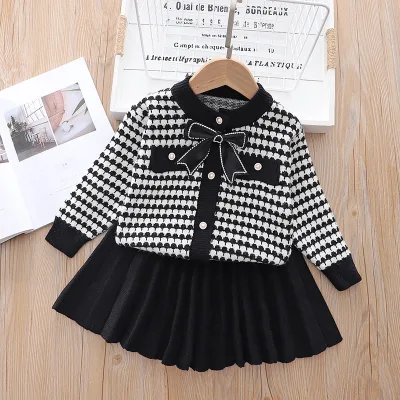

Stylish Yellow and White Contrast Color Crochet Knit Cardigan and Skirt Set
$11.95 - $12.45
MOQ: 200 Sets


Comprehensive Sourcing Guide
Vintage Girls Cardigan and Pencil Skirt Set Sourcing Guide
Sourcing vintage-style cardigan and pencil skirt sets for young girls requires a careful balance between aesthetic authenticity and modern safety compliance. Buyers must navigate a market where "vintage" often refers to the silhouette and pattern rather than the manufacturing era, necessitating strict verification of materials and construction techniques. The following guide outlines the essential steps for identifying reliable suppliers, verifying technical specifications, and ensuring commercial viability for this specific apparel category.
Product Scope and Observed Listing Signals
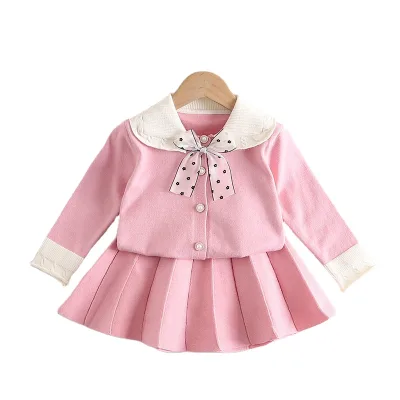
The current market for vintage-inspired girls' apparel features a diverse range of styles, from knitted cardigans paired with pleated skirts to more structured pencil skirt combinations. Observed listings indicate a strong presence of knitted techniques, with products frequently described as having round necks, V-necks, or O-necks, and varying sleeve lengths from short to long. Seasonal relevance is a key differentiator, with many items marketed for spring, autumn, or all-season wear, while others are explicitly designed for winter conditions. Buyers should note that the term "vintage" in product titles often correlates with specific design elements such as plaid patterns, cartoon prints, or solid colors, rather than a uniform material composition.
Price points for these sets vary significantly, with observed ranges spanning from approximately $4.50 to $26.99 USD, reflecting differences in material quality, brand positioning, and order volume. Minimum Order Quantities (MOQs) are similarly flexible, ranging from as low as 2 pieces for sample testing to 200 pieces for bulk production, catering to both small boutique retailers and larger wholesale distributors. It is crucial for buyers to distinguish between in-stock items and custom manufacturing orders, as lead times and pricing structures differ substantially between these supply types. Some suppliers offer customization options, including logo placement and color variations, which can add value for brands seeking unique product differentiation.
Technical Specifications to Verify
Material composition is a primary technical consideration, with observed products utilizing a mix of acrylic, spandex, and cotton blends. Acrylic is frequently cited for its softness and durability in knitted items, while spandex-cotton blends offer stretch and comfort for active children. Buyers must verify the exact percentage of each fiber to ensure the garment meets comfort and durability expectations, as well as to accurately calculate care instructions. Additionally, size specifications vary widely, with some items targeting specific age groups such as 2-6 years or 3-8 years, while others use height-based measurements like 90-130cm or 120-170cm. This discrepancy requires careful alignment with the target demographic to avoid sizing mismatches and returns.
Construction details such as collar style, sleeve length, and top length also play a critical role in product selection. Observed listings include round neck, V-neck, and O-neck designs, with sleeve options ranging from short to long, and top lengths classified as regular or full length. The model numbers associated with these items, such as 2022040706 or CG24054, serve as unique identifiers for suppliers but do not inherently convey quality or style. Buyers should request detailed size charts and fabric swatches to verify the fit and texture, ensuring that the "vintage" aesthetic does not compromise the practicality of the garment for daily wear. Packing specifications, such as 1 piece per PP bag and 50 pieces per carton, should also be confirmed to plan logistics and storage efficiently.
Compliance and Safety Documentation
Safety standards are non-negotiable in children's apparel, and buyers must ensure that all products comply with relevant regulations in their target markets. While some listings mention SGS certification, this should be treated as a claim requiring independent verification rather than a guarantee of compliance. Buyers should request valid test reports from accredited laboratories to confirm that the materials are free from harmful substances such as lead, phthalates, and formaldehyde. The mention of OEKO-TEX in background information suggests a potential focus on textile safety, but buyers must verify if specific products hold this certification, as it is not universally applied across all listings.
In addition to chemical safety, physical safety features such as flammability resistance and small part security must be evaluated. Cardigans and skirts for young girls should not have loose buttons, zippers, or decorative elements that could pose a choking hazard. Buyers should also verify that the printing methods, such as heat-transfer printing, used for patterns like cartoons or solids do not introduce toxic adhesives or inks. Clear labeling with care instructions, fiber content, and manufacturer details is essential for regulatory compliance and consumer trust. Failure to secure proper documentation can result in customs delays, product recalls, or legal liabilities.
Cost Drivers and Commercial Terms
Several factors influence the final cost of vintage girls' cardigan and pencil skirt sets, including material costs, labor, and customization requirements. The use of premium materials like high-quality cotton blends or intricate knitted patterns can increase production costs, while simpler designs in acrylic may offer more competitive pricing. Customization options, such as adding a customized logo or specific color variations, often incur additional fees and may affect the MOQ. Buyers should also consider the impact of supply type on pricing, with in-stock items potentially offering lower prices due to economies of scale, while custom orders may involve higher setup costs.
Commercial terms such as lead times and payment conditions are critical for supply chain planning. Some suppliers support sample orders with a 7-day lead time, while others do not, which can impact the speed of product development and market launch. Buyers should negotiate clear terms regarding shipping, insurance, and return policies to mitigate risks associated with international trade. Understanding the total landed cost, including duties and taxes, is essential for accurate margin calculation. Transparent communication with suppliers about these terms can help avoid unexpected expenses and ensure a smooth procurement process.
Supplier Qualification and Quality Control
Evaluating supplier qualifications is a vital step in mitigating procurement risks. Buyers should verify the supplier's business license, production capacity, and history in the children's apparel sector. Suppliers originating from regions like Guangdong, China, often have established manufacturing ecosystems, but this does not guarantee consistent quality. It is advisable to conduct factory audits or request third-party inspection reports to assess production standards, worker conditions, and quality control processes. Suppliers that offer customization and have a track record of meeting safety standards are generally more reliable partners.
Quality control measures should be integrated into the procurement process from the outset. Buyers should define clear quality acceptance criteria, including stitching integrity, color fastness, and dimensional stability. Implementing pre-production samples and during-production inspections can help identify and rectify issues before bulk shipment. Suppliers that provide detailed product information, such as model numbers and packing specifications, demonstrate a level of professionalism and transparency. Building a relationship with suppliers who prioritize quality and compliance can lead to long-term benefits, including better pricing and priority treatment during peak seasons.
Long-Term Procurement Checks
Sourcing vintage girls' cardigan and pencil skirt sets is not a one-time transaction but an ongoing process that requires continuous monitoring and adaptation. Market trends in children's fashion evolve rapidly, and buyers must stay informed about changing consumer preferences regarding styles, colors, and materials. Regularly reviewing supplier performance, including on-time delivery rates and product quality consistency, is essential for maintaining a reliable supply chain. Buyers should also monitor regulatory changes in their target markets to ensure ongoing compliance with safety and labeling requirements.
Building a diversified supplier base can reduce dependency on single sources and mitigate risks associated with supply chain disruptions. Engaging in regular communication with suppliers to discuss future product developments and potential improvements can foster a collaborative relationship. Additionally, gathering feedback from end-users can provide valuable insights into product performance and areas for improvement. By maintaining a proactive approach to procurement, buyers can ensure that their product offerings remain competitive, compliant, and aligned with market demands over the long term.
FAQs
What customization options are available for this set?
Customization is available for this product line, allowing buyers to request specific modifications. The listing confirms that customized logos can be applied to the items. Buyers should verify specific requirements with the supplier before placing an order.
Which sizes are offered for the knitted sets?
The available sizes include S and specific height ranges like 90-130CM or 120-170CM depending on the model. Some items are also listed with age ranges such as 2-6 years or 3-8 years. Buyers must check the specific model number to confirm the exact size chart.
Can I get a sample order within 7 days?
Sample order lead times vary by product model, with some supporting 7-day samples and others not supporting them. The listing explicitly states that 7-day sample order lead time is not supported for certain items. Buyers should confirm the lead time for the specific model they intend to purchase.
What materials are used in these knitted sets?
Materials include acrylic and blends of Spandex and Cotton for the various models listed. The product attributes specify knitted techniques for these garments. Buyers should review the material specification for the exact model to ensure it meets their quality standards.
How are the products packed for shipment?
Products are typically packed as 1 piece per PP bag and 50 pieces per carton. This standard packing method applies to the items described in the listing. Buyers should confirm if this packaging meets their specific shipping or retail requirements before finalizing the order.
Which certifications do the products meet?
The products meet the SGS standard as indicated in the high-confidence facts. While OEKO-TEX is mentioned in background notes, it is not a confirmed attribute for every listed item. Buyers should request specific test reports to verify compliance for their target market.
What is the minimum order quantity for these sets?
The observed minimum order quantity ranges from 2 to 200 units depending on the specific product model. Buyers should check the MOQ for the exact item they wish to source. This range allows for flexibility in ordering small batches or larger stock quantities.