Source Vintage Large Numbers Landline Telephone for Home, Office, Restaurant
Explore 30 listings of Vintage Large Numbers Landline Telephone options suitable for private houses, hotels, and offices. Buyers can compare digital cordless and antique wooden styles with varying materials like ABS or resin to find the right fit for their needs.
Key considerations
Products List
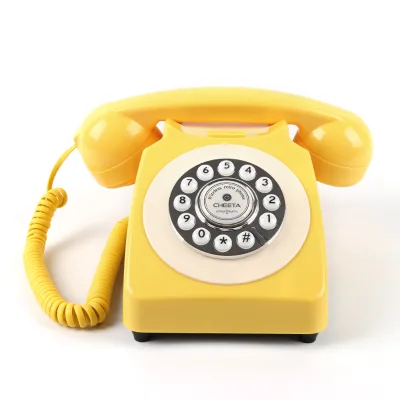
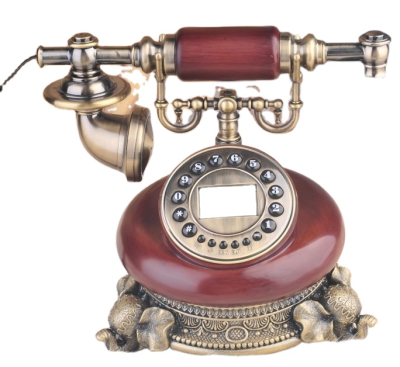
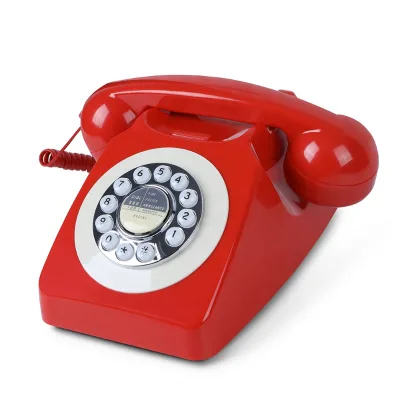
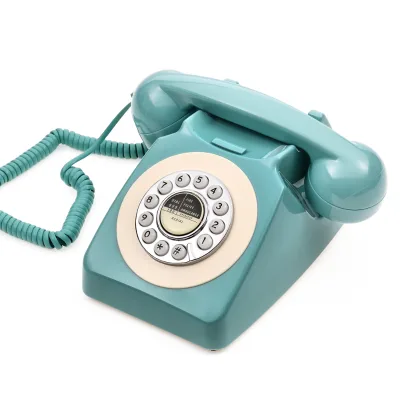


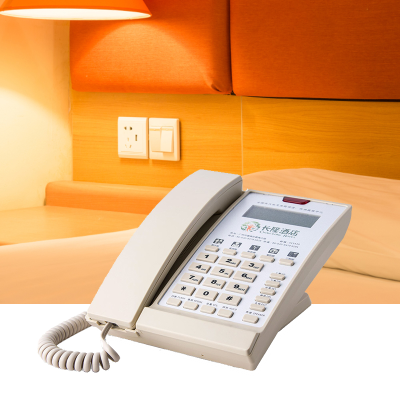
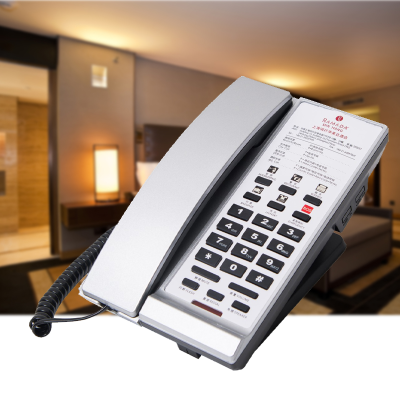
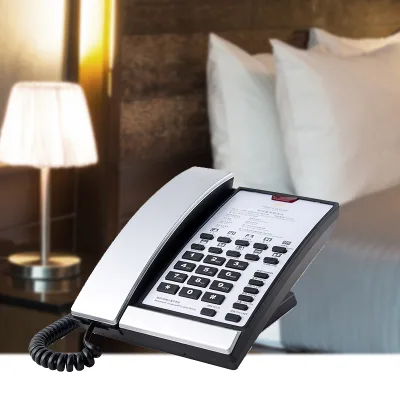
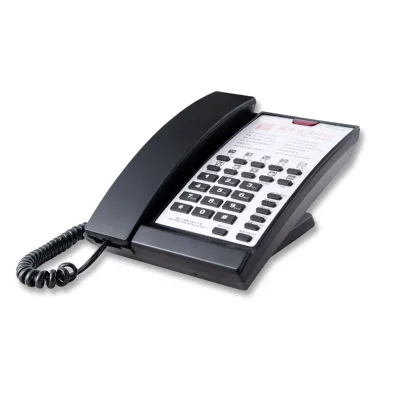


Comprehensive Sourcing Guide
Strategic Sourcing Guide for Vintage Large Numbers Landline Telephones
Understanding Product Variants and Technical Specifications
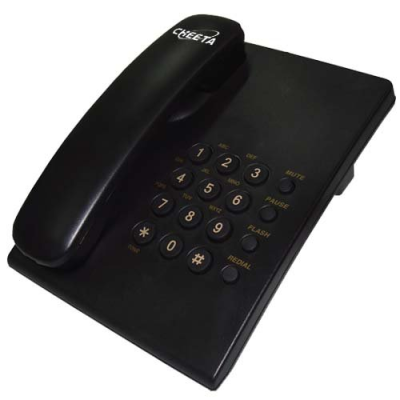
When sourcing a Vintage Large Numbers Landline Telephone, buyers must first distinguish between the distinct product categories that often appear under this broad search term. The market currently presents two primary variations: the functional digital cordless phone and the decorative antique-style landline unit. The functional variant, often identified by model numbers such as 8019 or CT-N3110, operates as a digital cordless phone with a battery capacity of 1200mA. This unit supports frequency bands of 1.8/1.9GHz and includes features such as flash, redial, hands-free (HF) functionality, and memory storage. It is designed for practical application in homes, offices, and restaurants, utilizing a keypad that can be either push-button or rotary.
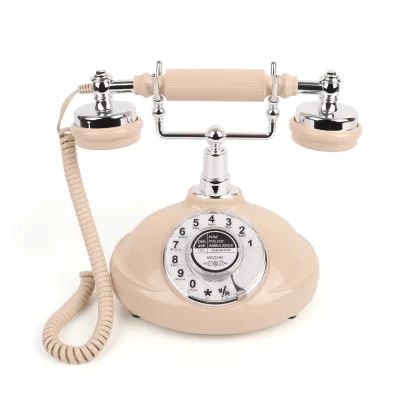
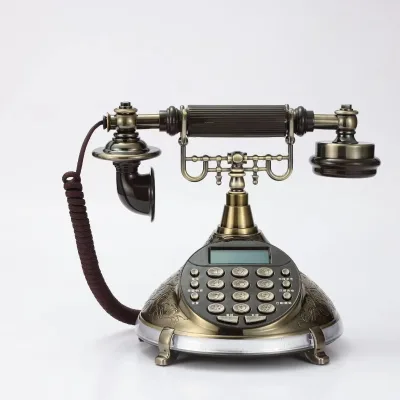
In contrast, the antique-style unit, frequently referenced by model numbers like CT-N8019, prioritizes aesthetic design over modern digital connectivity. These units are constructed from a composite of wood, resin, and metal, featuring a "corded old style wooden craft" design. While they offer the visual appeal of a vintage telephone, their technical specifications differ significantly; some listings indicate a wired LAN network connection, while others focus on the physical form factor with large numbers for visibility. The dimensions for these antique units vary, with single package sizes ranging from 25x19x29 cm to 35x25x20 cm, and single gross weights fluctuating between 1.200 kg and 2.000 kg. Buyers must verify whether the specific unit they are purchasing is intended for active voice communication or purely for decorative display, as the internal components and connectivity options will differ based on the model number and material composition.
Compliance and Certification Verification
For B2B procurement, verifying compliance is a critical step that cannot be overlooked. The product listings indicate that manufacturers may offer certifications such as CE, ROHS, and FCC. However, these certifications are not automatically guaranteed for every unit in a specific order; they are listed as potential attributes that require confirmation. When sourcing digital cordless phones, the 1.8/1.9GHz frequency band operation necessitates regulatory approval in the destination market to ensure the device does not interfere with other wireless communications.
Buyers should explicitly request current certification documents for the specific batch of goods being ordered. The presence of a "Certificate" field in product data suggests that items like the digital cordless phone may carry CE and ROHS marks, but the antique wooden units, which rely more on material safety (resin and metal), may have different compliance requirements. It is essential to confirm that the "such as CE, ROHS, FCC and etc." notation applies to the exact model number being purchased. Without this verification, importing these devices into regions with strict electromagnetic compatibility (EMC) or hazardous substance restrictions could lead to customs delays or product recalls. Procurement teams must treat these certifications as conditional attributes that require active validation rather than assumed standard features.
Cost Drivers and Pricing Dynamics
The pricing for vintage large numbers landline telephones is influenced by several factors, including material composition, packaging complexity, and the level of customization offered. The observed price range in the market spans from 3.5 USD to 78 USD, a significant variance that reflects the difference between a basic functional unit and a premium decorative piece. The lower end of the spectrum typically corresponds to standard digital cordless phones made of ABS plastic, which are mass-produced and have lower material costs. The higher end of the price range often correlates with antique-style units made from wood, resin, and metal, which involve more labor-intensive manufacturing processes and higher material expenses.
Packaging also plays a substantial role in the final cost. The digital cordless phones are often shipped in single items with a gross weight of 1.260 kg, while the antique units may come in gift boxes with bubble pack inside, with carton dimensions accommodating 8 pieces per CTN. The "ODM/OEM" capability allows for customization in color, logo, gift box design, and shipping marks, which can increase the unit cost. Additionally, the "Supply Ability" of 10,000 pieces per month suggests that economies of scale are possible, but the "Lead time" varies significantly between 3-5 days for standard items and 30-40 days for customized or antique models. Buyers should anticipate that urgent orders or highly customized designs will incur higher costs due to expedited production or specialized material sourcing.
Typical Applications and Use Cases
The application of these telephones extends beyond simple residential use, catering to a diverse range of commercial and institutional needs. The digital cordless phones are explicitly marketed for use in homes, offices, and restaurants, making them suitable for environments where mobility and standard voice communication are required. Their multi-language support and features like voice mail (or lack thereof, depending on the specific model) make them versatile for general business operations.
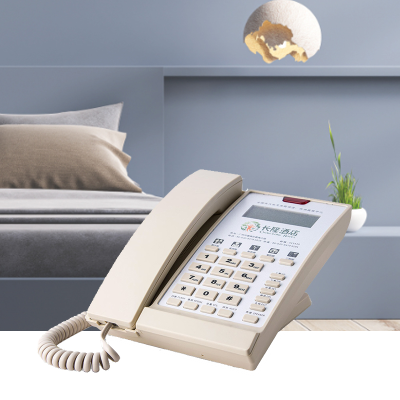
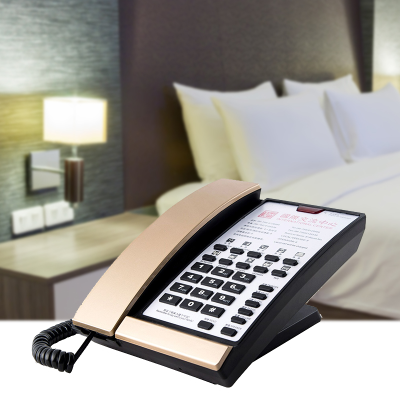
Conversely, the antique-style large number telephones serve a different set of applications. They are listed for use in private houses, hotels, offices, and public services. In a hotel setting, these units can serve as a nostalgic amenity for guests or a functional device in specific departments where a traditional aesthetic is preferred. In public service environments, the large numbers on the keypad are particularly advantageous for users with visual impairments or in high-noise areas where tactile feedback is beneficial. Furthermore, the "Call Center, Customer Service" application suggests that some models are robust enough for high-volume usage, provided they meet the necessary durability standards. The "Style" of the antique telephone, described as "Corded old style wooden craft," also makes it a viable option for interior design projects in restaurants or boutique hotels aiming for a specific historical ambiance.
Supplier Evaluation and Production Capabilities
Evaluating suppliers for this product category requires a focus on their ability to manage both functional and decorative manufacturing lines. The data indicates that suppliers in Guangdong, China, are the primary source, with a port of dispatch at Shenzhen. A key differentiator for suppliers is their "ODM/OEM" capability, which allows for customization of colors, logos, and gift box designs. Buyers should assess whether the supplier can handle the specific material requirements, such as the wood, resin, and metal composites for antique units, versus the ABS plastic for digital units.
The "Lead time" is a critical metric for supplier selection. The discrepancy between a 3-5 day delivery time for standard items and a 30-40 day lead time for others suggests that production capacity and complexity vary. Suppliers offering the 30-40 day lead time are likely managing more complex supply chains for materials like wood and resin. Buyers should also verify the "Sample" availability, as the data confirms that samples are available, which is essential for quality verification before placing a bulk order. The "Supply Ability" of 10,000 pieces per month provides a baseline for capacity, but buyers must confirm if this applies to the specific model they are sourcing, especially if they require a mix of digital and antique units.
Quality Control and Long-Term Procurement Considerations
Quality control for vintage large numbers landline telephones must address both functional reliability and aesthetic consistency. For digital cordless phones, the focus should be on battery life (1200mA), signal stability in the 1.8/1.9GHz band, and the durability of the keypad. For antique units, the primary quality concerns revolve around the integrity of the wood, resin, and metal construction, as well as the finish of the large numbers. The "Warranty" terms vary, with some listings offering 1 year and others offering 1 year or 0.3% spare parts, indicating that buyers should negotiate clear warranty terms that cover both functional defects and cosmetic issues.
Long-term procurement considerations include the availability of spare parts and the consistency of the supply chain. The "Single package size" and "Single gross weight" data provided are essential for logistics planning and cost estimation. Buyers should ensure that the packaging details, such as the "gift box with bubble pack inside," are sufficient to protect the fragile wooden components during international shipping. Additionally, the "Service" of OEM acceptance implies that suppliers are willing to adapt to changing design trends, but buyers should establish clear communication channels to ensure that future orders maintain the same quality standards. The "Model Number" consistency is also crucial; variations like 8019, CT-N3110, and CT-N8019 represent different product lines, and mixing them without clear specifications can lead to confusion in inventory management.
Summary of Key Product Attributes
To facilitate quick reference during the sourcing process, the following table summarizes the key attributes observed in the product data. This comparison highlights the divergence between the functional digital units and the decorative antique units, helping buyers make informed decisions based on their specific procurement needs.
| Attribute | Digital Cordless Phone (e.g., 8019, CT-N3110) | Antique/Decorative Unit (e.g., CT-N8019) |
|---|---|---|
| Primary Material | ABS Plastic | Wood, Resin, and Metal |
| Key Function | Dial Phone calls, Redial, HF, Memory | Visual display, Decorative, Corded style |
| Battery | 1200mA | Not specified (often wired) |
| Network | Wireless (1.8/1.9GHz) | Wired LAN (or decorative) |
| Package Size | 26x25x16 cm or 26x24x17 cm | 25x19x29 cm or 35x25x20 cm |
| Gross Weight | 1.260 kg | 1.200 kg to 2.000 kg |
| Lead Time | 3-5 days | 30-40 days |
| Warranty | 1 Year | 1 Year or 0.3% spare parts |
| Certifications | CE, ROHS, FCC (Verify per batch) | CE, ROHS (Verify per batch) |
| Style | Modern Digital | Old Style Wooden Craft |
By carefully analyzing these attributes and adhering to the verification protocols outlined above, buyers can effectively navigate the market for vintage large numbers landline telephones, ensuring that their procurement strategy aligns with both functional requirements and aesthetic goals.
FAQs
What materials are used for vintage large numbers landline telephones?
Materials vary by model, with digital units made of ABS plastic and antique styles constructed from wood, resin, and metal. Buyers must verify the specific material composition for the chosen model number to ensure it meets durability and aesthetic requirements.
How long is the lead time for these telephones?
Lead times range from 3-5 days for standard digital items to 30-40 days for customized or antique models. The duration depends on the complexity of the design and whether OEM customization is requested for the specific order.
Which certifications apply to these vintage large numbers landline telephones?
Potential certifications include CE, ROHS, and FCC, but they are not guaranteed for every unit without confirmation. Buyers must explicitly request current certification documents for the specific batch to ensure compliance with destination market regulations.
Can these telephones be customized with specific logos or colors?
Yes, suppliers accept ODM and OEM requests for any color, logo, and gift box design. This customization capability allows buyers to tailor the product to their brand, though it may extend the lead time compared to standard items.
What is the battery capacity for the digital cordless variants?
The digital cordless phone models feature a battery capacity of 1200mA. This specification applies to the functional wireless units operating on 1.8/1.9GHz frequency bands, distinguishing them from the wired antique-style decorative units.
Where are these vintage large numbers landline telephones manufactured?
Products originate from Guangdong, China, with dispatch typically from the Shenzhen port. This location is the primary source for both the functional digital phones and the decorative antique-style units found in the market.