Source Vintage Industrial Style Dessert Plate for Restaurants, Hotels, and Catering
Compare 30 listings for Vintage Industrial Style Dessert Plate options made from stainless steel, ceramic, or wood. Buyers can evaluate customized sizes, eco-friendly features, and FDA-certified suppliers in Guangdong, China with MOQs starting at 100 pieces.
Key considerations
Products List
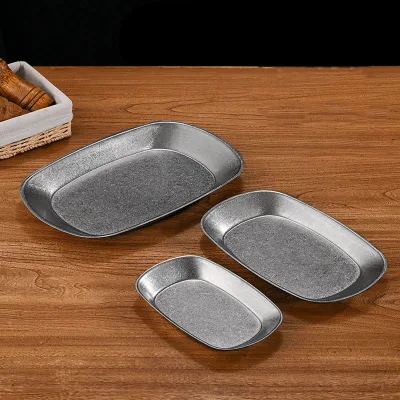


Hot Sale Western Style Dessert Plate Long Porcelain Plate Rectangular Plate
$1.60 - $1.74
MOQ: 100 Pieces


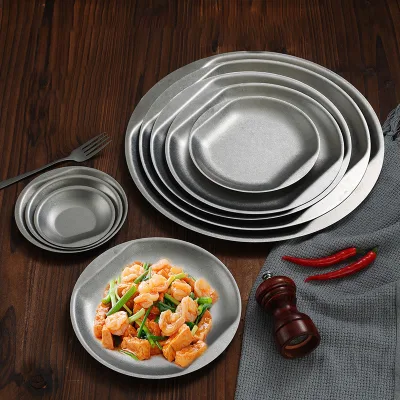

Unique Dessert Plate White Ceramic Dinner Plate Seafood Restaurant Plate
$1.00 - $3.00
MOQ: 5000 Pieces


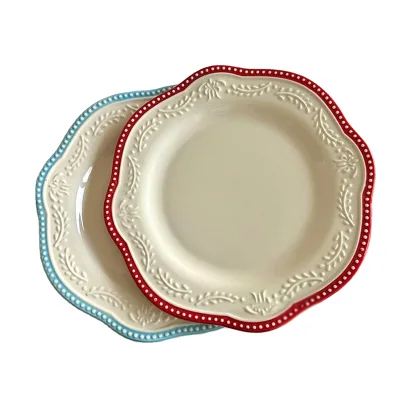
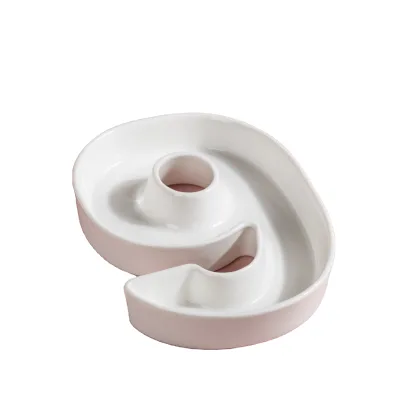


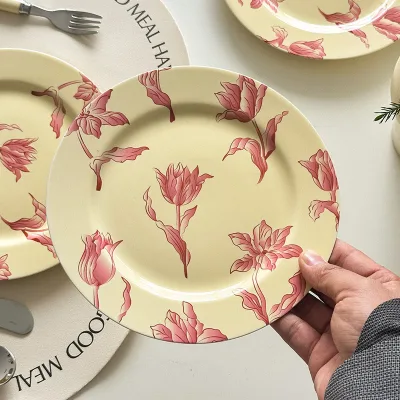


Not Easily Broken Convenient Ceramic Dessert Plates for Buffet Restaurants
$1.30 - $8.00
MOQ: 100 Pieces
Comprehensive Sourcing Guide
Vintage Industrial Style Dessert Plate Sourcing Guide
Sourcing vintage industrial style dessert plates requires a nuanced understanding of how modern manufacturing capabilities intersect with aesthetic design trends. The term "vintage industrial" often implies a rugged, utilitarian, or aged appearance, yet the underlying product data reveals a complex mix of materials and finishes. Buyers must navigate between products described as "stainless steel" with a "polished" technique and those made from "wooden/bamboo" or "ceramic & porcelain." This divergence suggests that the market for this style is not monolithic; rather, it encompasses a variety of interpretations where the "industrial" label may refer to the shape, the finish, or the intended setting rather than a single material composition. Understanding these distinctions is critical for aligning supplier offerings with specific brand identities and functional requirements.
The procurement landscape for these items is characterized by significant variability in customization options and production origins. Most suppliers are located in Guangdong, China, a hub known for its extensive manufacturing infrastructure for dinnerware and food containers. The availability of "customized size," "customized color," and "customized logo" indicates that buyers have substantial leverage to tailor products to their specific needs. However, this flexibility comes with the responsibility of rigorous specification management. Buyers must clearly define whether they seek the durability of metal, the warmth of wood, or the classic elegance of ceramic, as these choices drastically impact the final aesthetic, cost structure, and logistical handling of the order.
Product Scope and Observed Listing Signals
The observed product listings reveal a broad spectrum of attributes that define the current market for dessert plates. Key features frequently highlighted include "Eco-Friendly," "Durable," and "Stocked" availability, which appeal to buyers prioritizing sustainability and quick turnaround times. The "Classic" and "Simple" styles noted in the data suggest that while the aesthetic is described as "vintage industrial," the actual design language tends toward minimalism and functionality. This is further supported by the "Irregular" shape attribute, which may indicate unique, artisanal, or hand-finished characteristics that differentiate these plates from mass-produced, perfectly circular alternatives. Buyers should interpret these signals as indicators of a market that values distinctiveness and environmental consciousness alongside traditional durability.
Material composition varies significantly across listings, presenting both opportunities and challenges for procurement teams. Some products are explicitly identified as "stainless steel," offering a sleek, modern-industrial look that aligns with the "polished" technique mentioned. Others are described as "Wooden/Bamboo," providing a natural, textured alternative that fits the "eco-friendly" narrative. Additionally, "Ceramic & Porcelain" options are available, catering to buyers who prefer traditional dinnerware materials but seek a specific stylistic twist. The "Non-Disposable" attribute confirms that these are durable goods intended for repeated use in commercial settings such as restaurants and hotels. Buyers must carefully match these material descriptions to their specific aesthetic and functional goals, as mixing material types within a single order can complicate quality control and supplier communication.
Technical Specifications to Verify
Verifying technical specifications is paramount when sourcing vintage industrial style dessert plates, particularly regarding dimensions and structural integrity. The data indicates that "Customized Size" is a standard offering, with specific models like "EB-B5662" and "Eb-B5707" having defined standards such as "Dia. 29.528H24cm" or "10" diameter. Buyers must confirm whether these dimensions apply to the specific material they are sourcing, as a 10-inch ceramic plate will have different weight and packaging requirements than a stainless steel counterpart. The "polished" technique for metal items suggests a smooth, reflective finish, while wooden or bamboo items may require different surface treatments to ensure food safety and durability. Clear communication of these specifications is essential to avoid discrepancies between the sample and the bulk order.
Packaging and model identification are also critical technical aspects that require verification. Listings mention various packaging methods, including "Carton or Box," "Foam Packaging," and "Standard Export Carton," each offering different levels of protection during transit. For fragile materials like ceramic or porcelain, foam packaging is likely necessary to prevent breakage, whereas stainless steel items may be more resilient to standard carton packing. The presence of specific model numbers, such as "RY0630," provides a reference point for tracking orders and ensuring consistency. Buyers should request detailed packaging diagrams and weight specifications for each model to calculate freight costs accurately and ensure that the products arrive in pristine condition, especially given the "irregular" shapes that may not fit standard packaging molds.
Compliance and Safety Documentation
Compliance and safety documentation are non-negotiable for food-contact items, and the sourcing guide must emphasize the verification of relevant certifications. The data explicitly mentions "FDA" certification for some products, which is a critical standard for items intended for use in the United States market. Buyers must ensure that the specific material they are purchasing—whether stainless steel, wood, bamboo, or ceramic—holds the appropriate FDA clearance. Additionally, "SGS" and "CE" certifications are noted in some listings, indicating compliance with international safety and quality standards. These certifications provide assurance that the products have undergone rigorous testing for harmful substances and structural integrity, which is particularly important for items that may be exposed to high temperatures or acidic foods.
Beyond certifications, buyers should verify the "100% Export Standard" and "Products Quanlity" claims made by suppliers. These statements suggest a commitment to international quality benchmarks, but they require independent validation. For wooden and bamboo products, buyers should inquire about treatments used to prevent mold or insect infestation, as these materials are susceptible to environmental factors. For stainless steel items, verifying the grade of steel (e.g., 304 vs. 201) is crucial for ensuring corrosion resistance and longevity. The "Eco-Friendly" and "Eco Product" labels should be backed by verifiable data on sourcing practices and manufacturing processes, ensuring that the sustainability claims are not merely marketing tactics but reflect genuine environmental responsibility.
Cost Drivers and Commercial Terms
Cost drivers for vintage industrial style dessert plates are influenced by material choice, customization level, and order volume. The observed price range of $0.49 to $18.26 USD reflects this variability, with lower prices likely corresponding to simpler, mass-produced items and higher prices to customized, premium materials or complex designs. The Minimum Order Quantity (MOQ) ranges from 1 to 5000 pieces, with a specific mention of 100pcs for some items. Buyers with smaller budgets or testing needs may benefit from low MOQs, while those seeking economies of scale should aim for higher volumes to reduce per-unit costs. It is important to note that customization options, such as "Customized Logo" and "Customized Color," may incur additional setup fees or increase the MOQ, impacting the overall cost structure.
Commercial terms, including lead times and payment conditions, also play a significant role in the total cost of ownership. The "Sample Time" of 7-15 days and "Delivery Detail" of 15-35 days after order confirmation provide a timeline for planning inventory and marketing campaigns. Buyers should factor in these lead times when scheduling product launches or restocking. The "OEM: Welcome" and "Customization: Available" attributes indicate that suppliers are flexible, but this flexibility may require longer lead times for design approval and production setup. Clear communication regarding payment terms, shipping responsibilities, and return policies for defective items is essential to mitigate financial risks and ensure a smooth procurement process.
Supplier Qualification and Quality Control
Supplier qualification is a critical step in ensuring the reliability and quality of vintage industrial style dessert plates. Buyers should prioritize suppliers who demonstrate a strong track record in exporting, as indicated by the "100% Exporter Standred" claim. Verifying the supplier's business license, factory audits, and past client references can provide insights into their operational capabilities and ethical standards. The "OEM: Welcome" and "Customized Logo Acceptable" attributes suggest that the supplier is experienced in working with diverse client requirements, which is a positive indicator of their adaptability and professionalism. Buyers should also assess the supplier's communication responsiveness and willingness to provide detailed product information, as these factors are indicative of their overall service quality.
Quality control measures must be rigorously enforced throughout the production process. Buyers should request pre-production samples to verify material quality, finish, and dimensions before approving bulk production. During production, regular inspections can help identify and address any defects early, reducing the risk of receiving substandard goods. The "Sample: Availiable" attribute facilitates this process, allowing buyers to evaluate the product's aesthetic and functional attributes. Post-production, a final random inspection should be conducted to ensure that the products meet the agreed-upon specifications and packaging requirements. Establishing clear quality standards and communication channels with the supplier is essential for maintaining consistency and minimizing the risk of disputes.
Long-Term Procurement Checks
Long-term procurement success depends on establishing a sustainable and scalable supply chain for vintage industrial style dessert plates. Buyers should regularly review supplier performance metrics, including on-time delivery rates, product quality consistency, and responsiveness to issues. Building a strong relationship with the supplier can lead to better pricing, priority production slots, and collaborative innovation in design and materials. The "Customization: Available" and "OEM: Welcome" attributes suggest that suppliers are open to ongoing collaboration, which can be leveraged to develop exclusive product lines that differentiate the buyer in the market. Regularly updating product specifications and market trends can help keep the offering fresh and relevant to consumers.
Additionally, buyers should monitor market trends and consumer preferences to anticipate changes in demand for vintage industrial style dinnerware. The "Eco-Friendly" and "Durable" features are increasingly important to consumers, and suppliers who can demonstrate genuine sustainability practices will likely have a competitive advantage. Buyers should also consider diversifying their supplier base to mitigate risks associated with single-source dependency. By maintaining a proactive approach to supplier management and market analysis, buyers can ensure a steady supply of high-quality vintage industrial style dessert plates that meet their customers' expectations and support their brand's long-term growth.
FAQs
What materials are used for vintage industrial style dessert plates?
These plates are available in stainless steel, ceramic, porcelain, wood, and bamboo. The specific material depends on the supplier and customization request, with options ranging from durable metal to eco-friendly natural materials.
Can I request a customized size for these dessert plates?
Yes, customized sizes are available for these plates. Buyers can specify dimensions such as a diameter of 10 inches or other custom measurements to fit specific table settings or design requirements.
Which certifications do these plates typically hold?
Many of these plates hold FDA and SGS certifications to ensure safety. They also meet 100% export standards and may include CE certification, ensuring they are safe for food contact in international markets.
How long does it take to receive samples of these plates?
Sample delivery typically takes between 7 to 15 days after the order is confirmed. This lead time allows for the production of custom samples before proceeding with a full bulk order.
What is the minimum order quantity for these plates?
The minimum order quantity can range from 1 to 5000 pieces depending on the supplier. A common baseline MOQ observed is 100 pieces, though some vendors may accept single items for sampling.
Can I add a custom logo to these dessert plates?
Yes, customized logos are acceptable and can be applied using techniques like silkscreen. Buyers can also request customized colors and packaging to match their brand identity or event theme.
Where are these vintage industrial style dessert plates manufactured?
These plates are primarily manufactured in Guangdong, China. The production facilities adhere to export standards and offer various customization options for international buyers seeking specific design features.