Source VOCs Treatment Wet Scrubber for Paint, Chemical, and Dust
Compare 30 industrial units for VOCs Treatment Wet Scrubber applications including paint fog and dust removal. Options feature automatic operation, HEPA filtration, and stainless steel construction with varying air volumes and pump specifications.
Key considerations
Products List
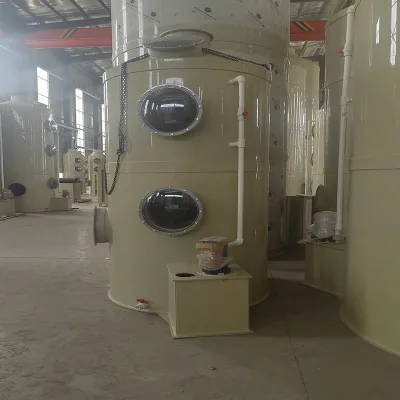
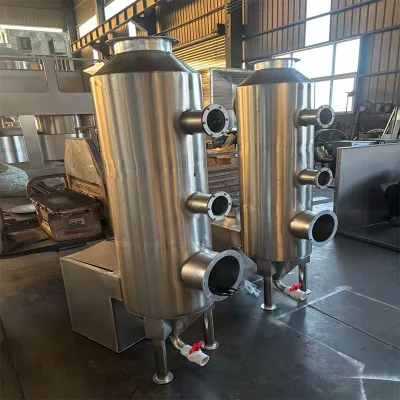


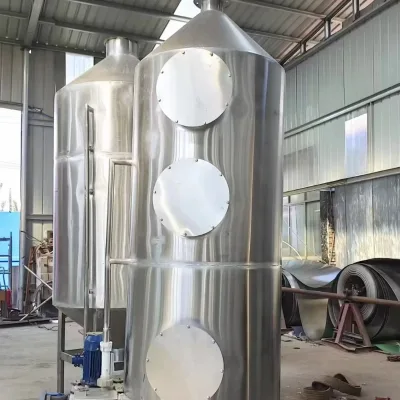
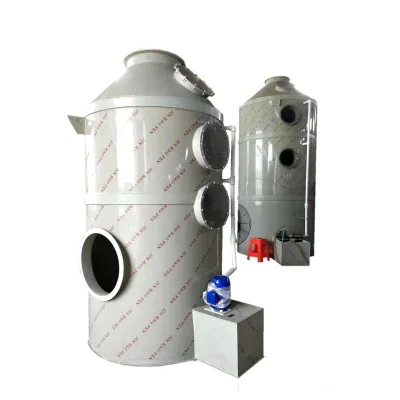
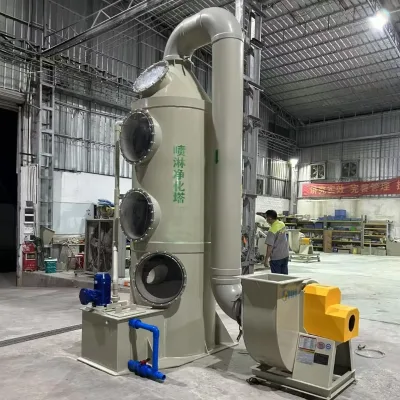


Wet Scrubbers Are Found in Chemical Processing Facilities So2 Removal CO2 Removal
$699.00 - $2999.00
MOQ: 1 Pieces

Air Pollution Control Device Hydrochloric Acid Fume Scrubber Packed Wet Scrubber
$699.00 - $2999.00
MOQ: 1 Pieces

Industrial Waste Gas Pretreatment Scrubber System Chemical Composition Gas Clean Wet Scrubber
$699.00 - $2999.00
MOQ: 1 Pieces


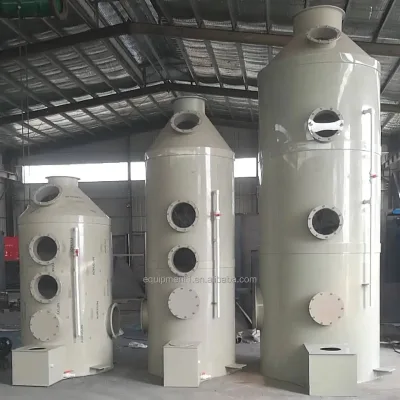


Advanced Industrial Wet Scrubber for Superior Gas Filtration Solutions
$3000.00 - $7000.00
MOQ: 1 Pieces

High-Performance Industrial Wet Scrubbers for Effective Gas Treatment
$3000.00 - $7000.00
MOQ: 1 Pieces

Advanced Industrial Wet Scrubber for Effective Air Pollution Control
$3000.00 - $7000.00
MOQ: 1 Pieces


Comprehensive Sourcing Guide
Strategic Sourcing Guide for VOCs Treatment Wet Scrubbers
The global demand for effective Volatile Organic Compounds (VOCs) abatement has driven the adoption of wet scrubbing technologies across diverse industrial sectors. For procurement professionals, sourcing a wet scrubber requires a nuanced understanding of technical specifications, regulatory compliance, and supplier capabilities. This guide synthesizes available market data to provide a structured approach for evaluating potential suppliers and selecting equipment that meets specific operational needs. The focus remains on evidence-based criteria derived from current product listings and established industry practices.
Technical Specifications and Performance Parameters
When evaluating wet scrubbers for VOCs treatment, buyers must first align the equipment's physical and operational specifications with their facility's requirements. The core components of these systems typically include a pump, motor, PLC (Programmable Logic Controller), and a pressure vessel. The integration of these elements ensures the system can handle the necessary fluid dynamics and control logic for efficient gas purification.
Air volume capacity is a primary determinant of system selection. Market observations indicate a range of air handling capabilities, with specific models offering volumes between 4,000 and 12,000 cubic meters per hour (LMH). For instance, smaller units may operate within the 4,000-6,000 LMH range, while larger industrial units can reach 8,000-12,000 LMH. The air outlet diameter also varies significantly, with observed specifications including 355mm, 400mm, and 500mm outlets. Selecting the correct outlet size is critical for maintaining proper airflow velocity and minimizing pressure drop across the system.
Structural integrity is another vital consideration. The shell thickness of the scrubber vessel directly impacts its durability and resistance to corrosion. Data suggests that shell thicknesses can range from 8mm to 10mm, with bottom plates potentially thicker at 12mm to support the vessel's weight and internal pressure. The material of construction is predominantly stainless steel, which is essential for resisting the corrosive nature of chemical treatments and acidic gases often found in industrial waste streams.
Power consumption is a significant operational cost driver. Buyers should verify the power ratings of key components, such as the pump and fan. Typical specifications observed include a pump power of 4kw and a fan power of 13kw, though these figures will scale based on the specific air volume and treatment requirements. The pump in-pipe diameter is another technical detail to verify, with common sizes being 50mm or 65mm, which influences the flow rate and pressure head the system can generate.
Filtration and Treatment Methodologies
The efficiency of a wet scrubber relies heavily on its filtration grade and the specific treatment processes employed. High-performance units often utilize a multi-stage filtration approach, incorporating pre-filters, medium filters, and HEPA filters. This layered strategy ensures that particulate matter is removed before the gas reaches the chemical treatment zone, preventing clogging and maintaining the longevity of the scrubbing liquid.
The treatment process itself is diverse. Common methodologies include biological treatment, burning, and chemical treatment. For VOCs specifically, chemical treatment is frequently the primary mechanism, where the scrubbing liquid reacts with or absorbs the volatile compounds. Some systems are designed for water film desulfurization and wet washing, which are effective for paint fog and dust treatment in addition to gas purification. The automation level of the system is also a key differentiator; modern units are increasingly automatic, utilizing PLCs to manage chemical dosing, pump operation, and monitoring without constant manual intervention.
Compliance, Certification, and Standards
Navigating the regulatory landscape is a critical step in the procurement process. Buyers must verify that the equipment meets relevant international and local standards. While specific certification statuses vary by manufacturer, common certifications observed in the market include ISO and GMA. These certifications indicate that the supplier adheres to specific quality management and manufacturing standards, which is a strong indicator of reliability.
Purification efficiency is a metric that requires careful verification. Some product listings claim a purification efficiency of 99%, but buyers should treat such figures as observations rather than universal guarantees. It is essential to request specific test results or machinery test reports that validate these claims under conditions similar to the buyer's own application. The availability of a machinery test report is a positive signal, suggesting that the supplier has undergone third-party or internal validation of the equipment's performance.
Furthermore, the standard of the product itself must be clear. Specifications may reference diameter standards, such as a 15,000mm diameter for large-scale units, or model-specific standards like "Dia1500." Buyers should ensure that the product standard aligns with the physical constraints of their installation site and the required throughput.
Cost Drivers and Pricing Structures
The cost of a wet scrubber is influenced by a complex interplay of factors, including material costs, power requirements, and customization needs. The observed price range in the market is extremely broad, spanning from $0.80 to $20,000 USD. This wide variance reflects the difference between small-scale units, large industrial systems, and the extent of customization.
Weight is a significant cost driver, with some units weighing up to 150kg. Heavier units typically require more robust materials and larger structural components, which increases the raw material cost. Additionally, the complexity of the automation and the specific power ratings of the motor and pump contribute to the final price. Buyers should also consider the packaging requirements; steel frame packaging is common for heavy industrial equipment to ensure safe transport, which adds to the overall logistics cost.
Minimum Order Quantity (MOQ) is another financial consideration. The market shows an MOQ range of 1 to 10 units, with many suppliers accepting small orders. This flexibility is beneficial for buyers who are testing the technology or have limited initial requirements. However, buyers should be aware that unit prices may be higher for smaller orders compared to bulk purchases.
Supplier Evaluation and Origin Verification
Selecting the right supplier is as important as selecting the right equipment. The majority of wet scrubber manufacturers in the current market are located in Mainland China, with specific origins noted in regions like Hebei. While the country of origin is a known fact, buyers should dig deeper into the supplier's specific location and manufacturing capabilities.
Brand names in this sector vary, with observations including "yiboyuan," "SENOTAY," and "kaicheng." Buyers should not rely solely on brand recognition but rather on the supplier's track record, technical support, and after-sales service. The availability of customization is a key differentiator; many suppliers offer custom solutions to meet specific air volume, color, or functional requirements. This flexibility allows buyers to tailor the scrubber to their unique operational environment.
When evaluating a supplier, buyers should request a list of previous projects or references. The ability to provide a machinery test report and detailed specifications is a strong indicator of a reputable supplier. Additionally, the condition of the product should be verified as "New," ensuring that the buyer is receiving a fully functional, unused unit.
Quality Control and Long-Term Procurement
Quality control is paramount in the procurement of industrial waste gas purification equipment. Buyers should insist on a comprehensive quality assurance process that includes material verification, structural integrity checks, and performance testing. The use of stainless steel for the main body is a standard quality indicator, but buyers should verify the grade of the steel to ensure it meets the specific corrosion resistance requirements of their application.
Long-term procurement considerations include the availability of spare parts and the warranty period. A standard warranty of 1 year is commonly observed, but buyers should negotiate terms that cover critical components like the pump and motor. The selling unit configuration is typically a single item, which simplifies the logistics of delivery and installation.
The application of the equipment is another long-term factor. Wet scrubbers are designed for the application of industrial waste gas, paint fog, and dust treatment. Buyers must ensure that the selected unit is suitable for the specific type of VOCs and particulates they intend to treat. The color of the unit can often be customized according to customer requirements, which may be relevant for facility aesthetics or safety color-coding standards.
Comparative Analysis of Key Specifications
To facilitate decision-making, the following table summarizes the key technical specifications observed in the market for wet scrubbers. This comparison highlights the variability in air volume, dimensions, and power requirements, helping buyers identify the right fit for their needs.
| Specification | Model A (Small) | Model B (Medium) | Model C (Large) |
|---|---|---|---|
| Model Number | PLT-5000 | PLT-8000 | PLT-10000 |
| Air Volume | 4,000-6,000 LMH | 6,000-8,000 LMH | 8,000-12,000 LMH |
| Air Outlet | 355 mm | 400 mm | 500 mm |
| Shell Thickness | 8 mm | 8 mm | 10 mm |
| Bottom Plate | 12 mm | 12 mm | 12 mm |
| Pump Power | 4 kw | 4 kw | 4 kw |
| Fan Power | 13 kw | 13 kw | 13 kw |
| Pump Pipe Dia. | 50mm / 65mm | 50mm / 65mm | 50mm / 65mm |
| Spray Height | 800 mm | 800 mm | 800 mm |
| Weight | Variable | Variable | 150 kg |
| Material | Stainless Steel | Stainless Steel | Stainless Steel |
Final Procurement Recommendations
In conclusion, sourcing a VOCs Treatment Wet Scrubber requires a methodical approach that balances technical performance, regulatory compliance, and cost efficiency. Buyers should prioritize suppliers who provide detailed machinery test reports and clear specifications regarding air volume, filtration grade, and treatment processes. The wide range of available models, from small units with 4,000 LMH capacity to large industrial systems with 12,000 LMH capacity, offers flexibility for various applications.
By focusing on verified attributes such as stainless steel construction, automation capabilities, and certification status, buyers can mitigate risks associated with equipment failure or non-compliance. The ability to customize the unit and the availability of a standard one-year warranty further enhance the value proposition. Ultimately, the success of the procurement depends on a thorough understanding of the specific operational requirements and a rigorous evaluation of the supplier's technical and quality capabilities.
FAQs
What core components are included in these wet scrubbers?
These units typically include a pump, motor, PLC, and pressure vessel as core components. This integration ensures the system handles necessary fluid dynamics and control logic for efficient gas purification in industrial settings.
Which air volume capacities are available for these models?
Available models offer air volumes ranging from 4,000 to 12,000 LMH. Specific configurations include ranges of 4,000-6,000, 6,000-8,000, and 8,000-12,000 LMH depending on the selected model number.
Can suppliers provide machinery test reports for verification?
Yes, machinery test reports are provided for these products. This documentation serves as a positive signal that the supplier has undergone validation of the equipment's performance under specific conditions.
How thick are the shell and bottom plates of the vessel?
Shell thicknesses typically range from 8mm to 10mm, while bottom plates are often 12mm thick. These dimensions ensure structural integrity and resistance to corrosion from chemical treatments and acidic gases.
What certifications do these industrial waste gas purification units hold?
Common certifications observed include ISO and GMA standards. These indicate that the supplier adheres to specific quality management and manufacturing standards, which is a strong indicator of reliability for procurement.
What is the standard warranty period for this equipment?
The standard warranty period observed is 1 year. Buyers should negotiate terms that cover critical components like the pump and motor to ensure long-term operational support and reliability.
Can buyers customize the color and specifications of the unit?
Customization is available for color and specific functional requirements. Buyers can tailor the scrubber to unique operational environments, including specific air volumes and aesthetic color preferences according to customer needs.