Source VMPET Opaque PP Bulk Bag for Chemical, Food, and Export
Compare 30 listings for VMPET Opaque PP Bulk Bag options featuring UV-stabilized woven polypropylene and customizable printing. Evaluate safety factors, loading capacities, and closure types to find suitable packaging for chemical, food, and industrial export applications; compare the available evidence and request quotations based on your requirements.
Key considerations
Products List


$2.40 - $2.50
MOQ: 1000 Pieces


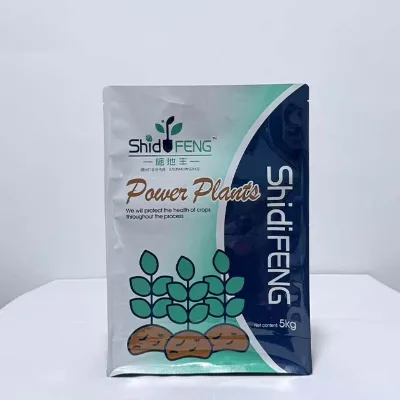


Customized Print Resealable Clear Plastic Poly OPP Bags for Clothing Packaging
$0.01 - $0.10
MOQ: 100000 Pieces

Custom Clothing Packaging OPP Bag with Logo Transparent Self Adhesive Plastic Bag
$0.01 - $0.10
MOQ: 100000 Pieces


Comprehensive Sourcing Guide
VMPET Opaque PP Bulk Bag Sourcing Guide
Procuring high-performance bulk bags requires a clear understanding of the material composition and structural integrity that define modern industrial packaging solutions. The market offers a diverse range of options, from standard polypropylene woven sacks to specialized multi-layer constructions designed for specific chemical or food-grade applications. Buyers must distinguish between basic polyethylene plastic bags and robust woven polypropylene structures, as the latter provides superior tensile strength and durability for heavy loads. Understanding these fundamental material differences is the first step in selecting the right packaging for your supply chain needs.
The visual and functional characteristics of these bags vary significantly based on customization requirements and intended use cases. While some listings highlight opaque or clear finishes, others emphasize UV stabilization and moisture-proof features essential for outdoor storage or long-term transit. The choice between a simple flat bag and a complex upright bag with spouts depends entirely on your filling and discharge logistics. Evaluating these attributes against your operational constraints ensures that the selected bulk bag aligns with both safety standards and efficiency goals, preventing costly handling errors or product contamination during the supply chain process.
Product Scope and Observed Listing Signals
Market listings for bulk bags reveal a wide spectrum of specifications, including loading capacities ranging from twenty kilograms to two thousand kilograms. This variance indicates that suppliers cater to both light consumer goods and heavy industrial materials, requiring buyers to carefully match the bag’s rated load to their specific product density. Observed data points to a strong emphasis on customization, with many suppliers offering tailored dimensions, colors, and printing options to meet brand identity or safety labeling requirements. This flexibility allows for precise logistical planning, ensuring that the packaging fits seamlessly into existing warehouse racking and transportation systems.
The structural design of these bags often includes critical features such as four side seam loops, discharge spouts, and cross-corner loops for enhanced lifting stability. These elements are not merely aesthetic but serve vital safety functions, distributing weight evenly during crane or forklift operations. Additionally, the presence of UV-stabilized woven polypropylene fabric suggests a focus on longevity and resistance to environmental degradation, which is crucial for products stored outdoors or in harsh industrial environments. Buyers should verify these structural details against their handling equipment specifications to ensure compatibility and prevent accidents during loading and unloading procedures.
Technical Specifications to Verify
When evaluating technical specifications, the safety factor is a paramount consideration, with observed values ranging from one-quarter to one-third of the breaking strength. This ratio ensures that the bag can withstand dynamic loads and shock stresses without failing, providing a critical margin of safety for heavy materials. Buyers must confirm the specific safety factor for each bag type, as it directly impacts the maximum working load limit and overall operational safety. Additionally, the weight of the fabric, often measured in grams per square meter, influences the bag’s durability and resistance to punctures, making it a key metric for assessing quality.
Dimensional accuracy and material composition are equally important for ensuring consistent performance across large procurement orders. Standard dimensions such as ninety by ninety by one hundred ten centimeters are common, but customized sizes are frequently available to optimize space utilization. The use of high-pressure polyethylene plastic or woven polypropylene raw materials affects the bag’s flexibility, strength, and chemical resistance. Buyers should request detailed material data sheets to verify that the specified raw materials meet their product’s storage requirements, particularly for sensitive chemicals or food-grade items that demand strict purity and barrier properties.
Compliance and Safety Documentation
Compliance with international standards is essential for ensuring that bulk bags meet safety and quality benchmarks in global trade. While specific certification statuses may vary by supplier, buyers should prioritize vendors who can provide documentation demonstrating adherence to recognized industry norms for packaging materials. This includes verifying that the materials used are free from harmful contaminants and that the manufacturing process maintains consistent quality control. For food-grade applications, additional verification of hygiene standards and material safety is crucial to prevent contamination and ensure regulatory compliance in destination markets.
Safety documentation should also include clear labeling and handling instructions to guide warehouse personnel in the proper use of the bags. This includes specifying the correct lifting points, maximum load limits, and storage conditions to prevent premature degradation or failure. Buyers should ensure that suppliers provide comprehensive safety data sheets and user manuals that align with local regulations and company policies. By maintaining rigorous documentation standards, organizations can mitigate risks associated with improper handling and ensure that their supply chain operations remain safe and compliant with international trade requirements.
Cost Drivers and Commercial Terms
The cost of bulk bags is influenced by several factors, including material quality, customization complexity, and order volume. High-toughness polypropylene fabrics and UV-stabilized treatments typically command higher prices due to their enhanced durability and performance characteristics. Customization options such as specialized printing, unique dimensions, and added features like spouts or reinforced loops also contribute to the overall cost. Buyers should analyze these variables to understand the price structure and identify opportunities for cost optimization without compromising on quality or safety standards.
Commercial terms, including minimum order quantities and payment conditions, play a significant role in the procurement process. Observed minimum order quantities range from one hundred to one hundred thousand units, reflecting the scalability of manufacturing operations. Buyers with smaller volume requirements may need to negotiate flexible terms or consider shared production runs to achieve competitive pricing. Additionally, understanding the supplier’s export experience and logistical capabilities can help in negotiating favorable delivery schedules and reducing lead times, ensuring that inventory levels are maintained efficiently throughout the supply chain.
Supplier Qualification and Quality Control
Supplier qualification is a critical step in ensuring the reliability and consistency of bulk bag procurement. Buyers should assess suppliers based on their manufacturing capabilities, quality control processes, and track record in the industry. A supplier with extensive export experience is likely to have robust systems in place for managing international orders and complying with diverse regulatory requirements. Verifying the supplier’s ability to provide consistent product quality across large batches is essential for maintaining operational efficiency and preventing disruptions in the supply chain.
Quality control measures should include rigorous testing of material strength, seam integrity, and printing durability. Buyers should request samples and conduct independent testing to verify that the bags meet the specified technical requirements and performance standards. Establishing clear quality acceptance criteria and conducting regular audits of the supplier’s production facilities can help maintain high standards and identify potential issues early. By prioritizing suppliers with strong quality control systems, organizations can ensure that their bulk bag procurement supports their operational goals and minimizes the risk of product damage or safety incidents.
Long-Term Procurement Checks
Long-term procurement success depends on continuous monitoring of supplier performance and market trends. Buyers should establish key performance indicators to track metrics such as delivery reliability, product quality, and cost stability over time. Regular reviews of these metrics help identify areas for improvement and ensure that the supplier continues to meet evolving business needs. Additionally, staying informed about advancements in packaging materials and technologies can provide opportunities for innovation and cost savings in the long run.
Building a strong relationship with suppliers based on transparency and mutual benefit is crucial for sustainable procurement. Open communication regarding future volume projections, product changes, and market challenges can foster collaboration and lead to more favorable terms and support. Buyers should also consider diversifying their supplier base to mitigate risks associated with single-source dependencies. By maintaining a proactive approach to supplier management and market analysis, organizations can ensure that their bulk bag procurement remains resilient, efficient, and aligned with their strategic objectives.
FAQs
What materials are used for vmpet opaque pp bulk bags?
These bags are made from high-pressure polyethylene plastic and woven polypropylene fabric. The material is UV stabilized to ensure durability during outdoor storage and transport. This construction provides high toughness while maintaining recyclability for multiple uses in various industrial applications.
Can I customize the printing and color of these bags?
Yes, customized printing and colors are available to meet your specific branding needs. You can choose white or other customized colors with surface treatments like coating or plain finishes. The making process supports composite packaging requirements while allowing for unique design specifications.
What is the loading capacity and safety factor for these bags?
The loading capacity ranges from 500 kg to 2000 kg depending on the specific model selected. Safety factors are available in ratios of 1/4, 1/3, or customized options to ensure secure handling. This ensures the bags can safely transport heavy industrial materials without failure.
How are these bulk bags packaged for shipment?
Products are typically packed in bales or on pallets for efficient shipping and storage. The standard packaging can be customized to fit your logistical requirements. This flexible packing method ensures the bags arrive in perfect condition ready for immediate use in your facility.
What are the dimensions and closure types available?
Sizes are customizable with widths ranging from 25 to 150 cm and lengths as per your requirement. Closure types include heat-sealing and spouts on both the top and bottom for easy filling and discharge. This versatility allows the bags to fit various storage and transport systems.
Are these bags suitable for food and chemical applications?
Yes, these bags are designed for use in chemical and food industries due to their moisture-proof features. They are made from recyclable materials that meet safety standards for sensitive contents. The UV resistance ensures the contents remain protected even when stored outdoors for extended periods.
What is the minimum order quantity for these bags?
The minimum order quantity ranges from 100 to 100,000 units depending on the supplier and customization level. This wide range allows small businesses and large enterprises to source the exact volume they need. Custom orders may have different thresholds based on the specific production requirements.