Source voice-activated rocker armchair for Living Room, Bedroom, Hotel
Compare 30 voice-activated rocker armchair options from verified suppliers. Buyers can evaluate features like tilting, modular designs, and fabric materials for living rooms, bedrooms, and hotels.
Key considerations
Products List
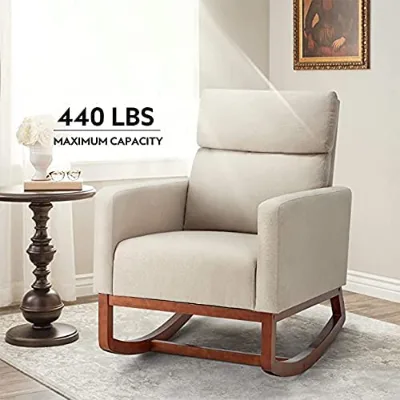
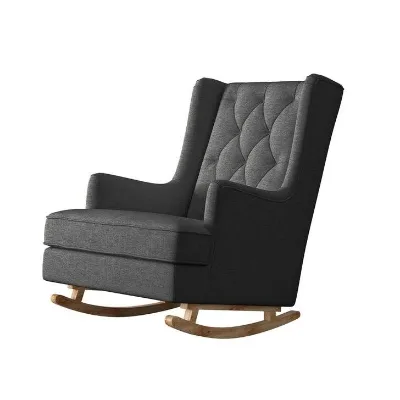


Grey Upholstered Armchairs Single Sofa Glider Rocker Chair for Living Room Bedroom
$42.00 - $55.00
MOQ: 100 Pieces

Modern Gray Padded Rocking Chair Nursery Rocker with Cushion and High Headrest
$42.00 - $55.00
MOQ: 100 Pieces

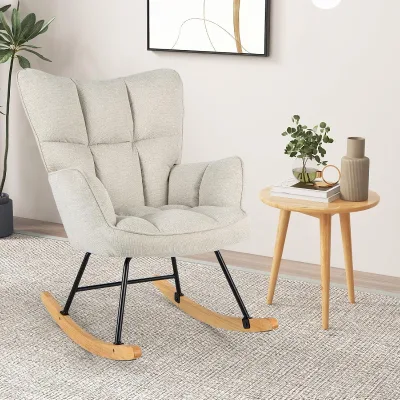
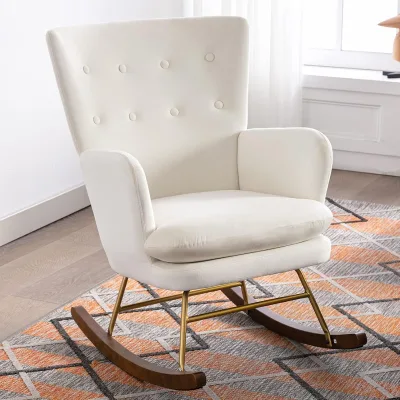
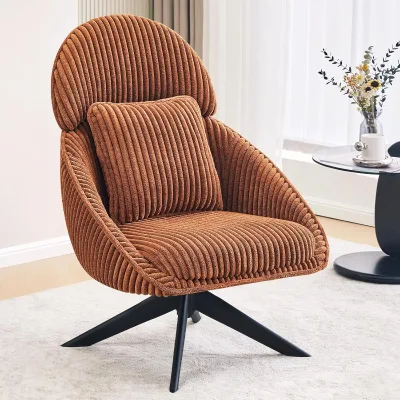


Newest Design Rocker Adjustable Swivel Indoor Armrest Racing Gaming Chair
$38.80 - $39.00
MOQ: 50 Pieces
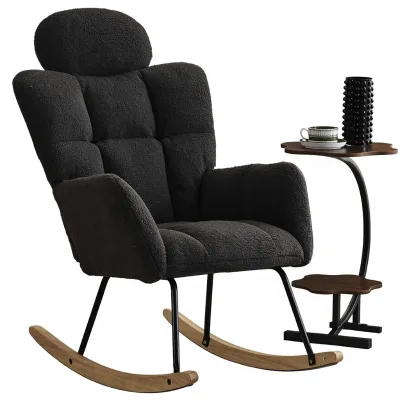
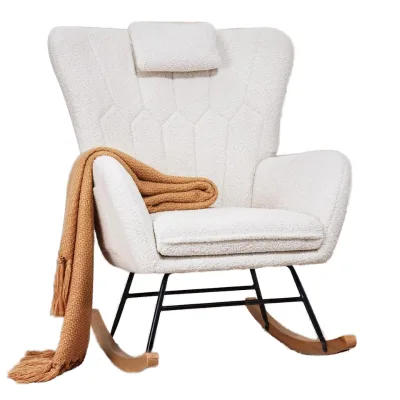
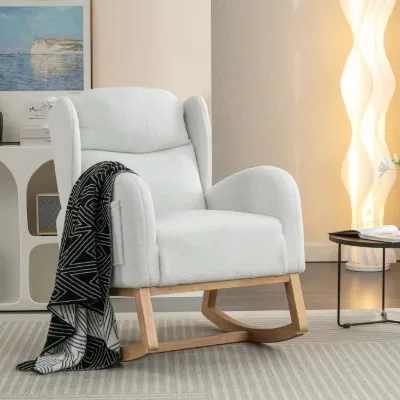


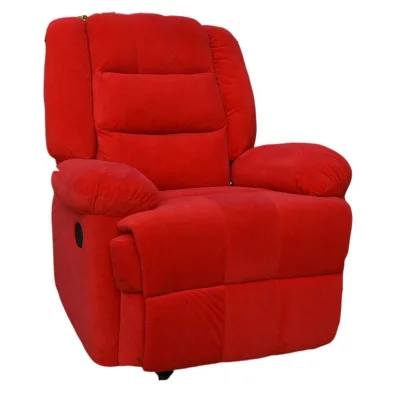
Hot Fabric/Pu Leather Armchair With Foot Rest Multi Functional Velvet Recliner Rocking Chair
$80.00 - $100.00
MOQ: 20 Minimum


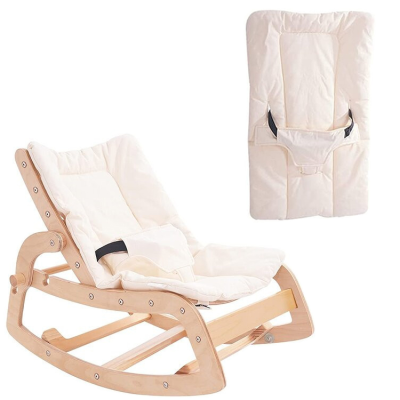

Comprehensive Sourcing Guide
Strategic Sourcing Guide for Voice-Activated Rocker Armchairs in the Global Market
The procurement of specialized furniture, particularly voice-activated rocker armchairs, requires a rigorous approach that balances advanced technological integration with traditional ergonomic and aesthetic standards. While the core keyword suggests a high-tech product, the current market landscape for this category often involves a mix of smart-enabled units and traditional rocking mechanisms that may be mislabeled or require specific verification. Buyers must navigate a complex supply chain where product attributes vary significantly between listings. This guide provides a disciplined framework for sourcing these items, focusing on the verification of technical claims, compliance with international standards, and the evaluation of supplier capabilities based on observable product data.
Technical Specifications and Functional Verification
When sourcing a voice-activated rocker armchair, the primary challenge lies in distinguishing between products that genuinely possess smart capabilities and those that are merely traditional rocking chairs with marketing claims. The supplied product data reveals a diverse range of attributes that buyers must scrutinize. For instance, one listing identifies the product as a "Rocking Chair" with a "Solid Back" and "Wood" legs, featuring a "Modern" appearance and "Fabric" material with "Cotton" cover. Another entry describes a "Contemporary" design with a "Metal" frame, "Powdercoat" finish, and "Padded" back, available in multiple colors including "Black, White, Red, Brown, Grey, Green, Orange."
A critical technical observation is the presence of conflicting feature sets. Some items list "Tilting: Yes" and "Seat Recliner Operating Mode: Handle," while others emphasize "Modular" and "Rocking" features. Crucially, the data explicitly states "Is Electric: No" for certain entries, which directly contradicts the "voice-activated" requirement if the voice feature relies on an electric motor for movement. Buyers must verify whether the voice activation is a standalone smart home integration (e.g., connecting to Alexa or Google Home via a separate module) or if the chair itself is electrically powered. The absence of an "Electric" flag in the provided specifications for some models suggests that a true voice-activated rocking mechanism may not be present in all listings, or the data may be incomplete.
Furthermore, the physical dimensions and packaging data offer essential insights into logistics and installation. Single package sizes range from 81x81x90 cm to 78x73x110 cm, with single gross weights varying between 15.0 kg and 19.0 kg. The filling material is consistently noted as "Foam," and the frame construction varies between "Wood" and "Metal seat frame KD" (Knock-Down). These specifications dictate the shipping method and the structural integrity of the final product. A buyer must ensure that the "KD" frame design aligns with the ease of assembly required for the end-user, especially for commercial applications like hotels or apartments where rapid deployment is necessary.
Compliance and Certification Standards
In the realm of B2B furniture procurement, compliance is not merely a formality but a prerequisite for market access and liability protection. The supplied data highlights "BSCI" (Business Social Compliance Initiative) as a certification present in the product attributes. This indicates that the supplier adheres to specific social responsibility standards regarding labor practices, which is a significant factor for international buyers concerned with ethical sourcing. However, the presence of BSCI does not automatically validate the safety or electrical compliance of a "voice-activated" unit, especially if the voice feature involves internal electronics.
Buyers must verify additional certifications that are not explicitly listed in the provided text but are industry-standard for such products. If the chair includes any electrical components for voice recognition or motorized rocking, it must comply with regional safety standards such as UL (Underwriters Laboratories) in North America, CE (Conformité Européenne) in Europe, or CCC (China Compulsory Certification) for the Chinese market. The data mentions "place of origin: Zhejiang, China," which is a major manufacturing hub, but it does not confirm the specific safety test results for electrical components.
Furthermore, the "Customization: Available" and "Customized: Customized" attributes suggest that suppliers are open to tailoring products. This flexibility must be balanced against the risk of voiding certifications. If a buyer requests a custom color or frame modification that alters the electrical or structural integrity, the original BSCI or safety certifications may no longer apply. Procurement teams should require a statement of conformity for the customized version before finalizing orders. The "Condition: New" attribute is standard but should be verified upon delivery to ensure no refurbished or damaged goods are supplied.
Cost Drivers and Pricing Dynamics
The pricing landscape for voice-activated rocker armchairs is influenced by a complex interplay of materials, technology, and order volume. The observed listed price range in the market data spans from 19.9 to 525 USD. This wide disparity suggests that the "voice-activated" label may be applied to products of vastly different quality tiers, or that the price includes varying levels of smart integration. The lower end of the range likely corresponds to traditional rocking chairs with minimal features, while the higher end may include advanced motorized systems and smart home integration.
Minimum Order Quantity (MOQ) is another critical cost driver. The data shows an MOQ range of 1 to 500 pieces, with specific listings citing 30pcs and 50pcs. For buyers seeking to test the market or fulfill small-scale projects, an MOQ of 1 or 30 pieces offers flexibility but may result in a higher unit cost. Conversely, an MOQ of 500 pieces typically unlocks volume discounts but requires significant capital commitment and storage capacity. The "Selling Units: Single item" attribute indicates that the supplier is willing to sell individual units, which is beneficial for sample procurement but may incur higher logistics costs per unit.
Additional cost factors include the "Single gross weight" and "Single package size." Heavier items with larger dimensions, such as the 19.0 kg unit with a 78x73x110 cm package, will incur higher shipping fees, particularly for air freight. The "mail packing: Y" attribute suggests that some items are packed for direct mailing, which can reduce packaging costs but may offer less protection during transit. Buyers must calculate the total landed cost, including freight, duties, and insurance, rather than relying solely on the FOB or EXW price. The "Customization: Available" option also adds a variable cost, as custom colors, materials, or branding will increase the unit price and potentially the lead time.
Typical Applications and Usage Scenarios
The versatility of rocker armchairs allows them to fit into a wide array of settings, from residential spaces to commercial hospitality venues. The product attributes explicitly list applications such as "Living Room," "Bedroom," "Hotel," and "Apartment." The "general use" is categorized as "Home Furniture," while specific uses include "Living Room Chair," "Study," and "Dining Room." This broad applicability means that buyers must carefully match the product specifications to the intended environment.
For residential use, the "Modern" and "Contemporary" design styles, along with features like "Tufted" backs and "Rocking" mechanisms, align well with current interior design trends. The availability of colors like "Dark Khaki," "Grey," and "Pink" allows for customization to match existing decor. In commercial settings like hotels and apartments, durability and ease of maintenance are paramount. The "Metal" frame with "Powdercoat" finish offers robustness, while the "Foam" filling ensures comfort for guests. The "Function: Relaxtion" attribute highlights the primary utility of the product, making it suitable for lounges, waiting areas, and private suites.
However, the "voice-activated" feature introduces a specific use case: smart home integration. In modern apartments and hotels, the ability to control the chair's rocking motion or recline via voice commands adds a layer of convenience and accessibility. This feature is particularly valuable for elderly users or individuals with mobility issues. Buyers should verify that the voice control system is compatible with the common smart home ecosystems used in the target market. The "Rotary: Fixed" attribute suggests that some models do not swivel, which may limit their suitability for certain dining or study configurations where rotation is desired.
Supplier Evaluation and Sourcing Strategy
Evaluating suppliers for voice-activated rocker armchairs requires a multi-faceted approach that goes beyond price comparison. The "place of origin: Zhejiang, China" indicates a concentration of manufacturing capabilities in this region, known for its furniture industry. However, the presence of multiple model numbers, such as "AL013" and "C06-QP," suggests that different factories or product lines may be involved. Buyers should investigate whether the supplier is a manufacturer or a trading company, as this affects pricing, lead times, and quality control.
The "Customization: Available" attribute is a strong indicator of a supplier's flexibility and technical capability. A supplier that can accommodate custom colors, materials, and branding is likely to have a more robust production line and better quality control processes. However, buyers must also assess the supplier's capacity to handle the "voice-activated" aspect. If the voice feature involves third-party electronics, the supplier should have a proven track record of integrating these components reliably.
The "BSCI" certification is a positive signal regarding social compliance, but it should be verified through the official BSCI database. Buyers should also request references from previous clients, particularly those in the same industry sector (e.g., hotel chains or residential developers). The "MOQ" flexibility, ranging from 1 to 500 pieces, allows buyers to start with small orders to test the product and supplier performance before scaling up. This strategy mitigates risk and ensures that the product meets the buyer's expectations in terms of quality and functionality.
Quality Control and Long-Term Procurement Considerations
Quality control is essential for ensuring that the voice-activated rocker armchairs meet the buyer's standards and perform reliably over time. The "Condition: New" attribute is a baseline requirement, but buyers must implement a rigorous inspection process. This includes checking the structural integrity of the "Wood" or "Metal" frames, the durability of the "Foam" filling, and the smooth operation of the "Rocking" and "Tilting" mechanisms. For voice-activated units, testing the responsiveness of the voice control and the stability of the electrical components is critical.
Long-term procurement considerations involve the availability of spare parts and the supplier's ability to provide after-sales support. The "KD" (Knock-Down) frame design facilitates easier shipping and assembly, but it also requires that the supplier provides clear assembly instructions and replacement parts for any loose or damaged components. The "Package: 1pcs/1ctn" specification suggests that each unit is packed individually, which simplifies inventory management but increases the number of packages to handle.
Buyers should also consider the environmental impact of the products. The "Cotton" cover material is a natural fiber, which is generally more sustainable than synthetic alternatives, but the sourcing of the cotton and the treatment processes should be verified. The "Powdercoat" finish on metal frames is a durable and environmentally friendly option compared to traditional liquid paints. Finally, the "Lead time" and "MOQ" constraints must be factored into the procurement timeline to ensure that the supply chain remains resilient against potential disruptions. By maintaining a proactive approach to quality control and supplier relationship management, buyers can secure a steady supply of high-quality voice-activated rocker armchairs that meet their specific needs.
FAQs
Can I find voice-activated rocker armchairs with BSCI certification?
Yes, some listings include BSCI certification, indicating social compliance standards. However, the provided data explicitly states that certain models are not electric, which may contradict voice-activation requirements. Buyers must verify if the voice feature relies on external modules or internal electronics.
What are the typical dimensions for these armchairs?
Observed package sizes range from 78x73x110 cm to 81x81x90 cm. The single gross weight varies between 15.0 kg and 19.0 kg depending on the frame material. These dimensions are critical for calculating shipping costs and ensuring the furniture fits the intended space.
Which materials are commonly used for the frame and cover?
Frames are constructed from either wood or metal with a powdercoat finish. Covers are typically made of fabric with a cotton composition, while the filling material is consistently foam. These materials support the modern or contemporary design styles observed in the listings.
How does the minimum order quantity affect procurement?
The minimum order quantity ranges from 1 to 500 pieces, with specific listings citing 30 or 50 pieces. Lower MOQs allow for sample testing but may increase unit costs, while higher volumes typically unlock better pricing. This flexibility helps buyers manage initial capital commitments effectively.
Can I customize the color and design of the chair?
Yes, customization is available for colors like dark khaki, grey, pink, and various other options. Customization may also apply to branding or specific material requests. Buyers should confirm that such changes do not void existing certifications like BSCI or alter safety compliance.
Where are these products typically manufactured?
The place of origin is consistently listed as Zhejiang, China, a major furniture manufacturing hub. This location influences lead times and logistics. Buyers should verify if the supplier is a direct manufacturer or a trading company to ensure quality control and pricing accuracy.