Source Self Defense Button Key Chain for Training, Competition, and Gifts
Source Self Defense Button Key Chain options from 30 verified listings. Compare features like USB charging, ABS construction, and customized packaging to find the right fit for personal safety, training drills, or promotional gifts; compare the available evidence and request quotations based on your requirements.
Key considerations
Products List


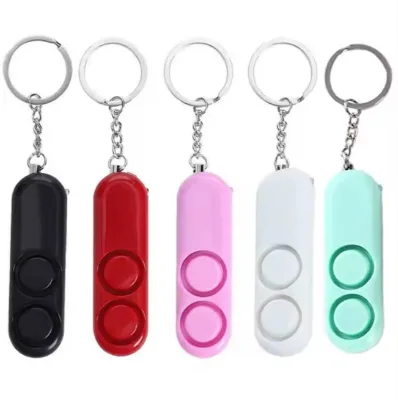


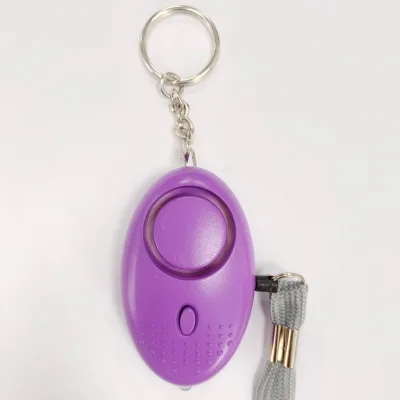
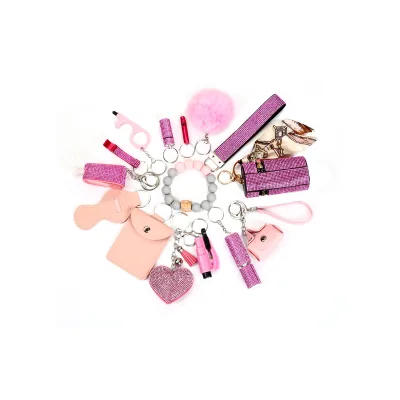


Self-Defenser with Keychain for Lady and Student Defense Safety Self Defense
$0.00 - $0.01
MOQ: 10000 Pieces
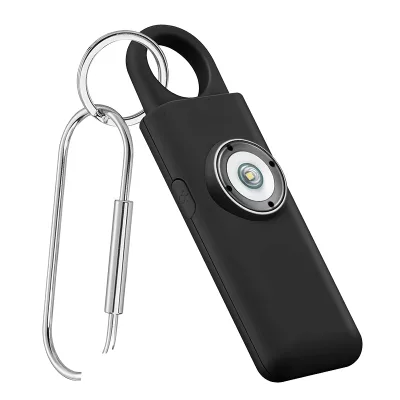


Comprehensive Sourcing Guide
Self Defense Button Key Chain Sourcing Guide
Procuring self-defense button key chains requires a nuanced understanding of the intersection between personal safety tools and promotional merchandise. These compact devices often serve dual purposes, functioning as both a deterrent and a branding opportunity for corporate clients. Buyers must navigate the legal landscape carefully, as regulations regarding self-defense items vary significantly by jurisdiction. The primary challenge lies in sourcing products that are legally compliant in the destination market while maintaining the aesthetic and functional qualities expected in promotional gifts.
The market offers a variety of designs, from simple key rings to more complex electronic devices. Some listings indicate features like LED lighting or pepper spray capabilities, which drastically alter the regulatory classification of the item. Sourcing teams must distinguish between non-electronic metal keychains and electronic devices with USB charging or lightening functions. This distinction is critical for determining shipping requirements, such as lithium battery restrictions, and for ensuring the product meets the specific security needs of the end-user without violating local laws.
Product Scope and Observed Listing Signals
Current market observations reveal a diverse range of products categorized under self-defense key chains, with prices generally observed between zero and twenty USD. This wide price variance often reflects differences in material quality, such as zinc alloy versus plastic, and the inclusion of additional features like LED lights or spray mechanisms. Buyers should note that some listings specify an MOQ of 100 pieces, while others allow for lower quantities, indicating flexibility in production runs. The presence of OEM services suggests that customization is a standard expectation in this category, allowing for brand integration.
Specific product models observed include items labeled with codes like H-765, CROWN-AK01, and CROWN-801, each with distinct specifications. For instance, some devices are described as having ABS lamp bodies and USB charging capabilities, while others are simple metal die-cast items. The usage claims range from training and competition to general self-defense, which can be misleading if not verified. Buyers must scrutinize these claims to ensure the product’s actual function aligns with legal definitions of self-defense tools in their target market, avoiding items that may be classified as weapons rather than safety accessories.
Technical Specifications to Verify
Technical verification begins with confirming the physical dimensions and material composition of the key chain. Listings provide specific measurements, such as L169W45H30 mm for certain electronic models, and length specifications like 14 cm for others. Material types vary from special materials and ABS plastic to zinc alloy, which affects durability and weight. Buyers should request detailed material certificates to ensure the metal alloys used are safe and compliant with international standards for heavy metals, particularly if the product is intended for children or sensitive demographics.
Electrical specifications are another critical area for verification, especially for models claiming USB charging or LED functionality. The absence of electricity in some listings contrasts with others that explicitly mention USB power sources, requiring careful filtering during sourcing. Additionally, features like self-locked covers or waterproof ratings must be validated through independent testing. Buyers should insist on clear diagrams or technical datasheets that outline the internal components, ensuring that any electronic parts are securely housed and do not pose a risk of accidental activation or leakage.
Compliance and Safety Documentation
Legal compliance is the most significant hurdle in sourcing self-defense key chains, as regulations differ widely across countries. Buyers must verify whether the product is classified as a personal safety tool, a promotional item, or a restricted weapon. Some listings mention CE certification, but this should be treated as a low-confidence indicator that requires independent verification. It is essential to confirm that the product does not contain prohibited substances, such as certain types of pepper spray or illegal electronic stun mechanisms, depending on the destination country’s laws.
Documentation should include a thorough declaration of conformity and any relevant safety test reports. For electronic components, buyers should request evidence of electrical safety compliance, such as UL or RoHS standards, even if not explicitly listed. The presence of a QC service in the supplier’s offerings is a positive sign, but it does not replace the need for third-party inspection. Buyers must ensure that all marketing claims, such as "self-defense" or "lightening," are substantiated by technical data to avoid misleading advertising penalties in regulated markets.
Cost Drivers and Commercial Terms
Cost structures in this category are influenced by material choices, customization levels, and order volume. Zinc alloy die-casting and polished surface treatments typically command higher prices than basic plastic or simple metal components. The inclusion of electronic features, such as USB charging or LED lights, adds to the unit cost due to the complexity of assembly and component sourcing. Buyers should analyze the price range of zero to twenty USD to understand the value proposition, noting that lower prices may correlate with reduced durability or fewer features.
Commercial terms, including MOQ and lead times, vary among suppliers. Observed MOQs range from 1 to 10,000 pieces, with some suppliers requiring a minimum of 100 pieces for customization. Lead times are typically estimated at 15-18 days, but this can extend during peak seasons or for complex custom orders. Buyers should negotiate clear terms for packaging, such as OPP bags or cartons, and confirm who bears the cost of shipping and insurance. Understanding these variables helps in budgeting accurately and avoiding unexpected expenses during the procurement process.
Supplier Qualification and Quality Control
Supplier qualification requires a rigorous assessment of their manufacturing capabilities and quality control processes. Buyers should prioritize suppliers who offer OEM services and have a proven track record in producing promotional gifts or safety accessories. The presence of a dedicated QC service is a positive indicator, but buyers must also verify the supplier’s internal quality management systems. Requesting samples is essential to evaluate the build quality, finish, and functionality of the key chain before committing to a large order.
Quality control checks should include visual inspections for surface defects, functional tests for electronic components, and durability assessments for mechanical parts. Buyers should specify acceptance criteria for packaging, ensuring that items are protected against damage during transit. It is advisable to conduct pre-shipment inspections to verify that the final products match the approved samples in terms of material, color, and performance. Establishing a clear communication channel with the supplier for addressing defects or discrepancies is crucial for maintaining quality standards.
Long-Term Procurement Checks
Long-term procurement success depends on continuous monitoring of regulatory changes and market trends. Buyers should stay informed about updates to self-defense laws in their target markets, as these can impact the legality and demand for specific key chain features. Regularly reviewing supplier performance metrics, such as on-time delivery rates and defect percentages, helps in maintaining a reliable supply chain. Building a relationship with multiple suppliers can mitigate risks associated with single-source dependencies and provide flexibility in sourcing.
Sustainability and ethical sourcing are increasingly important considerations for modern buyers. Evaluating suppliers’ environmental practices, such as waste management and energy usage, can enhance brand reputation. Buyers should also consider the lifecycle of the product, including recyclability of materials like zinc alloy and ABS plastic. By integrating these long-term checks into the procurement strategy, buyers can ensure that their sourcing activities remain compliant, efficient, and aligned with corporate social responsibility goals.
FAQs
Can self defense key chains be customized for bulk orders?
Yes, customization is available for these items. Buyers can request specific designs, colors, or packaging options to suit their brand needs. The product supports OEM services, allowing for tailored solutions. This flexibility ensures that promotional gifts or security tools meet exact corporate or personal requirements without compromising on quality or functionality.
What is the typical MOQ for self defense key chains?
The minimum order quantity is typically 100 pieces. This threshold allows buyers to test the market or order small batches for promotional purposes. Orders can scale up to larger quantities depending on production capacity. This MOQ structure supports both small businesses and larger enterprises seeking customized security accessories or branded giveaways.
How long does delivery take for these key chains?
Delivery time is generally 15 to 18 days. This timeframe accounts for production, quality control, and packaging processes. Buyers should plan their procurement schedules accordingly to ensure timely receipt of goods. The lead time is consistent across standard orders, providing predictable logistics for international sourcing and distribution planning.
What materials are used in self defense key chains?
Materials vary by model, including special materials, ABS plastic, and zinc alloy. Some versions feature die-casting processes for durability. The choice of material depends on the specific function, such as self-defense or promotional use. Buyers can select options based on weight, strength, and aesthetic preferences, ensuring the product meets their intended application standards.
Are self defense key chains suitable for adult use?
Yes, these products are designed for adult use. They are unisex and suitable for universal application. The design focuses on practicality and ease of use for personal security. Buyers can rely on these items for everyday carry, ensuring they are accessible and effective for adults seeking a discreet self-defense tool or promotional gift.
What packaging options are available for these key chains?
Packaging includes OPP bags for individual items and cartons for bulk shipping. Customized packaging is also available for specific branding needs. This ensures products are protected during transit and presented professionally upon arrival. Buyers can choose standard or tailored packaging solutions to align with their distribution channels and retail requirements.