Source Waffle Weave Polyester Throw Blanket for Travel Hotel Home
Compare 30 listings of Waffle Weave Polyester Throw Blanket options suitable for travel, hotel, and home use. Buyers can evaluate features like portability, washability, and customization while reviewing prices and MOQs for this blended or chemical fibre blanket.
Key considerations
Products List


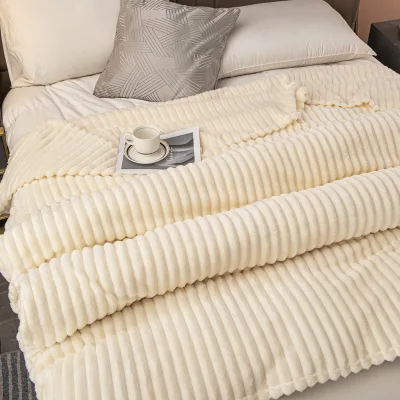


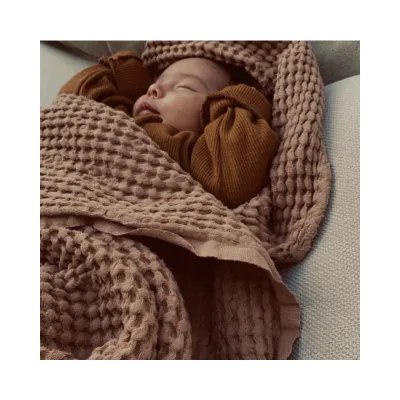
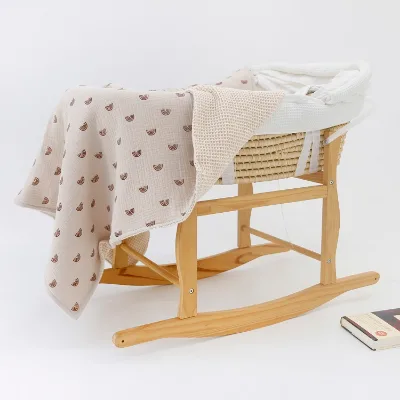
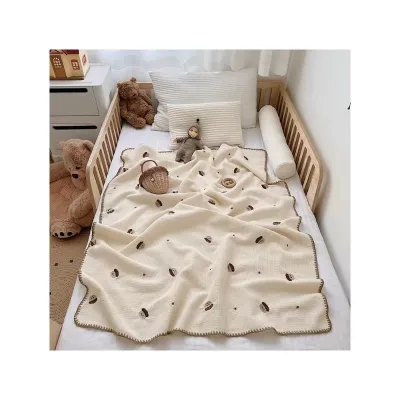


Comprehensive Sourcing Guide
Strategic Sourcing Guide for Waffle Weave Polyester Throw Blankets
The global market for home textiles has seen a significant shift toward versatile, durable, and cost-effective bedding solutions. Among these, the Waffle Weave Polyester Throw Blanket has emerged as a high-demand item for B2B buyers across hospitality, travel, and retail sectors. This guide provides a disciplined, evidence-based approach to sourcing this specific product category. It focuses on technical specifications, material composition, compliance verification, and supplier evaluation strategies derived from current market observations. Buyers must navigate a landscape where product attributes vary significantly between listings, requiring rigorous due diligence to ensure the final procurement matches operational needs.
Technical Specifications and Material Composition
Understanding the technical definition of a waffle weave throw is the first step in successful sourcing. The term "waffle weave" refers to a specific knitting or weaving pattern that creates a grid-like texture, similar to a waffle, which enhances breathability and texture. While the core keyword specifies "polyester," the actual market data reveals a complex mix of material compositions. Buyers must verify the exact fiber content for each potential supplier, as listings often cite "Polyester," "Cotton," or "Polyester / Cotton" blends.
The production method is equally critical. Observations indicate the existence of both "Stitch Knitting" and "Machine Weaved" techniques. For a waffle texture, the knitting method determines the depth and durability of the pattern. A "Machine Weaved" construction often implies a tighter, more durable fabric suitable for high-traffic commercial use, whereas "Stitch Knitting" might offer a softer hand feel but potentially different longevity.
Standard dimensions are a frequent point of variation in the market. While some suppliers list specific standard sizes such as 105x150cm or 150x200cm, others offer fully customized dimensions. The weight of the product is another key specification; observed data points to a weight of approximately 380g for certain models, which serves as a benchmark for medium-weight throws. However, buyers should not assume all waffle weave polyester throws share this weight. The "Type" of blanket also varies, ranging from "Chemical Fibre Blanket" to "Blended Blanket," which directly impacts the care instructions and performance characteristics.
Compliance, Certification, and Safety Standards
In the B2B procurement of textiles, compliance is non-negotiable. While the keyword focuses on the physical product, the regulatory environment surrounding polyester and blended fabrics is stringent. Buyers must verify that suppliers adhere to relevant safety standards, particularly regarding chemical usage and flammability.
One specific standard often associated with textile safety is OEKO-TEX. Although this is noted in background knowledge rather than a confirmed attribute of every listed product, it represents a critical verification point for buyers. A blanket intended for use in hospitals, hotels, or for children requires rigorous testing for harmful substances. Buyers should explicitly request test reports confirming compliance with OEKO-TEX or equivalent regional standards (such as CPSIA in the US or REACH in Europe) before finalizing an order. Do not rely on a supplier's general claim of "quality"; demand documented proof of chemical safety.
Furthermore, the "Feature" attributes listed in market data, such as "Fireproof," "Waterproof," or "Anti-Pilling," require specific validation. If a supplier claims a blanket is fireproof, the buyer must request the specific test standard (e.g., CAL 117, NFPA 701) against which the product was tested. Similarly, "Waterproof" claims for a polyester throw should be backed by hydrostatic head test results. Without these specific data points, such features remain unverified marketing claims rather than guaranteed product specifications.
Cost Drivers and Pricing Dynamics
The pricing of waffle weave polyester throw blankets is influenced by several distinct factors. The observed price range in the market spans from 1.5 to 11.72 USD, a wide variance that reflects differences in material quality, production complexity, and order volume. The primary cost driver is the material composition. A 100% polyester blanket typically costs less than a blended option containing cotton, due to the lower raw material cost of synthetic fibers. However, high-quality polyester with specific finishes (like anti-pilling treatments) can command a premium.
Production time and customization also heavily impact the final cost. The observed production time for standard items is around 10 days. However, if a buyer requires "Customized" patterns, logos (such as "Embroidery"), or specific dimensions, the lead time and unit cost will increase. The "Customization" attribute is available across many listings, but the extent of customization varies. Adding a logo via embroidery or creating a unique "Racking Pattern" requires additional setup and labor, which suppliers factor into the price.
Minimum Order Quantity (MOQ) is another critical cost determinant. The market shows an MOQ range from 1 to 1000 units. Buyers seeking small batches may face a higher per-unit cost due to the inefficiencies of small-scale production runs. Conversely, orders near the 1000-unit threshold often benefit from economies of scale. The "Payment" terms, such as "Tt" (Telegraphic Transfer), and the availability of samples also influence the financial planning of the procurement. Buyers should negotiate payment terms that align with their cash flow, especially when dealing with custom orders that require upfront material procurement.
Typical Applications and Usage Scenarios
The versatility of the Waffle Weave Polyester Throw Blanket makes it suitable for a diverse range of applications. The observed "Usage" attributes highlight several key sectors. The hospitality industry is a primary market, with blankets frequently used in "Hotel," "Airplane," and "Travel" contexts. In these environments, the "Portable" feature is essential, allowing for easy storage and transport. The "Anti-Pilling" feature is particularly valuable here, as frequent washing and handling can degrade lower-quality fabrics.
The healthcare sector is another significant application area. Listings explicitly mention "Hospital" and "Bath" usage. In these settings, the "Washable" attribute is paramount. The data indicates that many blankets are "Machine Hand Washable," which simplifies the laundering process for facilities. Additionally, some products are described as "Disposable," suggesting a specific use case for single-use or short-term hygiene requirements in medical or emergency situations.
For the retail and home markets, the "Home," "Picnic," and "Spring and Autumn" attributes indicate seasonal and lifestyle usage. The "Plain" or "Plain Color" patterns are popular for general home use, while "Customized" colors and "Racking Pattern" designs cater to specific interior design trends. The "Design" attribute, described as "Classic," suggests a timeless appeal that fits well in long-term retail inventories. Buyers should match the product's specific features to the intended environment; for example, a "Waterproof" blanket is ideal for outdoor "Picnic" use, while a "Wearable" blanket might be marketed as a fashion accessory for travel.
Supplier Evaluation and Quality Control
Selecting the right supplier requires a multi-faceted evaluation process. The "prod_origin" data indicates that many suppliers are based in "Jiangsu" or generally "China," a major hub for textile manufacturing. However, location alone does not guarantee quality. Buyers must assess the supplier's production capabilities, specifically their ability to maintain the "Waffle Weave" structure consistently.
Quality control should begin with the "Sample" stage. Most suppliers support sample requests, which is a critical step for verifying the "Pattern," "Weight," and "Material" claims. Buyers should physically inspect samples for pilling resistance, color fastness, and the integrity of the waffle texture. The "prod_packing" method, such as "OPP Bag+Carton" or "Standard Export Packing," also reflects the supplier's attention to detail. Poor packaging can lead to product damage during transit, negating the quality of the manufacturing.
When evaluating suppliers, buyers should verify their "Customization" capabilities. Can they handle "Embroidery" logos? Do they offer "Customized" sizes and colors? The ability to provide "Standard Export Packing" and handle "Carton" shipments efficiently is a sign of a mature operation. Furthermore, the "Production Time" of 10 days should be treated as a baseline; any deviation due to customization or material sourcing issues must be communicated clearly.
Long-Term Procurement Considerations
Sourcing waffle weave polyester throw blankets is not a one-time transaction but a long-term relationship management exercise. Buyers must consider the lifecycle of the product, including maintenance and replacement cycles. The "Washable" attribute ensures longevity, but the frequency of washing in commercial settings (like hotels) will eventually degrade the fabric. Buyers should calculate the expected lifespan of the blanket based on the "Anti-Pilling" and "Machine Weaved" qualities to determine the optimal reorder schedule.
Sustainability is an increasingly important factor in long-term procurement. While the material is "Polyester," which is a synthetic fiber, buyers should inquire about the source of the polyester. Is it virgin or recycled? Although not explicitly stated in the provided data, this is a critical question for modern B2B buyers aiming to meet corporate sustainability goals. Additionally, the "Customized" nature of many orders allows for brand alignment, which can enhance customer loyalty in the hospitality and retail sectors.
Finally, supply chain resilience is key. Relying on a single supplier for "Customized" products can be risky. Buyers should diversify their supplier base to mitigate risks associated with production delays or material shortages. The "MOQ" flexibility observed in the market (1 to 1000) allows for a hybrid strategy: maintaining a core inventory with a low-MQ supplier for emergency replenishment while utilizing a high-volume supplier for seasonal bulk orders. By focusing on these long-term factors, buyers can secure a stable supply of high-quality waffle weave polyester throw blankets that meet both current operational needs and future strategic goals.
FAQs
What materials are used for waffle weave polyester throw blankets?
Materials include 100% polyester, cotton, or polyester cotton blends. Buyers must verify the exact fiber content as listings vary between chemical fiber and blended options.
Which knitting methods are used for these blankets?
Production uses either stitch knitting or machine weaving techniques. The chosen method affects the texture depth and durability suitable for high-traffic commercial environments.
What are the standard dimensions available for these throws?
Standard sizes include 105x150cm and 150x200cm. Customized dimensions are also available upon request to meet specific operational needs.
How long does production take for standard orders?
Standard production time is approximately 10 days. Customized orders with specific logos or patterns may require additional lead time beyond this baseline.
Can these blankets be customized with logos?
Yes, customization is available including embroidery for logos. Buyers should confirm specific design requirements and associated costs before placing bulk orders.
What are the typical usage scenarios for these blankets?
Usage covers travel, hospitals, hotels, homes, and airplanes. Features like portability and anti-pilling make them suitable for hospitality and healthcare sectors.
Are these blankets machine washable?
Most models are machine or hand washable. This feature simplifies maintenance for facilities requiring frequent laundering in commercial or home settings.