Source Wall Mount Composite Bicycle Rack for Garage, Gym, and Apartment
Find and compare 30 wall mount composite bicycle rack options for indoor storage. These steel racks feature hot-galvanized finishes and adjustable designs to secure bikes in garages, gyms, or apartments efficiently; compare the available evidence and request quotations based on your requirements.
Key considerations
Products List


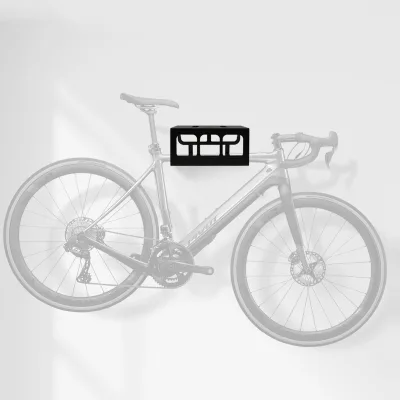


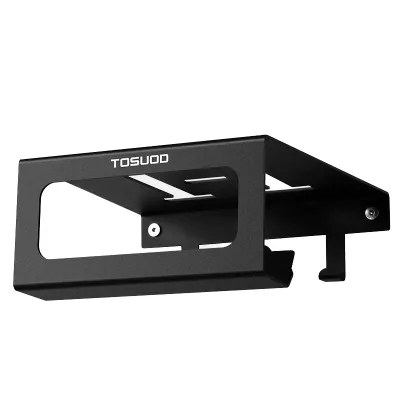
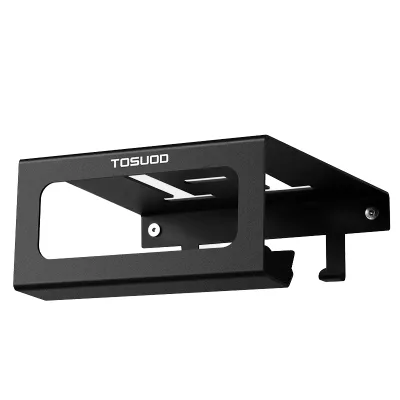
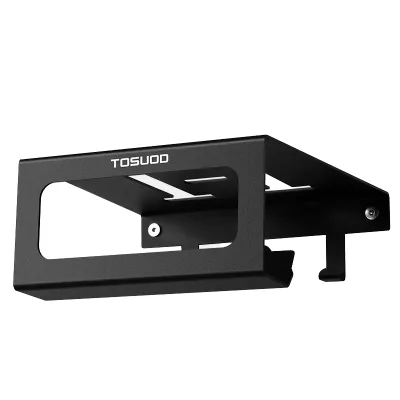
Comprehensive Sourcing Guide
Wall Mount Composite Bicycle Rack Sourcing Guide
Procurement teams must first distinguish between wall-mounted bike racks and heavy-duty industrial pallet racking systems, as the supplied data reveals a mix of product types under similar search terms. While the core keyword targets wall-mounted solutions for indoor storage, the observed listings include gate-type frames and warehouse racks designed for industrial tools and beverages. Buyers should verify that the specific product model, such as PV-0092-01, aligns with the intended application of indoor bike storage rather than general warehouse inventory management.
The observed product attributes indicate a strong focus on steel construction with finishes like hot-dip galvanization to ensure durability in various environments. However, the data also lists materials including reinforced concrete and varying structural types like semi-closed or open racks, which are unsuitable for standard wall mounting. Sourcing strategies must prioritize filtering for the "Wall Bike Rack" designation and "Double Post" design to avoid purchasing oversized industrial racking systems that exceed the load capacity of typical building walls.
Product Scope and Observed Listing Signals
Buyers should scrutinize the listed dimensions and weight capacities to ensure compatibility with their specific facility constraints. The observed specifications include a size of 212mm by 317mm by 104mm for certain models, while others list varying heights up to 5 meters. It is critical to confirm that the selected unit, such as the one with a base size of 310×70×15mm, fits the intended wall space and can support the weight of the bicycles without requiring structural reinforcement beyond standard commercial building codes.
The packaging and shipping data reveal significant variations in logistics requirements, ranging from single units in bubble bags to large wooden cases or pallets. Some listings specify a net weight of 0.6kg, while others describe units weighing up to 150kg, indicating a wide disparity in product scale. Procurement teams must calculate freight costs based on the specific model's packaging dimensions, such as the 860280385mm carton for two pieces, to prevent unexpected shipping expenses that could erode the initial price advantage.
Technical Specifications to Verify
Technical due diligence requires confirming the exact material composition and surface treatment processes to guarantee long-term performance. The supplied facts highlight steel as the primary material, with optional finishes including hot-dip galvanization, powder coating, or a durable black epoxy coated finish. Buyers must explicitly request test data or material certificates to verify that the "Hot-Galvanized" treatment meets the corrosion resistance standards required for the specific humidity or temperature conditions of the installation site.
Installation requirements and mobility features are equally critical for operational success, as the data presents both fixed and adjustable configurations. While some models are designed for outdoor installation with a manual parking working mode, others are strictly for indoor use with a semi-closed structure. Procurement teams must verify the mounting hardware specifications and ensure the "Wall Mounted Bike Stand Racks" are compatible with the wall substrate, distinguishing them from the "Fixed" mobility options intended for floor-standing industrial applications.
Compliance and Safety Documentation
Safety compliance is paramount when selecting storage solutions that will bear dynamic loads from bicycles. The observed listings cite certifications such as CE, ISO, and CCC, which are essential for verifying that the manufacturing processes meet international safety and quality benchmarks. Buyers should request valid, current copies of these certificates for the specific batch being ordered, ensuring that the "Double Post" design and load-bearing claims have been independently validated by a recognized testing body.
Quality assurance documentation must also address the warranty terms and after-sales support mechanisms provided by the supplier. The data indicates a standard 12-month warranty period and confirms the availability of after-sales service, which serves as a critical risk mitigation tool for procurement teams. It is advisable to include specific clauses in the purchase agreement that define the scope of warranty coverage, particularly regarding structural integrity and finish degradation, to ensure recourse is available if the product fails to meet the agreed-upon performance standards.
Cost Drivers and Commercial Terms
Pricing structures for these products vary significantly based on material volume, finishing complexity, and order quantity. The observed price range spans from 0.6 to 139 USD, reflecting the difference between lightweight single units and heavy-duty industrial racks. Buyers must analyze the cost per unit against the total order volume, considering that the Minimum Order Quantity (MOQ) can range from 1 to 1000 pieces, which directly impacts the unit economics and overall budget allocation for the project.
Commercial terms regarding lead times and sample availability play a vital role in supply chain planning and inventory management. The data specifies a sample time of 3-5 days, allowing for rapid prototyping and quality verification before full-scale production. However, procurement teams must clarify the lead time for bulk orders, as the transition from sample approval to mass production can introduce delays. Negotiating clear delivery schedules and penalty clauses for late shipments is essential to maintain operational continuity.
Supplier Qualification and Quality Control
Supplier qualification should focus on verifying the manufacturing origin and production capabilities to ensure consistent quality. The supplied facts indicate that products originate from Suzhou, Jiangsu, China, a region known for steel fabrication, but buyers must confirm the specific factory's capacity to handle customizations and maintain strict quality control protocols. Requesting a facility audit or video tour can provide insight into the production line's ability to execute the "Hot-DIP Galvanized" and "Powder Coating" processes to the required specifications.
Quality control procedures must be established to verify that the final product matches the approved samples and technical drawings. The data mentions that customization is available, which introduces variability that must be managed through rigorous inspection protocols. Buyers should implement a pre-shipment inspection plan that checks for dimensional accuracy, such as the 269.511.8cm standard, and verifies the integrity of the "Gate-type Frame" or "Rack" structure to prevent defects from reaching the installation site.
Long-Term Procurement Checks
Long-term procurement success depends on establishing a robust relationship with suppliers who can provide consistent after-sales support and spare parts. The availability of after-sales service is a key indicator of supplier reliability, but buyers must define the response time and scope of support in the contract. Ensuring that the supplier can provide replacement parts or technical assistance for the "Wall Bike Rack" over the product's lifecycle is crucial for maintaining the functionality of the storage system.
Continuous monitoring of product performance and market trends is necessary to adapt procurement strategies to changing needs. Buyers should track the performance of the installed units, noting any issues with the "Hot-Galvanized" finish or structural stability, and use this data to inform future purchasing decisions. Regularly reviewing supplier performance against the agreed-upon standards, such as ISO9001:2008, ensures that the supply chain remains resilient and capable of meeting evolving storage requirements.
FAQs
What is the material composition of the wall mount composite bicycle rack?
The wall mount composite bicycle rack is primarily constructed from steel, with some variants incorporating reinforced concrete for added stability. This combination ensures durability and strength for indoor bike storage applications. The steel components are often finished with hot-dip galvanized or powder-coated surfaces to resist corrosion and wear over time.
Can the wall mount composite bicycle rack be customized for specific needs?
Yes, customization is available for the wall mount composite bicycle rack to meet specific project requirements. Buyers can request adjustments to dimensions, finishes, or structural designs. The supplier offers flexible options to tailor the product to particular spatial constraints or aesthetic preferences, ensuring a perfect fit for various indoor or outdoor environments.
What certifications does the wall mount composite bicycle rack hold?
The wall mount composite bicycle rack holds CE, ISO, and CCC certifications, ensuring compliance with international quality and safety standards. These certifications verify that the product meets rigorous manufacturing and performance criteria. Buyers can rely on these credentials for assurance of quality, safety, and regulatory compliance in various global markets.
How is the wall mount composite bicycle rack packaged for shipping?
The wall mount composite bicycle rack is packaged in 1PC bubble bags within cartons, with larger orders shipped in wooden cases or steel pallets. This packaging method protects the product from damage during transit. The specific packaging dimensions and weight are optimized for efficient logistics and handling, ensuring safe delivery to the buyer's location.
What is the sample time for the wall mount composite bicycle rack?
The sample time for the wall mount composite bicycle rack is typically 3-5 days. This allows buyers to evaluate the product quality and specifications before placing a bulk order. The quick turnaround ensures that procurement decisions can be made efficiently, minimizing delays in the sourcing process and accelerating project timelines.
What is the warranty period for the wall mount composite bicycle rack?
The wall mount composite bicycle rack comes with a 12-month warranty, providing coverage for manufacturing defects and structural integrity issues. This warranty period ensures buyer confidence in the product's durability and performance. After-sales service is also available to address any concerns or maintenance needs that may arise during the warranty period.