Source Wall Mounted Concealed Flush Tank for Bathrooms, Hotels, Offices
Explore 30 options for the Wall Mounted Concealed Flush Tank suitable for residential bathrooms, commercial hotels, and public restrooms. Buyers can compare stainless steel tanks, double pressing valves, and varying button diameters to find the right fit.
Key considerations
Products List

Wall Mounted Dual Flush Concealed Wc Cistern Tank Plastic Water Storage Toilet Tank
$41.00 - $43.00
MOQ: 100 Pieces


Dual Flush Concealed Cistern Fit with Many Flush Plate in-Wall Toilet Flush Tank
$33.00 - $36.00
MOQ: 100 Pieces






Comprehensive Sourcing Guide
Strategic Sourcing Guide for Wall Mounted Concealed Flush Tanks
Understanding Technical Architecture and Configuration
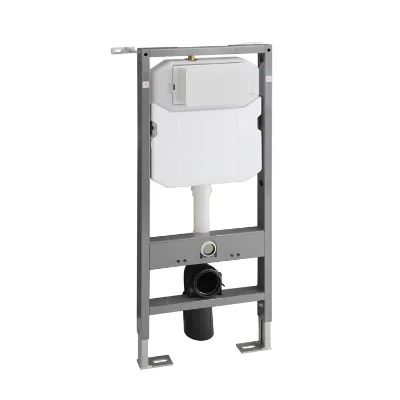
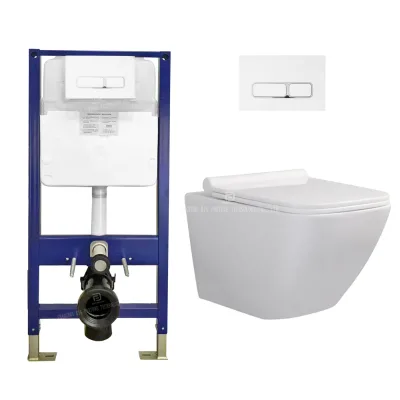
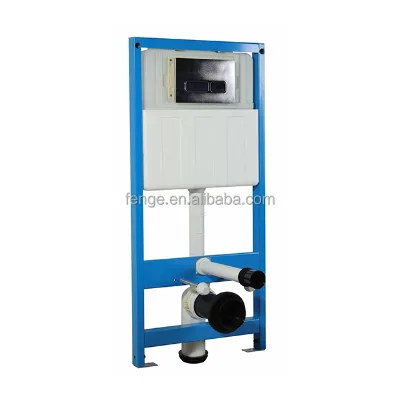
When sourcing wall-mounted concealed flush tanks, the primary technical distinction lies in the structural integration and the mechanism of the flushing system. The market offers distinct configurations, primarily categorized by how the cistern is assembled and how the water is released. Buyers must differentiate between two-piece and one-piece structures, as this dictates the installation complexity and the aesthetic finish of the final bathroom fixture.
A two-piece structure typically involves a separate cistern body and a flush panel or button mechanism that is mounted on the wall. This configuration often allows for greater flexibility in the placement of the flush button and can simplify the replacement of individual components if a failure occurs. In contrast, a one-piece structure integrates the cistern and the flush mechanism into a single, unified unit, which may offer a more streamlined appearance but requires precise alignment during the concealed installation phase.
The operation of the flush is another critical technical variable. The supplied data indicates the existence of systems utilizing a "Double Pressing" or "Double-Button Type" drain valve. This mechanism is essential for water conservation, allowing the user to select between a partial flush (typically 3 liters) and a full flush (typically 6 liters). The volume capacity of the tank is a fixed specification that must be verified against local plumbing codes and water efficiency requirements. While some units are specified with a 3L/6L volume, others may vary, and the buyer must confirm the exact capacity before finalizing an order.
The physical dimensions of the unit are equally important for the concealed installation process. The standard dimensions observed in the market can vary significantly, with some units measuring approximately 1120mm in length, 520mm in width, and 110mm in depth, while others may follow different profiles such as 460mm by 80mm by 1140mm. The hole spacing for the mounting bolts is a crucial measurement for compatibility with existing wall frames. Specifications indicate a hole spacing range of 180mm to 230mm, which buyers must match against their construction plans to ensure the tank fits the intended wall cavity.
Furthermore, the inlet valve location determines the plumbing layout. Most modern concealed tanks utilize a bottom inflow or back inlet design, which allows for a cleaner installation where water supply lines are hidden behind the wall. The position of the flush button, whether it is a top button, front button, or a trip lever located at the top, affects user ergonomics and the visual design of the bathroom. The button diameter is another specification that varies, with observed sizes ranging from 50mm to 70mm, influencing the tactile feel and visual proportion of the flush panel.
Compliance, Certification, and Regulatory Standards
Navigating the regulatory landscape is a non-negotiable aspect of sourcing sanitary ware, particularly for concealed units that are often subject to strict building codes. The certification status of a product serves as the primary indicator of its compliance with international safety and quality standards. The supplied product data highlights a robust array of certifications, including CE, UPC, CUPC, COC, ISO, and specific regional marks such as Watermark and NF.
The CE mark indicates conformity with health, safety, and environmental protection standards for products sold within the European Economic Area. For buyers targeting the European market, this is a baseline requirement. However, the presence of additional certifications like UPC (Uniform Plumbing Code) and CUPC (Canadian Uniform Plumbing Code) suggests that the product may be suitable for North American markets, where specific pressure and flow rate standards apply. The COC (Certificate of Conformity) and ISO certifications, including ISO9001, further validate the manufacturer's quality management systems and production consistency.
Regional certifications are particularly critical. The Watermark certification is a mandatory requirement for plumbing products in Australia and New Zealand, ensuring that the product does not contaminate the water supply and meets local durability standards. Similarly, the NF mark is relevant for the French market. Buyers must verify that the specific model they intend to purchase holds the certifications required for their target jurisdiction. Relying on a product with a CE mark alone may be insufficient for a project in Australia or Canada, where local compliance is strictly enforced.
Beyond certifications, the material composition of the tank is a key factor in regulatory compliance. The standard material identified is stainless steel, which offers superior resistance to corrosion and ensures the longevity of the concealed unit. This material choice is often mandated by health regulations to prevent bacterial growth and ensure water purity. The surface finish, often chrome, white, black, or stainless steel (SS), must also be durable enough to withstand the humid environment of a bathroom without degrading, which is a common requirement in building codes regarding hygiene and maintenance.
Cost Drivers and Pricing Dynamics
The pricing of wall-mounted concealed flush tanks is influenced by a complex interplay of factors, including material quality, certification breadth, and customization capabilities. The observed price range in the market spans from 1 USD to 235 USD, a variance that reflects the difference between basic components and fully integrated, high-specification units.
The primary cost driver is the material and construction quality. Units constructed from high-grade stainless steel with a durable chrome finish will command a higher price point compared to those with standard finishes or alternative materials. The complexity of the flushing mechanism also impacts cost. A double-pressing valve system that offers precise water volume control (3L/6L) is generally more expensive than a single-flush mechanism due to the engineering involved in the valve assembly.
Certifications represent another significant cost factor. Products that carry a comprehensive suite of international certifications (CE, UPC, CUPC, Watermark, NF) often incur higher production and testing costs, which are passed on to the buyer. However, these costs are often justified by the reduced risk of non-compliance and the ability to sell the product in multiple global markets.
Customization is a major variable in pricing. The data indicates that many suppliers offer OEM and ODM services, allowing buyers to customize the size, button location, and panel color. Customized sizes and specific color finishes (Chrome, White, Black, SS) typically increase the unit cost and may require a higher Minimum Order Quantity (MOQ). The standard MOQ observed ranges from 10 pieces to 1000 pieces, with smaller orders often carrying a premium per unit.
The packaging and logistics also contribute to the final cost. Products packed in brown or color boxes with specific poly-bagging requirements may have different shipping costs compared to bulk-packed items. The weight of the unit, observed at approximately 15.2kg, affects freight charges, especially for air freight or expedited shipping options. Buyers should request detailed breakdowns of costs to understand how much of the price is attributed to the product itself versus packaging, certification, and logistics.
Typical Applications and Usage Scenarios
Wall-mounted concealed flush tanks are designed for a wide range of applications, from residential bathrooms to high-traffic public facilities. The versatility of these units makes them a popular choice for modern architectural designs that prioritize clean lines and hidden plumbing.
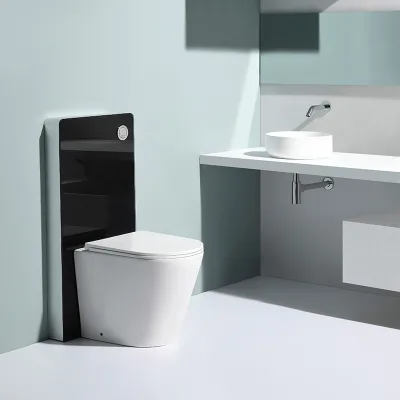
In residential settings, these tanks are ideal for luxury apartments and custom homes where the aesthetic of the bathroom is paramount. The concealed nature of the tank allows for a seamless integration with the wall, creating a minimalist look that is highly sought after in contemporary interior design. The double-pressing flush mechanism is particularly beneficial in residential applications where water conservation is a priority, allowing homeowners to reduce water usage for liquid waste.
For commercial and public applications, the durability and reliability of the tank are critical. The data specifies that certain models are designed for "Public Toilet" usage, indicating that they are built to withstand frequent operation and potential misuse. The stainless steel construction and robust double-pressing valves are essential for these high-traffic environments. The 5-year warranty observed in some product listings suggests a level of confidence in the product's durability, which is a key consideration for facility managers and building owners who need to minimize maintenance costs.
The wall-mounted design also offers advantages in terms of accessibility and cleaning. By elevating the tank off the floor, it eliminates hard-to-reach corners where dirt and bacteria can accumulate. This is particularly important in healthcare facilities, schools, and public restrooms where hygiene is a top priority. The ability to customize the button location (top, front, or side) allows designers to accommodate specific accessibility requirements, such as placing the flush button at a height suitable for wheelchair users.
Supplier Evaluation and Sourcing Strategy
Selecting the right supplier is crucial for ensuring the quality and reliability of the concealed flush tanks. The sourcing strategy should begin with a thorough evaluation of the supplier's capabilities, particularly their experience with OEM and ODM services. The data indicates that many suppliers accept OEM and ODM requests, which is a positive sign of their flexibility and manufacturing maturity.
Buyers should verify the supplier's production capacity and lead times. The observed delivery time is typically within 30 days of payment, which is a standard timeframe for international manufacturing. However, buyers should confirm if this timeline includes the sample production phase, which can take 5 to 10 days. For large orders, the supplier's ability to scale production without compromising quality is a key factor.
The origin of the product is another important consideration. The data points to production origins in Chaozhou and Fujian, China, which are well-known hubs for sanitary ware manufacturing. These regions have established supply chains and a high concentration of skilled labor, which can lead to competitive pricing and high-quality output. However, buyers should still conduct due diligence to ensure that the specific factory meets their quality standards.
Quality control processes should be a central part of the supplier evaluation. Buyers should inquire about the supplier's testing protocols, particularly regarding the water pressure and flow rate of the flush mechanism. While specific test results are not provided in the data, a reputable supplier should be able to demonstrate their commitment to quality through their certifications and quality management systems (e.g., ISO9001).
Finally, buyers should assess the supplier's customer service and after-sales support. The 5-year warranty mentioned in the product data is a strong indicator of the supplier's confidence in their product. However, buyers should clarify the terms of the warranty, including what is covered and the process for making a claim. A supplier that offers responsive support and clear warranty terms is more likely to be a reliable long-term partner.
Quality Control and Long-Term Procurement Considerations
Ensuring the long-term performance of wall-mounted concealed flush tanks requires a proactive approach to quality control and procurement planning. The hidden nature of these units means that any failure can result in significant repair costs and disruption, making it essential to prioritize quality from the outset.
Quality control should begin at the factory level. Buyers should request detailed specifications for the materials used, particularly the grade of stainless steel and the quality of the flushing valves. The surface finish, whether chrome or other colors, should be tested for durability and resistance to corrosion. The button diameter and mechanism should be tested for smooth operation and resistance to wear and tear.
For long-term procurement, buyers should consider the availability of spare parts. The double-pressing valve and the flush button are the most likely components to require replacement over time. A supplier that offers a comprehensive range of spare parts and has a reliable supply chain for these components is essential for minimizing downtime.
The customization options available from suppliers can also play a role in long-term procurement. By selecting a supplier that offers flexible customization, buyers can ensure that the products they purchase are tailored to their specific needs, reducing the risk of compatibility issues and future modifications.
Finally, buyers should establish a clear communication channel with their suppliers for ongoing support. Regular updates on product improvements, changes in certifications, and new models can help buyers stay ahead of market trends and ensure that their procurement strategy remains aligned with their project requirements. By focusing on these long-term considerations, buyers can secure a reliable supply of high-quality concealed flush tanks that meet their needs for years to come.
Comparative Analysis of Key Product Attributes
To assist buyers in making informed decisions, the following table summarizes the key attributes observed in the market for wall-mounted concealed flush tanks. This comparison highlights the variations in specifications that buyers should consider when evaluating different products.
| Attribute | Observation A | Observation B | Observation C |
|---|---|---|---|
| Structure | Two Piece | One Piece | N/A |
| Drain Valve | Double Pressing | Double-Button Type | N/A |
| Inlet Valve | Bottom Inflow | Bottom Inlet | Back Inlet |
| Button Diameter | 50MM | 60MM | 70MM |
| Volume | 3L/6L | N/A | N/A |
| Certification | CE | CE, UPC, CUPC, COC, ISO | CE, Watermark, NF, ISO9001 |
| Origin | Chaozhou | Fujian, China | N/A |
| Hole Spacing | 180-230mm | N/A | N/A |
| Warranty | 5 Year | N/A | N/A |
| MOQ | 10PCS | 1-1000 | N/A |
| Surface Finish | Chrome | Chrome, White, Black, SS | N/A |
| Sample Time | 5-7 days | 5-10 days | N/A |
| Delivery Time | Within 30 days | N/A | N/A |
This table illustrates the diversity of options available in the market. Buyers should carefully match these attributes to their specific project requirements, ensuring that the selected product meets all technical, regulatory, and aesthetic criteria. By understanding these variations, buyers can make more informed decisions and secure the best value for their investment.
FAQs
What certifications are required for wall mounted concealed flush tanks?
Products typically carry CE, UPC, CUPC, and Watermark certifications for global compliance. Buyers must verify specific regional marks like NF for France or ISO9001 for quality management before ordering.
Which structure types are available for wall mounted concealed flush tanks?
Both two-piece and one-piece structures are available in the market. Two-piece units separate the cistern from the flush panel, while one-piece units integrate them into a single unified body.
How is the flush volume controlled in these concealed tanks?
The system uses a double-pressing or double-button drain valve to control volume. This mechanism allows users to select between a 3-liter partial flush and a 6-liter full flush.
Can I customize the size and button location for this product?
Yes, OEM and ODM services are provided to customize size, button location, and panel color. Buyers can specify dimensions like 1120mm or request top, front, or side button placements.
What is the typical lead time for wall mounted concealed flush tanks?
Delivery time is typically within 30 days after payment is received. Sample production requires 5 to 10 days, and the minimum order quantity can range from 10 to 1000 pieces.
Where are these tanks manufactured and what is the material?
Manufacturing origins include Chaozhou and Fujian, China, using stainless steel for the tank. The standard weight is approximately 15.2kg, and the surface finish is often chrome, white, black, or stainless steel.