Source Wall Mounted Ceiling Shelving for Office, Warehouse, and Shop
Find 30 Wall Mounted Ceiling Shelving options from suppliers in China and Guangdong. Compare specifications including material, size, and customization for office, warehouse, and shop applications.
Key considerations
Products List


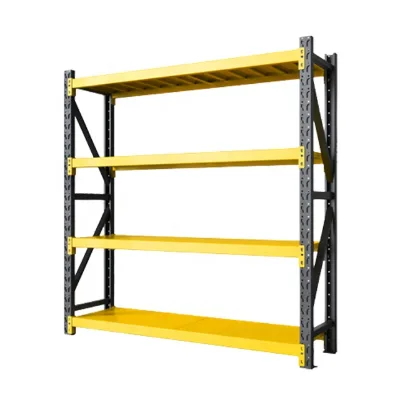
Metal Heavy Duty Home Garage Wall Shelf Metal Ceiling Hanging Shelving
$12.00 - $13.00
MOQ: 100 Pieces




Comprehensive Sourcing Guide
Wall Mounted Ceiling Shelving Sourcing Guide
Sourcing wall-mounted ceiling shelving requires a nuanced understanding of structural integrity, load-bearing capacity, and installation complexity. Unlike freestanding units, these systems transfer weight directly to the wall structure, making the verification of mounting hardware and wall composition the most critical step in the procurement process. Buyers must distinguish between decorative storage solutions and heavy-duty industrial racks, as the engineering requirements for each vary significantly. This guide provides a structured approach to evaluating suppliers, verifying technical specifications, and ensuring long-term reliability for both commercial and residential applications.
The market for wall-mounted and ceiling-integrated storage is diverse, ranging from lightweight composite materials for home organization to robust steel pallet racking for warehouse environments. Procurement teams must first define the intended use case, as this dictates the necessary material strength, finish durability, and safety certifications. By aligning product selection with specific operational demands, buyers can avoid costly retrofits and ensure that the shelving system integrates seamlessly with existing infrastructure while meeting all relevant safety standards.
Product Scope and Observed Listing Signals
The observed product landscape includes a wide variety of shelving types, from classical floor-type racks to specialized industrial pallet racking systems. Listings indicate a presence of metal and composite material constructions, with models such as WSS and GCSH01 representing different design approaches. Buyers should note that while some products are described as "inflatable billboards" or "L stands," the core keyword focuses on fixed, structural storage solutions. It is essential to filter listings based on the actual structural type, prioritizing items explicitly defined as racks, shelves, or storage units rather than promotional or temporary displays.
Observed specifications reveal a significant range in dimensions and load capacities, with some units measuring up to 15.7 inches in height and others extending to 183 centimeters in length. The presence of "Middle Weight" classifications and "Double Sided" configurations suggests that buyers have access to versatile options suitable for various environments, including offices, supermarkets, and warehouses. However, the diversity of listed attributes, such as "Recycled" features or "Waterproof" capabilities, requires careful verification to ensure these characteristics match the specific environmental conditions of the installation site.
Technical Specifications to Verify
When evaluating wall-mounted ceiling shelving, the primary technical focus must be on the mounting mechanism and the structural support system. Buyers should verify whether the product utilizes a backplane style or a direct bracket system, as this determines the distribution of weight across the wall. The material composition, whether steel, composite, or other metals, must be cross-referenced with the intended load. For instance, steel constructions are typically preferred for heavy-duty applications in supermarkets or warehouses, while composite materials may suffice for lighter office or residential use.
Dimensional accuracy is another critical verification point. Listings show standards such as 600400MM and 12001000*2000, indicating that modular sizing is common. Buyers must confirm that the selected dimensions align with the available wall space and ceiling height, particularly for units reaching up to 15 meters in height for industrial racking. Additionally, the "Folded" or "Unfolded" state of the product should be clarified, as some systems may require assembly or adjustment after installation. Ensuring that the "Rotary" feature is fixed, as observed in some listings, prevents unintended movement and enhances stability.
Compliance and Safety Documentation
Safety compliance is non-negotiable for wall-mounted and ceiling-integrated shelving, especially in commercial and industrial settings. Buyers must request documentation that verifies the load-bearing capacity of the mounting hardware and the wall anchors provided. While specific certification statuses like FSC or ASTM B209 are mentioned in background data, buyers should not assume these apply to every product without explicit confirmation from the supplier. Instead, procurement teams should ask for third-party test reports that demonstrate the unit's ability to withstand dynamic and static loads under specified conditions.
In addition to structural safety, buyers should verify compliance with local building codes and fire safety regulations. Materials used in the shelving, particularly in public spaces like supermarkets or offices, may need to meet specific flammability or toxicity standards. The "Condition: New" attribute observed in listings is a basic requirement, but buyers should also inquire about the durability of the finish, such as RAL color coatings, to ensure resistance to corrosion and wear over time. Proper documentation ensures that the installation meets legal requirements and reduces liability risks for the end user.
Cost Drivers and Commercial Terms
The cost of wall-mounted ceiling shelving is influenced by several factors, including material type, customization options, and packaging requirements. Observed price ranges vary widely, from low-cost composite units to high-end steel systems, reflecting the diversity in quality and functionality. Buyers should be aware that "Customization: Available" often incurs additional costs, particularly for non-standard dimensions or specialized finishes. Understanding the breakdown of these costs helps in budgeting accurately and avoiding unexpected expenses during the procurement process.
Commercial terms such as Minimum Order Quantity (MOQ) and lead times are also significant cost drivers. Listings indicate MOQs ranging from 50 to 1000 pieces, with delivery times around 15 days for some models. Buyers should negotiate terms that align with their inventory management strategies, considering whether bulk purchasing offers sufficient discounts to justify higher MOQs. Additionally, the packaging method, such as "Carton" or "Standard Export Pack," impacts shipping costs and the risk of damage during transit. Clear communication of these terms ensures a transparent and efficient procurement process.
Supplier Qualification and Quality Control
Selecting a reliable supplier is crucial for ensuring the quality and consistency of wall-mounted ceiling shelving. Buyers should prioritize suppliers with a proven track record in manufacturing structural storage solutions, particularly those originating from regions known for metalworking and composite production, such as Guangdong or Suzhou. Verification of the supplier's production capabilities, including their ability to handle "Connect" build methods and "Rack" structures, is essential. Requesting samples or factory audits can provide valuable insights into the supplier's quality control processes and manufacturing standards.
Quality control measures should include rigorous inspection of materials, dimensions, and finish quality. Buyers should establish clear acceptance criteria for defects, such as surface imperfections, structural weaknesses, or incorrect dimensions. The "Serviceability: Common Use" attribute suggests that products should be easy to maintain and install, but buyers must verify this through practical testing or detailed installation guides. Establishing a strong relationship with the supplier, including clear communication channels and agreed-upon quality standards, helps in resolving issues promptly and maintaining long-term procurement efficiency.
Long-Term Procurement Checks
Long-term success in sourcing wall-mounted ceiling shelving depends on continuous monitoring of product performance and supplier reliability. Buyers should implement a feedback loop to track issues related to installation, durability, and customer satisfaction. Regular reviews of supplier performance, including adherence to lead times and quality consistency, help in identifying potential risks early. By maintaining a database of supplier evaluations and product performance metrics, procurement teams can make informed decisions and optimize their sourcing strategies over time.
Additionally, buyers should stay updated on industry trends and technological advancements in shelving design and materials. This includes monitoring changes in safety regulations, material innovations, and sustainable manufacturing practices. Engaging with industry networks and attending trade shows can provide insights into new products and best practices. By proactively adapting to market changes and maintaining a focus on quality and compliance, buyers can ensure that their wall-mounted ceiling shelving solutions remain effective, safe, and cost-efficient in the long run.
FAQs
What customization options are available for Wall Mounted Ceiling Shelving?
Customization is available for these shelving units to meet specific buyer requirements. The products can be tailored in style, such as classical or backplane styles, and may include features like waterproofing or recycled material composition depending on the specific model selected.
How is the MOQ determined for Wall Mounted Ceiling Shelving orders?
The minimum order quantity varies by product type, ranging from 50 to 100 pieces for specific models. Some items like the L Stand require 50 pieces, while others such as the inflatable billboard type require 100 pieces as the baseline for purchasing.
Which materials are used to construct Wall Mounted Ceiling Shelving?
These units are constructed from various materials including metal, steel, and composite materials. The specific material depends on the product model, with options ranging from steel for industrial racks to composite materials for other shelving configurations.
Can Wall Mounted Ceiling Shelving be delivered within 15 days?
Yes, delivery can be completed within 15 days for certain product configurations. This lead time applies to specific models originating from locations like Guangdong or Suzhou, ensuring timely shipment for standard orders.
What standard dimensions are available for Wall Mounted Ceiling Shelving?
Standard dimensions vary significantly, with sizes ranging from compact units like 152 by 81 by 30 millimeters to large racks measuring 1200 by 1000 by 2000 millimeters. Specific models also adhere to standard sizes like 600 by 400 millimeters.
How are Wall Mounted Ceiling Shelving units packed for shipping?
Packaging methods include carton packing for smaller units and standard export pallet racking cargo packages for larger items. The specific packing method depends on the product type, ensuring safe transport for both office and industrial shelving solutions.