Source Wall Panel Making Machine for Wall Roof Floor
Compare 30 wall panel making machines from verified Chinese suppliers. These units feature automatic operation, PPGI/GI material compatibility, and customizable voltage for wall, roof, and floor applications. Buyers can review specifications like roller stations, drive types, and power ratings to select the right equipment for partition board or colored steel tile production needs.
Key considerations
Products List


$72500.00 - $82500.00
MOQ: 1 Sets
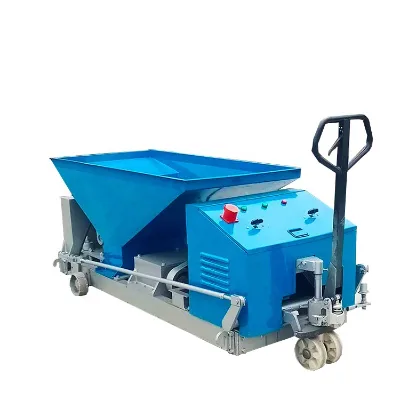


Concrete Wall Panel Making Machine Lightweight Wall Board Machine
$20000.00 - $100000.00
MOQ: 1 Pieces


China Cement Board Making Machine High Efficiency Decoration Wall Panel Machine
$150000.00 - $2000000.00
MOQ: 1 Sets


The EPS Wall Panel Machine Wall Panels Boards Exterior Making Machine
$50000.00 - $500000.00
MOQ: 1 Pieces

Comprehensive Sourcing Guide
Wall Panel Making Machine Sourcing Guide
Procuring a Wall Panel Making Machine requires a strategic approach that balances technical precision with commercial viability. Buyers must first define their production goals, such as manufacturing partition boards or roofing materials, to select the appropriate equipment configuration. The market offers various models, including the HC30-250-1000 and HFP series, each tailored to specific material widths and thicknesses. Understanding these distinctions is crucial for ensuring the machinery aligns with your intended output quality and volume.
The sourcing process involves evaluating multiple suppliers, primarily based in regions like Henan, Guangxi, and Xiamen in China. Buyers should verify the machine’s core components, such as the motor and drive type, to ensure reliability. Additionally, considering the customization options available allows for tailoring the equipment to specific operational needs. This guide provides a structured framework for navigating these decisions, ensuring that procurement teams make informed choices that support long-term manufacturing efficiency and product consistency.
Product Scope and Observed Listing Signals
The observed market signals indicate a diverse range of wall panel making machines, with prices spanning from $7.2 to $6,500,000. This wide variance suggests differences in machine capacity, automation levels, and included features. Buyers should note that the minimum order quantity (MOQ) typically ranges from 1 to 80 units, reflecting the flexibility of suppliers to accommodate both single-unit purchases and larger industrial orders. These signals help buyers gauge the market’s segmentation between small-scale workshops and large-scale manufacturing facilities.
Product attributes reveal that most machines are designed for new conditions and offer customization options. The primary materials used include PPGI and GI steel, with thicknesses ranging from 0.3 to 0.6mm. The machines are often configured for wall and roof applications, utilizing colored steel tiles. Observing these details helps buyers identify machines that match their specific raw material inputs and end-product requirements, ensuring that the selected equipment can handle the desired material properties and production speeds effectively.
Technical Specifications to Verify
Verifying technical specifications is critical for ensuring the machine meets production demands. Key parameters include the roller stations, which are often configured with 15 stations, and the shaft diameter, typically around φ70mm. The drive type is usually a chain drive, providing robust power transmission. Buyers should confirm the speed, which generally ranges from 15 to 20 meters per minute, and the total power consumption, often listed as 4+4kw. These specifications directly impact production efficiency and energy costs.
Material quality is another vital aspect, with rollers and shafts often made from 45# steel that has been quenched and plated for durability. The cutter material is frequently specified as Cr12, ensuring sharp and long-lasting cutting performance. Additionally, the machine’s voltage should be verified, with 380V 50Hz 3-phase being a common standard, though customization is available. Buyers must also check the physical dimensions and weight, such as the 2700970930mm size and 1100-1300kg weight, to ensure proper installation and space allocation in their facility.
Compliance and Safety Documentation
Compliance with international standards is essential for safe and legal operation. Many suppliers provide CE certification, indicating adherence to European health, safety, and environmental protection standards. Some listings also mention ISO certification, which reflects quality management systems. Buyers should request copies of these certificates to verify their validity and ensure they cover the specific machine model being purchased. This documentation is crucial for avoiding regulatory issues and ensuring the machine meets recognized safety benchmarks.
Safety features and operational guidelines should be thoroughly reviewed. The machines are often described as having easy operation advantages, which can reduce the risk of user error. Buyers should ensure that the supplier provides comprehensive manuals and safety protocols. Additionally, verifying the warranty terms, typically one year, is important for long-term support. Understanding the compliance landscape helps buyers mitigate risks and ensures that the machinery can be deployed confidently in their production environment without legal or safety concerns.
Cost Drivers and Commercial Terms
Several factors influence the total cost of ownership for a Wall Panel Making Machine. The material type, such as PPGI or GI, and the thickness range affect the machine’s complexity and price. Customization options, including voltage and speed adjustments, can also increase costs. Buyers should consider the total power consumption and drive type, as these impact operational expenses. Additionally, the brand name, such as OCEAN or OEM, may influence pricing due to perceived quality and reliability.
Commercial terms, including packing and shipping, are significant cost drivers. Machines are often packed in containers, with specific configurations like 40gp and 20gp units. Buyers should negotiate clear terms for shipping and installation support. The selling unit is typically a single item, but bulk discounts may be available. Understanding these commercial aspects helps buyers budget accurately and avoid hidden costs. Clear communication with suppliers regarding these terms ensures a transparent and fair procurement process.
Supplier Qualification and Quality Control
Evaluating supplier qualifications is crucial for ensuring the reliability of the purchased machinery. Buyers should verify the supplier’s location, with common origins including Henan, Guangxi, and Xiamen. Checking the supplier’s track record and customer reviews can provide insights into their reliability. Additionally, verifying the core components, such as the motor, helps assess the machine’s durability. Buyers should request detailed specifications and performance data to ensure the machine meets their quality standards.
Quality control measures should be established before production begins. Buyers should define acceptance criteria for the machine’s performance, including speed, accuracy, and material handling. Regular inspections during the manufacturing process can help identify and rectify issues early. Additionally, verifying the supplier’s warranty and after-sales support is essential for long-term maintenance. Establishing a robust quality control framework ensures that the purchased machinery performs as expected and minimizes downtime in the production line.
Long-Term Procurement Checks
Long-term procurement success depends on continuous monitoring and evaluation of the machinery’s performance. Buyers should track key performance indicators, such as production speed, material waste, and maintenance frequency. Regular audits of the machine’s condition and operational efficiency can help identify potential issues before they become critical. Additionally, staying updated on industry trends and technological advancements can inform future upgrades or replacements. This proactive approach ensures that the machinery remains competitive and efficient over time.
Building a strong relationship with the supplier is also vital for long-term success. Buyers should maintain open communication regarding any operational challenges or improvement suggestions. Regular feedback can help suppliers refine their products and services. Additionally, exploring opportunities for bulk purchasing or long-term contracts can secure better pricing and support. By focusing on these long-term checks, buyers can maximize the value of their investment and ensure sustained production efficiency.
FAQs
What certifications do the wall panel making machines have?
The machines carry CE and ISO certifications as confirmed by product facts. These certifications indicate compliance with safety and quality standards for industrial equipment used in manufacturing colored steel wall panels for roofs and walls.
Can I customize the Wall Panel Making Machine specifications?
Yes, customization is available for the Wall Panel Making Machine to meet specific production needs. Buyers can request adjustments to the voltage, which is standard at 380V 50Hz 3phases, or other parameters to fit their facility requirements.
What is the production speed of the Wall Panel Making Machine?
The machine operates at a speed of 15 to 20 meters per minute during normal operation. This capacity ensures efficient manufacturing of partition boards and wall panels while maintaining consistent quality through the automated roller forming process.
Which materials are used for the rollers and shafts?
Rollers and shafts are constructed from 45# steel that undergoes quenching and plating for durability. The cutter material is specified as Cr12, ensuring long service life and precision when processing high-quality steel raw materials for wall panel production.
What is the warranty period for the Wall Panel Making Machine?
The machine comes with a one-year warranty covering core components like the motor. This warranty provides protection against manufacturing defects and ensures operational reliability for buyers sourcing equipment for wall panel manufacture from Chinese factories.
How is the Wall Panel Making Machine packed for shipping?
Packaging options include standard seaworthy packing or container shipping depending on the order size. Specific configurations may involve a 40gp plus a 20gp container arrangement to safely transport the heavy machinery from the place of origin.