Source Wall Mounting LED Interval Timer for Gym, School, and Workshop
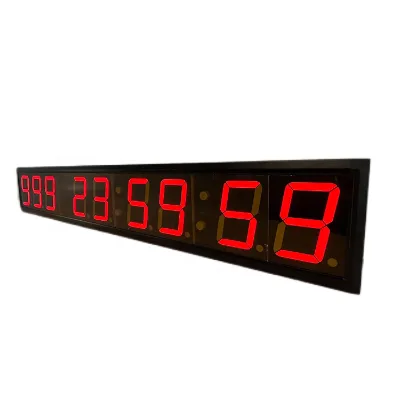
Find and compare 30 Wall Mounting LED Interval Timer options from verified Chinese suppliers. Evaluate features like IR remote control, aluminum alloy frames, and countdown functionality to select the right industrial or commercial timing solution for your facility.
Key considerations
Products List
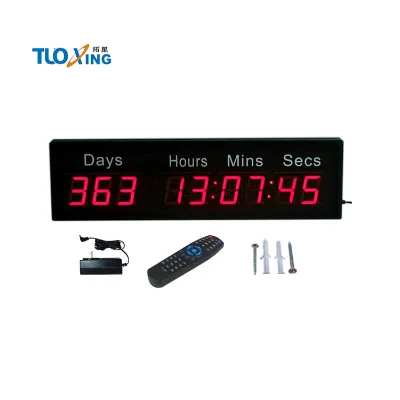
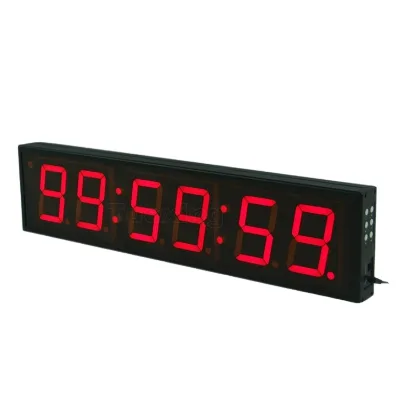
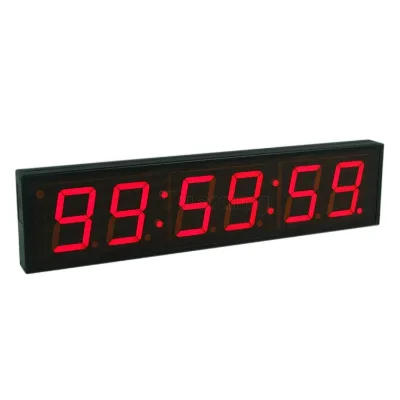
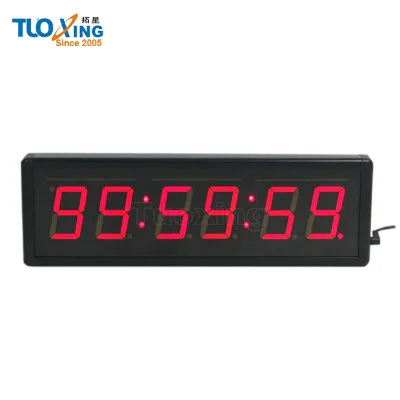




Kitchen Multifunctional Timer LED Timer Digital Magnetic Promotional Timer
$2.20 - $2.80
MOQ: 100 Pieces


Comprehensive Sourcing Guide
Wall Mounting LED Interval Timer Sourcing Guide
Sourcing wall-mounted LED interval timers requires a careful balance between industrial durability and precise timing functionality. These devices are engineered for environments where visual clarity and operational reliability are paramount, ranging from commercial gyms and fitness clubs to industrial workshops and educational facilities. The core value proposition lies in their ability to provide clear, large-format countdowns or elapsed time tracking via high-visibility LED displays, often housed in rugged enclosures designed to withstand frequent use. Buyers must distinguish between simple countdown units and more complex interval timers that support multiple segments, as this distinction heavily influences both the technical specifications and the procurement strategy.
The procurement landscape for these devices is characterized by a wide variance in capabilities, from basic single-segment countdowns to advanced multi-function units with remote control and app integration. Observed market listings indicate a broad spectrum of options, with prices ranging significantly based on feature sets, display size, and build quality. Understanding the specific operational needs of the end-user is critical before engaging with suppliers, as the difference between a simple 1-hour countdown timer and a programmable interval timer with 100-hour count-up/down capabilities can impact installation complexity, power requirements, and long-term maintenance costs.
Product Scope and Observed Listing Signals
The current market for wall-mounted LED interval timers presents a diverse array of products, with observed listings showing a price range from approximately $2.08 to $160 USD. This wide variance suggests that buyers will encounter everything from basic, single-function units to sophisticated, multi-feature devices. The minimum order quantity (MOQ) also varies significantly, ranging from single units for sample testing to bulk orders of up to 3,000 pieces, indicating flexibility for both small-scale procurement and large-scale industrial deployment. Buyers should interpret these signals as indicators of a mature supply chain with options for various budget tiers and volume commitments.
Key product attributes observed in the market include robust construction materials, such as black durable aluminum alloy frames, which are essential for withstanding the physical demands of high-traffic areas like gyms and workshops. Display technologies vary, with bar-segment LED displays being a common feature, offering high visibility in various lighting conditions. Color options for the digits typically include red, blue, green, and amber, allowing for customization to match brand identities or environmental aesthetics. Additionally, many units offer dual control methods, combining infrared remote controls with on-body keypads for backup operation, ensuring usability even if the remote is lost or batteries fail.
Technical Specifications to Verify
When evaluating technical specifications, the physical dimensions and mounting requirements are primary considerations. Units often feature substantial overall dimensions, such as 670x160x50mm, which must be accommodated in the installation environment. The single package size and gross weight, typically around 3.5 to 3.6 kg, indicate that these are not lightweight plastic devices but rather heavy-duty units requiring secure wall mounting. Buyers must verify the mounting hardware and ensure that the wall structure can support the weight, especially for larger models with 4-inch digit heights that require more robust installation fixtures.
Electrical specifications and power supply methods are equally critical for ensuring compatibility and safety. Rated voltages commonly include 220V, 230V, 240V, and 110V, with frequency options of 50Hz and 60Hz, suggesting that many units are designed for global compatibility. However, buyers must confirm whether the device operates directly on AC mains or requires an AC/DC adapter, as this impacts the complexity of the electrical installation. The working power range of 100-240V AC further supports broad compatibility, but verifying the specific input requirements for the target market is essential to avoid the need for additional voltage converters or transformers.
Compliance and Safety Documentation
Compliance with international safety and environmental standards is a non-negotiable aspect of sourcing electronic timing devices. Certifications such as CE and RoHS are frequently cited, indicating that the products meet European health, safety, and environmental protection standards. For buyers in other regions, it is crucial to verify if these certifications are recognized or if additional local certifications, such as UL or ETL for North America, are required. The presence of these certifications provides a baseline assurance of electrical safety and material restrictions, but buyers should request valid test reports from accredited laboratories to validate these claims.
Documentation regarding the product's environmental impact and material composition is also important for corporate sustainability goals. Many listed products highlight eco-friendly features, which may relate to the use of recyclable materials like aluminum alloy or energy-efficient LED technology. Buyers should inquire about the specific environmental claims and request supporting documentation, such as material safety data sheets (MSDS) or declarations of conformity. This due diligence ensures that the procurement aligns with broader organizational sustainability policies and regulatory requirements regarding electronic waste and hazardous substances.
Cost Drivers and Commercial Terms
Several factors drive the cost of wall-mounted LED interval timers, with the primary determinants being the complexity of the timing functions, the quality of the display, and the build materials. Units with advanced features, such as programmable intervals, remote control, and app connectivity, command higher prices compared to basic countdown timers. The use of durable materials like aluminum alloy, as opposed to plastic, also contributes to a higher unit cost but offers greater longevity and resistance to vandalism or wear. Buyers should assess the total cost of ownership, considering that higher initial investment in durable units may result in lower replacement and maintenance costs over time.
Commercial terms, including warranty and supply ability, play a significant role in the procurement decision. A standard two-year warranty is commonly offered, providing protection against manufacturing defects and ensuring supplier accountability. Supply ability, often cited as 5,000 units per month, indicates that suppliers have the capacity to handle large orders, but buyers should confirm lead times and production schedules to avoid delays. The port of dispatch, typically Shanghai, and packaging details, such as dual-wall corrugated fiberboard with PE foam protection, are also important for logistics planning, ensuring that products arrive in pristine condition and minimizing the risk of transit damage.
Supplier Qualification and Quality Control
Supplier qualification involves verifying the manufacturer's capability to produce consistent, high-quality products. Buyers should assess the supplier's production capacity, quality control processes, and track record in the industry. High feedback scores, such as 100% feedback, can be an indicator of customer satisfaction, but buyers should also look for detailed reviews regarding product durability and after-sales support. Engaging with suppliers who have a proven history of exporting to the buyer's region can facilitate smoother communication and compliance with local regulations.
Quality control measures should be established before placing large orders, including pre-production samples and third-party inspections. Buyers should request samples to verify the accuracy of the timing functions, the clarity of the LED display, and the robustness of the mounting mechanism. Inspections should cover both functional testing and physical durability, ensuring that the units can withstand the intended usage environment. Establishing clear quality acceptance criteria and communication channels with the supplier helps mitigate risks and ensures that the delivered products meet the specified requirements.
Long-Term Procurement Checks
Long-term procurement success depends on establishing a reliable supply chain and maintaining ongoing quality assurance. Buyers should conduct periodic audits of the supplier's production processes and quality control systems to ensure consistency. Regular communication with the supplier regarding any changes in product design, materials, or certifications is essential to maintain compliance and product integrity. Building a strong relationship with the supplier can also facilitate better pricing, priority production, and faster resolution of any issues that may arise.
Monitoring market trends and technological advancements in LED interval timers is also important for staying competitive. As technology evolves, new features such as enhanced connectivity, improved energy efficiency, or more advanced display technologies may become available. Buyers should remain open to upgrading their procurement specifications to incorporate these advancements, ensuring that the products they source remain relevant and effective for their end-users. Continuous evaluation of the procurement strategy and supplier performance helps optimize costs and maintain high standards of product quality over time.
FAQs
What certifications do the wall mounted timers have?
The wall mounted timers carry CE and RoHS certifications. These standards ensure the products meet safety and environmental requirements for international markets, providing assurance for industrial and commercial buyers.
How is the timer controlled by users?
Users can control the timer via IR remote or on-body buttons for backup. Some models also support APP control, offering flexible operation methods for different installation environments and user preferences.
What is the minimum order quantity for this product?
The minimum order quantity is one piece. This low MOQ allows buyers to test the product quality before committing to larger orders, making it suitable for small-scale procurement needs.
Where are these timers manufactured?
These timers are manufactured in Zhejiang, China. The production location supports a supply ability of 5000 units per month, ensuring consistent availability for bulk orders from global buyers.
What materials are used for the timer frame?
The timer frame is constructed from black durable aluminum alloy. This rugged material provides structural integrity and protection for the internal components while maintaining a professional appearance for wall mounting.
Can the timer be used in indoor environments?
Yes, the timer is designed specifically for indoor use. It is suitable for various settings including offices, gyms, schools, and hospitals where precise time management is required for scheduling activities.