Source Warp Knitted Fiberglass Geogrid for Road Base, Retaining Wall, and Dam
Compare 30 Warp Knitted Fiberglass Geogrid options from verified Chinese suppliers. Evaluate tensile strength, mesh size, and customization features for road base, retaining wall, and dam applications with competitive pricing and MOQ flexibility.
Key considerations
Products List

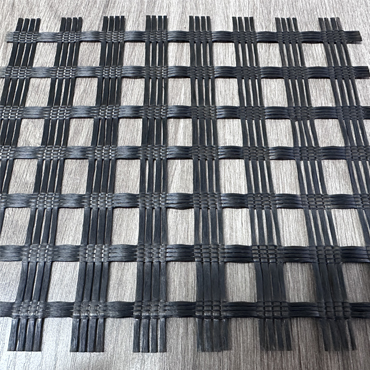

Fiberglass Geogrid Composite Nonwoven Geotextile/Reinforcement Geogrid
$0.10 - $1.60
MOQ: 1 Square Meters


Warp Knitted Fiberglass Geogrid for Airport Runway Strengthening
$0.32 - $1.52
MOQ: 2000 Square Meters


$0.30 - $1.60
MOQ: 2000 Square Meters


High Tensile Strength Polyester Warp Knitted Geogrid with PVC Coating for Soil Reinforcement
$0.55 - $1.93
MOQ: 1000 Square Meters


$0.50 - $1.80
MOQ: 2000 Square Meters


High Quality Warp Knitted Fiberglass Ux Geogrid with Bitumen Coating
$0.36 - $0.40
MOQ: 5000 Square Meters


50kN 100kN Geogrid/ High Strength Warp Knitted Glassfiber Geogrid
$0.21 - $0.68
MOQ: 1000 Square Meters

Fiberglass Geogrid Stitched with Nonwoven Geotextile Geocomposite
$0.66 - $1.60
MOQ: 10000 Square Meters

Warp Knitted Fiber Glass Geogrid 50/50kN/M 80/80kN/M 100/100kN/M for Asphalt Road
$0.21 - $0.86
MOQ: 2000 Square Meters

Comprehensive Sourcing Guide
Strategic Sourcing Guide for Warp Knitted Fiberglass Geogrids
The global infrastructure landscape increasingly relies on advanced geosynthetic materials to enhance soil stability and extend the lifespan of civil engineering projects. Among these, the Warp Knitted Fiberglass Geogrid stands out as a critical component for reinforcement applications. This guide provides a disciplined, evidence-based approach for procurement professionals evaluating suppliers of this specific material. The focus remains strictly on verifiable attributes, technical specifications, and compliance requirements derived from current market data, ensuring that sourcing decisions are grounded in factual reality rather than marketing assertions.
Technical Specifications and Material Composition
Understanding the precise technical architecture of a Warp Knitted Fiberglass Geogrid is the first step in any procurement process. The core material is consistently identified as glass fiber or fiberglass, often processed with or without viscose coatings depending on the specific application requirements. The manufacturing process involves warp knitting, which creates a stable grid structure capable of withstanding significant tensile forces.
Key dimensional and performance metrics vary across product listings but generally fall within specific observable ranges. Tensile strength is a primary differentiator, with observed specifications ranging from 50 kN/m up to 150 kN/m, and some high-performance variants reaching 200 kN/m or 300 kN/m. The mesh size, a critical factor for interlock with aggregate, is typically observed between 12.7 mm and 50 mm. Width specifications are flexible, commonly available from 1 meter to 6 meters, while length per roll often spans 50 to 100 meters, though customer-specific requirements are frequently accommodated.
Product models often denote the strength class, such as 50/50 kN or 100/100 kN configurations, sometimes accompanied by weight specifications like 30g. The physical dimensions of the finished product are substantial, with single gross weights observed around 50 kg per unit. Packaging is another technical consideration; suppliers utilize PE film or bags to protect the material during transit, and single package sizes can reach dimensions of 60x60x50 cm. Buyers must verify that the longitudinal and transverse tensile strengths are balanced, as the performance of the geogrid relies on its ability to distribute loads in both directions.
Compliance, Certification, and Regulatory Standards
In the B2B construction sector, certification is not merely a formality but a prerequisite for liability management and project approval. The supplied data indicates that reputable suppliers of fiberglass geogrids typically hold ISO certifications, specifically ISO 9001 for quality management and ISO 14001 for environmental management. Additionally, the CE mark is frequently cited, indicating conformity with health, safety, and environmental protection standards for products sold within the European Economic Area.
Beyond ISO and CE, the market data references a broader spectrum of third-party validations. These include SGS, BV (Bureau Veritas), BBA (British Board of Agrément), and Tri Sgi Bttg. The presence of these certifications suggests that the supplier has undergone rigorous external auditing. However, procurement teams must treat these as observations of specific product listings rather than universal guarantees for every item. When evaluating a potential supplier, buyers should request current, valid certificates that match the specific product model being purchased.
It is also essential to verify the "prod_standard" associated with the product. While some listings reference specific strength standards like 50 kN, 100 kN, or 200 kN, these are often internal or regional designations. Buyers should cross-reference these with international standards such as ASTM or EN standards relevant to geosynthetics. The absence of a specific standard number in a listing does not imply non-compliance, but it does necessitate a direct inquiry to the supplier to confirm which testing protocols were used to validate the tensile strength and durability claims.
Cost Drivers and Pricing Dynamics
The pricing of warp knitted fiberglass geogrids is influenced by a complex interplay of material costs, manufacturing complexity, and order volume. The observed price range in the current market spans from $0.10 to $1.93 per unit, though this wide variance often reflects differences in tensile strength, coating type, and packaging rather than a simple linear cost curve. A product with a 50 kN/m strength rating will naturally command a different price point than a 150 kN/m variant due to the higher fiber density and processing requirements.
Minimum Order Quantity (MOQ) is a significant cost driver. Data indicates MOQs ranging from as low as 1 unit to as high as 30,000 units. For small-scale projects or trial orders, buyers may face higher per-unit costs due to the inability to optimize production runs. Conversely, large-scale infrastructure projects can leverage high-volume orders to negotiate better pricing, potentially moving toward the lower end of the observed price spectrum.
Logistics and packaging also impact the final landed cost. The single gross weight of approximately 50 kg per unit, combined with the physical dimensions of the packages, affects shipping efficiency. Suppliers offering "Customization" services, such as specific mesh sizes or non-standard widths, may incur additional setup fees. Buyers should request a total cost of ownership analysis that includes not just the unit price, but also freight, insurance, and potential duties, as the origin of the product (often Shandong, China) influences shipping timelines and costs.
Typical Applications and Performance Requirements
The versatility of warp knitted fiberglass geogrids allows them to serve a wide array of civil engineering applications. The primary function is reinforcement, designed to improve the load-bearing capacity of weak subgrades. Specific applications observed in the market include road bases, retaining walls, steep slopes, and dam construction. In these scenarios, the geogrid distributes loads over a wider area, reducing settlement and preventing shear failure.
The material is also noted for its anti-slip properties, making it suitable for use in steep slope stabilization where surface erosion is a concern. Beyond heavy infrastructure, the product is applied in courtyard settings, suggesting utility in smaller-scale landscaping and hardscaping projects. The design style is consistently industrial, prioritizing function and durability over aesthetic considerations.
Performance claims in the market highlight resistance to corrosion and oxidation, a critical attribute for long-term durability in aggressive soil environments. The warranty period for these products is frequently cited as five years, indicating a manufacturer's confidence in the material's longevity. However, buyers should understand that warranty terms are contract-specific and should be verified against the actual project requirements. The ability to provide a total solution for projects, including graphic design and 3D model design, suggests that suppliers are increasingly offering integrated engineering support to ensure the geogrid is correctly specified for the intended application.
Supplier Evaluation and Verification Protocols
Selecting the right supplier requires a rigorous evaluation process that goes beyond surface-level marketing. The origin of the product is a key data point; many listings indicate a place of origin in Shandong, China, a region known for its manufacturing capabilities in geosynthetics. While this provides a geographic context, it does not guarantee quality. Buyers must verify the supplier's actual production capacity and quality control infrastructure.
Key evaluation criteria include the availability of after-sales support. Leading suppliers in this sector offer comprehensive services such as online technical support, onsite installation guidance, onsite training, and onsite inspection. The provision of free spare parts and return and replacement policies further demonstrates a commitment to customer satisfaction. When assessing a supplier, procurement teams should request case studies or references from previous projects where the specific geogrid model was used.
The "Project Solution Capability" is another vital metric. Suppliers that offer cross-category consolidation and total project solutions can streamline the procurement process, reducing the administrative burden on the buyer. However, buyers must ensure that the supplier's expertise is directly relevant to geosynthetics and not just a general trading capability. Verifying the brand name, such as HUABO, and checking its market reputation can provide additional confidence, but the focus should remain on the specific product's technical compliance rather than brand prestige alone.
Quality Control and Long-Term Procurement Strategy
Implementing a robust quality control (QC) strategy is essential for mitigating risks associated with geosynthetic procurement. Given the variability in tensile strength and mesh size, buyers should insist on third-party testing reports for every batch delivered. The observed specifications, such as the 25.4*25.4 mm model or the 50X50 kN/m size, must be validated against the actual delivered goods.
Long-term procurement considerations involve establishing a relationship with a supplier who can provide consistent quality over time. The availability of customization and the range of specifications (from 20 kN to 150 kN) suggest that a single supplier may not meet all project needs. Buyers should consider a multi-sourcing strategy to ensure supply chain resilience. Additionally, the five-year warranty mentioned in the market data should be a baseline for negotiations, with clear terms regarding what constitutes a failure and the process for claiming replacement.
Finally, buyers must remain vigilant regarding the "observed" nature of product attributes. While data points like "Viscose: With Viscose" or "Viscose: Without Viscose" are present, these are product-specific observations. A buyer cannot assume that all listed products possess these attributes without explicit confirmation. The procurement strategy should prioritize clear communication of requirements, detailed technical specifications in the purchase order, and a clear acceptance protocol based on independent testing. By adhering to these disciplined practices, buyers can secure high-performance fiberglass geogrids that meet the demanding requirements of modern infrastructure projects.
FAQs
What certifications do warp knitted fiberglass geogrids typically hold?
Products typically hold ISO 9001 and ISO 14001 certifications along with CE marks. Some listings also include third-party validations like SGS, BV, and BBA to ensure compliance with international safety and quality standards for civil engineering projects.
How does the tensile strength of these geogrids vary?
Tensile strength ranges from 50 kN/m up to 300 kN/m depending on the specific model. Common specifications include 50/50 kN, 100/100 kN, and 150 kN configurations, allowing selection based on the load requirements of road bases or retaining walls.
Which customization options are available for these geogrids?
Customization is available for mesh sizes, widths, and specific project solutions. Buyers can request tailored dimensions such as 1 to 6 meters in width and specific lengths, alongside services like 3D model design and total project solutions.
Can these geogrids be used for steep slope reinforcement?
Yes, they are designed for reinforcement in steep slopes, road bases, and retaining walls. The material offers anti-slip properties and high tensile strength to prevent shear failure and stabilize soil in challenging terrain conditions.
What is the typical packaging and weight per unit?
Units are typically packed in PE film or bags with a single gross weight of 50 kg. Package dimensions often reach 60x60x50 cm, ensuring protection during transit while maintaining efficiency for shipping from the origin in Shandong, China.
How long is the warranty period for these products?
The standard warranty period is five years, reflecting the manufacturer's confidence in durability. This coverage applies to resistance against corrosion and oxidation, ensuring long-term performance in aggressive soil environments for infrastructure projects.