Source Warm White Neon Advertising Panel for Buildings, Shops, Schools
Find 30 suppliers offering Warm White Neon Advertising Panel solutions with customizable designs. Compare specifications including IP33 rating, 50,000-hour lifetime, and 12V/24V input voltage for use in buildings, shops, and schools.
Key considerations
Products List


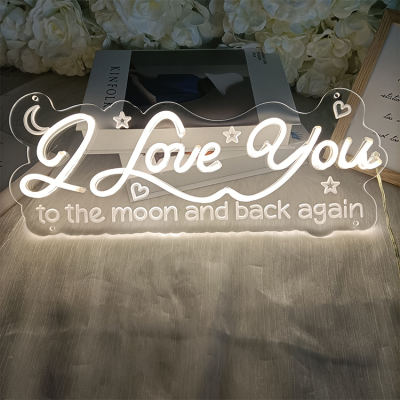
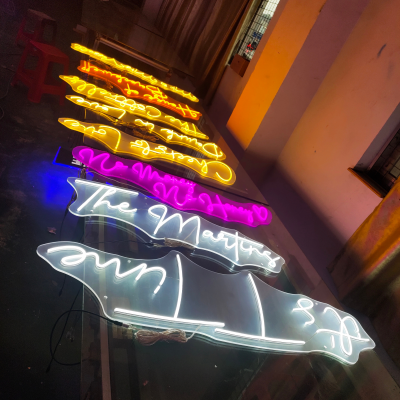

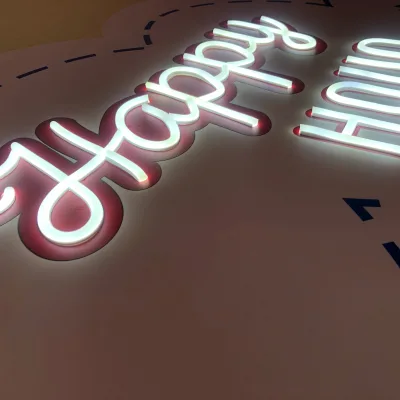
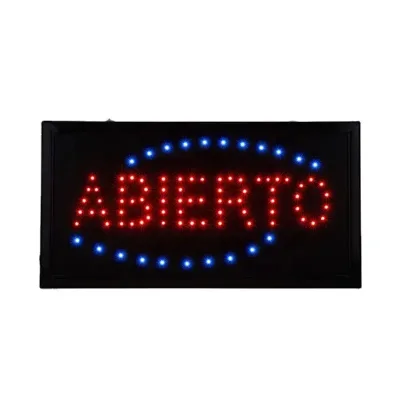
Comprehensive Sourcing Guide
Strategic Sourcing Guide for Warm White Neon Advertising Panels
The procurement of warm white neon advertising panels represents a specialized segment within the broader lighting and signage industry. Buyers seeking this specific aesthetic must navigate a landscape defined by flexible LED technology, custom fabrication capabilities, and rigorous compliance requirements. Unlike traditional glass neon, modern warm white solutions often utilize LED strips or modules encased in durable materials like PVC or acrylic to mimic the classic glow while offering superior energy efficiency and longevity. This guide outlines the critical technical, regulatory, and operational factors that define a successful sourcing strategy for these products, ensuring that the final installation meets both aesthetic and functional standards.
Technical Specifications and Material Composition
Understanding the physical and electrical characteristics of the product is the first step in any procurement process. The core of a Warm White Neon Advertising Panel typically relies on LED strips or LED modules as the light source. These components are selected for their ability to produce a consistent warm white output, which is often preferred for creating an inviting atmosphere in commercial spaces. The light source is frequently configured to illuminate two length sides of the panel, ensuring uniform brightness across the entire surface.
Material selection plays a pivotal role in the durability and appearance of the panel. Common materials observed in this category include PVC and acrylic. PVC offers flexibility, allowing for the creation of custom shapes and curves, while acrylic provides a rigid, high-clarity finish that can enhance the diffusion of light. The lamp body material is often specified as PC (Polycarbonate) to provide impact resistance and weather protection. The width of the front profile can vary significantly, ranging from 7mm to 33mm, allowing buyers to select a profile that matches the desired visual weight of the signage.
Electrical specifications are equally critical for integration. The input voltage for these systems is typically 12V or 24V DC, which requires an external adaptor for operation. Some configurations may support 220V AC directly, but the lower voltage options are standard for safety and efficiency in custom installations. The power consumption generally falls within a range of 10W to 80W, depending on the size and density of the LED strips. The working lifetime is a key performance metric, with many units rated for 50,000 hours of operation, significantly outlasting traditional neon tubes. The working temperature range is typically specified between -20°C and 45°C, indicating suitability for both indoor and sheltered outdoor environments.
Compliance and Certification Verification
In the B2B sector, compliance is non-negotiable. Buyers must verify that the products meet international safety and environmental standards before placing orders. The most frequently cited certifications for these panels include CE and RoHS. The CE mark indicates conformity with health, safety, and environmental protection standards for products sold within the European Economic Area, while RoHS ensures that the product is free from specific hazardous materials. Some suppliers may also provide additional certifications such as FCC, C-Tick, or GS, which are relevant for specific regional markets like North America or Australia.
It is essential to distinguish between the product certification and the factory certificate. While the product itself must carry the necessary safety marks, the factory certificate confirms that the manufacturing facility adheres to quality management systems. Buyers should request documentation proving that the specific batch of warm white neon panels being purchased holds valid CE and RoHS certifications. Relying on a supplier's verbal assurance without written proof can lead to customs delays or legal liabilities in the destination market. Furthermore, the standard for the product is often listed as "International Standard" or "Custom," meaning that the buyer must ensure the custom specifications do not compromise the underlying safety compliance.
Cost Drivers and Pricing Dynamics
The pricing of warm white neon advertising panels is influenced by several variable factors. The observed price range in the market can be substantial, spanning from $1 to $599, reflecting the vast difference between small, simple units and large, complex custom installations. The primary cost driver is the level of customization. Since these products are often made to order with specific logos, shapes, and dimensions, the complexity of the design directly impacts the manufacturing time and material usage.
The minimum order quantity (MOQ) is another significant factor affecting the unit cost. MOQs can range from as low as 1 piece to as high as 3000 pieces. For buyers seeking a single prototype or a small batch for a specific location, the unit price will be higher due to the setup costs. Conversely, bulk orders can leverage economies of scale, reducing the per-unit cost. The supply ability of the manufacturer, often cited as 2000 pieces per month, also influences pricing stability. If a buyer requires a large volume quickly, they may need to negotiate a higher price to expedite production or split the order across multiple suppliers.
Additionally, packaging and shipping terms contribute to the total landed cost. Standard packaging often involves wrapping with PE and air-bubble film, or vacuum bubble protection, to prevent damage during transit. For larger orders, plywood boxes may be used. The shipping term, whether by sea or by express, will vary the cost significantly. Sea freight is more economical for large, heavy shipments, while express shipping is necessary for urgent, smaller orders. Buyers should factor in these logistics costs when evaluating the "wholesale factory price" quoted by suppliers.
Typical Applications and Usage Scenarios
Warm white neon advertising panels are versatile and find application in a wide array of commercial and public settings. The warm white color temperature is particularly effective in environments where a welcoming, cozy, or premium ambiance is desired. Common application places include buildings, shops, schools, bars, and bus stations. In the hospitality sector, such as fast food restaurants and bars, these panels serve as both functional lighting and decorative elements that enhance brand identity.
The primary usage is for advertising, where the panels display logos, brand names, or promotional messages. The ability to customize the color and shape allows businesses to align the signage perfectly with their corporate identity. The material properties, such as the transparency of the acrylic or the flexibility of the PVC, allow for creative designs that stand out in crowded urban environments. Whether used indoors for a wedding venue or outdoors for a shop front, the durability of the LED strips and the protection provided by the IP33 rating (suitable for protection against water spray) make them suitable for various conditions. However, for outdoor installations, buyers should verify if the specific product meets higher IP ratings if exposed to direct rain or harsh weather, as IP33 is primarily for indoor or sheltered use.
Supplier Evaluation and Selection Criteria
Selecting the right supplier requires a thorough evaluation of their capabilities, location, and reliability. The production origin of these panels is often located in major manufacturing hubs such as Guangzhou or Chengdu in China. Buyers should verify the specific location of the factory to assess logistics lead times and potential tariffs. A supplier's ability to offer customization is a key differentiator. Most suppliers in this category indicate that customization is available, accepting requests for specific logos, sizes, and colors.
When evaluating a supplier, buyers should look for evidence of a robust quality control process. This includes checking for a "Factory Certificate" and ensuring that the production standards align with international requirements. The supply ability, such as 2000 pieces per month, should be matched against the buyer's projected demand to ensure the supplier can meet delivery schedules without compromising quality. It is also important to review the packaging details provided by the supplier. Effective packaging, such as wrapped protective film and vacuum bubble protection, is crucial for preventing damage during shipping.
Buyers should avoid suppliers who cannot provide clear documentation regarding certifications or who are vague about their production standards. The presence of a "Customized" attribute in the product listing is a positive sign, but it must be backed by a clear communication channel to discuss specific design requirements. Additionally, the warranty period, typically 2 years for these products, is a strong indicator of the supplier's confidence in their product quality. A supplier offering a shorter warranty may be cutting corners on materials or assembly.
Quality Control and Long-Term Procurement Considerations
Ensuring the long-term success of a neon signage project requires a proactive approach to quality control. Buyers should implement a rigorous inspection process before accepting delivery. This includes verifying the emitting color to ensure it matches the specified warm white tone, checking the luminous efficiency (often around 100lm/W), and confirming the physical dimensions against the custom order specifications. The lamp luminous efficiency is a critical metric for energy savings, and deviations from the standard can indicate lower quality LEDs.
For long-term procurement, the warranty and after-sales support are paramount. A 2-year warranty covers defects in materials and workmanship, but buyers should clarify what is excluded, such as damage from improper installation or external factors. The working lifetime of 50,000 hours suggests that the product is designed for long-term use, but this is contingent on proper voltage regulation and environmental conditions. Buyers should ensure that the power supply adaptor included or recommended is of high quality to prevent premature failure of the LED strips.
Furthermore, the standard of the product, whether listed as "custom" or "International Standard," should be clearly defined in the contract. This prevents disputes over whether the product meets the expected quality benchmarks. Buyers should also consider the scalability of their procurement. If the initial order is successful, the supplier should be able to replicate the quality for future orders without significant variation. The ability to provide consistent packaging, such as the use of cartons or plywood boxes, ensures that the supply chain remains stable and efficient.
Conclusion
Sourcing warm white neon advertising panels requires a balanced approach that prioritizes technical accuracy, regulatory compliance, and supplier reliability. By carefully analyzing the material composition, electrical specifications, and certification status, buyers can secure products that meet their aesthetic and functional needs. The cost dynamics, driven by customization and order volume, necessitate clear communication and realistic budgeting. With the right supplier partnership, these panels can serve as effective, durable, and visually appealing advertising tools for a wide range of applications. Buyers must remain vigilant in their quality control processes to ensure that the final product delivers on the promise of high performance and long-term value.
FAQs
What certifications do warm white neon advertising panels have?
These panels typically hold CE and RoHS certifications to ensure safety and environmental compliance. Some products may also include FCC, C-Tick, or GS marks depending on the specific manufacturer and target market requirements.
How is the light source configured for these advertising panels?
The light source usually consists of LED strips or modules designed to illuminate two length sides of the panel. This configuration ensures uniform brightness and a consistent warm white output across the entire surface area.
Can I customize the color and shape of the neon sign?
Yes, customization is available for both color and shape to match specific branding needs. Buyers can request tailored dimensions and logos, with the product often supporting transparent or customized color options.
What is the typical working lifetime of these LED panels?
The working lifetime is rated for approximately 50,000 hours of operation under normal conditions. This longevity significantly exceeds traditional neon tubes, making them a durable choice for long-term commercial advertising applications.
Which materials are used to construct the lamp body?
Common materials include PVC for flexibility and acrylic for high-clarity light diffusion. The lamp body is often made of PC (Polycarbonate) to provide impact resistance and weather protection for the internal LED components.
What is the minimum order quantity for these products?
The minimum order quantity ranges from 1 piece up to 3000 pieces depending on the supplier. Smaller orders may have higher unit costs, while bulk purchases can leverage economies of scale for better pricing.
Where are these neon advertising panels typically manufactured?
Production origins are frequently located in major manufacturing hubs such as Guangzhou and Chengdu in China. Buyers should verify the specific factory location to assess logistics lead times and potential shipping costs.