Source Washed Banana Pig Plush Toy for Gifts and Promotions
Compare 30 listings for the Washed Banana Pig Plush Toy to find suitable options for gifts, promotions, and holiday events. Buyers can review specifications like size, material, and certifications from verified manufacturers in Guangdong.
Key considerations
Products List










Comprehensive Sourcing Guide
Strategic Sourcing Guide for Washed Banana Pig Plush Toys
The global market for soft plush toys has seen a sustained shift toward unique character designs and tactilely distinct materials. While the core keyword "Washed Banana Pig Plush Toy" suggests a specific niche product combining animal motifs with fruit-inspired aesthetics, the actual procurement landscape relies heavily on verifying the precise physical attributes of the inventory. Buyers must navigate a supply chain where customization is a primary driver, and where the distinction between a standard pig plush and a specialized "banana" variant requires rigorous specification checks. This guide outlines the essential factors for sourcing these items, focusing on the technical realities of the product, compliance frameworks, and the operational logistics required for successful B2B transactions.
Technical Specifications and Material Composition
When evaluating a "Washed Banana Pig Plush Toy," the first step is to dissect the technical specifications provided by potential suppliers. The term "washed" in the context of plush manufacturing typically refers to a finishing process that softens the fabric, giving it a vintage or lived-in appearance. However, the supplied data indicates that the primary material construction for these items involves sewing products filled with PP Cotton. This filling material is standard for plush toys due to its resilience and hypoallergenic properties, but the buyer must confirm that the "washed" descriptor applies to the outer fabric texture rather than a chemical treatment that might alter the fill.
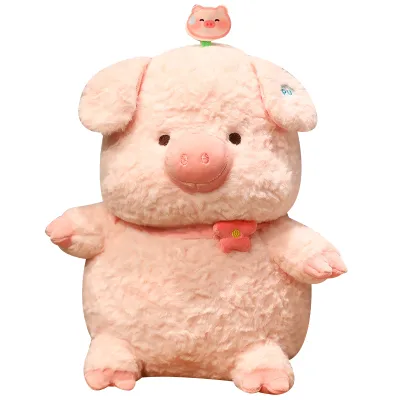
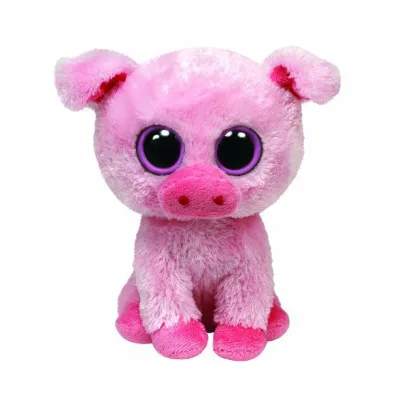
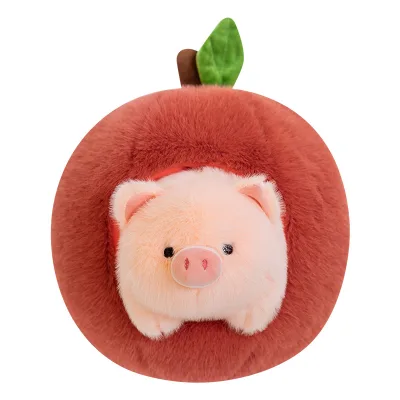
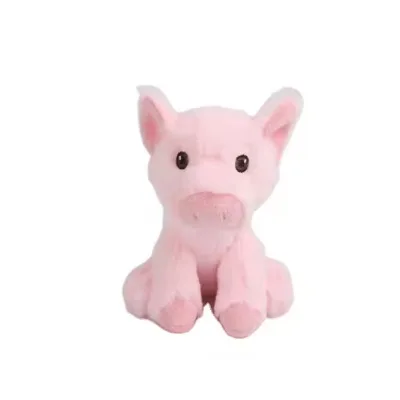
The physical dimensions and modeling source are critical for inventory planning. The observed product models, such as M100636 and M100764, indicate that these items are categorized under "Short Plush Toys" or specific animal modeling sources. For a "banana pig" design, the buyer should verify if the "banana" element is a structural part of the toy (e.g., a banana-shaped body) or an accessory. The supplied facts list "Sitting Animal" and "Standing Animal" as distinct styles, suggesting that the posture of the toy is a key differentiator. A "washed" finish often implies a specific pile height or fabric weight, which must be confirmed against the "Knitted Plush Toy" or "Short Plush Toys" classifications found in the data. Furthermore, the color palette, specifically the mention of "pink" in the product attributes, must be reconciled with the "banana" theme, which traditionally implies yellow. This discrepancy suggests that the "banana" aspect may be a specific design variation or a marketing term that requires visual confirmation before bulk ordering.
Compliance and Certification Verification
Safety compliance is non-negotiable in the plush toy industry, particularly when targeting global markets. The supplied facts explicitly list a robust set of certifications: CE, EN71, ASTM, CPSIA, REACH, and Azo Free. These standards cover mechanical safety, flammability, chemical restrictions, and heavy metal content. For a product marketed as suitable for "Any Ages" or specific age ranges like "2 to 4 Years," the certification suite is the primary indicator of safety.
Buyers must understand that the presence of these certifications in a supplier's profile does not automatically guarantee that every unit in a specific shipment meets the standard. The "washed" process, if it involves chemical dyes or softening agents, must be verified against the REACH and Azo Free requirements to ensure no prohibited substances are introduced during the finishing stage. The EN71 standard is particularly relevant for the European market, while ASTM and CPSIA are critical for the United States. The data also mentions "OEKO-TEX" as a background standard, but this should be treated as a potential attribute rather than a confirmed fact for every unit. Procurement teams should request specific test reports for the current production batch to ensure that the "washed" fabric and the PP Cotton filling have been tested under these specific regulatory frameworks.
Cost Drivers and Pricing Structures
Understanding the cost structure of plush toys is essential for budgeting and margin analysis. The observed price range in the market is between $0.35 and $6.55 USD. This wide variance indicates that the final cost is heavily dependent on the complexity of the design, the quality of the "washed" fabric, and the volume of the order. A "banana pig" design likely involves more complex sewing patterns than a standard animal shape, which can drive the unit cost toward the higher end of the observed range.
The Minimum Order Quantity (MOQ) is a significant cost driver. The data shows an MOQ range of 10 to 3000 units, with a specific high-confidence fact stating an MOQ of 500 PCS per style. This suggests that while small trial orders are possible, the most competitive pricing is likely reserved for orders meeting the 500-unit threshold. Buyers should note that the "customized" standard mentioned in the product attributes implies that any deviation from the base model (such as a specific "banana" shape or color) may incur additional tooling or setup costs. Additionally, the packing specifications, which vary from 30 to 100 pieces per carton depending on the model, will impact shipping costs. A denser packing ratio reduces the volume per unit, potentially lowering freight expenses, but the buyer must balance this against the risk of crushing the plush during transit.
Typical Applications and Market Segmentation
The versatility of these plush toys allows for diverse application scenarios. The supplied facts list "Toy," "Gift," and "Promotion" as primary usage categories. The "washed banana pig" design, with its likely cute and soft aesthetic, fits well within the "Holiday" and "Promotion Gifts" segments. The data also notes a specific usage for "Keychain" applications, suggesting that smaller variants of the design may be available or that the main product can be adapted with hardware attachments.
The target demographic is broad, with age ranges specified from "2 to 4 Years" up to "14 Years & up," and a general "Any Age" classification. This universality makes the product suitable for a wide array of retail channels, from specialty toy stores to corporate promotional campaigns. The "Unisex" gender classification further expands the potential market, allowing for inclusion in gift sets that do not target a specific gender. However, the "banana" theme introduces a playful, food-inspired element that may appeal more strongly to younger children or specific niche markets interested in fruit-themed merchandise. Buyers should align their marketing strategy with these identified use cases to maximize the return on investment.
Supplier Evaluation and Operational Logistics
Selecting the right supplier requires a deep dive into their operational capabilities. The data indicates that the products originate from Guangdong, China, a major hub for textile and toy manufacturing. The loading ports are listed as Shenzhen or Guangzhou, which are strategic locations for international shipping. Buyers should verify the supplier's ability to manage logistics from these specific ports, as shipping costs and transit times can vary based on the chosen port and the destination country.
Lead times are a critical factor in procurement planning. The observed sample time is 5-7 working days, which is relatively quick for custom plush toys. However, the delivery time for bulk orders is listed as 25-35 working days. This timeline must be factored into the overall supply chain schedule, especially for time-sensitive promotional campaigns. The "customized" nature of the product standard suggests that the supplier has the flexibility to alter designs, but this flexibility often comes with a trade-off in lead time. Buyers should evaluate the supplier's capacity to handle customization requests without significantly extending the production schedule. Additionally, the "Sewing" process is the primary manufacturing method, so assessing the supplier's sewing quality control measures is essential to ensure consistency in the "washed" finish and the overall construction of the toy.
Quality Control and Long-Term Procurement
Quality control (QC) is paramount when dealing with plush toys, particularly those with specialized finishes like "washed" textures. The "Sewing Products" classification implies that the integrity of the seams is a primary quality metric. Buyers should implement a QC protocol that checks for loose threads, secure attachment of any "banana" accessories, and the uniformity of the "washed" fabric appearance. The filling material, PP Cotton, must be evenly distributed to prevent lumps or flat spots that could detract from the toy's appeal.
For long-term procurement, establishing a consistent relationship with a supplier who can maintain the "customized" standard is vital. The ability to replicate the "washed" look and the specific "banana pig" design across multiple production runs is a key performance indicator. Buyers should also consider the sustainability aspects of the "Eco-Friendly" feature mentioned in the product attributes. While this is listed as a feature, verifying the actual environmental impact of the materials and the manufacturing process can be a differentiator in the current market. Finally, maintaining clear communication regarding the "Any Age" safety claims and ensuring that all certifications remain valid for future batches will protect the buyer from liability and ensure brand reputation.
Comparative Analysis of Product Attributes
To facilitate decision-making, the following table summarizes the key attributes observed in the product data, highlighting the variations that buyers must navigate.
| Attribute Category | Specific Observation | Procurement Implication |
|---|---|---|
| Product Type | Pig, Monkey, Frog, Mouse | Verify the exact animal model (e.g., M100636) matches the "banana pig" concept. |
| Style | Sitting Animal, Standing Animal | Confirm the posture aligns with the design intent; affects packaging volume. |
| Certification | CE, EN71, ASTM, CPSIA, REACH, Azo Free | Mandatory verification for all target markets; check batch-specific test reports. |
| MOQ | 500 PCS (High Confidence) | Plan inventory to meet minimum thresholds for cost efficiency. |
| Lead Time | Sample: 5-7 Days; Delivery: 25-35 Days | Schedule production and shipping well in advance of sales peaks. |
| Origin | Guangdong, China | Utilize Shenzhen or Guangzhou ports for logistics; verify local supplier capacity. |
| Packing | 1PC Polybag, 30-100PC Carton | Calculate freight costs based on carton dimensions and weight. |
| Filling | PP Cotton | Ensure hypoallergenic claims are supported by current batch testing. |
| Color | Pink (Observed) | Reconcile with "banana" theme; confirm color accuracy for the specific design. |
By adhering to these guidelines and rigorously verifying the supplied facts against the specific requirements of the "Washed Banana Pig Plush Toy," buyers can navigate the complexities of the B2B market with confidence. The focus must remain on the tangible attributes, compliance standards, and logistical realities provided in the data, avoiding assumptions about unverified claims. This disciplined approach ensures a procurement strategy that is both efficient and compliant with international safety and quality standards.
FAQs
What certifications do the plush toys meet?
The plush toys meet CE, EN71, ASTM, CPSIA, REACH, and Azo Free certifications. These standards ensure safety for global markets, covering mechanical safety and chemical restrictions for all age groups.
How long does sample production take?
Sample production takes 5 to 7 working days. This timeline applies to customized designs before bulk manufacturing begins, ensuring buyers can verify quality early.
What is the minimum order quantity per style?
The minimum order quantity is 500 pieces per style. This threshold applies to most styles, including pig and monkey variants, to secure competitive pricing and production slots.
Which materials are used for filling?
The toys are filled with PP Cotton. This material provides resilience and hypoallergenic properties, ensuring the plush remains soft and safe for children of any age.
Can the product be customized for branding?
Yes, customization is available for the product. Buyers can request specific designs or modifications, though this may require adhering to the standard 25 to 35 working day delivery time.
Where are the products manufactured and shipped from?
Products originate from Guangdong, China, and ship from Shenzhen or Guangzhou ports. These locations facilitate efficient logistics for global distribution to international buyers.
What is the typical delivery time for bulk orders?
Bulk order delivery takes 25 to 35 working days. This duration covers production and preparation, excluding transit time from the loading port to the final destination.
How are the toys packed for shipping?
Each toy is packed in a polybag, with 30 to 100 pieces per carton depending on the model. This packing method optimizes space while protecting the plush during transit.