Source Washed Cotton Spandex Denim Pants for Gym, Yoga, and Leisure
Explore 30 listings of Washed Cotton Spandex Denim Pants available for comparison. Buyers can review specifications including fabric composition, sizes, and styles such as skinny, straight, or bell bottom trousers for gym, yoga, and leisure activities.
Key considerations
Products List
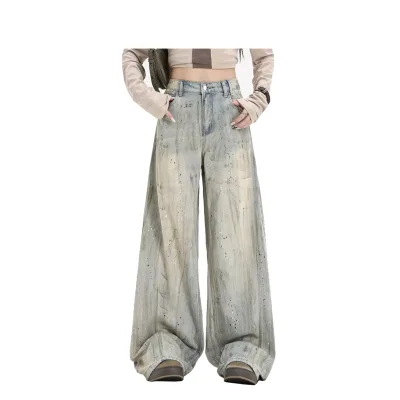


Women's Lyocell Cotton Blend Straight Leg Casual Denim Pants (CFWSW26006)
$14.00 - $18.00
MOQ: 10 Pieces


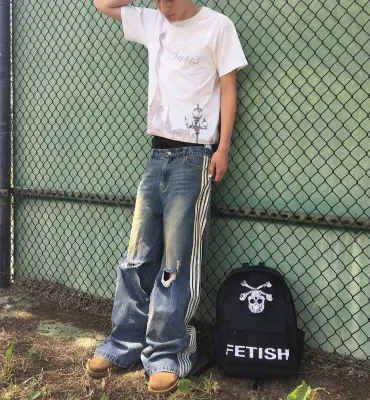
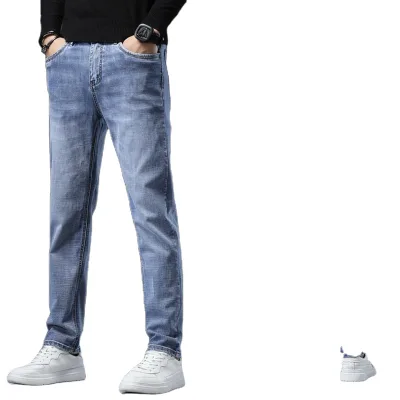


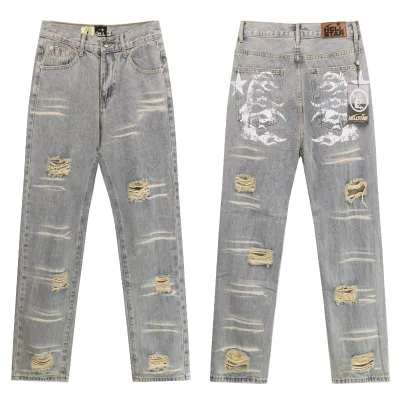
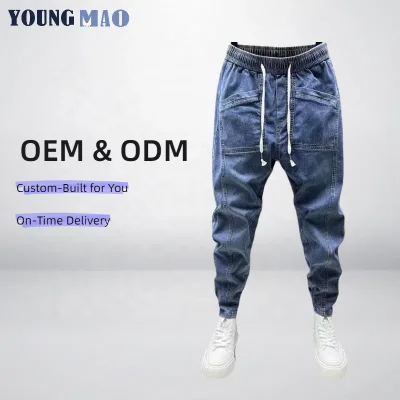


Comprehensive Sourcing Guide
Strategic Sourcing Guide for Washed Cotton Spandex Denim Pants
Understanding Product Specifications and Variations
When sourcing Washed Cotton Spandex Denim Pants, buyers must first navigate a complex landscape of technical specifications that define the final product's utility and market fit. The core material composition is a critical differentiator. While the target keyword specifies "cotton spandex," the observed market data reveals a spectrum of fabric blends. Some listings indicate a primary composition of pure cotton or standard cotton, while others explicitly specify a "Cotton Blend with Spandex" or "Polyester Cotton Denim." This variation is not merely semantic; it dictates the garment's drape, durability, and stretch recovery. The presence of spandex is essential for the "washed" aesthetic to maintain its shape after repeated wear and washing, yet the percentage of cotton relative to synthetic fibers determines breathability and the specific "hand feel" of the denim.
Size and fit specifications further complicate the sourcing process. The market data indicates a wide range of sizing standards, from standard alphanumeric codes like XS, S, M, L, XL, and 2XL to specific model numbers such as WH-548, WH-541, and JX-JP02. Buyers must distinguish between these model codes, as they often correspond to specific cuts. For instance, the data highlights "Skinny," "Bell Bottom," and "Straight" trouser legs as distinct variations available in the same category. Additionally, length specifications vary significantly, with options ranging from "Shorts" to "Long Pant" and "Long Pants." The thickness is generally categorized as "Medium," which suggests a versatile weight suitable for spring and autumn wear, though summer-specific variants may exist with lighter constructions.
The structural design of the pants also requires careful verification. Common attributes include "High Waist" styles and "Leisure" or "Gym" usage orientations. Fastening mechanisms are another key specification, with "Rear Two Row Buckle" systems appearing in specific models, while others may rely on standard zippers or buttons. The shoulder strap configuration is noted as "Fixed Shoulder Straps" in certain listings, which implies a specific construction method that may affect the overall fit and comfort. Furthermore, pocket designs are frequently listed as "Multiple Pockets," enhancing the utility of the garment for active or casual use. Buyers should verify these structural details against their specific target demographic requirements, as a mismatch in leg cut or waist height can render a product unsuitable for its intended market.
Compliance, Certification, and Material Verification
In the realm of B2B textile procurement, compliance is not a single checkbox but a layered verification process. While the provided data does not explicitly confirm that every listed product holds specific certifications, buyers must proactively verify the status of standards such as BSCI, OEKO-TEX, GOTS, and ISO 9001. These certifications are critical for ensuring ethical labor practices, chemical safety, and quality management systems. The absence of a certification claim in a product listing should not be interpreted as a negative attribute but rather as a signal to request documentation directly from the supplier.
Material verification is particularly important for "washed cotton spandex denim." The washing process involves chemical treatments to achieve the desired aesthetic, which can leave residues if not properly managed. Buyers should demand test reports confirming that the finished fabric meets safety standards for restricted substances. The "Cotton Blend with Spandex" composition mentioned in the data requires specific attention to the source of the cotton. If the buyer's brand claims sustainability, verifying that the cotton is organic or sourced from certified suppliers becomes a priority. The "Polyester Cotton Denim" variation introduces another layer of complexity regarding synthetic fiber content, which may impact the product's recyclability and environmental footprint.
The production origin is a significant factor in compliance. The data indicates that products originate from Guangdong, China, a major manufacturing hub. While this region is known for its textile expertise, it also necessitates rigorous due diligence regarding labor standards and environmental regulations. Buyers should ensure that their suppliers adhere to local laws and international trade compliance requirements. The "Customization" and "Support Customize Fabric and Color" attributes suggest that many suppliers offer tailored solutions. However, customization increases the risk of non-compliance if the new materials or dyes used do not meet the buyer's safety standards. Therefore, any customization request must be accompanied by updated material safety data sheets (MSDS) and compliance certificates before production begins.
Cost Drivers and Pricing Dynamics
The pricing for Washed Cotton Spandex Denim Pants is influenced by a multitude of factors, ranging from raw material costs to the complexity of the finishing processes. The observed price range in the market spans from $0.70 to $26.54 USD, a significant variance that reflects differences in quality, brand positioning, and production volume. The lower end of this spectrum likely corresponds to basic models with standard cotton blends and minimal finishing, while the higher end may include premium fabrics, complex washes, or specialized designs like the "Rear Two Row Buckle" or "Spliced" decorative methods.
Minimum Order Quantity (MOQ) is another critical cost driver. The data shows an MOQ range of 1 to 300 units. Suppliers with lower MOQs often charge a premium per unit to cover the fixed costs of setup and production runs. Conversely, larger orders typically benefit from economies of scale, reducing the unit cost. Buyers must balance their inventory needs with their budget constraints. For startups or those testing new designs, the lower MOQ options provide flexibility, but the higher unit cost must be factored into the retail pricing strategy.
The customization options available, such as "Support Customize Fabric and Color," can also impact the final price. Custom dyeing, specific fabric blends, and unique pattern types like "Striped or Checked" weaving processes require additional setup time and resources. These value-added services often come with a price premium. Additionally, the "Single Pack" or "One Piece in a PP Bag" packaging specifications can influence costs. While standard packaging is cost-effective, custom packaging solutions for branding purposes will increase the overall expense. Buyers should request detailed cost breakdowns that separate material, labor, and processing costs to understand where the price differentials lie.
Typical Applications and Market Segmentation
The versatility of Washed Cotton Spandex Denim Pants allows them to serve multiple market segments, from casual leisure wear to active fitness apparel. The data highlights "Gym" and "Yoga" as specific usage categories, indicating that the stretch properties provided by the spandex content make these pants suitable for high-movement activities. The "High Waist" style and "Leisure" designation further suggest a strong appeal in the athleisure market, where consumers seek comfort without sacrificing style.
For the casual market, the "Straight," "Skinny," and "Bell Bottom" leg cuts cater to diverse fashion trends. The "Spring / Autumn" and "Summer" seasonal tags indicate that these pants are designed for year-round wear, with variations in fabric weight and thickness to accommodate different climates. The "Medium" thickness specification suggests a balanced approach, suitable for transitional seasons, while lighter variants may be preferred for summer. The "Multiple Pockets" feature adds practicality, making these pants ideal for everyday wear where storage is necessary.
The "Lady" feature mentioned in the data points to a specific target demographic, though the style and fit may appeal to a broader audience. The "Spliced" decorative method and "Solid" pattern types offer opportunities for design differentiation, allowing brands to create unique product lines. Buyers should align their product selection with the specific needs of their target customers. For instance, a brand focusing on fitness apparel should prioritize the "Gym, Yoga" usage attributes and ensure the fabric blend offers sufficient stretch and recovery. In contrast, a fashion-forward brand might focus on the "Bell Bottom" or "High Waist" styles to capture current trends.
Supplier Evaluation and Quality Control
Evaluating suppliers for Washed Cotton Spandex Denim Pants requires a systematic approach that goes beyond price comparisons. Buyers should assess the supplier's capability to handle the specific technical requirements of the product, such as the "Cotton Blend with Spandex" composition and the "Washed" finishing process. The ability to provide samples that match the "Observed listed price range" and "MOQ range" is a good initial indicator of supplier flexibility and capacity.
Quality control is paramount in denim production, where consistency in wash, color, and fit is crucial. The "Single Pack" and "One Piece in a PP Bag" packaging methods suggest that suppliers are aware of the need for individual protection, but buyers should verify the quality of these packaging materials to prevent damage during transit. The "Standard" size ranges (S, M, L, XL, etc.) must be strictly adhered to, and buyers should request size charts to ensure accuracy. The "prod_model" numbers (e.g., WH-548, JX-JP02) serve as unique identifiers, and buyers should ensure that the supplier can consistently reproduce these models without variation.
Suppliers should also demonstrate a commitment to continuous improvement and responsiveness. The "Customization" and "Support Customize Fabric and Color" attributes indicate that many suppliers are willing to adapt to buyer needs. However, buyers should verify the supplier's track record in handling custom orders, including their ability to meet deadlines and maintain quality standards. Requesting references from other clients and reviewing past performance data can provide valuable insights into the supplier's reliability. Additionally, buyers should establish clear communication channels to address any issues that may arise during the production process.
Long-Term Procurement Considerations
Sourcing Washed Cotton Spandex Denim Pants is not just a transactional activity but a strategic partnership that requires long-term planning. Buyers should consider the scalability of their supply chain to accommodate future growth. The "Customization" capabilities of suppliers can be a significant asset, allowing brands to adapt to changing market trends and consumer preferences. However, buyers must ensure that these customization options do not compromise the core quality or compliance standards of the product.
Sustainability is increasingly becoming a key consideration in procurement. Buyers should explore opportunities to source materials that are environmentally friendly, such as organic cotton or recycled polyester blends. The "Polyester Cotton Denim" and "Cotton Blend with Spandex" compositions offer opportunities for innovation in sustainable materials. Additionally, buyers should work with suppliers to reduce the environmental impact of the washing process, which often involves significant water and chemical usage.
Building a resilient supply chain also involves diversifying suppliers to mitigate risks. Relying on a single source can be risky, especially in the face of supply chain disruptions. Buyers should consider maintaining relationships with multiple suppliers who can provide similar products with varying degrees of customization and pricing. This approach ensures continuity of supply and provides leverage in negotiations. Finally, buyers should invest in building strong relationships with their suppliers, fostering a collaborative environment that encourages innovation and mutual growth. By focusing on long-term value rather than short-term gains, buyers can secure a competitive advantage in the dynamic market for Washed Cotton Spandex Denim Pants.
FAQs
What fabric compositions are available for these pants?
Available fabrics include pure cotton, standard cotton, and cotton blends with spandex. Some listings also specify polyester cotton denim. Buyers should verify the exact blend ratio to ensure the desired stretch and durability for their specific application.
Which trouser leg styles can be sourced?
Sourcing options include skinny, bell bottom, and straight leg styles. These variations allow buyers to target different fashion trends. The specific cut often corresponds to unique model numbers like WH-548 or WH-541 provided by the manufacturer.
Can suppliers customize fabric and color options?
Yes, customization for fabric and color is supported by many suppliers. This service allows for tailored solutions but requires updated material safety data sheets. Buyers must confirm that any custom dyes or blends meet their specific safety and compliance standards before production.
What is the typical minimum order quantity for these pants?
The minimum order quantity ranges from 1 to 300 units depending on the supplier. Lower MOQs often carry a higher unit cost to cover setup fees. Larger orders typically benefit from economies of scale, reducing the price per piece significantly.
How are these pants typically packaged for shipment?
Standard packaging includes single packs or one piece per PP bag. This method protects the garment during transit. Buyers should verify the packaging quality to prevent damage and consider if custom branding packaging is available for an additional cost.
What size standards are used for these denim pants?
Size standards vary from XS to 2XL or specific alphanumeric codes like S, M, L, XL. Some models use specific size charts like 35*30*3cm for packaging dimensions. Buyers must request detailed size charts to ensure accuracy for their target demographic.
Which certifications should buyers verify for compliance?
Buyers should proactively verify certifications like BSCI, OEKO-TEX, GOTS, and ISO 9001. These ensure ethical labor practices and chemical safety. The absence of a claim in a listing does not confirm compliance, so documentation must be requested directly from the supplier.