Source Washed Kawaii Capybara Plush Toy for Gifts, Decor, and Events
Find 30 Washed Kawaii Capybara Plush Toy options from China. Compare materials like polyester and short plush, sizes from 25cm to 90cm, and MOQs starting at 20 pieces for birthday gifts, party favors, and retail inventory; compare the available evidence and request quotations based on your requirements.
Updated
Key considerations
Products List
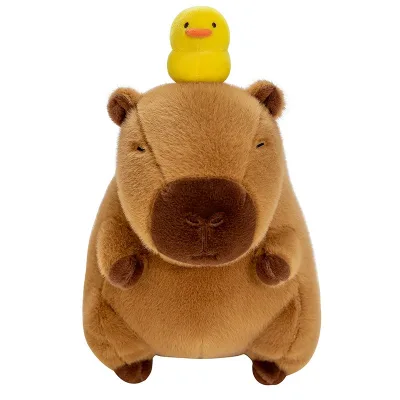
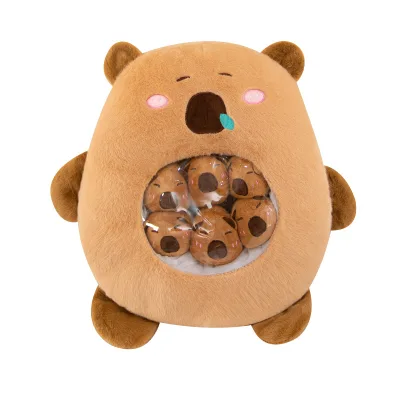
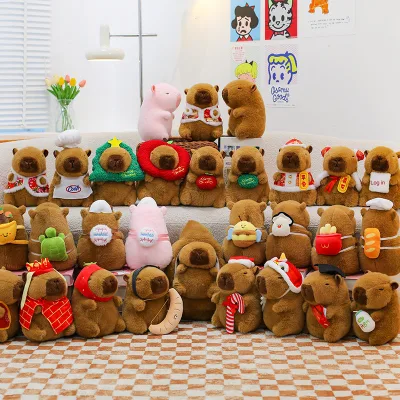
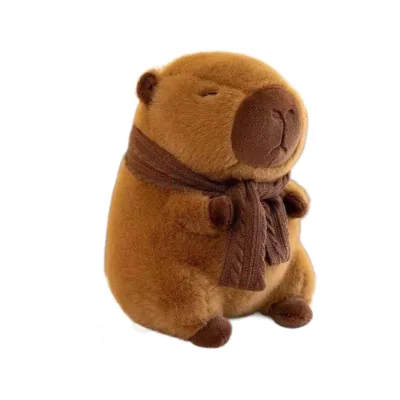
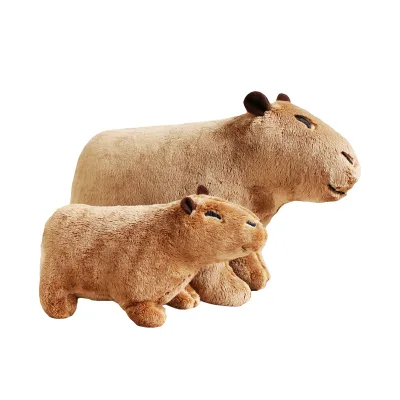
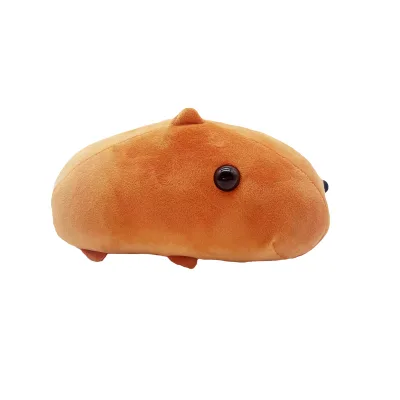


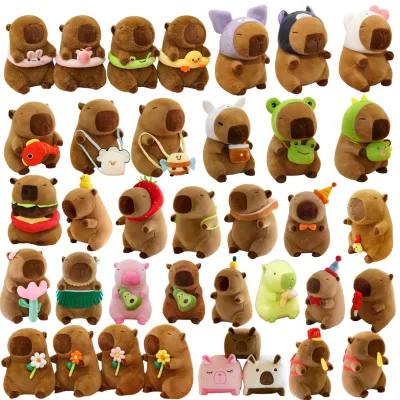
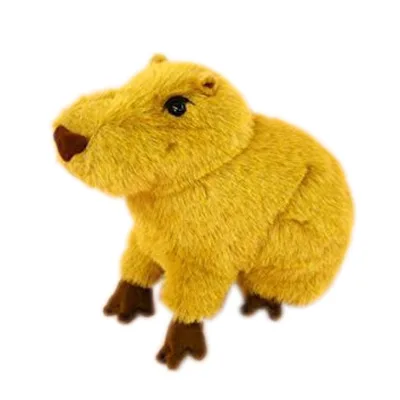
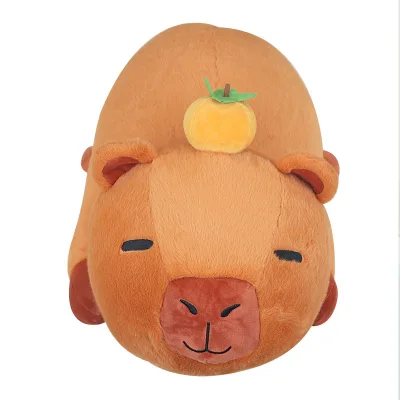


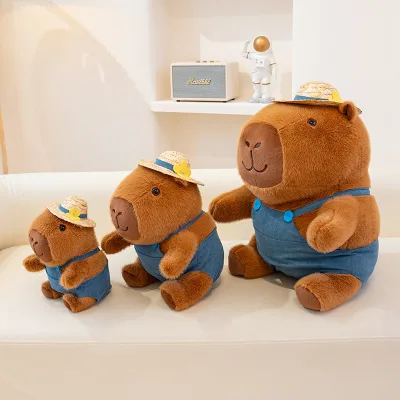
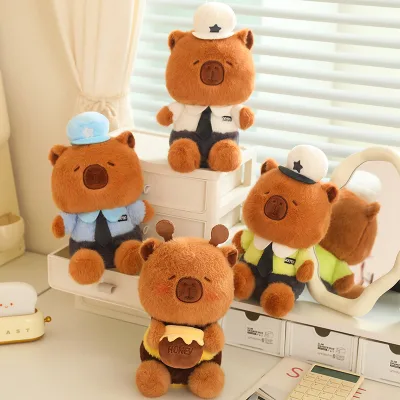
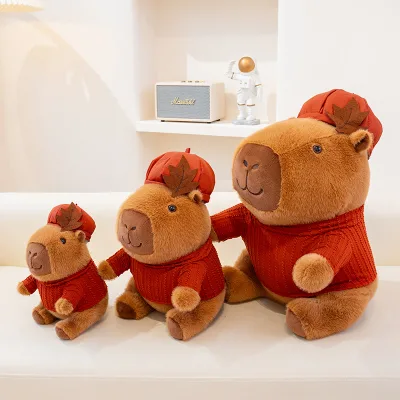
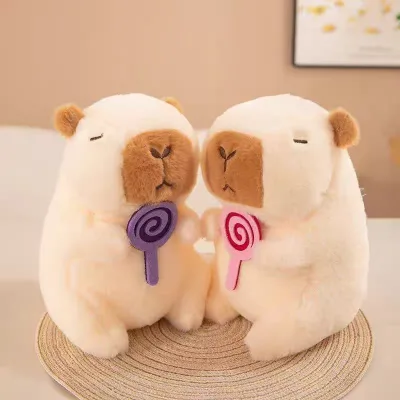
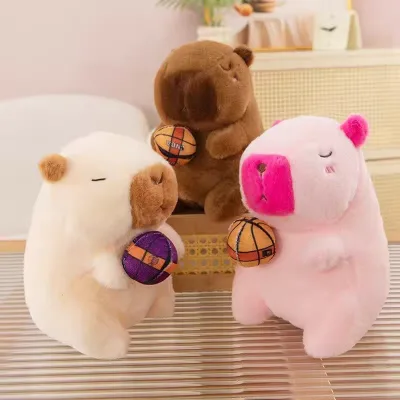
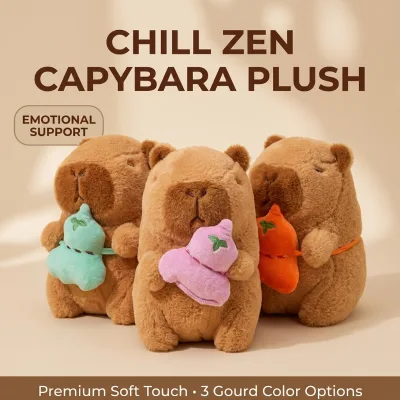

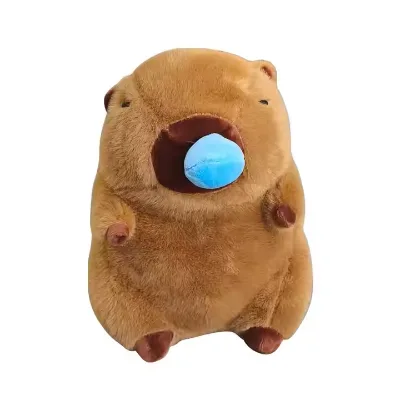


Comprehensive Sourcing Guide
Washed Kawaii Capybara Plush Toy Sourcing Guide
Sourcing washed kawaii capybara plush toys requires a nuanced understanding of material finishes and character licensing, as the market blends casual gift items with specific intellectual property collaborations. Buyers must distinguish between generic plush products and those tied to established franchises, as this distinction heavily influences pricing, minimum order quantities, and legal compliance. The term "washed" refers to a specific textile treatment that enhances softness and gives the fabric a vintage, worn-in appearance, which is highly desirable for the "kawaii" aesthetic. This finish is not merely cosmetic; it affects the tactile experience and perceived quality, making it a critical specification to verify during the sampling phase. Procurement teams should prioritize suppliers who can demonstrate consistent washing techniques, as uneven processing can lead to color fading or fabric distortion, compromising the final product's appeal.
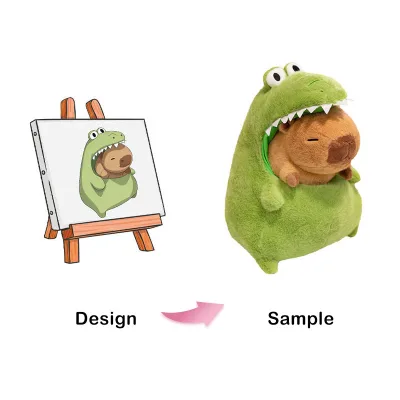
The capybara character has gained significant traction in global markets, appearing in both original designs and licensed merchandise from major franchises. Sourcing guides must account for this duality, as buyers may seek either generic, unbranded plush toys or officially licensed products associated with brands like Warhammer 40000 or Toy Story. This distinction is vital for risk management, as selling unlicensed merchandise can lead to severe legal consequences. Furthermore, the "kawaii" style often implies specific design elements such as exaggerated features, pastel colors, or unique accessories, which must be clearly defined in the technical pack. Buyers should establish clear communication channels with suppliers to ensure that the visual representation in samples matches the final production run, particularly when dealing with complex character designs that require precise embroidery or printing techniques.
Product Scope and Observed Listing Signals
The observed product landscape reveals a wide variance in specifications, indicating that buyers must carefully filter listings based on their specific needs. Products are listed with model numbers such as jialedi-829 and jialedi-987, suggesting that suppliers offer multiple variations under similar branding. The primary material is consistently identified as 100% polyester or short plush, with filling made from PP cotton, which is standard for plush toys due to its durability and hypoallergenic properties. The height range spans from 11cm to 50cm, allowing for flexibility in product lines that cater to different age groups, from infants to adults. Buyers should note that some listings specify a "Low Moq," while others require a minimum of 200 pieces, highlighting the importance of aligning order volume with supplier capabilities.
Color options and packaging methods also vary significantly across listings, with brown and pink being common choices. Some products are vacuum-packed to save shipping volume, a critical consideration for logistics cost optimization, while others may use customized packaging for retail readiness. The single gross weight ranges from 0.520 kg to 1.0 kg, depending on the size and filling density, which directly impacts freight costs. Additionally, the place of origin is primarily Guangdong and Hebei in China, regions known for their textile manufacturing expertise. Buyers should verify the specific origin of each product, as regional differences can affect production quality and lead times. The presence of characters like Capybara, Toy Story, and Warhammer 40000 indicates a mix of generic and licensed products, requiring careful due diligence to avoid intellectual property violations.
Technical Specifications to Verify
Technical verification begins with confirming the exact material composition and finishing techniques used in production. The "washed" finish must be validated through physical samples to ensure it meets the desired softness and aesthetic standards. Buyers should request detailed information on the dyeing process, as some washing techniques may involve chemicals that require specific safety certifications. The model numbers provided, such as JLD-114, serve as unique identifiers for specific product configurations, including size, color, and character design. It is essential to cross-reference these model numbers with the supplier's catalog to ensure that the specifications match the buyer's requirements, particularly regarding the single package size and gross weight, which affect shipping calculations.
Size variations are another critical technical aspect, with options ranging from 25cm to 90cm. Buyers must verify the accuracy of these dimensions, as discrepancies can lead to customer dissatisfaction and returns. The age range specifications, which include categories from 0 to 24 months up to 14 years and up, indicate that the products are designed for a broad audience. However, buyers should note that safety standards differ significantly for younger age groups, requiring additional testing and certification. The gender specification is listed as unisex, which is typical for plush toys, but buyers should confirm that the design and marketing align with this positioning. Additionally, the technics used, such as embroidered or washed finishes, must be clearly defined to ensure consistency across production batches.
Compliance and Safety Documentation
Compliance is paramount when sourcing plush toys, especially those marketed towards children. Buyers must ensure that all products meet the relevant safety standards for the target market, such as ASTM F963 in the United States or EN71 in Europe. These standards cover aspects like flammability, small parts, and chemical content, which are critical for protecting consumers. The age range specifications provided in the listings suggest that some products are intended for infants, which requires rigorous testing for choking hazards and toxic materials. Buyers should request test reports from accredited laboratories to verify compliance, rather than relying solely on supplier declarations. This due diligence is essential to mitigate legal risks and ensure product safety.
In addition to physical safety, intellectual property compliance is a significant concern, particularly given the presence of licensed characters in some listings. Buyers must verify that the supplier has obtained the necessary licenses for any branded products, such as Warhammer 40000 or Toy Story. Selling unlicensed merchandise can result in legal action and financial penalties. For generic products, buyers should ensure that the design does not infringe on existing trademarks or copyrights. The OEM/ODM acceptance noted in some listings indicates that suppliers may offer customization services, but buyers must still conduct thorough IP checks to avoid infringement. Clear documentation of compliance and licensing status should be maintained throughout the procurement process.
Cost Drivers and Commercial Terms
Cost drivers for washed kawaii capybara plush toys include material quality, production complexity, and order volume. The use of 100% polyester and PP cotton is standard, but the "washed" finish adds a layer of processing cost that can impact the final price. Buyers should expect price variations based on the size and weight of the product, with larger items commanding higher prices due to increased material and shipping costs. The observed price range of 0.78 to 13.03 USD reflects these variations, with lower prices typically associated with smaller, simpler designs. Buyers should negotiate based on volume, as larger orders often qualify for discounts, but must also consider the minimum order quantity requirements, which can range from 20 to 1000 pieces.
Commercial terms such as payment methods, lead times, and shipping arrangements are critical components of the procurement process. Buyers should clarify the MOQ with suppliers, as some may offer low MOQs for trial orders, while others require larger commitments. The place of origin, primarily Guangdong and Hebei, can influence lead times due to regional production capacities and logistics infrastructure. Buyers should establish clear communication regarding production schedules to avoid delays, particularly during peak seasons. Additionally, packaging options, such as vacuum packing or customized retail packaging, can affect costs and should be discussed upfront. Understanding these commercial terms helps buyers budget accurately and plan their supply chain effectively.
Supplier Qualification and Quality Control
Supplier qualification involves assessing the manufacturer's capabilities, reputation, and quality control processes. Buyers should verify the supplier's experience in producing plush toys, particularly those with specific finishes like "washed" polyester. Requesting references or case studies can provide insight into the supplier's reliability and consistency. The presence of multiple model numbers and product variations suggests that the supplier has a diverse production line, which can be advantageous for buyers seeking a wide range of options. However, buyers must ensure that the supplier maintains consistent quality across all products, as variations in finishing or material quality can lead to customer dissatisfaction.
Quality control measures should be clearly defined and enforced throughout the production process. Buyers should implement pre-production samples, in-line inspections, and final random inspections to ensure that the products meet the specified standards. The single gross weight and package dimensions should be verified during inspections to ensure accuracy. Additionally, buyers should check for defects in the washing finish, embroidery, and overall construction. The acceptance of OEM/ODM services indicates that suppliers may offer customization, but buyers must provide detailed specifications to ensure the final product matches their requirements. Establishing a robust quality control protocol helps minimize risks and ensures that the products meet the buyer's expectations.
Long-Term Procurement Checks
Long-term procurement success depends on continuous monitoring of supplier performance and market trends. Buyers should regularly review supplier quality metrics, including defect rates and on-time delivery performance, to identify potential issues early. The dynamic nature of the plush toy market, driven by trends like the "kawaii" aesthetic and popular characters, requires buyers to stay informed about changing consumer preferences. Regularly updating product specifications and designs can help maintain competitiveness. Additionally, buyers should monitor regulatory changes in target markets to ensure ongoing compliance with safety and intellectual property laws.
Building a strong relationship with suppliers is also crucial for long-term success. Open communication and collaboration can lead to better pricing, improved quality, and more flexible terms. Buyers should consider diversifying their supplier base to mitigate risks associated with single-source dependencies. Regular audits and site visits can provide valuable insights into the supplier's operations and help identify areas for improvement. By maintaining a proactive approach to procurement, buyers can ensure a steady supply of high-quality washed kawaii capybara plush toys that meet market demands and regulatory requirements.
FAQs
What materials are used for the Washed Kawaii Capybara Plush Toy?
The Washed Kawaii Capybara Plush Toy is primarily made from 100% polyester and short plush materials. It features a soft filling of PP cotton to ensure comfort. Some variations also utilize super soft plush for enhanced texture. These materials are selected to provide durability and a gentle touch suitable for various age groups.
Which age ranges can use the Washed Kawaii Capybara Plush Toy?
This product is designed for a wide age range including infants up to 24 months, toddlers aged 2 to 4 years, and children aged 5 to 7 years. It is also suitable for older children from 8 to 13 years and teenagers aged 14 years and up. The design ensures safety and enjoyment for all these specific developmental stages.
How can I customize the packaging for the Washed Kawaii Capybara Plush Toy?
Customized packaging is available for the Washed Kawaii Capybara Plush Toy to meet specific branding needs. The product supports OEM and ODM services, allowing for tailored solutions. Options include vacuum packing for standard units or bespoke designs. Buyers should contact suppliers directly to discuss specific packaging requirements and dimensions.
What is the minimum order quantity for the Washed Kawaii Capybara Plush Toy?
The minimum order quantity varies by supplier, with observed ranges starting from 20 units up to 1000 units. Some listings indicate a low MOQ option, while others require a specific order of 200 pieces. Buyers should verify the exact MOQ with the manufacturer before placing an order to ensure it aligns with their procurement volume.
Can I find washed kawaii capybara plush toys with specific character designs?
Yes, the Washed Kawaii Capybara Plush Toy features characters like Capybara and includes designs inspired by Toy Story. Specific models offer various themes such as baseball backpacks, hamburger pillows, and dress styles. These character variations allow buyers to select unique designs that match their target audience preferences or specific event themes.
What are the available sizes for the Washed Kawaii Capybara Plush Toy?
The Washed Kawaii Capybara Plush Toy comes in multiple sizes ranging from 25cm to 90cm. Specific options include 30cm, 35cm, 40cm, 45cm, 50cm, 55cm, and 60cm. The height typically falls between 11cm and 50cm depending on the specific model. Buyers can choose the size that best fits their intended use or display requirements.
Where are the washed kawaii capybara plush toys manufactured?
These toys are manufactured in China, with specific origins noted in Guangdong and Hebei provinces. The production location ensures access to established manufacturing capabilities for plush goods. Buyers should confirm the exact place of origin with the supplier as different models may be produced in different regions within China.