Source Water Heating HVAC Tube for Condensers, Coolers, and Heaters
Find and compare 30 available options for Water Heating HVAC Tube designed for condensers, coolers, and heaters. Buyers can review customizable sizes, materials like stainless steel and copper, and certifications such as CE and ISO to select suitable components for commercial applications.
Key considerations
Products List


Modern Design Rubber Foam Tube Waterproof Insulation Pipe Heat Insulation Tube
$0.07 - $0.48
MOQ: 3000 Pieces


High-Quality Insulated HVAC Refrigeration Rubber Tubes for Air Conditioners
$0.10 - $4.00
MOQ: 5000 Pieces


1/4" Insulation Tube Colored Pipe Rubber Foam Heat Insulation Tube for HVAC
$1.30 - $3.50
MOQ: 100 Pieces


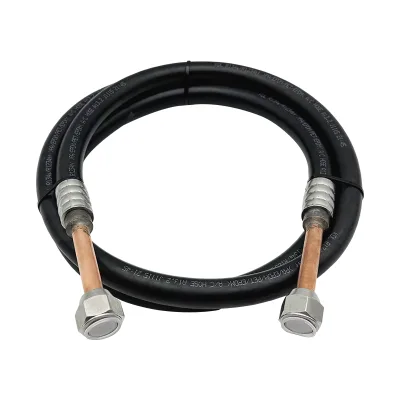


Durable Heat Dissipation Tube for Reliable Cooling Water Applications
$20.00 - $100000.00
MOQ: 1 Pieces

Heavy-Duty Heat Dissipation Tube for Reliable Cooling Water Solutions
$20.00 - $100000.00
MOQ: 1 Pieces


Comprehensive Sourcing Guide
Water Heating HVAC Tube Sourcing Guide
Sourcing water heating HVAC tubes requires a disciplined approach to aligning technical specifications with commercial realities. The market for these components is diverse, ranging from standard copper and stainless steel pipes to specialized rubber insulation tubes and galvanized steel frames. Buyers must navigate a landscape where product models vary significantly, from specific inch-based diameters like 1/4" and 1/2" to metric sizes such as 6mm and 19mm. Understanding these variations is critical because the performance of an HVAC system depends heavily on the precise match between the tube material, diameter, and the intended thermal application.
This guide provides a structured framework for evaluating suppliers and products based on observed market signals and trusted industry knowledge. It focuses on verifying technical attributes, ensuring compliance with safety standards, and managing commercial terms effectively. By adhering to these evidence-based procurement steps, buyers can mitigate risks associated with quality inconsistencies, supply chain delays, and non-compliant materials. The goal is to empower procurement teams to make informed decisions that support the reliability and efficiency of their HVAC installations.
Product Scope and Observed Listing Signals
The observed product listings reveal a wide spectrum of HVAC-related components, including rubber insulation tubes, stainless steel pipes, and structural frames made from galvanized steel or aluminum. Listings indicate that products are available in various colors, such as black, red, and green, and can be customized with specific logos and packaging. The presence of both mechanical and natural ventilation modes in the data suggests that the scope extends beyond simple piping to include integrated ventilation solutions. Buyers should recognize that "Water Heating HVAC Tube" may encompass a broader category of thermal management components, including insulation and structural supports, rather than just the primary fluid-carrying pipes.
Commercial signals from the market show significant variability in minimum order quantities (MOQs) and pricing structures. Observed MOQs range from 1 to 5000 units, indicating that suppliers cater to both small-scale prototyping and large-scale industrial projects. Prices observed in the market span from $0.05 to $100,000, reflecting the difference between simple insulation sleeves and complex, custom-engineered HVAC assemblies. This wide range underscores the importance of clearly defining project requirements before engaging with suppliers, as vague specifications can lead to misleading quotes or mismatched product offerings.
Technical Specifications to Verify
Verifying the physical dimensions and material composition of HVAC tubes is the first step in ensuring system compatibility. Listings show standard sizes ranging from 1/4" to 1" in imperial measurements and 6mm to 32mm in metric sizes. Buyers must confirm that the selected tube diameter matches the system’s hydraulic design, as deviations can cause pressure drops or flow inefficiencies. Additionally, the section shape is typically round, but buyers should verify this against their fitting requirements. For applications involving high pressure or corrosive environments, the material specification is critical; options observed include stainless steel, copper, and galvanized steel, each offering distinct advantages in durability and thermal conductivity.
Beyond dimensions, the functional attributes of the tubes must be aligned with the specific HVAC application. Some products are designed for condensers, coolers, and heaters, indicating a focus on heat exchange efficiency. Buyers should verify the voltage compatibility if the tubes are part of an electrically assisted system, with observed ranges spanning from 12V to 440V. Furthermore, the connection type, often described as "tube" connections, must be compatible with existing piping infrastructure. Customization options, such as OEM and ODM services, allow for tailored solutions, but buyers must provide detailed technical drawings to ensure the final product meets the precise engineering requirements of their HVAC design.
Compliance and Safety Documentation
Compliance with international and regional standards is non-negotiable for HVAC components, particularly those used in water heating and ventilation systems. The market data indicates that suppliers often hold certifications such as CE, RoHS, ISO, TUV, EAC, CCC, and ISO9001. Buyers must verify that the specific product batch carries the relevant certifications for their target market. For instance, products destined for the European Union require CE marking, while those for China may need CCC certification. These certifications serve as proof that the manufacturer adheres to strict quality management and environmental safety protocols, reducing the risk of regulatory penalties and product recalls.
In addition to certifications, buyers should request detailed documentation regarding the materials used in the tubes. For applications involving food, beverage, or dairy products, compliance with sanitary standards is essential. The observed usage categories include pipeline transport, mining, chemical industry, and construction, each with distinct safety requirements. Buyers should ensure that the tubes are free from harmful substances, as indicated by RoHS compliance, and that they meet the necessary pressure and temperature ratings for their specific application. Requesting test reports and material safety data sheets (MSDS) from suppliers can provide additional assurance of product safety and performance.
Cost Drivers and Commercial Terms
Understanding the factors that influence pricing is crucial for effective budget management in HVAC procurement. The cost of HVAC tubes is driven by material type, diameter, wall thickness, and the level of customization required. Stainless steel and copper tubes typically command higher prices than galvanized steel or rubber insulation due to their superior durability and thermal properties. Customization options, such as specific logos, colors, and packaging, can also add to the overall cost. Buyers should request detailed breakdowns of pricing to identify where value is being added and to negotiate effectively with suppliers.
Commercial terms, including lead times and payment conditions, play a significant role in the total cost of ownership. Observed delivery times are often around 20 days after receiving the deposit, which is a standard timeframe for manufacturing and quality control. However, buyers should confirm whether this timeline includes shipping and customs clearance, as delays in logistics can impact project schedules. Payment terms typically involve an initial deposit followed by the balance upon shipment or before delivery. Buyers should negotiate favorable terms that align with their cash flow needs and mitigate the risk of non-delivery or quality issues.
Supplier Qualification and Quality Control
Selecting a qualified supplier is essential for ensuring the long-term reliability of HVAC systems. Buyers should prioritize suppliers who demonstrate a strong commitment to quality management, as evidenced by their ISO9001 certification. A thorough supplier qualification process should include an audit of their manufacturing facilities, quality control procedures, and supply chain management practices. Buyers should also verify the supplier’s ability to handle customization requests, as this indicates flexibility and technical capability. Engaging with suppliers who offer sample products allows buyers to evaluate the quality of the materials and workmanship before committing to a large order.
Quality control measures should be integrated into the procurement process to minimize the risk of defects. Buyers should establish clear acceptance criteria for the HVAC tubes, including dimensional tolerances, material composition, and surface finish. Regular inspections during production and before shipment can help identify and rectify issues early in the process. Additionally, buyers should require suppliers to provide comprehensive packaging solutions, such as seaworthy cartons or wooden cases, to protect the tubes from damage during transit. Clear communication of quality expectations and regular feedback loops with suppliers can foster a collaborative relationship that prioritizes product excellence.
Long-Term Procurement Checks
Establishing long-term procurement strategies requires ongoing monitoring of supplier performance and market trends. Buyers should conduct periodic reviews of supplier quality, delivery reliability, and responsiveness to issues. Tracking key performance indicators (KPIs) such as defect rates, on-time delivery percentages, and customer satisfaction scores can provide valuable insights into supplier capabilities. Buyers should also stay informed about changes in industry standards and regulations that may impact the procurement of HVAC tubes. Adapting to these changes ensures that the sourced products remain compliant and competitive in the market.
Sustainability and environmental considerations are increasingly important in HVAC procurement. Buyers should evaluate suppliers’ efforts to reduce their environmental footprint, such as using recyclable materials and minimizing waste during production. Certifications like RoHS and ISO14001 can indicate a supplier’s commitment to environmental responsibility. Additionally, buyers should consider the lifecycle costs of the HVAC tubes, including maintenance, energy efficiency, and disposal. By prioritizing sustainable and high-quality products, buyers can contribute to the overall efficiency and longevity of their HVAC systems while meeting their corporate social responsibility goals.
FAQs
What certifications are available for Water Heating HVAC Tube products?
Products typically hold CE, ROHS, ISO, GOST, TUV, EAC, CCC, and ISO9001 certifications. These ensure compliance with international safety and quality standards. Buyers should verify specific certificates required for their target market to ensure regulatory acceptance and smooth customs clearance during import.
Can I customize the logo and packaging for these tubes?
Yes, customization is available for logos, colors, and packaging. Buyers can request customized logos and choose from black, red, green, or other colors. Packaging options include cartons, wooden cases, or small paper boxes, allowing for brand alignment and secure transit protection for bulk orders.
What are the standard specifications for rubber insulation tubes?
Standard sizes include 1/4 to 1 inch diameters and metric options like 6mm to 32mm. Customizable sizes are also offered. These dimensions suit various condenser, cooler, and heater applications. Buyers should select the exact diameter required for their specific HVAC system integration to ensure proper fit and performance.
What is the typical lead time for delivery?
The standard delivery time is 20 days after receiving the deposit. This timeline applies to most customized orders. Buyers should plan their procurement schedule accordingly to avoid project delays. Expedited options may vary, so confirming exact dates with the supplier before placing the order is recommended.
Which materials are used for the frame and fins?
Frames are made from galvanized steel or zinc galvanized steel for durability. Fins utilize aluminum, stainless steel, or copper for efficient heat transfer. These material choices balance corrosion resistance with thermal conductivity, ensuring long-term reliability in commercial and industrial water heating HVAC environments.
What is the minimum order quantity for these products?
The minimum order quantity ranges from 1 to 5000 units depending on the product type. This flexibility supports both sample testing and large-scale industrial procurement. Buyers can start with small quantities to verify quality before committing to larger bulk orders for their HVAC projects.