Source RV Magnesium Anode Rod for Water Heaters and Hotels
Compare 30 RV Magnesium Anode Rod options from verified Chinese manufacturers. These corrosion protection rods are available in customized sizes and models like AZ31B, suitable for electric water heaters in households, RVs, and hotels; compare the available evidence and request quotations based on your requirements.
Key considerations
Products List


Magnesium Anode for Water Heater Magnesium Anode Rod for RV Water Heaters
$9.90 - $79.00
MOQ: 10 Pieces


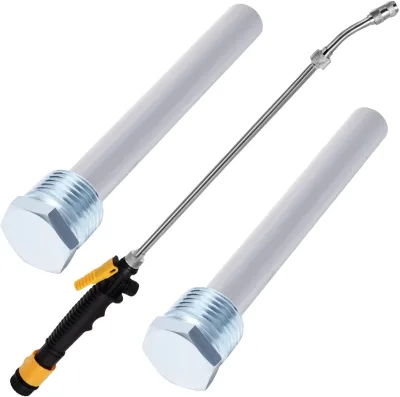


High Density & High Purity Magnesium Rod Anode for Electric Water Heater
$0.79 - $1.08
MOQ: 500 Pieces

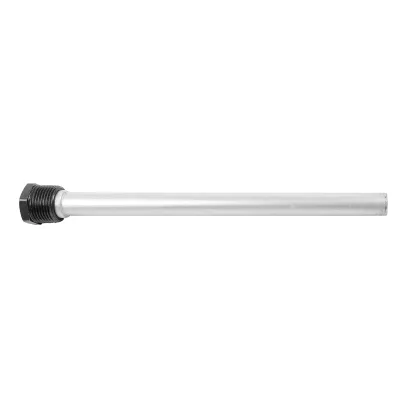
China Manufacturer High Density Magnesium Alloy Mg Anode Rod for Water Heater
$0.79 - $1.08
MOQ: 500 Pieces

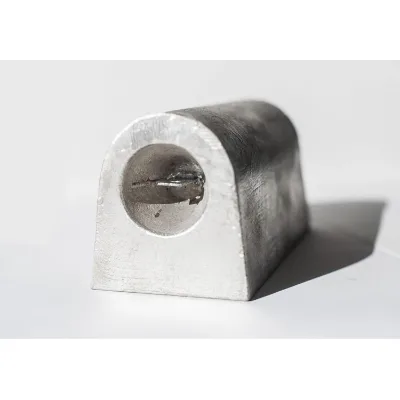
China Factory Supply Water Heater Sewage Outlet Universal Anode Magnesium Rod
$0.79 - $1.08
MOQ: 500 Pieces
Comprehensive Sourcing Guide
RV Magnesium Anode Rod Sourcing Guide
Procuring magnesium anode rods for recreational vehicles requires a precise understanding of the product's role in preventing corrosion within electric water heater systems. These sacrificial anodes protect the tank's internal steel lining by attracting corrosive elements, thereby extending the lifespan of the appliance. Buyers must recognize that this is a critical maintenance component, not a generic hardware item. The sourcing process should begin by defining the specific water heater models used in your RV fleet or product line, as dimensions and mounting configurations vary significantly between manufacturers.
The market offers a range of options, from standard sizes to customized solutions, making it essential to align specifications with your technical requirements. Listings indicate that these products are available in various alloys, primarily AZ31 and AZ63, which offer different electrochemical properties. Understanding the distinction between cast and extruded manufacturing processes is also vital, as it affects the rod's structural integrity and dissolution rate. By clearly defining your needs upfront, you can filter out irrelevant suppliers and focus on those who provide the exact technical match required for your application.
Product Scope and Observed Listing Signals
The observed product listings reveal a diverse range of magnesium anode rods tailored for electric water heaters in household, RV, and hotel applications. The primary material is magnesium rod, with high purity levels exceeding 98% to ensure consistent performance. Common alloy designations include AZ31B and AZ63, which are industry standards for anodic protection. Buyers should note that while the core function remains the same, the physical dimensions and packaging vary. This variability means that a one-size-fits-all approach is ineffective; instead, procurement teams must specify the exact model or dimension required for their specific water heater units.
Packaging and origin details provide additional context for logistics planning. Products are often shipped in wooden cases, exporting cartons, or pallets, with single package sizes ranging from small individual boxes to larger consolidated units. The place of origin is predominantly China, with specific references to Zhengzhou. This geographic concentration suggests that buyers should anticipate standard international shipping protocols and potential customs documentation requirements. Furthermore, the availability of customized dimensions indicates that suppliers can adapt to non-standard water heater designs, offering flexibility for OEM manufacturers who require unique specifications.
Technical Specifications to Verify
When evaluating potential suppliers, the first step is to verify the exact dimensions of the anode rod, including length, diameter, and thread size. Listings show specific models such as Bg-MD01-350mm and Bg-Hr01-380mm, with corresponding standards like 3502222mm and 3802121mm. These numerical values are critical for ensuring a proper fit within the water heater's anode port. A mismatch in thread size or length can lead to installation failures or inadequate protection. Buyers should request detailed technical drawings or CAD files to confirm that the supplier's product matches their requirements precisely, rather than relying solely on model numbers.
In addition to dimensions, the manufacturing technology and material composition must be scrutinized. The technology used, whether cast or extruded, impacts the rod's density and surface area, which in turn affects its lifespan and protective capacity. Cast rods may offer a more uniform structure, while extruded rods might provide better surface area for electrochemical reaction. Buyers should also confirm the alloy grade, as AZ31 and AZ63 have different corrosion rates and mechanical strengths. Requesting material test certificates that verify the purity and alloy composition is essential to ensure that the product meets the specified technical standards and will perform reliably in the intended application.
Compliance and Safety Documentation
Compliance with international standards is a non-negotiable aspect of sourcing magnesium anode rods. The observed listings reference several key standards, including AISI, BS, JIS, ASTM, DIN, GB, and US standards. These standards define the chemical composition, mechanical properties, and testing methods for magnesium alloys. Buyers should require suppliers to provide documentation proving that their products meet these specific standards. For instance, ASTM standards often dictate the minimum purity and maximum impurity levels, which are crucial for ensuring the anode's effectiveness. Verifying compliance with these standards helps mitigate the risk of receiving substandard materials that could fail prematurely.
Certifications such as ISO9001 and CE provide additional assurance of the supplier's quality management systems and product safety. ISO9001 certification indicates that the supplier has implemented a robust quality management system, which is a good indicator of consistent production quality. CE marking, where applicable, signifies that the product meets European health, safety, and environmental protection standards. While these certifications do not guarantee that every individual unit is perfect, they demonstrate the supplier's commitment to quality and compliance. Buyers should request copies of these certificates and verify their validity with the issuing bodies to ensure that the supplier is operating under current and valid certifications.
Cost Drivers and Commercial Terms
The cost of magnesium anode rods is influenced by several factors, including the alloy grade, manufacturing process, and order quantity. The observed price range in USD is between 0.7 and 100, reflecting the diversity in product sizes and specifications. Smaller, standard rods tend to be at the lower end of this range, while larger, customized, or high-purity rods command higher prices. Buyers should request detailed quotations that break down the cost per unit, including any additional charges for customization, packaging, or shipping. Understanding these cost drivers allows for better budgeting and negotiation, ensuring that the total cost of ownership is minimized without compromising on quality.
Minimum Order Quantity (MOQ) is another critical commercial term to consider. The observed MOQ range is between 1 and 500 units, indicating that suppliers are flexible in their ordering requirements. For large-scale procurement, negotiating a lower unit price in exchange for a higher MOQ can be beneficial. However, for smaller orders or prototype runs, suppliers with a low MOQ of 1 unit provide greater flexibility. Buyers should also clarify the payment terms, such as whether payment is required upfront or upon delivery, and the lead time for production and shipping. Clear communication on these terms helps avoid misunderstandings and ensures a smooth procurement process.
Supplier Qualification and Quality Control
Qualifying a supplier involves more than just reviewing their product catalog; it requires a thorough assessment of their manufacturing capabilities and quality control processes. Buyers should request information on the supplier's production facilities, including the equipment used for casting or extruding magnesium rods. The technology employed, whether cast or extruded, should be clearly documented, as it affects the product's performance. Additionally, the supplier's ability to provide customized dimensions and packaging is a key differentiator. Suppliers who can offer tailored solutions are often more responsive to specific buyer needs and can provide better technical support.
Quality control measures are essential to ensure that every batch of anode rods meets the specified standards. Buyers should ask about the supplier's inspection processes, including incoming material checks, in-process inspections, and final product testing. Requesting samples for independent testing is a prudent step to verify the product's quality before placing a large order. Furthermore, the supplier's track record in the industry, including their experience with similar products and clients, can provide valuable insights into their reliability. A supplier with a strong reputation for quality and consistency is more likely to deliver products that meet or exceed expectations.
Long-Term Procurement Checks
Establishing a long-term relationship with a supplier requires ongoing monitoring and evaluation of their performance. Buyers should set up regular review meetings to discuss product quality, delivery times, and any issues that may arise. This proactive approach helps identify potential problems early and allows for timely corrective actions. Additionally, keeping detailed records of all transactions, including quality reports and delivery confirmations, provides a basis for future negotiations and performance assessments. A well-documented history of the supplier's performance is invaluable for making informed decisions about continuing or changing suppliers.
Sustainability and environmental considerations are increasingly important in procurement decisions. Buyers should inquire about the supplier's environmental practices, including waste management and energy efficiency. While the supplied facts do not provide specific details on these aspects, asking about them demonstrates a commitment to responsible sourcing. Furthermore, staying informed about industry trends and technological advancements can help buyers identify opportunities for cost savings or performance improvements. By maintaining a strategic approach to procurement, buyers can ensure that their supply chain remains resilient, efficient, and aligned with their long-term business goals.
FAQs
What is the primary application of this magnesium anode rod?
This magnesium anode rod is primarily designed for use in electric water heaters to prevent corrosion. It is also suitable for household, RV, and hotel applications. The product meets various international standards including AISI, ASTM, and DIN to ensure reliable performance in industrial and chemical environments.
Can I request custom dimensions for the magnesium anode rod?
Yes, custom dimensions are available for this magnesium anode rod to fit specific water heater requirements. The product specifications list sizes like 350mm and 235mm as customizable options. Buyers can also choose from various packaging types such as wooden cases or export cartons to suit their logistics needs.
Which certifications does the magnesium anode rod hold?
The magnesium anode rod holds ISO9001 and CE certifications to verify quality and safety compliance. These certifications ensure the product meets rigorous manufacturing standards for international markets. The alloy material used is verified to have a purity greater than 98% for optimal corrosion protection in water heating systems.
How is the magnesium anode rod manufactured and packaged?
The rod is manufactured using cast or extruded technology to ensure structural integrity and consistent performance. Packaging options include wooden cases, corrugated boxes, or export cartons depending on order requirements. Each unit is shipped as a new item with a single gross weight of 0.380 kg for efficient handling.
What is the origin and standard compliance of the product?
The product originates from Zhengzhou, China, and complies with standards such as AZ31, AZ63, and GB. It is available in models like Bg-MD01 and Bg-Hr01 to meet diverse industrial needs. The alloy composition ensures high purity, making it suitable for aviation, electronics, and general industrial applications alongside water heating.
What is the minimum order quantity for this magnesium anode rod?
The minimum order quantity ranges from 1 to 500 units depending on the specific supplier and customization level. Buyers can source single items or larger batches to meet their inventory requirements. This flexibility allows both small businesses and large industrial clients to procure the necessary anode rods efficiently.