Source Type C Vacuum Cleaner Bags for Home, Office, and Commercial Use
Find 30 verified listings for Type C Vacuum Cleaner Bags suitable for home, office, and commercial applications. Buyers can compare specifications, certifications, and pricing to select the right filtration components for their needs; compare the available evidence and request quotations based on your requirements.
Key considerations
Products List

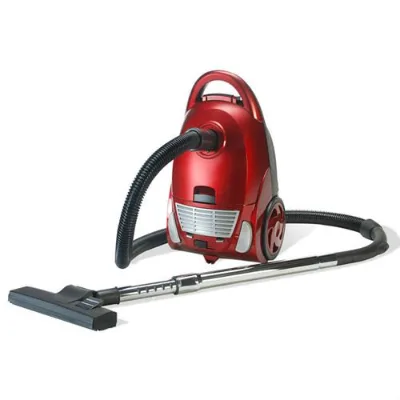


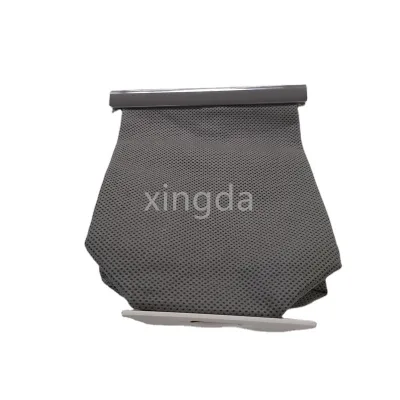


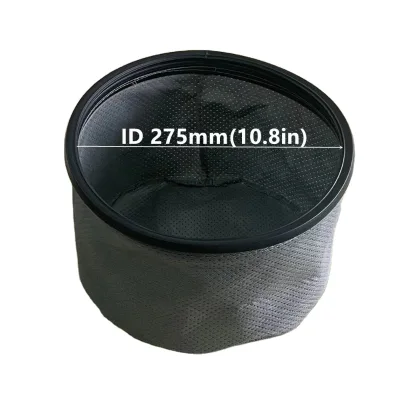
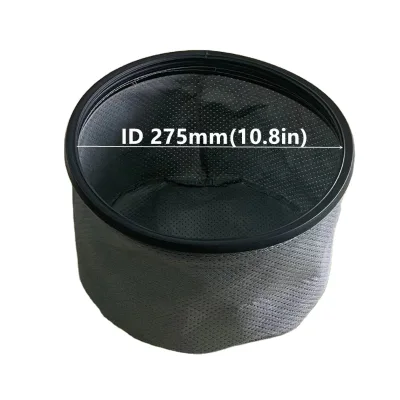

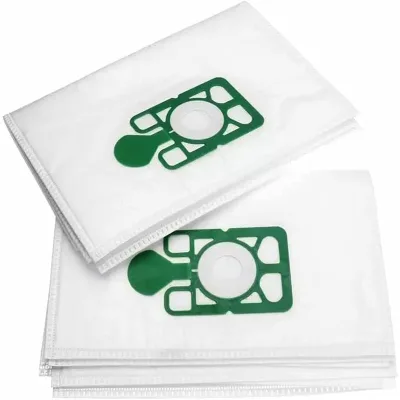
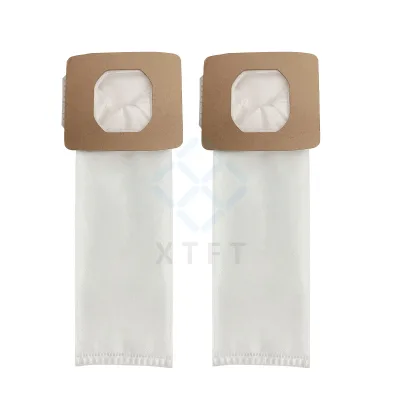
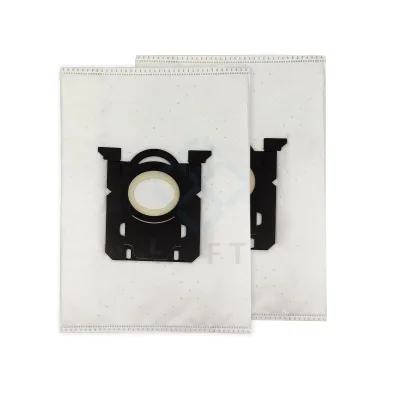
Comprehensive Sourcing Guide
Type C Vacuum Cleaner Bags Sourcing Guide
Procuring replacement bags for vacuum cleaners requires a nuanced understanding of filtration mechanics and compatibility, particularly when navigating the diverse landscape of household and commercial cleaning equipment. Buyers must distinguish between bagless cyclone systems and traditional bagged canister or backpack models, as the latter rely heavily on specific bag architectures to maintain suction efficiency and prevent motor damage. The market offers a wide array of options, from standard dust cup filters to specialized acarid-killing brush attachments, necessitating a clear definition of the end-use environment before initiating any supplier engagement.
This guide focuses on the critical evaluation criteria for sourcing vacuum cleaner components, including bags and filters, with an emphasis on technical verification and commercial due diligence. While the term "Type C" may refer to specific connector standards or bag shapes in certain regional markets, the core procurement challenge lies in matching the bag’s material integrity and filtration grade to the vacuum’s airflow dynamics. Sourcing decisions should be driven by observed listing signals, such as packaging details and supply ability, rather than generic marketing claims, ensuring that the selected components meet the rigorous demands of both residential and commercial cleaning operations.
Product Scope and Observed Listing Signals
The current market landscape for vacuum cleaner accessories reveals a significant divergence in product classifications, ranging from hand-held units to heavy-duty backpack vacuums. Observed listings indicate a strong presence of OEM-branded components, with model numbers such as HR-408, LF22, and LF31 appearing frequently, suggesting a fragmented supply chain where generic parts are repackaged for various end-users. Buyers should note that while some products are marketed as "bagless" with cyclone dust collectors, others explicitly list "with bag" or "dust bag filter" attributes, highlighting the need to verify the specific filtration mechanism required for the target vacuum model.
Packaging and logistical signals provide additional context for supplier reliability and product handling. Data points such as a gross weight of 7.3 kg and net weight of 5.9 kg for box-packed items suggest that some listings may represent bulk accessory kits rather than single-use bags. Furthermore, the presence of "Carton Package" and "Customized" standard attributes indicates that suppliers are prepared for private labeling and bulk distribution. Buyers must carefully cross-reference these packaging details with the actual product description to avoid receiving mismatched components, such as receiving a side cyclone collector when a dust bag filter was intended.
Technical Specifications to Verify
Technical verification begins with confirming the physical dimensions and material composition of the vacuum cleaner bags or filters. The supplied data highlights a variety of standard sizes, including 40mm*32mm and 50X15X15CM, which likely correspond to different vacuum canister or backpack dimensions. Buyers must ensure that the bag’s material, often listed as plastic or synthetic fabric, is compatible with the vacuum’s airflow rate and static pressure requirements. Additionally, the presence of features like "Ultra Fine Air Filter" and "Dust Cup Filter" suggests that filtration efficiency is a key differentiator, requiring buyers to specify the desired micron rating or dust retention capability to prevent fine particulate escape.
Functional attributes and installation methods further refine the technical requirements. Listings mention "Hand Held" and "Backpack" installation types, indicating that the bag design must accommodate specific ergonomic and structural constraints. For instance, backpack vacuums may require durable, tear-resistant bags with secure sealing mechanisms to withstand movement and vibration, whereas hand-held units might prioritize compactness and ease of disposal. Buyers should also verify the power consumption of the vacuum system, as some listings cite 230W, which influences the suction strength and, consequently, the bag’s ability to handle high-volume debris without clogging prematurely.
Compliance and Safety Documentation
Compliance with international safety and environmental standards is non-negotiable for vacuum cleaner accessories, particularly those used in residential settings. The observed listings frequently cite RoHS and CE certifications, which are critical for ensuring that the materials used in the bags and filters do not contain hazardous substances and meet European safety directives. Buyers must request valid certification documents from suppliers to verify that these claims are current and applicable to the specific batch of goods being procured. Without proper documentation, there is a risk of non-compliance with import regulations, leading to customs delays or product recalls.
Beyond basic certifications, buyers should consider the specific application environment when evaluating safety requirements. For commercial use cases, such as cleaning in healthcare or hospitality sectors, additional hygiene standards may apply, requiring bags that are leak-proof and resistant to bacterial growth. The mention of "Acarid Killing Brush" and "Purpose of Use: for Home Use" suggests that some products are designed for allergen control, which may necessitate HEPA-grade filtration standards. Buyers should clarify whether the supplier provides test reports for filtration efficiency and material safety, ensuring that the products meet the specific health and safety expectations of the end-user market.
Cost Drivers and Commercial Terms
Cost structures for vacuum cleaner bags are influenced by several factors, including material quality, packaging complexity, and order volume. The observed MOQ range of 1-1230 pieces indicates a flexible supply chain, allowing buyers to start with small trial orders or scale up to large bulk purchases. However, buyers should be aware that lower MOQs may come with higher unit prices, while larger orders might offer volume discounts but require stricter commitment to delivery schedules. The supply ability of 2000 pieces per day and 100,000 per month suggests that suppliers have the capacity to handle significant demand, but buyers should confirm lead times to ensure timely replenishment.
Commercial terms and payment methods also play a crucial role in the procurement process. The mention of "T/T" (Telegraphic Transfer) as a payment term is standard for B2B transactions, but buyers should negotiate clear terms regarding deposit percentages and balance payments upon shipment. Additionally, the availability of "Free Spare Parts" as an after-sales service can reduce long-term maintenance costs, providing value beyond the initial purchase. Buyers should also consider the port of dispatch, such as Ningbo, as it may impact shipping costs and transit times, especially for international orders.
Supplier Qualification and Quality Control
Supplier qualification requires a thorough assessment of manufacturing capabilities and quality control processes. Buyers should verify the supplier’s origin, with listings indicating production in Zhejiang and Jiangsu provinces, which are known hubs for vacuum cleaner manufacturing. This geographic concentration can offer advantages in terms of supply chain efficiency and component availability, but it also necessitates careful vetting to ensure that suppliers adhere to consistent quality standards. Buyers should request samples to evaluate the fit, durability, and filtration performance of the bags before committing to large orders.
Quality control measures should include regular inspections of raw materials and finished products to prevent defects such as tears, leaks, or improper sealing. Buyers should inquire about the supplier’s internal testing protocols, including checks for material strength and filtration efficiency. Additionally, the availability of customization services, as indicated by the "Customization: Available" attribute, suggests that suppliers can tailor products to specific requirements, but this requires close collaboration and clear technical specifications. Buyers should establish a robust quality assurance framework, including periodic audits and performance reviews, to maintain consistent product quality over time.
Long-Term Procurement Checks
Long-term procurement success depends on establishing strong relationships with reliable suppliers and continuously monitoring market trends. Buyers should regularly review supplier performance metrics, such as on-time delivery rates, product defect rates, and responsiveness to issues. The ability to customize products, as seen in the listings, offers opportunities for differentiation, but buyers must ensure that customization does not compromise quality or increase costs disproportionately. Regular communication with suppliers can help identify new product developments, such as improved filtration technologies or eco-friendly materials, that may enhance the value proposition.
Additionally, buyers should stay informed about regulatory changes and consumer preferences that may impact the demand for vacuum cleaner bags. For instance, increasing awareness of indoor air quality may drive demand for higher-efficiency filters, while environmental concerns may favor biodegradable or recyclable bag materials. By maintaining a proactive approach to supplier management and market analysis, buyers can mitigate risks and capitalize on emerging opportunities, ensuring a steady supply of high-quality vacuum cleaner components that meet the evolving needs of their customers.
FAQs
What certifications do the vacuum cleaner bags have?
The vacuum cleaner bags carry RoHS and CE certifications to ensure safety and compliance. These standards verify that the products meet specific environmental and health requirements for international markets. Buyers can rely on these documented certifications when sourcing for regulated regions.
Which customization options are available for these bags?
Customization is available for the vacuum cleaner bags to meet specific buyer requirements. This allows for tailored solutions regarding dimensions or branding without compromising the core functionality of the product. Buyers should contact suppliers directly to discuss specific customization needs.
Can I find bags with a specific filtration type?
Yes, the product listings include options with dust cup filters and dust bag filters. Some models also feature ultra-fine air filters for enhanced cleaning performance. Buyers can select the filtration type that best suits their specific vacuum cleaner model and cleaning needs.
What is the minimum order quantity for these bags?
The minimum order quantity varies by supplier, ranging from 1 piece up to 1230 pieces. Some specific listings indicate a minimum of 1000 pieces for certain models. Buyers should check individual product pages to confirm the exact MOQ for their desired order size.
How are the vacuum cleaner bags packaged for shipping?
The bags are typically packaged in boxes or carton packages for safe transport. Specific packaging details often include gross and net weights to assist with logistics planning. This ensures the products arrive in good condition and are ready for immediate distribution or use.
Which supplier locations offer these vacuum cleaner bags?
Suppliers are located in regions such as Zhejiang and Jiangsu in China. These areas are known for manufacturing vacuum cleaner accessories and parts. Buyers can source products directly from these established manufacturing hubs to ensure quality and availability.
What is the daily supply capacity for these bags?
The supply capacity can reach up to 2000 pieces per day for certain models. Other listings indicate a monthly capacity of 100000 pieces. This high capacity ensures that bulk orders can be fulfilled efficiently without significant delays in the supply chain.