Source Water Resistant Foldable Packing Cubes for Travel, Storage, and Organizing
Compare 30 listings for Water Resistant Foldable Packing Cubes with varying materials like polyester and nylon. Buyers can evaluate customization options, MOQs, and delivery times for storage boxes and cooler bags suitable for leisure or fashion use.
Key considerations
Products List


Custom Packing Cubes Travel Organizer Cubes Compressible Packing Cubes for Suitcases
$13.50 - $15.80
MOQ: 500 Pieces


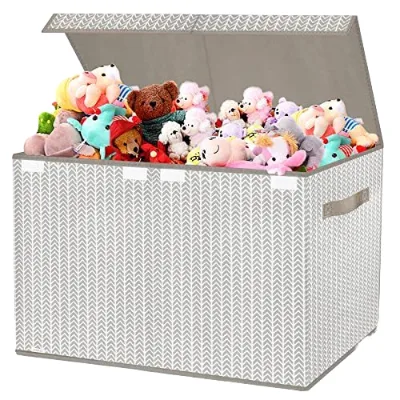

Household Storage Box Fabric Collapsible Storage Bins Foldable Cube Organizer
$0.80 - $1.80
MOQ: 1000 Pieces


Comprehensive Sourcing Guide
Strategic Sourcing Guide for Water Resistant Foldable Packing Cubes
Understanding Product Attributes and Material Composition
When sourcing water-resistant foldable packing cubes, buyers must first distinguish between products that are fully waterproof and those that are merely water-resistant. The market offers a diverse range of specifications, and the core keyword often encompasses items with varying degrees of protection. Based on observed product data, the material composition is a primary determinant of performance. The most prevalent material identified in this category is polyester, which offers a balance of durability and flexibility. However, some listings indicate the use of nylon for the inside material, suggesting a layered construction where an outer shell provides structural integrity while an inner lining offers specific functional benefits.
It is critical to note that not all products labeled under this category share identical water resistance properties. While some items are explicitly marked as "Waterproof," others are listed as "Not Waterproof." This distinction is vital for procurement decisions. A buyer seeking protection for electronics or documents must verify the specific "Waterproof" attribute on the product specification sheet, rather than assuming all foldable cubes offer this level of protection. The hardness of the product also varies; observations show options ranging from "Soft" to "Medium Soft." This attribute influences how the cubes pack into luggage and whether they can maintain their shape when empty.
The shape of the packing cubes is another significant variable. The market includes "Cube Type" designs, which are ideal for maximizing volume in suitcases, as well as "Horizontal Square" and "Rectangular" shapes. These geometric differences dictate the internal organization capabilities. For instance, rectangular shapes may be better suited for flat items like shirts, while cube types accommodate bulkier clothing. Additionally, the folding mechanism is essential; the products are designed to be "Unfolded" for use and folded for storage, aligning with the "Folded" attribute observed in the data. The closure mechanism is almost universally a "Zipper," which provides a secure seal, though the quality of the zipper track is a factor that requires physical inspection during the sampling phase.
Technical Specifications and Customization Options
Customization is a dominant feature in the packing cube market, allowing buyers to tailor products to specific brand identities or functional requirements. The "Customization" attribute is widely available, extending to the product logo, which can be customized on the exterior surface. This is a standard practice for B2B buyers looking to brand their inventory. Furthermore, the size of the cubes is often "Customized," meaning that standard dimensions are not the only option. Buyers can request specific measurements to fit unique luggage compartments or to create a modular system with varying cube sizes.
The product models observed in the market, such as NC250929, NC250930, EDRU116, and various AM-series codes, indicate a high degree of SKU variety. These models often correspond to specific combinations of materials, shapes, and features. For example, one model might be a polyester cooler bag with a specific capacity, while another is a simple storage box. The "Standard" attribute is also listed as "Customized," suggesting that manufacturers can adapt production standards to meet buyer-specific quality expectations rather than adhering to a rigid, one-size-fits-all industry norm.
Packing and logistics specifications are equally important for international trade. The "prod_packing" attribute shows that items may come in "Customary Packing" or "Carton" packaging. This distinction affects the shipping volume and the protection level during transit. For bulk orders, carton packaging is often preferred to prevent damage to the cubes during stacking. The origin of the products is primarily China, with specific mentions of Guangdong as a production hub. This regional concentration suggests a mature supply chain with established logistics networks, but it also necessitates careful verification of the specific factory location to ensure quality control consistency.
Cost Drivers and Minimum Order Quantities
The cost structure for water-resistant foldable packing cubes is influenced by several key variables, including material type, customization level, and order volume. The observed price range in the market spans from $0.50 to $15.80 USD. This wide variance reflects the difference between basic, non-branded cubes and premium, fully waterproof, custom-designed units. The lower end of the price spectrum likely corresponds to simple polyester cubes with minimal customization, while the higher end includes complex constructions with nylon linings, specialized waterproofing treatments, and custom branding.
Minimum Order Quantities (MOQ) are a critical factor in budgeting and inventory planning. The data indicates an MOQ range of 100 to 10,000 units, with specific listings showing MOQs of 300 pieces and 500 pieces. This variability allows buyers to scale their orders based on their market size and risk tolerance. Smaller buyers may find suppliers with lower MOQs, such as 300 pieces, which reduces the initial capital outlay. However, larger orders often benefit from economies of scale, potentially lowering the per-unit cost. Buyers must balance the desire for a lower MOQ against the need for a competitive unit price.
Lead times and sample availability are also cost drivers. The sample date is typically 7-10 days, allowing buyers to evaluate product quality before committing to a large order. The delivery date for bulk production is observed to be between 35 and 45 days. This timeline includes production, quality control, and shipping preparation. Delays in the supply chain or complex customization requirements can extend these lead times. Buyers should factor these durations into their inventory planning to avoid stockouts. Additionally, the "Capacity" attribute, observed in some listings as 1000-2000ml, may influence the material usage and, consequently, the cost. Larger capacity cubes will naturally require more material and may command a higher price point.
Compliance, Certification, and Quality Verification
In the realm of B2B procurement, compliance and certification are paramount, yet the provided data does not list specific third-party certifications or standards for the packing cubes. Buyers must therefore adopt a proactive approach to verification. Since the "prod_standard" is listed as "Customized," it implies that the manufacturer may not adhere to a single, universal standard but rather adapts to buyer requirements. This places the onus on the buyer to define and verify the necessary quality benchmarks.
Buyers should request documentation regarding the materials used, particularly for the "Waterproof" claims. While some products are marked as waterproof, others are not, and the distinction must be validated through testing. Common tests for water resistance include spray tests or immersion tests, which determine the fabric's ability to repel moisture. For products claiming to be waterproof, buyers should ask for test reports or evidence of the coating process used. Similarly, the durability of the zipper and the strength of the stitching are critical quality indicators that should be verified through physical inspection of samples.
The origin of the products, specifically China and Guangdong, suggests a need for due diligence regarding manufacturing practices. Buyers should verify that the suppliers adhere to ethical labor standards and environmental regulations, even if not explicitly stated in the product listing. The "Season" attribute is listed as "All," indicating that these products are designed for year-round use, which simplifies inventory planning but requires the product to withstand varying environmental conditions. Buyers should ensure that the materials selected can handle temperature fluctuations and humidity without degrading.
Typical Applications and Usage Scenarios
The versatility of water-resistant foldable packing cubes makes them suitable for a wide array of applications. The primary use case is travel, where the cubes help organize luggage efficiently. The "Style" attributes observed, such as "Leisure," "Fashion," and "Simplicity," suggest that these products cater to both casual travelers and fashion-conscious consumers. The "Gender" is listed as "Unisex," broadening the potential market to include all demographics.
Beyond general travel, the "Usage" attribute highlights specific applications such as "Sundries" and "Shoes." This indicates that the cubes are designed to separate different types of items, keeping the luggage tidy and preventing cross-contamination. For example, a buyer might use one cube for shoes to keep them separate from clean clothing, and another for toiletries, leveraging the water-resistant properties to contain potential spills. The "Storage Boxes & Bins" classification further expands the utility of these products to home organization, where they can be used to sort items in closets or drawers.
The "Shape" and "Size" customization options allow for specialized applications. For instance, a "Horizontal Square" shape might be ideal for storing flat documents or electronics, while a "Cube Type" is better for bulky clothing. The "Folded" attribute ensures that when not in use, the cubes can be compacted, saving space in the luggage or at home. This feature is particularly valuable for frequent travelers who need to maximize the utility of their luggage space. The "Capacity" of 1000-2000ml observed in some listings suggests that these cubes can hold a significant volume of items, making them suitable for extended trips or large-scale storage needs.
Supplier Evaluation and Long-Term Procurement Strategy
Selecting the right supplier is crucial for the success of any procurement project involving packing cubes. Buyers should evaluate suppliers based on their ability to meet the specific customization requirements, such as logo placement, material selection, and size specifications. The presence of multiple product models, such as NC250929 and AM26082601, indicates that suppliers have a diverse portfolio and the capacity to handle different product variations. Buyers should assess the supplier's flexibility in adapting to these variations without compromising quality.
Quality control is a continuous process that extends beyond the initial sample approval. Buyers should establish clear quality benchmarks and conduct regular inspections during production. The "Hardness" and "Waterproof" attributes should be verified at multiple stages of the manufacturing process to ensure consistency. Additionally, the "prod_packing" method should be agreed upon in advance to prevent damage during shipping. The "Delivery Date" of 35-45 days should be monitored closely, with contingency plans in place for potential delays.
Long-term procurement considerations include building a strong relationship with the supplier to ensure consistent supply and pricing stability. The "MOQ" of 300 to 500 pieces allows for a manageable entry point, but buyers should plan for future growth and potential increases in order volume. The "Sample Date" of 7-10 days is a good indicator of the supplier's responsiveness and efficiency. Buyers should also consider the "Season" attribute, ensuring that the supplier can maintain production levels year-round to meet fluctuating demand. Finally, the "prod_origin" in China, Guangdong, suggests a robust supply chain, but buyers should remain vigilant about geopolitical factors and logistics disruptions that could impact delivery times.
Comparative Analysis of Product Variants
To aid in decision-making, buyers can compare different product variants based on key attributes. The following table summarizes the observed differences in material, shape, and water resistance across the product range.
| Attribute | Variant A (Cube Type) | Variant B (Horizontal Square) | Variant C (Rectangular) |
|---|---|---|---|
| Material | Polyester | Polyester | Plastic |
| Inside Material | Nylon | N/A | N/A |
| Waterproof | Waterproof | Not Waterproof | N/A |
| Shape | Cube Type | Horizontal Square | Rectangular |
| Hardness | Soft | Medium Soft | N/A |
| Style | Leisure | Fashion | Countryside Style |
| Usage | General Storage | Sundries, Shoes | Storage Boxes & Bins |
| Color | Grey | Black | N/A |
| MOQ | 300 PCS | 500 | Variable |
This comparison highlights the importance of selecting the right variant based on specific needs. For instance, if water resistance is a priority, Variant A is the clear choice. If the focus is on organizing shoes and sundries, Variant B or C might be more appropriate. The "Style" and "Color" options also allow buyers to align the product with their brand identity or target market preferences. By carefully evaluating these attributes, buyers can make informed decisions that optimize both functionality and cost-effectiveness.
FAQs
Can I customize the logo on these packing cubes?
Yes, the logo can be customized on the exterior surface of the cubes. This feature is widely available for B2B buyers looking to brand their inventory, allowing for specific design requirements to be met during production.
What is the minimum order quantity for these items?
The minimum order quantity varies between 300 and 500 pieces depending on the specific supplier and model. Some listings show an MOQ of 300 pieces, while others require 500, allowing buyers to scale orders based on their market size.
How long does it take to receive a sample?
Samples are typically available within 7 to 10 days. This short turnaround allows buyers to evaluate product quality and material composition before committing to a larger bulk order for their specific sourcing needs.
Are all Water Resistant Foldable Packing Cubes waterproof?
No, not all products are waterproof; some are explicitly listed as not waterproof. Buyers must verify the specific waterproof attribute on the product specification sheet to ensure the item meets their protection requirements for electronics or documents.
What materials are commonly used for these cubes?
The most prevalent material is polyester, often paired with a nylon inside material for specific functional benefits. This combination offers a balance of durability and flexibility, though some listings also mention plastic for storage box variations.
Where are these products typically manufactured?
The products originate primarily from China, with specific production hubs located in Guangdong. This regional concentration suggests a mature supply chain with established logistics networks, though factory locations should be verified for quality control consistency.