Source Tarot Card Box for Gift, Game, and Educational Toy
Compare 30 custom Tarot Card Box options from China suppliers. Buyers can select from paper or plastic materials with CMYK printing, various sizes, and OEM branding for gifts, games, and educational toys.
Key considerations
Products List
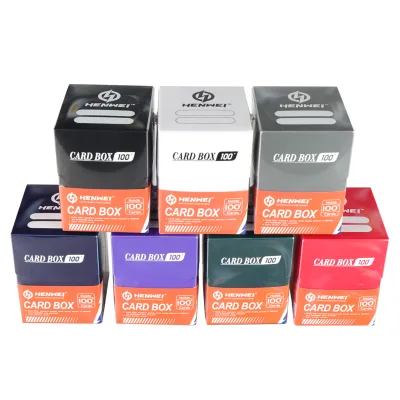
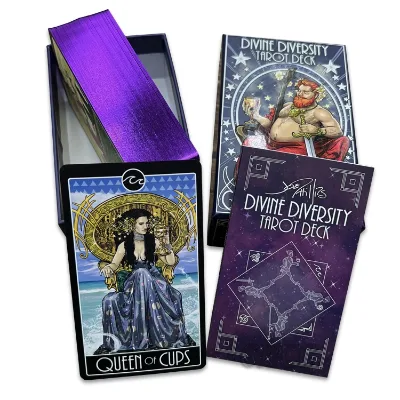
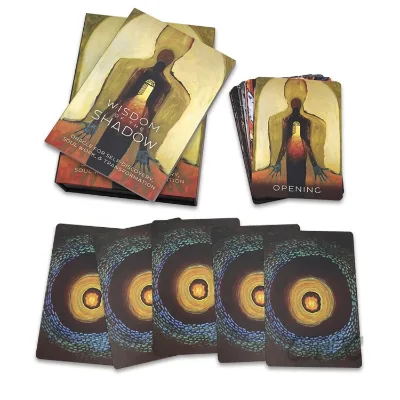
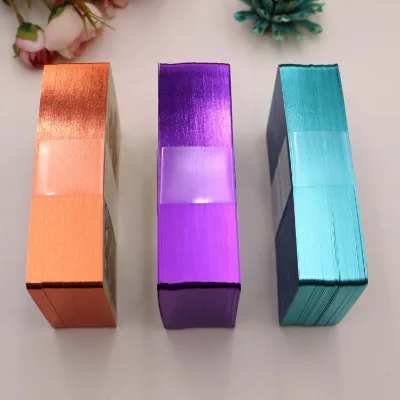
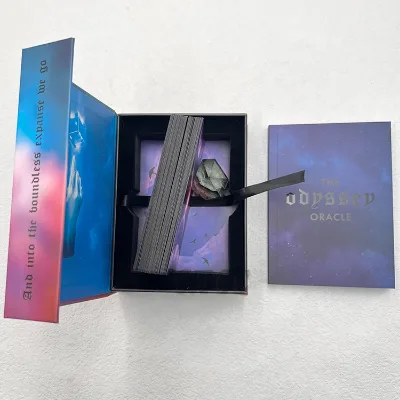

PU Tarot Card Storage Box Portable Leather Game Poker Deck Tarot Card Case Frame
$4.00 - $4.50
MOQ: 100 Pieces


80 Cards Capacity Game Storage Tarot Deck Box PU Leather Oracle Organizer Case
$4.00 - $4.50
MOQ: 100 Pieces

Deck Box Mtg Yugioh Card Deck Case Custom Card Deck Box Trading Card Case
$0.45 - $0.69
MOQ: 1000 Pieces
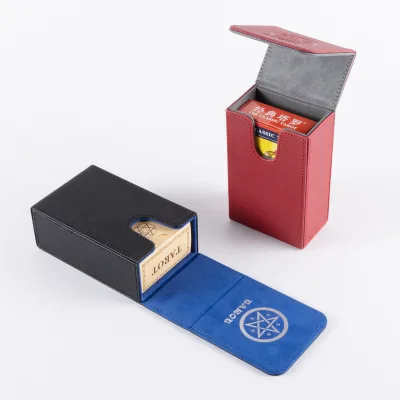


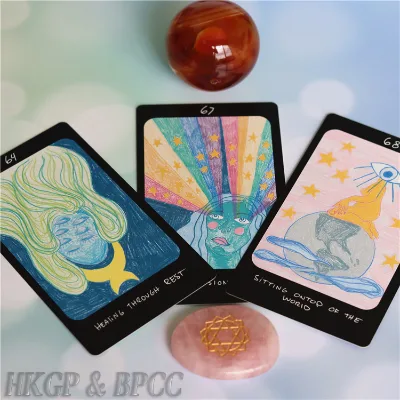
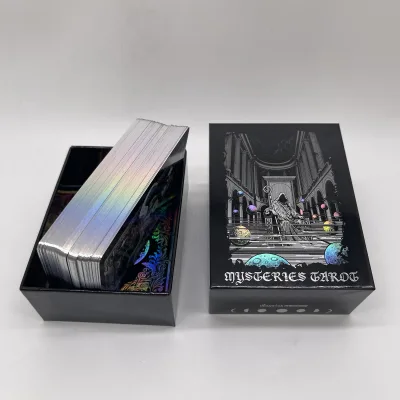
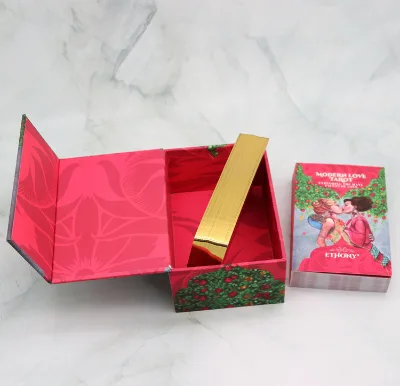
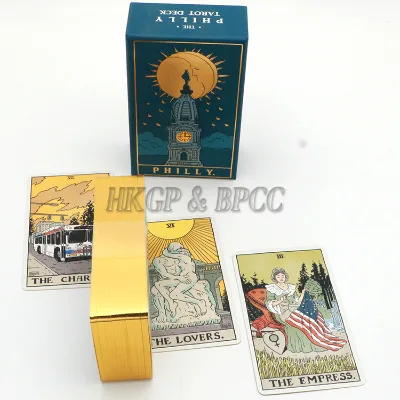
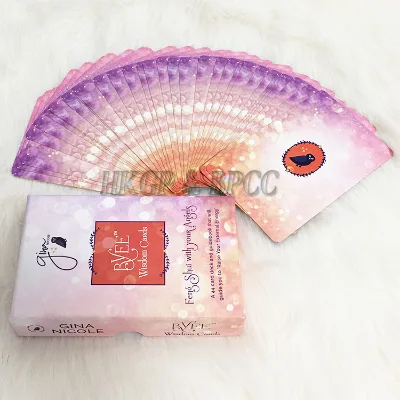
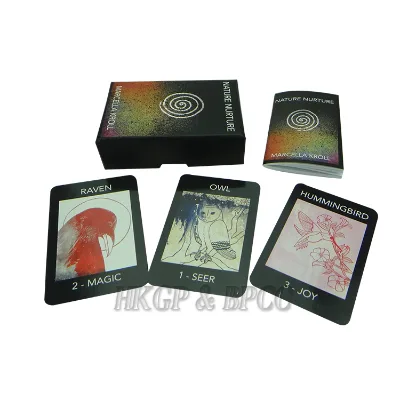
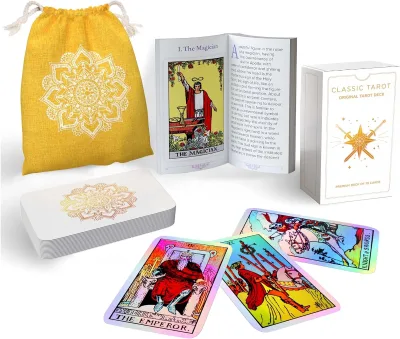


$10.00 - $12.00
MOQ: 10 pieces


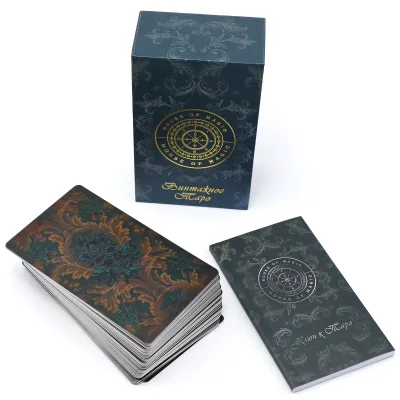
Comprehensive Sourcing Guide
Strategic Sourcing Guide for Custom Tarot Card Boxes
Understanding Product Specifications and Material Variations
When sourcing tarot card boxes, the primary objective is to align the physical attributes of the packaging with the specific needs of the product, whether it is a standard playing deck, a custom oracle set, or a collectible item. The market presents a diverse range of specifications, and buyers must carefully evaluate the material composition and dimensional requirements before placing orders. Based on current market observations, the most prevalent material for these containers is paper or paperboard, often utilizing high-grade art paper with weights ranging from 300gsm to 400gsm. This range ensures the box possesses sufficient rigidity to protect the cards while maintaining a premium tactile feel that is essential for the tarot and oracle card market. However, it is also critical to note that alternative materials, such as plastic, are available for specific use cases, particularly where durability and water resistance are prioritized over the traditional aesthetic of paper.
Dimensional consistency is another critical technical factor. The observed market data indicates a significant variance in box sizes, reflecting the different card formats available. Common dimensions include 70x120mm and 88x126mm, which typically accommodate larger, standard-sized decks. Conversely, smaller formats are observed at 57x87mm and 63x88mm, suitable for compact travel decks or specific oracle sets. Buyers must verify the exact internal dimensions of their card stock before finalizing the box design, as a mismatch can lead to cards that are too loose or too tight, potentially causing damage during shipping or use. Furthermore, the structural design of the box varies significantly. The "Tuck Box" and "Rigid Box" are standard configurations, offering different levels of perceived value and structural integrity. Additionally, specialized designs such as "Magnetic Flip Boxes" are available, providing a more secure closure mechanism that enhances the unboxing experience and protects the contents from accidental spillage.
Design Customization and Printing Capabilities
Customization is a defining characteristic of the Tarot Card Box market, with the vast majority of suppliers offering fully bespoke solutions. The "Product Name" often includes terms like "Custom" or "OEM," indicating that the design is not off-the-shelf but tailored to the buyer's brand identity. The printing capabilities observed in the supply chain support high-fidelity reproduction of intricate designs. The standard printing methods include CMYK (Cyan, Magenta, Yellow, Black) for full-color process printing and PMS (Pantone Matching System) for spot colors, ensuring brand consistency and accurate color reproduction. This is particularly important for tarot decks, which often rely on specific color palettes to convey mood and symbolism.
The customization extends beyond just the exterior graphics. Buyers can often request custom logos, specific pattern types, and unique color schemes. The market data shows a wide array of color options, ranging from solid colors like Blue, Brown, White, Black, Red, Purple, and Grey to multi-color designs. The ability to print with logos and custom designs is a standard feature, allowing brands to create a cohesive look that extends from the cards themselves to the packaging. However, it is important to treat these design options as observations of available capabilities rather than guaranteed outcomes for every supplier. The "Design" attribute is listed as "Custom Designs," but the execution quality depends heavily on the supplier's specific equipment and expertise. Buyers should request digital proofs and physical samples to verify that the chosen printing method (such as offset printing) can achieve the desired resolution and color accuracy before committing to a large order.
Packaging Standards and Logistics Considerations
The logistics of shipping tarot card boxes require careful attention to packaging details to prevent damage during transit. The standard packaging protocol observed involves a multi-layered approach. Individual boxes are typically wrapped in cellophane or shrink wrap to protect the surface finish from scuffs and moisture. These wrapped units are then packed into inner and outer export cartons to ensure safe shipment. The "Packaging Details" often specify that a set includes 78 cards into a box with a guidebook on top, all secured within the outer carton. This level of detail is crucial for buyers who need to calculate shipping costs and storage requirements accurately.
The supply chain also dictates specific logistical parameters that influence the overall procurement strategy. The "Place of Origin" is predominantly China, with specific manufacturing hubs noted in Guangdong. The "Port of Dispatch" is frequently Shenzhen, a major logistics hub that facilitates efficient export. Lead times are a significant factor in planning; the observed production time ranges from 15 to 20 days. This duration should be factored into the buyer's inventory planning, especially for time-sensitive product launches. Additionally, the "Selling Units" are often listed as single items, but the "MOQ" (Minimum Order Quantity) is a critical constraint. While some listings suggest an MOQ of 10 units, high-confidence data points to a standard MOQ of 500 sets for custom orders. This discrepancy highlights the need for buyers to verify the specific MOQ with each supplier, as it can vary based on the complexity of the design and the volume of the order.
Cost Drivers and Financial Terms
Understanding the cost structure of tarot card boxes is essential for budgeting and margin analysis. The observed price range in the market is broad, spanning from $0.12 to $12.00 per unit. This wide variance is driven by several key factors, including the material quality, the complexity of the printing, the box structure (e.g., rigid vs. tuck), and the order volume. Lower-priced items typically correspond to simpler designs, standard paper stocks, and higher order volumes, while premium pricing reflects high-end materials like 400gsm art paper, magnetic closures, and intricate custom designs.
Payment terms are another critical financial consideration. The standard payment structure observed is a 30% deposit followed by a 70% balance payment. This arrangement is common in the industry to mitigate risk for both the buyer and the supplier. The deposit secures the production slot and covers initial material costs, while the balance is typically due upon completion of the goods or before shipment. Buyers should also consider the "Supply Ability" of the supplier, which can reach up to 10,000,000 sets per month. While this indicates a high-volume capacity, it also suggests that the supplier may prioritize larger orders, potentially affecting the lead time for smaller batches.
Supplier Evaluation and Quality Assurance
Evaluating suppliers requires a systematic approach to ensure reliability and product quality. The "Brand Name" is often listed as "OEM," indicating that the supplier operates as an original equipment manufacturer capable of producing goods under the buyer's brand. However, the absence of a specific brand name on the listing does not diminish the supplier's capability; rather, it emphasizes the private-label nature of the business. Buyers should verify the supplier's "Production Time" and "Supply Ability" to ensure they can meet demand without compromising quality.
Quality control is paramount, especially given the delicate nature of the product. The "Card Stock" weight (300gsm, 350gsm, or 400gsm) is a direct indicator of durability, but the actual performance depends on the manufacturing process. Buyers should request samples to test the box's structural integrity, the adhesion of the print, and the functionality of any closures (such as magnetic flaps). The "Single gross weight" and "Single volume" are often listed as 0.0 kg and 0 cm³ in generic listings, which is likely a data entry placeholder rather than a factual measurement. Buyers must insist on accurate weight and volume data to calculate shipping costs and storage needs correctly. Furthermore, the "Function" of the box is described as protecting, collecting, and displaying cards, so the quality control process should specifically test these functions.
Long-Term Procurement and Market Applications
The long-term viability of sourcing tarot card boxes depends on the supplier's ability to scale and adapt to market trends. The "Application" of these products is diverse, including gifts, games, educational toys, and indoor gaming. This versatility allows buyers to target multiple market segments, from hobbyists to educational institutions. The "Use" is explicitly defined as "Tarot Card," but the packaging can often be adapted for other card games or collectibles.
For long-term procurement, buyers should focus on building a relationship with suppliers who demonstrate flexibility in customization and consistent quality. The "Customization" attribute is listed as "Available," suggesting that suppliers are open to iterative design changes. However, buyers must maintain clear communication regarding design specifications to avoid misunderstandings. The "Pattern Type" is also customizable, allowing for unique visual identities that can differentiate a product in a crowded market.
In conclusion, sourcing tarot card boxes requires a detailed understanding of the technical specifications, material options, and logistical constraints. By carefully evaluating the supplier's capabilities, verifying the quality of the product, and understanding the cost drivers, buyers can make informed decisions that align with their business goals. The market offers a wide range of options, from standard paper boxes to premium magnetic cases, providing ample opportunity for brands to create unique and high-quality packaging solutions.
| Feature Category | Observed Options | Key Verification Points |
|---|---|---|
| Material | Paper, Paperboard, Plastic | Verify GSM weight (300-400gsm) and structural rigidity. |
| Dimensions | 57x87mm, 63x88mm, 70x120mm, 88x126mm | Confirm internal fit for specific card deck sizes. |
| Box Type | Tuck Box, Rigid Box, Magnetic Flip Box | Test closure mechanism and ease of access. |
| Printing | CMYK, PMS, Offset Printing | Request proofs for color accuracy and resolution. |
| MOQ | 10 - 1000 (Standard: 500) | Confirm minimum order quantity for custom designs. |
| Lead Time | 15 - 20 Days | Plan inventory based on production schedule. |
| Packaging | Cello-wrap, Shrink Wrap, Export Cartons | Verify outer carton strength and protection levels. |
| Origin | China (Guangdong) | Confirm port of dispatch (e.g., Shenzhen) for logistics. |
FAQs
What materials are used for tarot card boxes?
Most boxes are made from paper or paperboard, often using 300gsm to 400gsm art paper for rigidity. Some plastic options exist for durability, but paper remains the standard for premium tactile feel.
Which box types are available for custom orders?
Common styles include Tuck Boxes, Rigid Boxes, and Magnetic Flip Boxes. These designs offer varying levels of structural integrity and closure security to suit different branding and protection needs.
How can I customize the printing on the box?
Suppliers offer CMYK and PMS printing to ensure accurate color reproduction for intricate designs. Buyers can request custom logos, specific pattern types, and unique color schemes to match their brand identity.
What is the typical minimum order quantity for these boxes?
The standard minimum order quantity is 500 sets for custom designs, though some listings may show lower figures. Buyers must verify the specific MOQ with each supplier before placing an order.
Can I get a magnetic flip box for my tarot deck?
Yes, magnetic flip boxes are available as a specialized design option. This style provides a secure closure mechanism that enhances the unboxing experience and protects contents from accidental spillage.
What are the standard dimensions for tarot card boxes?
Sizes vary by deck format, with common dimensions including 70x120mm, 88x126mm, 57x87mm, and 63x88mm. Buyers should verify internal dimensions to ensure a proper fit for their specific card stock.
How long does production take for custom tarot boxes?
The typical production time ranges from 15 to 20 days. This duration should be factored into inventory planning, especially for time-sensitive product launches or seasonal campaigns.