Source Water Soluble PVA Powder for Wall Putty, Tile Adhesive, and Plastering Mortar
Compare 30 listings of Water Soluble PVA Powder from verified suppliers. Buyers can evaluate specifications like bonding strength, setting time, and purity levels for construction applications such as wall putty and tile adhesive.
Key considerations
Products List


Factory Water Soluble Powder PVA Polyvinyl Alcohol PVA Pvoh Cold Water Soluble
$1000.00 - $1500.00
MOQ: 23 Tons

China High Quality Water Soluble PVA Glue Powder for Sale Industrial Grade
$1000.00 - $1500.00
MOQ: 23 Tons

China Chemical PVA Powder/Flakes Polyvinyl Alcohol Water Soluble for Adehsive Glue
$1000.00 - $1500.00
MOQ: 23 Tons


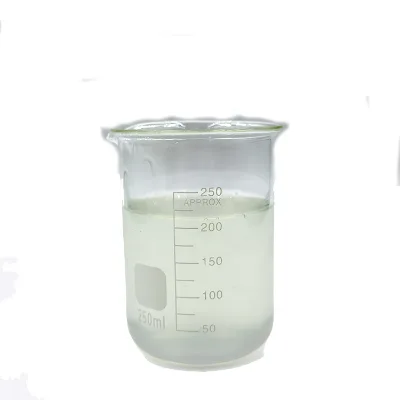


Chemical Factory China Producer PVA 1788/2488 Powder Polyvinyl Alcohol PVA
$2000.00 - $2350.00
MOQ: 10 Tons


Comprehensive Sourcing Guide
Strategic Sourcing Guide for Water Soluble PVA Powder
Understanding Product Specifications and Variants
When sourcing water-soluble polyvinyl alcohol (PVA) powder, buyers must first navigate a complex landscape of technical specifications that define the material's performance in industrial applications. The core product, often identified by the chemical formula (C2H4O)n and CAS No. 9002-89-5, presents itself as a white powder with a distinct morphology. The observed data indicates a density of approximately 1.080g/cm3, which is a critical physical property for calculating shipping weights and storage requirements. While the product is fundamentally an organic material classified as an alcohol, its specific utility is dictated by its degree of hydrolysis and molecular weight, often reflected in model numbers such as PVA-AS, PVA-102, PVA-114, PVA-060, PVA-054, and PVA 100-84.
The purity of the powder is a primary differentiator among suppliers. The market data reveals a range of purity claims, with specific instances noting 99.9%, 99.5%, 99.0% minimum, and 95%. Buyers must verify which purity tier aligns with their specific production tolerances, as higher purity grades often command different pricing structures and are essential for applications requiring strict chemical consistency. Furthermore, the melting point is observed to be greater than 300 degrees, a threshold that influences processing temperatures during extrusion or mixing. The boiling point data, listed at -14.5 degrees, suggests specific volatility characteristics that must be understood in the context of drying and curing processes.
The following table summarizes the key technical attributes observed in the current market data to assist buyers in their initial screening:
| Attribute | Observed Value/Range | Relevance to Procurement |
|---|---|---|
| Appearance | White Powder | Visual quality control and identification of contaminants. |
| Density | 1.080g/cm3 | Critical for logistics, packaging volume, and dosage calculations. |
| Purity Levels | 95% to 99.9% | Determines suitability for high-grade vs. industrial applications. |
| Melting Point | >300 Degree | Defines thermal processing limits and stability. |
| Solubility | Water-Soluble | Fundamental requirement for the intended application. |
| Classification | Alcohol / Hot Melt | Indicates chemical family and potential processing methods. |
| Origin | China (Shandong, Linyi City) | Impacts logistics, tariffs, and supply chain lead times. |
Compliance, Certification, and Grade Standards
Navigating the regulatory and quality assurance landscape is essential for B2B procurement of chemical powders. The supplied information highlights that the product is available in "Construction Grade" and "Industrial Grade" standards. These designations are not merely marketing terms but indicate adherence to specific industry benchmarks. For construction applications, the material must meet rigorous safety and performance criteria, often verified through standardized testing protocols. Buyers should explicitly request documentation confirming the grade standard, as the difference between industrial and construction grades can dictate the permissible use cases and liability exposure.
The product's origin is consistently listed as China, with specific mentions of Shandong Province and Linyi City. While this geographic data provides insight into the supply chain's geography, it does not inherently confirm compliance with international standards such as ISO or REACH. Buyers must treat the "Grade Standard" and "Standard Package" (Kraft Paper Package) as starting points for verification rather than guaranteed certifications. The presence of an EC Number (209-183-3) and CAS Number (9002-89-5) confirms the chemical identity, but these numbers alone do not validate the safety data sheet (SDS) or environmental compliance of a specific batch.
When evaluating compliance, procurement teams should verify the following:
- Material Safety Data Sheets (MSDS): Ensure the SDS matches the specific model number and purity grade being purchased.
- Batch Testing Reports: Request recent third-party test results for the specific lot, focusing on viscosity, ash content, and residual monomer levels.
- Certification Validity: Confirm that any claimed certifications are current and applicable to the specific export destination.
- Packaging Standards: Verify that the Kraft Paper Package meets moisture resistance requirements, as PVA is hygroscopic and sensitive to humidity.
Cost Drivers and Pricing Dynamics
The pricing structure for water-soluble PVA powder is influenced by a convergence of factors, including purity, packaging, and order volume. The observed price range in the market spans from $0.01 to $2,350, a variance that reflects the difference between small sample orders, bulk industrial shipments, and high-purity specialty grades. This wide range underscores the importance of defining the total cost of ownership rather than focusing solely on the unit price.
Minimum Order Quantities (MOQ) are another significant cost driver, with observed ranges extending from 1 unit to 50,000 units. Suppliers offering lower MOQs may charge a premium per unit to cover handling and logistics costs associated with smaller shipments. Conversely, buyers committing to larger volumes can negotiate more favorable pricing tiers. The packaging specification of 25kg per bag is a standard unit of measure that impacts handling efficiency and storage costs. Buyers should calculate the cost per kilogram, including freight and insurance, to make accurate comparisons between suppliers.
Additional cost considerations include:
- Customization Fees: The availability of customization suggests that tailored formulations or packaging may incur additional charges.
- Logistics from Origin: Shipping from Linyi City, Shandong, involves specific freight routes and potential port handling fees that vary by destination.
- Technical Support: The inclusion of 24-hour online technical support is a value-added service that can reduce downtime and material waste, effectively lowering the operational cost of the product.
Typical Applications and Performance Requirements
Water-soluble PVA powder serves a diverse array of industrial sectors, with the most prominent applications found in construction, textiles, and adhesives. In the construction sector, the material is widely utilized for wall putty, crack-resistant plastering mortar, tile adhesive, and crack fillers. The primary function in these applications is to improve bending strength and enhance bond strength, ensuring the structural integrity of the final product. The fast-setting characteristic of the powder is particularly valuable in construction environments where rapid curing times are necessary to maintain project schedules.
Beyond construction, the product finds utility in the footwear, leather, fiber, and garment industries. Here, the PVA acts as a binder or sizing agent, providing necessary adhesion and flexibility. The classification as a "Hot Melt" agent suggests its use in applications requiring thermal activation, while its water-soluble nature allows for easy cleanup and processing in aqueous systems. In textile and paper processing, the material contributes to weatherability and surface finish.
The specific performance requirements vary by application:
- Construction: Requires high bonding strength and fast setting times to ensure durability and speed of installation.
- Textile: Demands consistent viscosity and solubility to prevent defects in fabric processing.
- Adhesives: Needs high purity and specific molecular weight to achieve the desired tack and shear strength.
Supplier Evaluation and Selection Criteria
Selecting the right supplier requires a rigorous evaluation process that goes beyond price comparison. Buyers should prioritize suppliers who demonstrate transparency in their product specifications and offer robust after-sales support. The availability of 24-hour online technical support is a strong indicator of a supplier's commitment to customer success, as it ensures that any production issues can be addressed promptly.
Key evaluation criteria include:
- Technical Capability: Can the supplier provide detailed technical data sheets and assist with formulation adjustments?
- Production Capacity: Does the supplier have the capacity to meet the required volume, especially during peak demand periods?
- Quality Control: What internal quality control measures are in place to ensure batch-to-batch consistency?
- Customization Flexibility: Can the supplier accommodate specific model numbers or purity requirements?
- Reputation and History: While specific supplier names should not be recommended, buyers should seek references and review the supplier's track record in the industry.
Buyers should also assess the supplier's ability to handle the "Customization" aspect of the product. The ability to tailor the PVA powder to specific needs, such as adjusting the degree of hydrolysis or modifying the particle size, can be a decisive factor in securing a competitive advantage.
Quality Control and Long-Term Procurement Considerations
Ensuring consistent quality is paramount in long-term procurement strategies. The observed variations in purity (ranging from 95% to 99.9%) highlight the need for strict quality control protocols. Buyers should implement incoming quality checks that verify the physical appearance, density, and solubility of the powder. Regular testing for viscosity and ash content is recommended to ensure the material meets the specified grade standards.
Long-term procurement considerations also involve supply chain resilience. Given that the product originates from specific regions in China, buyers should develop contingency plans to mitigate risks associated with geopolitical tensions, logistics disruptions, or seasonal production fluctuations. Establishing a relationship with a supplier who offers customization and technical support can provide a buffer against market volatility.
Furthermore, the environmental impact of the product should be considered. As an organic material with water-soluble properties, PVA powder is generally considered environmentally friendly, but buyers should verify the disposal guidelines and any potential regulatory requirements in their destination markets. The "Weatherability" characteristic noted in the product attributes suggests that the material can withstand environmental exposure, but this should be validated through specific testing for the intended application environment.
In conclusion, sourcing water-soluble PVA powder requires a balanced approach that considers technical specifications, compliance standards, cost dynamics, and supplier reliability. By focusing on these key areas, buyers can secure a supply chain that supports their operational needs while maintaining high standards of quality and performance.
FAQs
What are the primary applications for Water Soluble PVA Powder?
The powder is primarily used in construction for wall putty, plastering mortar, and tile adhesive. It also serves in footwear and textile industries as a binder. These applications rely on its high bonding strength and fast setting time to improve structural integrity.
Which specifications define the Water Soluble PVA Powder models?
Available models include PVA-AS, PVA-102, PVA-114, PVA-060, PVA-054, and PVA 100-84. These variants differ in purity levels ranging from 95% to 99.9% and are classified as construction or industrial grade to meet specific performance requirements.
How is the Water Soluble PVA Powder packaged for shipment?
The product is standardly packaged in 25kg kraft paper bags. This packaging method ensures moisture resistance and protection during transit. Buyers can also request customization for specific packaging needs if required by their logistics chain.
Can buyers access technical support for Water Soluble PVA Powder?
Yes, 24-hour online technical support is available for buyers. This service assists with formulation adjustments and troubleshooting production issues. It helps ensure the material performs correctly in applications like crack fillers and adhesives.
What is the origin location for Water Soluble PVA Powder?
The product originates from China, specifically Linyi City in Shandong Province. This geographic location influences logistics routes and potential tariffs. Buyers should account for shipping times when planning orders from this specific region.
What purity levels are available for Water Soluble PVA Powder?
Purity levels range from 95% to 99.9% depending on the specific grade. Higher purity grades are often required for applications demanding strict chemical consistency. Buyers must verify the exact purity tier to match their production tolerances.