Source Water Spray Gun for Irrigation, Cleaning, and Garden Use
Explore 30 listings for Water Spray Gun options including plastic and stainless steel models with adjustable pressure. Buyers can compare specifications, certifications, and customization features from verified suppliers in China.
Key considerations
Products List




$1.00 - $70.00
MOQ: 50 Pieces


$2.62 - $3.25
MOQ: 600 Pieces
Comprehensive Sourcing Guide
Strategic Sourcing Guide for Water Spray Gun Procurement
Understanding Product Variants and Technical Specifications
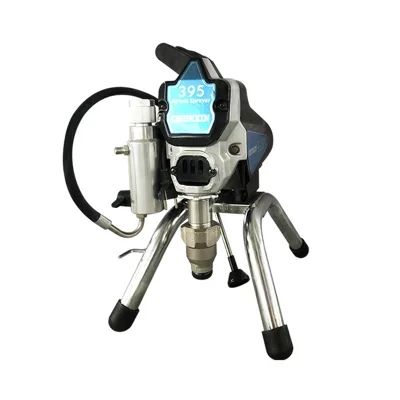
The procurement of water spray guns requires a nuanced understanding of the diverse product landscape, as the term encompasses everything from simple garden accessories to high-pressure industrial equipment. Based on observed market data, buyers must first distinguish between the intended application, as specifications vary drastically across categories. One distinct segment includes dial-type sprinklers designed for irrigation, which operate on pressure sources and feature adjustable pressure controls. These units are often constructed from plastic materials and are packaged on cards for retail distribution. In contrast, another significant category involves high-pressure airless spray equipment, which may utilize manual operation methods and is often associated with industrial coating processes.
Technical specifications are the primary differentiator in this market. Buyers should verify the working pressure range, as observed data indicates units operating between 2-4 MPa for specific hose connector applications, while other heavy-duty models may function at 0.7 MPa. Power sources also present a critical decision point; while some units are pressure-driven or electric (operating at 110V or 220V), others in the industrial sector rely on gasoline power sources. The physical dimensions and weight are equally vital for logistics planning. Observed listings show weights ranging from 1 lb for lighter handheld units to 25 kg for larger industrial machines. Furthermore, the coating process is a specific technical attribute to consider; some units utilize water-based coatings, while others may be designed for electrostatic spray application methods.
The model numbers serve as a unique identifier for these technical variations. Specific models such as SM3016, SM3017, and MJ150-45E represent distinct configurations, while others like BL-G030 and Santon2501 indicate specialized fittings or larger machinery. Buyers must cross-reference these model numbers with the required application method to ensure compatibility. For instance, a model designated for garden hose connectors will differ fundamentally from a unit designed for electrostatic spraying. The standard size, such as 1/2'' fittings, must be verified against existing infrastructure to prevent installation failures.
Compliance, Certification, and Regulatory Standards
Navigating the regulatory landscape is essential for B2B procurement, particularly when sourcing from international markets. The supply chain for water spray guns is characterized by a variety of certifications that validate product safety and environmental compliance. Observed market data confirms the presence of several key certifications, including CE, ISO, RoHS, and Reach. These are critical for entry into European and North American markets, ensuring that the materials and manufacturing processes meet stringent safety and chemical restrictions.
In addition to general safety certifications, specific regional standards apply. Some products are listed with ENASTM certifications, indicating adherence to specific European and American testing standards. It is important for buyers to verify that the certification status applies to the specific model being procured, as a supplier may hold certifications for one product line but not another. The "Standard" attribute observed in listings often refers to general manufacturing standards, but buyers should request detailed documentation to confirm if the product meets specific industry norms for pressure vessels or electrical safety.
For products intended for children or recreational use, additional compliance checks are necessary. Data indicates that some spray gun variants are categorized for ages 3-8 years, implying they must meet specific toy safety standards regarding choking hazards and material toxicity. The "Funny" usage classification suggests these are novelty items, which may have different regulatory requirements compared to industrial-grade equipment. Buyers must ensure that any product claiming to be for children has undergone the appropriate testing for age-appropriate safety.
Cost Drivers and Pricing Structures
The pricing structure for water spray guns is highly variable, driven by a complex interplay of material costs, manufacturing complexity, and customization levels. The observed price range in the market spans from $0.25 to $1,690 USD, reflecting the vast difference between a simple plastic irrigation component and a full industrial high-pressure airless spray system. This wide range necessitates a clear definition of requirements before engaging in price negotiations.
Material composition is a primary cost driver. Units constructed from plastic are generally more affordable and suitable for light-duty applications, whereas models made from stainless steel command higher prices due to durability and corrosion resistance. The weight of the unit, ranging from 1 lb to 25 kg, also correlates with material volume and complexity, directly influencing the unit cost. Additionally, the power source affects pricing; gasoline-powered units and those with complex electrical systems (110V/220V) are typically more expensive than simple pressure-driven mechanical units.
Customization is another significant factor in cost determination. While some suppliers offer customization for logos, colors, and packaging, others provide non-customized, standard inventory. The availability of customization allows for branding opportunities but often increases the unit price and minimum order quantity (MOQ). The observed MOQ range of 1 to 5,000 units suggests that buyers can source small quantities for testing or evaluation, but bulk orders may be required to achieve the lower end of the price spectrum. Packaging methods, such as wooden cases, cartons, or blister cards, also add to the overall cost, with more protective packaging like wooden cases typically increasing the price for heavy industrial units.
Typical Applications and Operational Context
Water spray guns serve a multitude of applications, ranging from residential gardening to heavy industrial coating. Understanding the specific use case is crucial for selecting the right equipment. In the agricultural and landscaping sectors, dial-type sprinklers with irrigation features are common. These units are designed for efficient water distribution and are often used in conjunction with garden hose connectors and fittings. The adjustable pressure control feature allows operators to fine-tune the spray pattern for different crop types or soil conditions.
Industrial applications often require high-pressure airless spray equipment. These units are utilized for coating large surfaces, such as in construction, automotive, or manufacturing settings. The electrostatic spray application method is a specialized technique used to ensure even coverage and reduce material waste, making it ideal for high-volume production environments. The working pressure of 2-4 MPa is suitable for these demanding tasks, providing the necessary force to atomize paint or other coatings effectively.
Recreational and novelty applications also exist within the market. Products designed for children, with bright colors like green, yellow, orange, and black, are intended for fun and play. These units often feature simple color logos and pad print imprints, focusing on visual appeal rather than technical performance. The age range of 3-8 years indicates a specific target demographic, requiring safety features that prevent injury during play. Buyers must carefully match the product's intended application with the operational environment to avoid purchasing under-spec or over-spec equipment.
Supplier Evaluation and Quality Control
Evaluating suppliers requires a rigorous assessment of their capabilities, production standards, and after-sales support. The observed data indicates that suppliers offer a range of after-sales services, with a common offering of one year of support. This warranty period is a critical factor in mitigating risk, especially for high-value industrial equipment. Buyers should verify the terms of the warranty, including what is covered and the process for claims.
Quality control begins with the manufacturing process. The condition of the products is listed as "New," which is a baseline expectation, but buyers should request evidence of quality assurance processes. The coating process, specifically water-based coatings, should be verified for consistency and durability. For stainless steel units, the quality of the steel and the welding or assembly processes are paramount. Suppliers should be able to provide test results or quality reports that confirm the product meets the specified standards.
Packaging is another indicator of supplier reliability. The variety of packaging options, from tie-on cards to wooden cases and sealed color boxes, suggests that suppliers have the capability to handle different logistics requirements. However, buyers must ensure that the packaging is sufficient to protect the product during transit, especially for heavy units weighing up to 25 kg. The origin of the products, such as Beijing, China, provides context for the supply chain but does not guarantee quality; buyers should verify the specific factory's reputation and production capacity.
Long-Term Procurement and Operational Considerations
Sourcing water spray guns is not merely a transactional activity but a strategic decision that impacts long-term operational efficiency. Buyers should consider the lifecycle of the equipment, including maintenance requirements and the availability of spare parts. The "1 Years" after-sales service is a starting point, but buyers should inquire about the long-term support structure. For industrial units, the availability of replacement parts and technical support is essential to minimize downtime.
The customization options, such as logo printing and color selection, can enhance brand visibility and user identification. However, these customizations should be evaluated for their long-term durability. Simple color logos and pad print imprints may fade over time, especially in outdoor or high-wear environments. Buyers should assess the longevity of these features and whether they align with the expected lifespan of the equipment.
Finally, the standardization of components is crucial for long-term procurement. The observed standard of 1/2'' fittings and 60-inch dimensions suggests a level of interoperability. Buyers should ensure that the selected products adhere to these standards to facilitate easy replacement and integration with existing systems. The "Standard" attribute in the product data indicates a baseline, but buyers must verify that the specific model meets the required industry standards for their specific application. By focusing on these long-term considerations, buyers can build a resilient supply chain that supports their operational goals.
Comparative Analysis of Product Attributes
To assist buyers in making informed decisions, the following table summarizes key attributes observed in the market. This comparison highlights the diversity of the product range and the specific factors that should be evaluated during the sourcing process.
| Attribute Category | Observation A (Irrigation/Dial) | Observation B (Industrial/High Pressure) | Observation C (Recreational/Novelty) |
|---|---|---|---|
| Sprinkler Type | Dial | N/A | N/A |
| Power Source | Pressure | Gasoline, Electric (110V/220V) | Pressure |
| Material | Plastic | Stainless Steel | Plastic |
| Working Pressure | Adjustable | 2-4 MPa | 0.7 MPa |
| Weight | Variable | 25 kg | 1 lb |
| Application | Garden Hose Connectors | Electrostatic Spray | Funny/Play |
| Certification | CE, ISO, RoHS, Reach | ENASTM, CE | Age 3-8 Years |
| Packaging | Tie on Card | Wooden Case | Sealed Colorbox |
| Customization | Available | Available | Simple Color Logo |
This table illustrates that no single product fits all needs. The choice depends heavily on the specific operational requirements, regulatory environment, and budget constraints. Buyers must carefully map their needs against these attributes to select the most appropriate solution.
FAQs
What certifications do water spray guns typically have?
Many units carry CE, ISO, RoHS, Reach, and ENASTM certifications. These validate safety and environmental compliance for international markets, though specific models may vary in their certified status.
Which power sources are available for industrial spray equipment?
Options include pressure-driven, electric (110V or 220V), and gasoline power sources. Selection depends on the application, with industrial units often requiring gasoline or high-voltage electric systems.
Can buyers request customization for logos and colors?
Customization is available for some models, offering options for colors like green, yellow, orange, and black. However, other products are listed as non-customized, so verification is required before ordering.
How does the working pressure vary across different models?
Working pressure ranges from 0.7 MPa for certain units to 2-4 MPa for hose connector applications. Adjustable pressure controls are also available on specific dial-type sprinklers for irrigation tasks.
What materials are used to construct these spray guns?
Materials include plastic for lighter irrigation units and stainless steel for durable industrial equipment. The choice affects weight, with some units weighing 1 lb while others reach 25 kg.
Which packaging types are used for shipping these products?
Packaging options include tie-on cards, blister cards, cartons, wooden cases, and sealed color boxes. The selection often depends on the product weight and whether it is for retail or industrial use.
What is the typical after-sales service period offered?
A one-year after-sales service is commonly provided for these products. Buyers should verify specific warranty terms to ensure coverage for maintenance and potential claims on industrial units.