Source Waterproof Aluminum Louvered Pergola for Courtyards, Balconies, Pools
Explore 30 listings for the Waterproof Aluminum Louvered Pergola, featuring motorized operation, rain sensors, and customizable sizes. Buyers can compare specifications, materials, and pricing to find suitable options for outdoor sun protection.
Key considerations
Products List


Aluminium Waterproof Louvered Pergola for Outdoor Aluminum Garden Pergola
$80.00 - $160.00
MOQ: 9 Square Meters


New Design Motorized Louvered Pergola Outdoor Waterproof Louvered Aluminum Pergola
$180.00 - $210.00
MOQ: 10 Square Meters

New Design Outdoor Outdoor Waterproof Louvered Aluminum Pergola
$180.00 - $240.00
MOQ: 9 Square Meters

Waterproof Pergola Louver Gazebo Outdoor Roof Aluminum Pergola
$180.00 - $210.00
MOQ: 10 Square Meters


All Weather Louvered Aluminum Waterproof Pergola for Backyard, Patio, Garden
$210.00 - $230.00
MOQ: 10 square meters

Aluminium Pergola Waterproof Louvered Pergola Outdoor Aluminum Garden Pergola
$700.00 - $800.00
MOQ: 1 Pieces

Modern Design Aluminium Louvre Pergola Outdoor Aluminum Waterproof Gazebo
$699.00 - $899.00
MOQ: 60 Sets

Aluminium Waterproof Louvered Pergola Outdoor Garden Aluminum Pergola
$80.00 - $275.00
MOQ: 4 Square Meters

Outdoor Waterproof Sun Shade Aluminum Pergola with Adjustable Louvered Roof
$80.00 - $275.00
MOQ: 4 Square Meters

Waterproof Rustproof Aluminum Louvered Pergola Modern Design Easy to Install Pergola
$225.00 - $300.00
MOQ: 5 Square Meters


Backyard Aluminum Pergola with Waterproof Adjustable Louvered Roof for Outdoor Patio
$250.00 - $280.00
MOQ: 2 Square Meters


New Arrivals Garden Outdoor Aluminum Louvered Pergola with Aluminum Shutter
$129.00 - $189.00
MOQ: 1 Square Meters

Waterproof Aluminum Pergola with Drainage System for Backyard Shade
$80.00 - $160.00
MOQ: 9 Square Meters
Comprehensive Sourcing Guide
Waterproof Aluminum Louvered Pergola Sourcing Guide
Sourcing a Waterproof Aluminum Louvered Pergola requires a disciplined approach to verifying material integrity, mechanical reliability, and supplier capability. These structures serve as premium outdoor shading solutions, combining architectural aesthetics with functional weather protection. Buyers must navigate a market where product names often overlap, ranging from simple sun shades to complex bioclimatic systems with integrated sensors. The core value proposition lies in the durability of the aluminum frame and the precision of the louver mechanism, which together determine the unit’s lifespan and performance under varying environmental conditions.
This guide provides a structured framework for evaluating suppliers and products based on observed market signals and technical realities. It focuses on critical verification steps that protect procurement value, from confirming alloy grades to understanding commercial terms. By adhering to these evidence-based criteria, procurement teams can mitigate risks associated with quality inconsistencies, hidden costs, and operational failures. The following sections detail the specific attributes, compliance requirements, and long-term considerations necessary for a successful sourcing strategy.
Product Scope and Observed Listing Signals
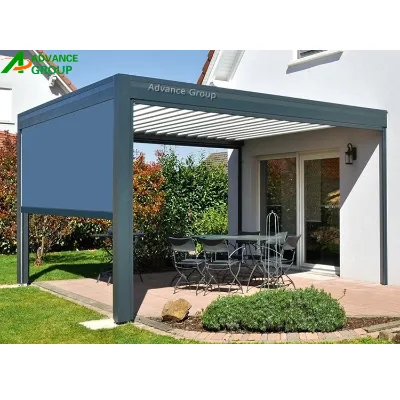
The current market for waterproof aluminum pergolas exhibits a wide variance in pricing and configuration, reflecting the high degree of customization available. Observed listing prices range significantly, indicating that base models differ substantially from fully equipped bioclimatic systems. Buyers should expect to encounter products labeled as "Aluminium Louvre Roof Bioclimatic Pergola" or "Outdoor Sunshade Pergola," which may include optional accessories such as side screens, heaters, or rain and wind sensors. The presence of these add-ons often drives the price toward the higher end of the spectrum, necessitating clear definition of the required feature set before requesting quotes.
Material composition is a primary differentiator among suppliers, with aluminum alloy being the standard for structural frames. Listings frequently specify the use of 6063-T5 aluminum, known for its strength and corrosion resistance, though some descriptions may simply state "aluminum" or "aluminum alloy." It is crucial to distinguish between solid extruded aluminum frames and lighter, less robust alternatives. Additionally, while the primary structure is metal, some configurations may include PVC cover materials or specific blade treatments to enhance waterproofing. Buyers must verify whether the product is a pure aluminum structure or a hybrid, as this impacts both durability and maintenance requirements.
Technical Specifications to Verify
Frame construction and alloy grade are the most critical technical factors to validate during the sourcing process. The framework should be extruded from solid, robust aluminum, typically 6063 series, to ensure structural integrity against wind loads. Buyers must confirm that the aluminum is not merely coated steel or a weaker alloy, as this directly affects the pergola’s ability to withstand environmental stress. The surface treatment, often powder-coated, provides additional protection against corrosion and UV degradation, ensuring the color remains vibrant and the structure remains intact over time. Verification of the specific alloy grade and coating thickness is essential for long-term performance.
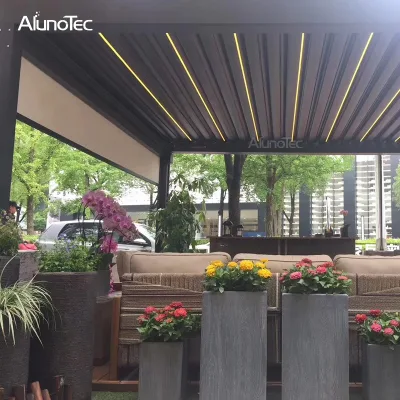
The louver mechanism and operational system define the functional utility of the pergola. Modern units are typically motorized with remote control operation, allowing for precise adjustment of blade angles to control sunlight and ventilation. Advanced models may include integrated rain and wind sensors that automatically close the louvers in adverse weather, providing true waterproof functionality. Buyers should inquire about the motor’s brand, torque capacity, and noise level, as these factors influence user experience and reliability. Additionally, the blade design should be evaluated for its ability to shed water effectively, with some products featuring specific waterproof blade profiles to prevent leakage during heavy rain.
Compliance and Safety Documentation
While specific certification status may vary by supplier, buyers should request documentation that verifies compliance with relevant safety and quality standards. In many markets, CE marking is a common requirement for outdoor structures, indicating adherence to European health, safety, and environmental protection standards. However, the presence of a certification mark alone is insufficient; buyers must verify that the documentation is current and issued by a recognized body. This includes structural load tests, electrical safety certifications for motorized components, and material safety data sheets for coatings and finishes.
Safety features are particularly important for motorized pergolas, as they involve electrical components and moving parts. Buyers should ensure that the product includes appropriate safety mechanisms, such as overload protection for the motor and secure mounting hardware. The installation process should be supported by clear technical manuals and, if possible, on-site guidance from the supplier. Verifying that the supplier provides comprehensive installation instructions and warranty terms is crucial for ensuring that the pergola is assembled correctly and operates safely. This documentation also serves as a reference for future maintenance and troubleshooting.
Cost Drivers and Commercial Terms
The cost of a Waterproof Aluminum Louvered Pergola is influenced by several key factors, including size, customization level, and included accessories. Standard sizes such as 3x3m, 3x4m, 4x4m, and 6x4m are commonly available, but custom dimensions often incur additional charges due to the need for specialized tooling and production adjustments. The inclusion of optional accessories like side screens, heaters, or advanced sensor systems significantly increases the unit price. Buyers should itemize their requirements to avoid unexpected costs and ensure that quotes are comparable across different suppliers.
Commercial terms, including minimum order quantities (MOQ) and lead times, vary widely in the market. Observed MOQs can range from single units for sample orders to larger batches for commercial projects. Lead times are typically dependent on the order size and customization level, with standard delivery times often cited as 20-30 days after deposit receipt. Buyers should clarify these terms early in the negotiation process to align with their project timelines. Additionally, payment terms, shipping methods, and packaging details should be explicitly agreed upon to prevent disputes and ensure smooth logistics.
Supplier Qualification and Quality Control
Supplier qualification is a critical step in mitigating procurement risk, particularly for customized outdoor structures. Buyers should verify the supplier’s manufacturing capabilities, including their experience with aluminum extrusion and motorized assembly. A supplier’s ability to offer samples is a strong indicator of their confidence in product quality and their willingness to engage in a transparent procurement process. Requesting and evaluating a sample allows buyers to assess the build quality, finish, and operational smoothness of the louver mechanism before committing to a larger order.
Quality control measures should be clearly defined and agreed upon prior to production. This includes inspections of raw materials, in-process checks during assembly, and final pre-shipment inspections. Buyers should inquire about the supplier’s quality management systems and their protocol for handling defects or non-conformities. Clear communication regarding packaging standards is also essential, as pergolas are large, fragile items that require careful handling to prevent damage during transit. Proper packaging, such as polywooden crates or shipping cartons with clear lists, helps ensure that the product arrives in pristine condition.
Long-Term Procurement Checks
Long-term procurement success depends on the supplier’s ability to provide ongoing support and maintenance guidance. Buyers should assess the availability of spare parts, such as replacement motors, blades, or control units, to ensure that the pergola can be repaired rather than replaced in the event of a failure. A supplier with a robust after-sales service network can significantly extend the lifespan of the investment and reduce downtime. Additionally, understanding the maintenance requirements, such as cleaning protocols and lubrication schedules, is essential for preserving the product’s appearance and functionality.
Sustainability and ease of assembly are increasingly important considerations for modern procurement. Aluminum is a highly recyclable material, and buyers may prioritize suppliers who demonstrate commitment to sustainable manufacturing practices. Furthermore, pergolas that are designed for easy assembly can reduce installation costs and simplify future modifications. Buyers should evaluate the product’s design for modularity and user-friendly assembly features, as these attributes contribute to a better total cost of ownership. Regularly reviewing supplier performance and product feedback can help identify opportunities for improvement and ensure continued satisfaction with the procurement.
FAQs
Can the aluminum pergola be customized to specific sizes?
Yes, the product supports customized sizes including 3x3m, 3x4m, 4x4m, and 6x4m configurations. The frame is made from solid 6063 aluminum alloy, allowing for tailored dimensions to fit various courtyard or balcony spaces while maintaining structural integrity.
How is the motorized operation controlled for the louvers?
The system operates via a motorized mechanism controlled by a remote control. It includes optional rain and wind sensors to automatically adjust the louvers, ensuring the space remains protected from weather elements while providing sun block and waterproofing.
What materials are used for the frame and cover?
The frame is constructed from extruded 6063-T5 aluminum alloy, which is solid and robust. The cover material is specified as PVC, and the blades are designed to be waterproof, ensuring durability for outdoor applications like swimming pools and patios.
What is the lead time for delivery after payment?
The delivery time is typically 20 to 30 days after the deposit is received. This timeline applies to the manufacturing and shipping process, with the loading port located in Qingdao, China, for international logistics coordination.
Are there optional accessories available for the pergola system?
Yes, optional accessories include side screens, heaters, and sensors to enhance functionality. These additions allow for better climate control and privacy, making the structure suitable for various room spaces such as kitchens, dining rooms, and bedrooms.
What surface treatment is applied to the aluminum frame?
The aluminum frame undergoes a powder coating surface treatment for protection and aesthetics. This process ensures the product is sustainable and requires almost no maintenance, while also allowing for custom-made colors to match specific design preferences.