Source Waterproof Aluminum Static Grounding Assemblies for trucks, rail, and tanks
Find 30 Waterproof Aluminum Static Grounding Assemblies designed for bonding and earthing in hazardous areas. Buyers can compare models like SA-YF and SC series, featuring spring clamps, aluminum construction, and alarm capabilities for industrial safety applications.
Key considerations
Products List
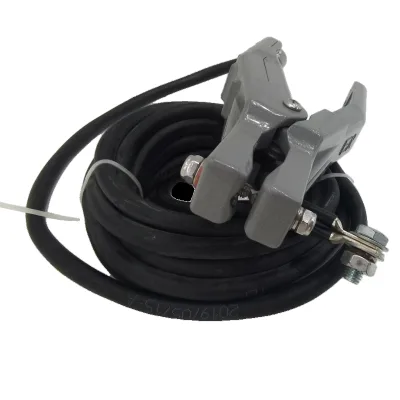


Static Grounding Wire with Atex Clamps CE Certificated Grounding Assembly
$17.10 - $21.40
MOQ: 10 Pieces


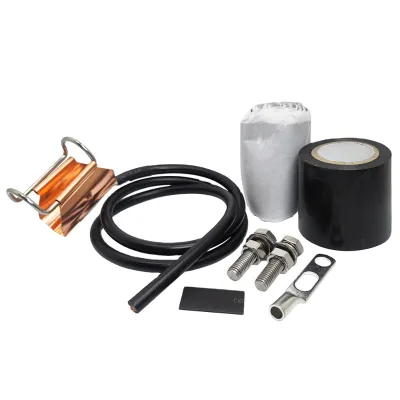


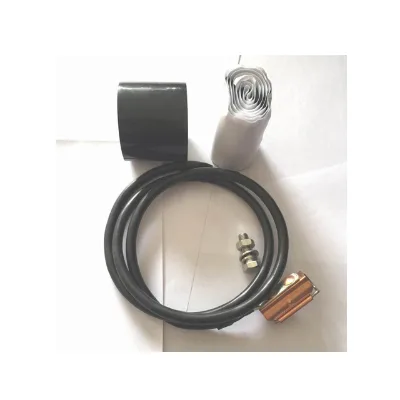
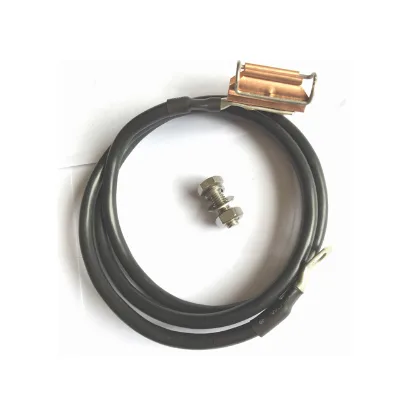
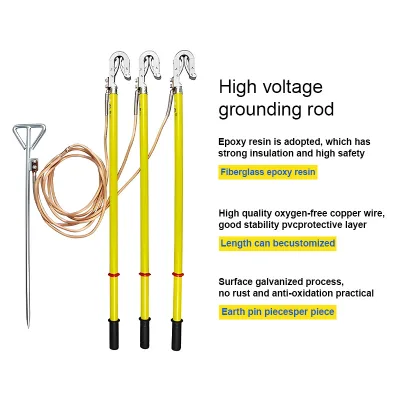


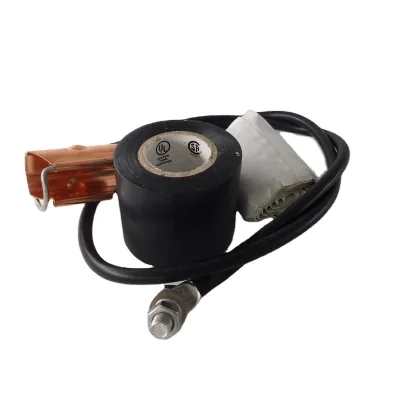


Comprehensive Sourcing Guide
Strategic Sourcing Guide for Waterproof Aluminum Static Grounding Assemblies
Procuring industrial-grade static grounding and earthing assemblies requires a rigorous approach to technical verification, supply chain transparency, and compliance validation. The core keyword "Waterproof Aluminum Static Grounding Assemblies" points to a specialized category of safety equipment designed to dissipate electrostatic charges in hazardous environments. These devices are critical for preventing ignition sources in areas where combustible and explosive atmospheres exist. Buyers must navigate a complex landscape of material specifications, certification requirements, and operational constraints to ensure the selected equipment meets the stringent safety standards of their specific industry. This guide outlines the essential factors for evaluating suppliers and products within this sector, focusing on the observable attributes and verified facts available in the current market.
Technical Specifications and Material Composition
The foundation of a reliable static grounding assembly lies in its material composition and structural design. Based on available product data, the primary material for these assemblies is aluminum, specifically noted as cast aluminum in several high-performance models. Aluminum is selected for its excellent conductivity, corrosion resistance, and lightweight properties, which are vital for heavy-duty applications involving tanker trucks and rail cars. The structural integrity is often reinforced through a spring clamp mechanism, allowing for a secure connection to various conductive surfaces. A critical observation in the market is the variation in weight and dimensions; for instance, specific units are documented with a net weight of 300g, while others, including packaging, reach a gross weight of 1.300 kg.
The physical dimensions of the single package are frequently standardized around 22x15x15 cm, though some industrial variants may differ. The opening size of the clamp is a crucial specification, with a 30mm opening observed in specific models, ensuring compatibility with a wide range of grounding points. The tips of the grounding assembly are equally important; they are often constructed from stainless steel (SS) to ensure durability and resistance to oxidation. The number of tips can vary, with common configurations including two or three tips per unit. Furthermore, the cable component, which connects the clamp to the grounding point, is typically made of stainless steel or copper wire, with lengths ranging from a standard 1 meter to extendable options reaching up to 4 meters. These specifications must be verified against the specific operational needs of the facility, particularly regarding the reach required for tankers and rail cars.
Compliance, Certification, and Safety Standards
In the realm of static grounding, compliance is not merely a formality but a prerequisite for operational safety. The market data indicates that reputable manufacturers often adhere to ISO9001:2008 quality management standards, ensuring consistent production processes. Additionally, specific product certifications such as ISO, CE, and ISORoHS are frequently cited, signaling adherence to international safety and environmental regulations. Buyers must verify that the specific unit they intend to purchase carries these certifications, as they validate the product's ability to function safely in hazardous environments.
The application of these devices is explicitly defined for use in combustible and explosive areas. This classification demands that the equipment be designed to prevent the generation of sparks or static discharges that could ignite flammable vapors. The "waterproof" attribute is a significant feature for outdoor applications or environments where exposure to moisture is likely. While the product listings confirm a waterproof rating, buyers should request specific IP (Ingress Protection) ratings from the supplier to understand the exact level of protection against water and dust. The absence of specific numerical IP ratings in general listings suggests that this is a variable attribute dependent on the specific model, such as the SC-03, SC-T2, or SC-L4 series. Therefore, verification of the waterproof capability against the specific environmental conditions of the site is a mandatory step in the procurement process.
Cost Drivers and Pricing Variables
The pricing for Waterproof Aluminum Static Grounding Assemblies is influenced by a complex array of factors, including material costs, customization requirements, and order volume. The observed price range in the market spans from $0.10 to $800 USD, a wide variance that reflects the diversity of product configurations. Lower-priced items typically represent standard, off-the-shelf models with minimal customization, while higher-priced units likely incorporate advanced features such as alarm systems, extended cable lengths, or specialized alloy compositions.
The Minimum Order Quantity (MOQ) is another significant cost driver, with observed ranges spanning from 1 unit to 5,000 units. For small-scale procurement or pilot testing, buyers can source single items, but bulk purchasing often unlocks more favorable unit economics. The customization option is a key variable; products that allow for tailored specifications, such as specific cable lengths, custom colors, or unique packaging (e.g., PE bags, trays, or plywood cases), will generally command a premium. The brand name, such as ALPTEC, may also influence pricing, as established brands often carry a premium for their reputation and proven track record in the industrial wire harness and security protection sectors. Buyers should analyze the total cost of ownership, considering not just the unit price but also the longevity and maintenance requirements of the equipment.
Typical Applications and Operational Context
The primary application for these assemblies is in the bonding and grounding of large mobile assets, specifically tanker trucks and rail cars. In these contexts, the static grounding assembly serves as a critical safety link, ensuring that any static charge accumulated during the loading or unloading of flammable liquids is safely dissipated to the earth. The heavy-duty usage classification underscores the robustness required for these high-stakes environments. The devices are designed to detect and release static electricity, a function that is paramount in preventing industrial accidents.
Beyond the transportation sector, these assemblies find application in various industrial settings where electronic, automobile, computer, and home appliance manufacturing occurs. The versatility of the product, with applications spanning RF (Radio Frequency) and motorcycle industries, highlights the broad utility of static grounding technology. The "security protection products" classification further emphasizes their role in safeguarding personnel and infrastructure. The specific model numbers, such as AS-2023051 or SC-L1, often correspond to specific use cases or industry types, such as industrial wire harnesses. Understanding the specific operational context is essential for selecting the correct model, as a standard clamp may not suffice for the unique demands of a high-volume rail car terminal compared to a smaller truck loading bay.
Supplier Evaluation and Quality Control
Evaluating a supplier for static grounding assemblies requires a focus on their manufacturing capabilities and quality assurance processes. The place of origin for many of these products is Shandong, China, a region known for its industrial manufacturing base. Buyers should verify the supplier's adherence to the stated certifications, such as ISO9001:2008, and ensure that the production facility maintains the necessary standards for safety-critical equipment. The condition of the product, typically listed as "New," should be confirmed, along with the availability of customization services.
Quality control measures should include rigorous testing of the waterproof rating, the conductivity of the aluminum and stainless steel components, and the mechanical strength of the spring clamp. The single gross weight and package dimensions (e.g., 27x27x15 cm for some standards) provide benchmarks for verifying the consistency of the product. Buyers should request documentation regarding the material composition, specifically the purity of the aluminum and the grade of the stainless steel tips. The packaging method, whether carton, plywood case, or PE bag, also reflects the supplier's attention to detail and their ability to protect the product during transit. A supplier that offers customized packaging and clear labeling demonstrates a higher level of professionalism and reliability.
Long-Term Procurement Considerations
Sourcing static grounding assemblies is a long-term investment in safety and operational continuity. Buyers must consider the lead times, which can vary based on the customization level and order volume. The observed MOQ range of 1 to 5,000 units suggests flexibility, but larger orders may require longer lead times. The availability of spare parts, such as replacement tips or cables, is another critical factor. Since the tips are made of stainless steel and are subject to wear and tear, a reliable supply chain for replacements is essential.
The standardization of the product is also a long-term consideration. While some models have specific standards like 27x27x15 cm, others are customized. Maintaining a consistent product line across different facilities or over time simplifies maintenance and training. The "Industry Type" classification, such as industrial wire harness, indicates that these products are part of a larger ecosystem of safety equipment. Buyers should ensure that the selected grounding assemblies are compatible with existing grounding systems and that the supplier can provide technical support for installation and maintenance. Finally, the evolving nature of safety regulations means that suppliers must be capable of updating their products to meet new standards, ensuring that the procurement remains compliant and effective over the lifespan of the equipment.
Comparative Analysis of Product Attributes
To assist in the decision-making process, the following table summarizes key attributes observed in the market for Waterproof Aluminum Static Grounding Assemblies. This comparison highlights the variability in specifications and helps buyers identify the features most relevant to their specific needs.
| Attribute | Observation 1 | Observation 2 | Observation 3 |
|---|---|---|---|
| Material | Aluminum | Cast Aluminum | Metal / Stainless Steel Tips |
| Structure | Spring Clamp | Spring Clamp | Spring Clamp |
| Weight (Net) | 300g | 450g | Variable |
| Cable Length | 1 M | Extendable to 4m | Variable |
| Tips Quantity | 2 PCS | 3 Tips | 2 Tips |
| Certification | ISO, CE | ISO9001:2008 | ISORoHS |
| Waterproof | Yes | Yes | Yes |
| Application | Tanker Trucks | Combustible Areas | Industrial Wire Harness |
| Model Series | SC-03, SC-T2 | SA-YF | SC-L1, SC-L4 |
| Packaging | Carton or Plywood | PE Bag, Tray | Customized |
This table illustrates that while the core function remains consistent, the specific configuration of the product can vary significantly. Buyers should use this data to cross-reference with their technical requirements, ensuring that the selected model meets the necessary weight, length, and certification criteria for their specific application. By carefully evaluating these attributes, procurement teams can secure high-quality static grounding assemblies that enhance safety and operational efficiency in hazardous environments.
FAQs
What materials are used for Waterproof Aluminum Static Grounding Assemblies?
These assemblies primarily use aluminum or cast aluminum bodies with stainless steel tips. The cables may be constructed from stainless steel or copper wire to ensure durability and conductivity in hazardous environments.
Which certifications are standard for these grounding products?
Standard certifications include ISO9001:2008, ISO, CE, and ISORoHS. These certifications validate that the products meet international quality management and safety standards required for use in combustible and explosive areas.
How do I find suppliers with specific customization options?
You can identify manufacturers offering customization for cable length, color, or packaging. Many suppliers provide options for PE bags, trays, or plywood cases to meet specific industrial wire harness or security protection needs.
What is the typical price range for these grounding assemblies?
The observed price range spans from 0.1 to 800 USD depending on the model and features. Lower costs usually apply to standard single items, while higher prices reflect specialized alarm systems or extended cable lengths.
Can these products be used in explosive environments?
Yes, these assemblies are explicitly designed for use in combustible and explosive areas. They function to detect and release static electricity, preventing ignition sources during the bonding and grounding of tanker trucks and rail cars.
What are the common specifications for cable length and opening size?
Cable lengths typically range from 1 meter to extendable options reaching 4 meters. The clamp opening size is commonly 30mm, allowing secure attachment to various conductive surfaces on heavy-duty industrial assets.
Where are these grounding assemblies typically manufactured?
Most products originate from Shandong, China, a region known for industrial manufacturing. Buyers should verify the place of origin to ensure the supplier meets specific logistical and quality requirements for their facility.