Source Industrial Flatbed X-ray Tube for Medical, Security, and Inspection
Find 30 Industrial Flatbed X-ray Tube options for medical devices, security checks, and high-temperature furnaces. Compare specifications like voltage, tube type, and dimensions to select the right equipment for your industrial needs; compare the available evidence and request quotations based on your requirements.
Key considerations
Products List


Top Sale Digital X Ray Tube Industrial X-ray Food Inspection System
$19800.00 - $59740.00
MOQ: 1 Pieces


Machinery Powered X-ray Tube for Stationary Double-Column X-ray Machine
$699.00 - $3890.00
MOQ: 1 unit

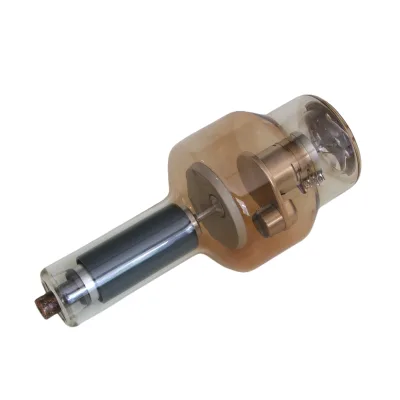

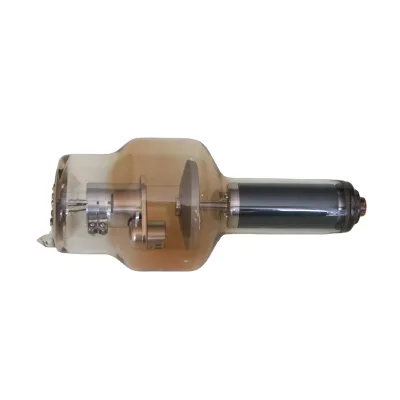
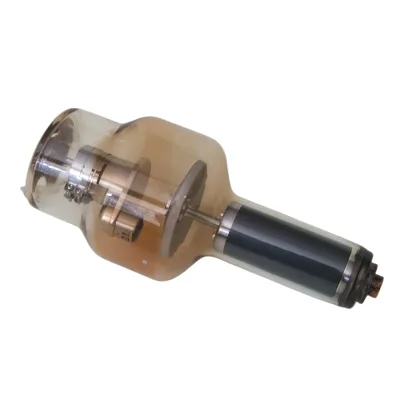

$1700.00 - $2000.00
MOQ: 1 Pieces


Direct Factory Supply of X-ray Tube with Excellent Quality and Performance
$9200.00 - $9500.00
MOQ: 1 Pieces


Premium X-ray Tube for Radiology Systems - Replacement Part for Medical Use
$1000.00 - $3000.00
MOQ: 1 Sets


Digital Xray Machine Insert Tube Medical X-ray Device Medical X Ray Tube
$1999.00 - $2999.00
MOQ: 1 Pieces
Comprehensive Sourcing Guide
Industrial Flatbed X-ray Tube Sourcing Guide
Sourcing industrial flatbed X-ray tubes requires a nuanced understanding of both the radiation source hardware and the integrated detection systems that accompany them. Buyers must distinguish between standalone tube components and complete inspection systems, as the latter often include conveyors, software, and safety enclosures. The market offers a spectrum of solutions, ranging from portable units for field security checks to large, fixed installations for high-throughput industrial logistics. Understanding this distinction is critical for aligning procurement with specific operational workflows, whether the goal is rapid threat detection or detailed internal component analysis.
The decision to procure a flatbed system versus a portable unit hinges on throughput requirements and facility constraints. Flatbed configurations typically support continuous production lines, offering higher stability and integration capabilities for automated environments. In contrast, portable or non-portable variants may be preferred for spot checks or mobile security applications. Procurement teams should evaluate the physical footprint, power requirements, and maintenance accessibility of each configuration to ensure the selected hardware complements existing infrastructure without causing operational bottlenecks or safety hazards in the workplace.
Product Scope and Observed Listing Signals
Market listings for industrial X-ray equipment reveal a diverse range of models, including specific series like XTG100 and XTG1605D/XTG2005D, which cater to varying voltage and application needs. Some products are explicitly labeled as food inspection systems or security check devices, indicating specialized software or hardware optimizations for those sectors. Buyers should note that while some listings emphasize customization support, others describe standardized configurations with fixed dimensions, such as pallet sizes of 2330650280mm or specific detector dimensions of 65 x 50 cm. This variability necessitates careful review of product descriptions to match technical capabilities with intended use cases.
Pricing and minimum order quantities (MOQ) observed in the market span a wide range, from low-cost individual components to high-value complete systems exceeding tens of thousands of dollars. MOQs are generally low, often starting at one unit, which facilitates initial trials or small-scale deployments. However, the significant price disparity reflects differences in technology, such as closed micro-spot tubes versus open systems, and the inclusion of advanced features like high-definition detectors or audible alarms. Procurement teams must correlate these financial metrics with the specific technical specifications required for their application to avoid overpaying for unnecessary features or under-specifying critical performance parameters.
Technical Specifications to Verify
Key technical parameters include X-ray tube voltage, current, and focal spot size, which directly influence image resolution and penetration capability. For instance, some industrial tubes operate at 80kV with a current of 0.6μA and a focal spot size of 100μm, suitable for high-definition inspection of smaller components. Other systems may support higher voltages, such as 160KV or 200KV, for thicker or denser materials. Buyers must verify these electrical characteristics against the material thickness and density of the items being inspected to ensure adequate contrast and detail in the resulting images.
Detector type and alarm mechanisms are equally critical for operational efficiency. Systems may feature industrial high-definition X-ray detectors or conveying X-ray detectors, each offering different levels of image quality and integration speed. Alarm forms, such as display alarms or audible alarms, provide immediate feedback on detected anomalies. Additionally, the automation level and production continuity, whether continuous or batch-based, affect throughput. Procurement teams should confirm that the detector’s resolution and the alarm system’s responsiveness meet the specific quality control standards of their industry, ensuring that defects are identified reliably and promptly.
Compliance and Safety Documentation
Regulatory compliance is paramount when sourcing X-ray equipment, particularly for industrial and security applications. Certifications such as ISO and CE are commonly listed, indicating adherence to international quality and safety standards. Buyers must verify that the equipment complies with local radiation safety regulations, which often require specific shielding, interlocks, and operational protocols. Documentation should include detailed safety manuals, radiation emission reports, and user guides that outline proper handling and maintenance procedures to minimize exposure risks to operators and nearby personnel.
Warranty and support terms also play a crucial role in risk management. A standard one-year warranty is often provided, covering defects in materials and workmanship. However, buyers should clarify the scope of coverage, including whether it extends to consumables or specific components like the X-ray tube itself. Additionally, understanding the supplier’s response time for technical support and spare parts availability is essential for minimizing downtime. Procurement teams should ensure that the contract explicitly defines service level agreements (SLAs) and liability clauses related to equipment failure or safety incidents, protecting the buyer from unforeseen operational disruptions.
Cost Drivers and Commercial Terms
Several factors influence the total cost of ownership for industrial flatbed X-ray systems. The complexity of the X-ray tube, such as whether it is a closed micro-spot type, impacts initial pricing and longevity. Integration with advanced detectors and software platforms also adds to the cost. Buyers should consider not just the purchase price but also installation, training, and maintenance expenses. Customization options, while potentially increasing upfront costs, can reduce long-term operational expenses by improving efficiency and reducing false positives in inspection processes.
Shipping and packaging requirements significantly affect logistics costs. Products may be packed in foam and paper cartons for smaller components or wooden cases and plywood pallets for larger systems. Dimensions and weight, such as an 800kg unit, necessitate specialized handling and freight arrangements. Buyers should factor in these logistical details when budgeting for the project. Additionally, payment terms and currency fluctuations can impact the final cost. Establishing clear commercial terms regarding delivery responsibilities, insurance, and customs clearance ensures that there are no hidden costs that could derail the procurement budget.
Supplier Qualification and Quality Control
Evaluating supplier capability is essential for ensuring the reliability of industrial X-ray equipment. Buyers should assess the supplier’s manufacturing facilities, quality control processes, and track record in the industry. Suppliers originating from regions like Shanghai may have established supply chains and technical expertise, but buyers must verify their ability to meet specific technical requirements and delivery schedules. Requesting references from previous clients in similar industries can provide insights into the supplier’s performance and customer service quality.
Quality control measures should include factory acceptance tests (FAT) and site acceptance tests (SAT) to verify that the equipment meets specified performance criteria before and after installation. Buyers should insist on detailed test reports that confirm the X-ray tube’s output, detector sensitivity, and system stability. Additionally, understanding the supplier’s approach to continuous improvement and post-sale support is crucial. Procurement teams should ensure that the supplier provides comprehensive training for operators and maintenance staff, enabling them to maximize the equipment’s lifespan and performance while adhering to safety protocols.
Long-Term Procurement Checks
Long-term success with industrial X-ray systems depends on proactive maintenance and periodic performance reviews. Buyers should establish a preventive maintenance schedule that includes regular calibration of the X-ray tube and detector, as well as inspection of mechanical components like conveyors and alarms. Tracking key performance indicators (KPIs), such as image quality consistency and system uptime, helps identify potential issues before they lead to costly downtime. Maintaining a log of all maintenance activities and component replacements ensures that the equipment’s history is documented for future reference and troubleshooting.
Technology obsolescence is another consideration for long-term procurement. As inspection standards evolve, older systems may become inadequate for new requirements. Buyers should evaluate the supplier’s roadmap for software updates and hardware upgrades to ensure that the system can adapt to changing needs. Additionally, considering the availability of spare parts and the supplier’s willingness to support legacy systems is crucial. Procurement teams should negotiate contracts that include provisions for future upgrades or replacements, ensuring that the investment remains viable and competitive over the equipment’s operational lifespan.
FAQs
What customization options are available for industrial flatbed x ray tubes?
Support for customization is available for these industrial flatbed x ray tubes. Buyers can request specific configurations to match their unique operational needs. This flexibility allows for tailored solutions in medical devices and high-temperature furnace applications without compromising performance standards.
Which temperature resistance levels do these ceramic tube products offer?
These ceramic tube products offer a temperature resistance of up to 1000 degrees Celsius. This high thermal stability makes them suitable for demanding industrial environments. The robust design ensures reliable operation even under extreme heat conditions found in specialized manufacturing processes.
Can buyers find portable or non-portable industrial x ray tube models?
Both portable and non-portable industrial x ray tube models are available in the current product listings. Buyers can select based on their mobility requirements and site constraints. The variety ensures that different operational setups can be accommodated effectively.
What certifications do the industrial x ray tube manufacturers hold?
The manufacturers hold ISO and CE certifications for their industrial x ray tube products. These credentials verify compliance with international safety and quality standards. Buyers can trust that the equipment meets rigorous regulatory requirements for global deployment and usage.
How is the packaging handled for shipping industrial x ray tube units?
Packaging options include foam with paper cartons, wooden cases, or plywood pallets depending on the specific model. This varied approach ensures safe transport and protection during international shipping. The sturdy packaging prevents damage and maintains product integrity upon arrival.
What warranty period is provided for the industrial x ray tube systems?
A one-year warranty is provided for the industrial x ray tube systems. This coverage protects buyers against manufacturing defects and ensures product reliability. The warranty period offers peace of mind and support for the initial operational phase of the equipment.
Which voltage standards apply to the industrial x ray tube products?
Voltage standards range from 100-350KV up to 200KV depending on the specific model selected. These high-voltage capabilities support diverse industrial and security check applications. The variety allows buyers to choose the precise power output required for their specific inspection tasks.