Source Waterproof Automotive Stator Alternator Connectors for Cars, Trucks, Trailers
Compare 30 verified listings for Waterproof Automotive Stator Alternator Connectors suitable for cars, trucks, and trailers. Buyers can review specifications like pin counts, certifications, and lead times to find suitable suppliers for custom cable assemblies and auto connectors.
Key considerations
Products List


5pin Electric Connector Waterproof Automotive Wiring Connectors for Vehicles
$0.00 - $0.02
MOQ: 1000 Pieces


New and Original Waterproof Electrical Connector 132015-0074 Connector Automotive
$0.00 - $0.02
MOQ: 1000 Pieces


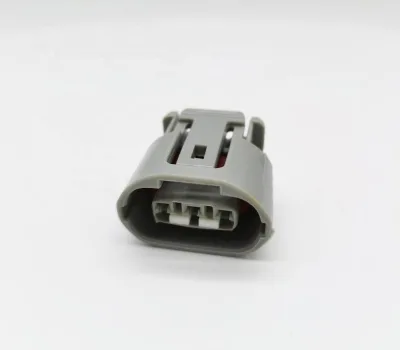


High Voltage Automotive Connectors for Reliable 220V Power Supply
$100000.00 - $200000.00
MOQ: 1 Pieces
Comprehensive Sourcing Guide
Strategic Sourcing Guide for Waterproof Automotive Stator Alternator Connectors
The procurement of Waterproof Automotive Stator Alternator Connectors represents a critical intersection of electrical engineering reliability and supply chain resilience. In the modern automotive ecosystem, the stator and alternator assembly serves as the primary power generation unit, and the integrity of its connectors is paramount to vehicle safety and performance. Buyers seeking these components must navigate a complex landscape where environmental resistance, electrical continuity, and manufacturing precision converge. This guide provides a disciplined approach to sourcing, grounded in verified product attributes and industry standards, ensuring that procurement decisions are based on factual data rather than speculative claims.
Technical Specifications and Interface Requirements
When evaluating waterproof automotive connectors, the primary focus must be on the specific interface type and pin configuration that aligns with the stator alternator's electrical architecture. The market offers a diverse range of options, including connectors with 2 pins, 5 pins, and 8 pins, each serving distinct circuit requirements. For instance, a 2-pin configuration is often observed in simpler power transmission paths, while 8-pin interfaces may be required for complex signal integration or multi-circuit alternator systems. The gender of the connector is equally critical; sourcing teams must verify whether the application requires male, female, or a combination of both genders to ensure proper mating.
The interface type further dictates the electrical characteristics. While many automotive applications utilize DC/DC interfaces for direct current regulation, some systems may involve AC/DC conversion depending on the alternator's output stage. The wire jacket material is another vital specification; PVC is a common choice for wire insulation, offering a balance of flexibility and durability. However, the wire color coding—often available in black, white, brown, and red—must be strictly adhered to for maintenance and troubleshooting purposes. Additionally, the terminal material is typically copper, chosen for its superior conductivity and resistance to corrosion. Buyers should confirm that the connector model, such as those designated by specific part numbers like 12162144 or 132015-0074, matches the mechanical dimensions of the existing harness.
Compliance and Certification Verification
In the automotive sector, regulatory compliance is not merely a formality but a prerequisite for market entry. The supply chain for waterproof connectors must demonstrate adherence to rigorous international standards. Key certifications observed in the market include RoHS (Restriction of Hazardous Substances), which ensures the absence of specific hazardous materials, and ISO certifications such as ISO 9001 for quality management, ISO 14001 for environmental management, and ISO 13485 for medical device quality, though the latter is less common in automotive contexts. Furthermore, the IATF 16949 standard is the gold standard for automotive quality management systems and should be a primary verification point for any supplier.
Beyond ISO standards, specific product certifications like SGS, Reach, and CE are essential indicators of compliance. The CE mark indicates conformity with health, safety, and environmental protection standards for products sold within the European Economic Area. For automotive applications, the UL standard is also frequently referenced, particularly regarding wire harnesses and cable assemblies. Buyers must verify that the supplier provides valid, up-to-date certificates for these standards. It is important to note that while some products may claim compliance with RoHS and UL, the specific scope of these certifications must be validated against the exact product model being sourced. A supplier's ability to provide documentation for certifications such as RoHS, ISO CE, and SGS is a strong indicator of their commitment to quality and regulatory adherence.
Cost Drivers and Pricing Dynamics
The pricing of waterproof automotive connectors is influenced by a variety of factors, ranging from raw material costs to the complexity of the manufacturing process. The observed price range in the market can be substantial, spanning from nominal values to over $200,000 for large-scale custom assemblies or specialized high-volume orders. This wide variance is often driven by the scale of the order, the customization level required, and the specific materials used. For standard off-the-shelf components, costs are generally lower, whereas custom cable assemblies with specific wire lengths and jacket materials command a premium.
The Minimum Order Quantity (MOQ) is another significant cost driver. Suppliers may set MOQs ranging from a single unit for sampling purposes to 4,000 units for bulk production. Buyers should be aware that lower MOQs often result in a higher unit cost due to the setup and tooling expenses amortized over a smaller quantity. Conversely, larger orders can leverage economies of scale to reduce the per-unit price. The lead time, typically observed between 7 to 20 days, also impacts cost; expedited shipping or rush orders may incur additional fees. Additionally, the packaging method, whether in polybags, tapes, plastic boxes, or custom cartons, can influence the final price, especially if the packaging requires specific branding or protective features for long-distance shipping.
Typical Applications and Industry Segments
Waterproof Automotive Stator Alternator Connectors are primarily deployed in the automotive industry, serving a wide array of vehicle types including automobiles, trucks, and trailers. The application scope extends beyond simple power transmission to include complex systems in audio and video, microwave, and power distribution units within the vehicle. The versatility of these connectors allows them to be used in various environments, from the harsh under-hood conditions of a truck engine to the sensitive electronic modules of a passenger car.
The specific application dictates the required level of waterproofing and durability. For instance, connectors used in heavy-duty trucks may require higher IP ratings and more robust terminal materials compared to those in passenger vehicles. The "Car Waterproof Connector" category often includes models designed to withstand exposure to water, dust, and vibration. Furthermore, the ability to customize the wire length and interface type allows these components to be integrated into diverse harness systems. Whether for a standard automotive application or a specialized trailer system, the connector must maintain electrical integrity under varying loads and environmental stresses. The main products in this sector often include wire harnesses and custom cable assemblies, which are tailored to meet the specific needs of the vehicle manufacturer.
Supplier Evaluation and Service Capabilities
Selecting the right supplier is as crucial as selecting the right component. Buyers should prioritize suppliers that offer comprehensive OEM and ODM services, allowing for full customization of the connector design. The availability of free samples is a significant advantage, enabling buyers to test the product's physical and electrical properties before committing to a large order. A supplier's location, often in regions like Zhejiang, China, can impact logistics and communication, but it is the service capability that defines the partnership.
Suppliers should be evaluated on their ability to provide customization, including specific pin counts, gender configurations, and wire colors. The lead time is a critical metric; while some suppliers offer a 7-15 day turnaround, others may require 10-20 days depending on the order complexity. Buyers must also assess the supplier's quality control processes, ensuring they adhere to standards like IATF 16949. The ability to provide detailed documentation, including test results and certification copies, is essential for due diligence. Additionally, the supplier's flexibility in handling different packing requirements, from standard bags to custom cartons, demonstrates their adaptability to the buyer's logistical needs.
Quality Control and Long-Term Procurement Considerations
Ensuring the long-term reliability of waterproof automotive connectors requires a robust quality control framework. Buyers should implement a rigorous inspection process that verifies the terminal material, wire jacket integrity, and connector housing durability. The use of copper terminals and PVC jackets must be confirmed through material analysis. Furthermore, the waterproofing capability of the connector must be tested under simulated environmental conditions to ensure it meets the required IP ratings.
For long-term procurement, establishing a stable supply chain is vital. Buyers should consider the supplier's capacity to scale production as demand increases, ensuring that lead times remain consistent. The availability of spare parts and the ability to provide technical support for troubleshooting are also important factors. Regular audits of the supplier's manufacturing facilities can help maintain quality standards over time. Finally, buyers should monitor changes in industry standards and regulations, ensuring that the sourced components remain compliant with evolving automotive requirements. By focusing on these aspects, buyers can secure a reliable supply of high-quality Waterproof Automotive Stator Alternator Connectors that meet the demanding needs of the modern automotive industry.
FAQs
What certifications do Waterproof Automotive Stator Alternator Connectors have?
These connectors typically hold RoHS, ISO CE, and IATF 16949 certifications. Some products also feature SGS, Reach, and UL compliance to ensure safety and environmental standards are met for automotive applications.
How many pins are available for these automotive connectors?
Available pin configurations include 2 pins, 5 pins, and 8 pins depending on the specific circuit requirements. Buyers should verify the exact pin count needed for their stator alternator system before ordering.
Can I get free samples for testing waterproof automotive connectors?
Yes, free samples are available for many of these products to allow for physical and electrical testing. This enables buyers to verify quality and fit before committing to a larger bulk order.
What is the lead time for manufacturing these custom connectors?
The standard lead time ranges from 7 to 20 days depending on order complexity and customization needs. Specific timelines vary by supplier, with some offering faster turnaround for standard configurations.
Which wire materials are used in these automotive cable assemblies?
Wire jackets are commonly made from PVC material, and terminals are typically constructed from copper. Wire colors often include black, white, brown, and red to assist in identification and maintenance.
Do these connectors support customization for specific vehicle models?
Yes, OEM and ODM services are available to customize pin counts, genders, and wire lengths. Suppliers accept customization requests to match specific automotive, truck, or trailer harness requirements.