Source Aluminum Handrail for Stairs, Balconies, and Bridges
Explore 30 verified listings for Aluminum Handrail suitable for stairs, balconies, and bridge applications. Buyers can compare specifications like material thickness, surface treatments, and customization options from suppliers in China to find the right solution for residential or commercial projects.
Key considerations
Products List


Aluminum Safety Railing Modern Design Aluminum Railing Aluminum Handrail
$35.00 - $120.00
MOQ: 20 Square Meters
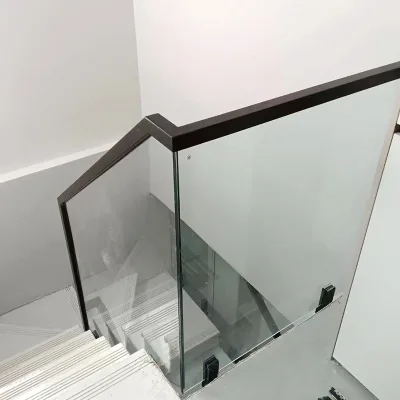


Glass Handrail, High Quality Glass Handrail Available for Wholesale Projects
$50.00 - $60.00
MOQ: 10 Meters


90mm Width Weather-Resistant Aluminum Stair Handrail for Outdoor Stair
$39.00 - $54.00
MOQ: 10 Square Meters


Water Resistance Easy Installing Balcony Aluminum Railing Outdoor Handrails
$50.00 - $150.00
MOQ: 10 Sets


Comprehensive Sourcing Guide
Strategic Sourcing Guide for Aluminum Handrails
Understanding Technical Specifications and Material Composition
When sourcing aluminum handrails, the primary objective is to align technical specifications with the intended structural and aesthetic requirements of the project. The market offers a diverse range of configurations, but the core material composition remains a critical determinant of performance. Based on available industry data, aluminum handrails are frequently constructed using aluminum alloys, often combined with carbon steel or stainless steel components to enhance structural integrity. The specific aluminum thickness is a vital metric that buyers must verify, as observed ranges in the current market include 1.2mm, 1.4mm, and 1.6mm. Selecting the appropriate thickness depends heavily on the load-bearing requirements and the specific application environment, whether it be a high-traffic public corridor or a residential balcony.
Beyond the base metal, the finishing process significantly influences the longevity and visual appeal of the handrail. Powder coating is a prevalent surface treatment method observed in the supply chain, providing a durable layer that resists corrosion and wear. Other surface treatments may include specialized coatings designed for specific environmental conditions. The color options are highly customizable, with standard offerings often including black, grey, gold, rose gold, and silver, though many suppliers offer fully customized color matching to meet design specifications. The frame finishing process is equally important; a powder-coated finish is standard for aluminum frames, ensuring a smooth, uniform appearance that protects against the elements.
Buyers should also pay close attention to the product dimensions and standard sizes. While custom dimensions are available, standard profiles often adhere to specific measurements, such as 90mm or 40mm widths, which dictate the handrail's gripability and visual proportion. The overall dimensions of the product, including length and width, must be verified against the project's architectural drawings. For instance, some product lines may reference standard lengths like 4000mm by 143mm, while others may offer flexible sizing based on the specific model number, such as HS-616F or HS-609. Understanding these variations is essential for accurate procurement planning and inventory management.
Compliance, Certification, and Safety Standards
Ensuring that aluminum handrails meet international and local safety standards is a non-negotiable aspect of B2B procurement. Compliance is not merely a formality but a critical factor in liability management and project approval. Buyers must verify that suppliers hold valid certifications, such as ISO9001:2001, which indicates adherence to quality management systems. While specific certification status varies by supplier, the presence of such documentation is a strong indicator of a manufacturer's commitment to consistent quality control.
In addition to general quality certifications, specific product standards must be evaluated. These standards often dictate the mechanical strength, load-bearing capacity, and resistance to environmental stressors. For applications in high-risk areas, such as hospitals, sanatoriums, or public venues, the handrails must possess antiseptic and antibacterial properties. This characterization is particularly relevant for healthcare settings where hygiene is paramount. The material composition, including the use of vinyl covers or specific alloy treatments, contributes to these functional attributes.
Buyers should also consider the application location when assessing compliance. Handrails intended for indoor, outdoor, or seashore environments face different challenges. Outdoor and seashore applications require materials that can withstand salt spray, humidity, and UV exposure without degrading. The "Application Location" attribute often distinguishes between these environments, guiding the selection of appropriate surface treatments and materials. For instance, a handrail designed for a seashore location must have superior corrosion resistance compared to one intended for an indoor office building. Verifying that the product meets the specific environmental standards for its intended location is crucial to prevent premature failure and ensure long-term safety.
Cost Drivers and Pricing Dynamics
The pricing of aluminum handrails is influenced by a complex interplay of factors, including material costs, manufacturing complexity, customization levels, and logistics. The observed price range in the market spans from $1 to $150 USD, reflecting the vast diversity in product types, from simple residential models to complex, custom-engineered systems for large-scale commercial projects. This wide range underscores the importance of defining clear requirements before soliciting quotes, as the cost differential between a standard off-the-shelf unit and a fully customized solution can be significant.
Material costs are a primary driver, with the price of aluminum alloys fluctuating based on global market conditions. The thickness of the aluminum, ranging from 1.2mm to 1.6mm, directly impacts the material usage and, consequently, the cost. Thicker gauges require more raw material and often involve more complex extrusion processes, leading to higher prices. Additionally, the inclusion of other materials, such as carbon steel or stainless steel components, adds to the overall cost. The choice of surface treatment, such as powder coating or specialized finishes, also affects the final price, as these processes involve additional labor and chemical costs.
Customization is another major cost factor. While many suppliers offer standard colors and dimensions, fully customized solutions involving unique designs, specific color matches, or tailored dimensions will incur higher costs. The "Project Solution Capability" of the supplier, which may include graphic design and 3D model design services, adds value but also contributes to the overall price. Buyers should weigh the benefits of customization against the budget constraints of the project. Furthermore, packaging and logistics play a role in the final cost. Products may be packed in cartons, polybags, or shipped in full container loads (FCL) with or without pallets, depending on the order volume and shipping requirements. These logistical details can influence the total landed cost, especially for international buyers.
Typical Applications and Design Considerations
Aluminum handrails are versatile components used across a wide spectrum of applications, from residential properties to large-scale commercial and industrial facilities. The "Application" attribute highlights their use in residential houses, hotels, villas, staircases, balconies, porches, apartments, office buildings, hospitals, schools, malls, sports venues, and leisure facilities. This broad applicability is due to the material's durability, aesthetic flexibility, and ease of installation. In healthcare settings like hospitals and sanatoriums, the handrails must meet specific hygiene standards, often requiring antiseptic and antibacterial properties. In contrast, handrails for outdoor applications, such as bridges, decks, and seashore locations, must prioritize weather resistance and structural stability.
Design style is another critical consideration. The modern design style is prevalent in the current market, characterized by clean lines and minimalist aesthetics. However, suppliers often offer a range of design options to match various architectural themes. The "Design Style" attribute indicates that buyers can select from modern configurations, but the specific visual outcome depends on the chosen materials, finishes, and dimensions. The "Position" of the handrail also dictates its design requirements. Whether installed as bridge railings, deck railings, porch railings, or stair railings, the handrail must provide safety and support while complementing the surrounding architecture.
The mounting method is another design factor to consider. Handrails can be wall-mounted or freestanding, depending on the structural constraints of the installation site. The "Mounted" attribute specifies wall mounting as a common configuration, but other mounting options may be available. Additionally, the "Cover" material, such as vinyl, can be used to enhance comfort and grip, particularly in areas where the handrail is frequently touched. These design considerations must be integrated into the procurement strategy to ensure the final product meets both functional and aesthetic requirements.
Supplier Evaluation and Selection Criteria
Selecting the right supplier is a critical step in the procurement process, requiring a thorough evaluation of their capabilities, reliability, and track record. Buyers should assess the supplier's "Project Solution Capability," which may include graphic design, 3D model design, and total solution services for projects. Suppliers offering these capabilities can provide valuable support in the design and planning phases, ensuring that the handrails fit seamlessly into the overall project vision. The ability to provide cross-category consolidation is also a significant advantage, as it simplifies the procurement process for buyers sourcing multiple components for a single project.
Geographic location is another important factor. The "Place of Origin" for many aluminum handrails is listed as China, with specific hubs in Jinan and Jiangsu. Buyers should consider the logistical implications of sourcing from these regions, including shipping times and potential tariffs. The "Delivery Time" is typically 15-20 days after payment, but this can vary based on the order size and customization requirements. Suppliers with a strong track record of meeting delivery deadlines are preferable, as delays can impact project timelines.
After-sales service is a key differentiator among suppliers. The "After-sale Service" attribute often includes online technical support, onsite installation, onsite training, onsite inspection, free spare parts, and return and replacement policies. These services are crucial for ensuring the long-term success of the project and addressing any issues that may arise post-installation. Buyers should prioritize suppliers who offer comprehensive after-sales support, as this indicates a commitment to customer satisfaction and product quality. Additionally, the "Warranty" period, often cited as 3 years, provides a safety net for buyers, ensuring that the supplier stands behind their product.
Quality Control and Long-Term Procurement Strategies
Implementing robust quality control measures is essential to ensure that the aluminum handrails meet the required standards and perform reliably over time. Buyers should request detailed product specifications, including material composition, thickness, and surface treatment details, to verify that the products meet their specific requirements. Regular inspections during the manufacturing process and before shipment can help identify and rectify any defects early, reducing the risk of receiving substandard products. The "Certificate" attribute, such as ISO9001:2001, serves as a baseline for quality assurance, but buyers should also request specific test results and performance data relevant to their application.
Long-term procurement strategies should focus on building strong relationships with reliable suppliers. This involves not only evaluating the initial product quality but also assessing the supplier's ability to scale production, maintain consistency, and adapt to changing market conditions. The "Selling Units" attribute, which may indicate single-item sales or bulk orders, suggests that buyers should consider their volume needs when negotiating terms. Establishing a consistent supply chain can help mitigate risks associated with price fluctuations and supply disruptions.
Furthermore, buyers should plan for the lifecycle of the handrails. The "Warranty" period and "After-sale Service" options are critical components of this planning. A 3-year warranty, for example, provides a defined period during which the supplier is responsible for addressing any defects or issues. Buyers should ensure that the warranty terms are clearly defined and that the supplier has the capacity to honor them. Additionally, the availability of spare parts and the ease of maintenance should be considered, as these factors impact the long-term cost of ownership. By adopting a proactive approach to quality control and long-term planning, buyers can ensure that their Aluminum Handrail investments deliver value and safety over the lifespan of the project.
Summary of Key Procurement Considerations
In summary, sourcing aluminum handrails requires a comprehensive understanding of technical specifications, compliance standards, cost drivers, and supplier capabilities. Buyers must carefully evaluate the material composition, thickness, and surface treatments to ensure the handrails meet the specific requirements of their application. Compliance with safety standards and certifications is essential for liability management and project approval. Cost factors, including material costs, customization, and logistics, must be balanced against the project budget. The versatility of aluminum handrails allows for a wide range of applications, from residential to commercial, but the design and mounting options must be selected to match the architectural and functional needs of the site.
Supplier evaluation should focus on project solution capabilities, delivery times, and after-sales support. Building strong relationships with reliable suppliers can help mitigate risks and ensure consistent quality. Finally, implementing robust quality control measures and planning for the long-term lifecycle of the handrails are critical for maximizing the value of the procurement investment. By adhering to these guidelines, buyers can successfully navigate the complex landscape of Aluminum Handrail sourcing and secure high-quality products that meet their specific needs.
FAQs
What customization options are available for aluminum handrails?
Customization is available for color, dimensions, and design styles. Buyers can select from standard finishes like black, grey, or gold, or request fully customized colors and profiles to match specific project requirements.
Which materials are used to construct these aluminum handrails?
The handrails are primarily constructed from aluminum, often combined with carbon steel or stainless steel components. Some models also feature vinyl covers to enhance grip and comfort for users in various environments.
Can these handrails be installed in outdoor or seashore locations?
Yes, the products are designed for indoor, outdoor, and seashore applications. Their powder-coated finishes and material choices provide necessary resistance against corrosion, humidity, and UV exposure for long-term durability in harsh conditions.
What is the typical delivery time after payment is made?
The standard delivery time is 15 to 20 days after payment is received. This timeline applies to most orders, though specific lead times may vary slightly depending on the level of customization required for the project.
Which certifications do the manufacturers hold for quality assurance?
Manufacturers hold ISO9001:2001 certification to ensure adherence to quality management systems. This certification indicates a commitment to consistent production standards and reliable product quality for buyers sourcing these handrails.
How thick is the aluminum frame used in these products?
The aluminum thickness typically ranges from 1.2mm to 1.6mm depending on the specific model. Buyers should verify the exact gauge required for their project to ensure adequate load-bearing capacity and structural integrity.