Source Waterproof Eco-Friendly Drawstring Backpack for Travel, Sports, and Daily Use
Find 30 options for a Waterproof Eco-Friendly Drawstring Backpack suitable for outdoor adventures, campus life, and daily commuting. Compare features like lightweight polyester construction, customizable logos, and multi-pocket designs to find the right supplier for your needs.
Key considerations
Products List


Customized Polyester Fitness Drawstring Backpack Large Capacity Drawstring Bag
$0.90 - $1.70
MOQ: 100 Pieces

Wholesale Fitness Outdoor Waterproof Storage Swimming Drawstring Backpack Bag
$1.20 - $1.98
MOQ: 500 Pieces

Large Capacity Custom Double Shoulder Commuting Outdoor Drawstring Backpack Bag
$3.20 - $4.10
MOQ: 100 Pieces




Comprehensive Sourcing Guide
Waterproof Eco-Friendly Drawstring Backpack Sourcing Guide
Sourcing waterproof drawstring backpacks requires a careful balance between functional performance, material sustainability, and commercial viability. These bags are ubiquitous in outdoor, sports, and casual travel sectors, serving as lightweight alternatives to traditional rucksacks. The core appeal lies in their simplicity, low weight, and ability to protect contents from moisture without adding significant bulk. Buyers must navigate a market where "eco-friendly" is often used loosely, necessitating rigorous verification of material composition and manufacturing processes to ensure genuine environmental responsibility.
The procurement landscape for these items is characterized by high customization potential and flexible minimum order quantities. Manufacturers frequently offer OEM and ODM services, allowing brands to tailor colors, sizes, and branding elements to specific market needs. However, this flexibility introduces complexity in quality control and supply chain management. Buyers need to establish clear specifications early in the process to avoid discrepancies between samples and bulk production, particularly when dealing with multi-colored or custom-designed variants.
Product Scope and Observed Listing Signals
The current market offers a diverse range of drawstring backpacks, with observed listings indicating a price range of $0.10 to $5.85 USD and minimum order quantities (MOQs) spanning from 100 to 3,000 units. This wide variance suggests that buyers can find options suitable for both small-scale promotional giveaways and large-scale retail distribution. The products are predominantly non-disposable, indicating a focus on durability and repeated use, which aligns with the "eco-friendly" positioning. Key attributes such as "durable," "lightweight," and "waterproof" are frequently highlighted, reflecting consumer expectations for practical outdoor gear.
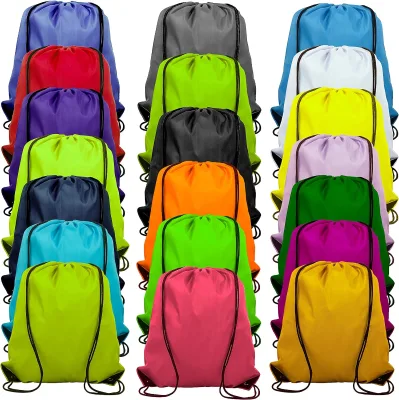
Material composition is a critical differentiator, with polyester being a common choice due to its balance of cost, durability, and water resistance. Some listings specify "pure color corduroy" or "candy color" aesthetics, catering to fashion-forward segments like campus and daily use. The capacity of these bags typically falls under 20 liters, with medium capacity being a standard offering. Buyers should note that while "eco-friendly" is a desired attribute, the specific environmental credentials of the materials, such as recycled content percentages or biodegradability, are not universally declared and require direct supplier inquiry.
Technical Specifications to Verify
Technical verification begins with the material's waterproof capability. While many products claim waterproof functionality, the degree of water resistance varies based on fabric weave, coating, and seam sealing. Buyers should request specific test data or material specifications to understand whether the bag offers basic splash resistance or full waterproofing for heavy rain. Additionally, the presence of multi-pocket designs in some models adds functionality but may compromise the waterproof integrity if zippers or openings are not properly sealed. Understanding these nuances is essential for selecting the right product for specific use cases, such as camping versus casual shopping.
Size and customization options are equally important technical considerations. Listings indicate that sizes are often optional, with standard dimensions like 39x47cm being available, but custom sizing is also supported. This flexibility allows for tailored solutions but requires precise technical packs to ensure fit and function. The model numbers, such as SLD-PS-CUSTOM or FLY-201020-02, suggest a variety of base designs that can be adapted. Buyers must confirm that customizations, including logo placement and color matching, do not negatively impact the bag's structural integrity or waterproof performance.
Compliance and Safety Documentation
Compliance documentation is a vital component of sourcing, particularly for products marketed as eco-friendly or intended for international markets. Observed certifications include CE, EU, LFGB, CIQ, BSCI, Sedex, TUV, and ISO9001. These certifications cover a range of aspects, from product safety and quality management systems to social compliance in manufacturing. Buyers should verify which certifications are relevant to their target market and ensure that the supplier can provide valid, up-to-date certificates. For instance, LFGB is crucial for products that may come into contact with food, while BSCI and Sedex address ethical labor practices.
The "eco-friendly" claim often intersects with safety and environmental standards. While OEKO-TEX is mentioned in background knowledge, it is not explicitly confirmed in the primary product facts. Buyers should proactively ask suppliers about material safety standards, such as restrictions on harmful substances like lead, phthalates, or azo dyes. Additionally, verifying the origin of materials, such as whether polyester is recycled or virgin, is essential for substantiating eco-friendly claims. Documentation should be requested for all materials used in production to ensure transparency and compliance with local and international regulations.
Cost Drivers and Commercial Terms
Cost drivers for waterproof drawstring backpacks include material type, customization complexity, and order volume. Polyester is a cost-effective material, but the addition of waterproof coatings or eco-friendly treatments can increase the price. Customization, such as unique colors, sizes, or logo printing, adds to the production cost and may affect the MOQ. The observed MOQ range of 100-3,000 units suggests that smaller orders may incur higher per-unit costs, while larger volumes can leverage economies of scale. Buyers should negotiate based on their specific volume requirements and customization needs to optimize pricing.
Commercial terms also play a significant role in the total cost of ownership. Sample availability and lead times are important factors, with some suppliers offering samples within five days. This rapid turnaround can accelerate the sourcing process but may come at a premium. Packaging options, ranging from standard export cartons to individual OPP bags, can impact shipping costs and product protection. Buyers should clarify all commercial terms, including payment methods, shipping responsibilities, and warranty policies, to avoid unexpected expenses. The warranty period, such as one year against defects, provides some assurance of product quality but should be clearly defined in the contract.
Supplier Qualification and Quality Control
Supplier qualification is critical to ensuring consistent product quality and reliable delivery. Buyers should assess suppliers based on their production capacity, quality control processes, and past performance. The presence of ISO9001 certification indicates a structured quality management system, but buyers should also conduct on-site audits or request third-party inspection reports to verify actual practices. Suppliers with OEM/ODM capabilities should demonstrate a robust design and development process to handle custom orders effectively.
Quality control measures should be established at multiple stages of production, from raw material inspection to final product testing. Buyers should define clear acceptance criteria for waterproof performance, stitching quality, and color consistency. Sampling is a key step in this process, with suppliers typically providing pre-production samples for approval. It is advisable to request multiple samples if significant customization is involved. Additionally, implementing a random inspection protocol during bulk production can help identify and rectify issues before shipment, reducing the risk of receiving defective goods.
Long-Term Procurement Checks
Long-term procurement success depends on continuous monitoring of supplier performance and market trends. Buyers should establish key performance indicators (KPIs) to track delivery times, product quality, and responsiveness to issues. Regular communication with suppliers is essential to address any emerging challenges and to explore opportunities for cost reduction or product improvement. Staying informed about changes in material availability, regulatory requirements, and consumer preferences will help buyers adapt their sourcing strategies accordingly.
Sustainability is an evolving area that requires ongoing attention. Buyers should periodically review their suppliers' environmental practices and encourage the adoption of more sustainable materials and processes. This may involve transitioning to recycled polyester or exploring biodegradable alternatives. Building a strong relationship with suppliers who share a commitment to sustainability can enhance brand reputation and meet the growing demand for eco-friendly products. By maintaining a proactive approach to supplier management and market analysis, buyers can secure a competitive advantage in the drawstring backpack market.
FAQs
Can I customize the logo and size of the drawstring backpack?
Yes, customization is available for both logo and size. The product supports OEM and ODM services, allowing you to add your brand logo. You can also choose from standard specifications or request custom sizes to meet your specific requirements for outdoor or daily use.
What certifications do these polyester backpacks hold?
The backpacks hold multiple certifications including CE, EU, LFGB, CIQ, BSCI, Sedex, TUV, and ISO9001. These credentials ensure the products meet international standards for quality and safety, making them suitable for global sourcing and compliance with various regulatory requirements for export.
What is the minimum order quantity for these bags?
The minimum order quantity ranges from 100 to 3000 pieces depending on the specific model and customization needs. The product features low MOQ options, making it accessible for smaller orders. Buyers should confirm the exact MOQ with the supplier based on their chosen specifications and packaging.
Are these backpacks suitable for outdoor sports and travel?
Yes, these backpacks are designed for outdoor sports, camping, traveling, and daily use. They feature waterproof functionality, lightweight construction, and multi-pocket designs. The durable polyester material ensures longevity, while the unisex style and candy color options make them versatile for various activities and seasons.
How long does it take to produce a sample?
The sample time is about 5 days. Suppliers accept sample requests to allow buyers to verify quality and specifications before placing bulk orders. This quick turnaround helps in evaluating the product's durability, waterproof features, and customization options effectively.
What packaging options are available for these drawstring bags?
Packaging options include standard shipping packaging, customized packaging, or 1PCS per OPP bag. Some models use standard export corrugated cartons suitable for the number of pieces. Buyers can choose the packaging method that best fits their logistics needs and branding requirements.