Source Waterproof Eco-Friendly Watch Display Case for Travel, Storage, and Protection
Explore 30 listings of waterproof eco-friendly watch display cases designed for travel, storage, and protection. Buyers can compare materials like EVA and PU, customization options, and certifications such as ISO9001 to find the right supplier.
Key considerations
Products List
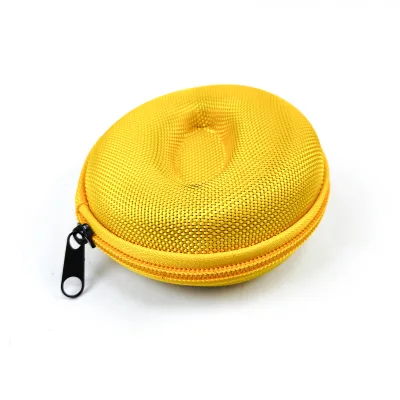
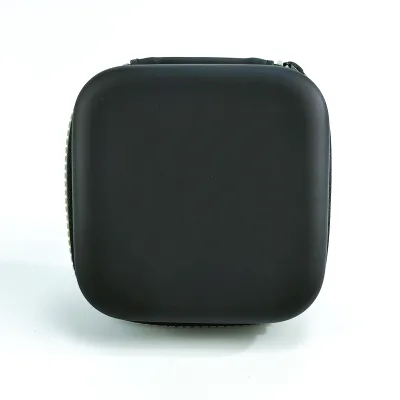
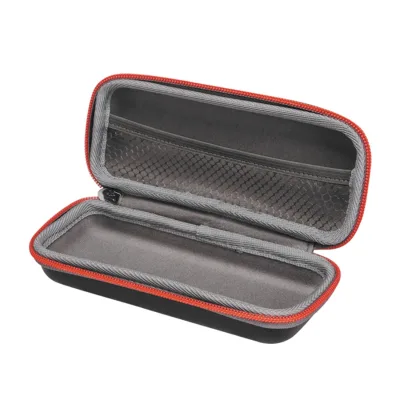


Showcase Acrylic Watch Display Stand Acrylic Rotating Watch Display Case
$10.00 - $200.00
MOQ: 100 Pieces


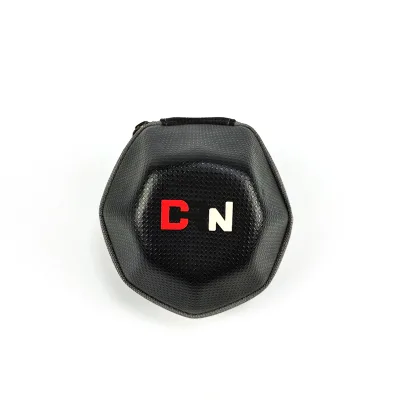
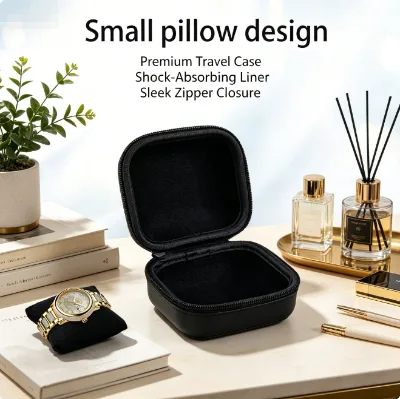
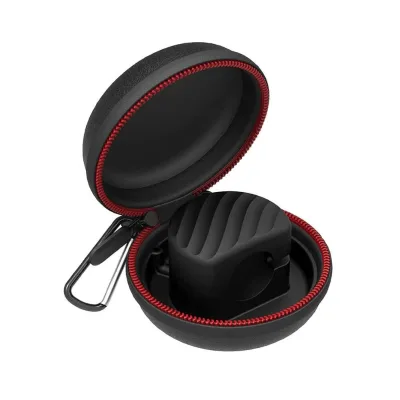
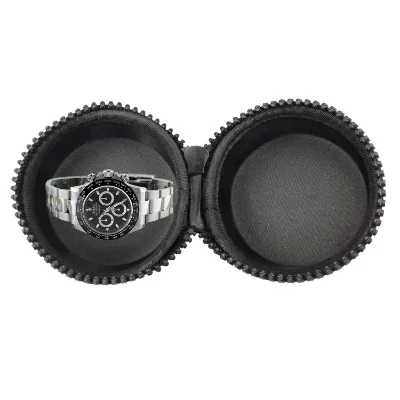


High Quality Circular Watch Storage Box Bracelet Box Leather Watch Display Box Gift Packing Box
$15.31 - $18.63
MOQ: 500 Pieces


10slots Waterproof Watch Box Tool Case Hard Plastic Case for Watch Hard Case
$18.50 - $20.15
MOQ: 50 Pieces


10slots Waterproof Watch Box Tool Box Hard Plastic Case Watch Hard Case
$18.50 - $20.15
MOQ: 50 Pieces


Premium Leather Watch Display Case for 8 Timepieces and Jewelry Storage
$55.00 - $68.50
MOQ: 200 Pieces

Comprehensive Sourcing Guide
Strategic Sourcing Guide for Waterproof Eco-Friendly Watch Display Cases
Understanding the Product Category and Core Attributes
When sourcing a waterproof eco-friendly watch display case, buyers must first distinguish between the functional requirements of storage and the aesthetic demands of display. The market offers a diverse range of products, from rigid EVA cases designed for rugged transport to luxurious PU and velvet-lined boxes intended for retail presentation. The core keyword implies a specific intersection of properties: the ability to repel moisture, the use of sustainable or environmentally conscious materials, and the structural integrity to protect timepieces.
In the current supply landscape, materials play a pivotal role in defining the product's character. Observed product attributes indicate that EVA (Ethylene-Vinyl Acetate) is a primary material for cases emphasizing shockproof and waterproof capabilities. These cases often feature a single package size around 10.8 cm by 10.8 cm, weighing approximately 0.5 kg, and are frequently packaged in simple PE bags. Conversely, for display-focused applications, materials such as PU combined with EVA and velvet are common. These hybrid constructions offer a premium feel, often featuring a hardness level described as "partial hard," which balances protection with an elegant presentation suitable for high-end retail environments.
The distinction between "protector cover" and "display box" is critical. While a protector cover focuses on the utility of carrying and storage, often with a "casual" style, a display box prioritizes visual appeal, sometimes incorporating features like mirrors, adjustable slots, and dustproof seals. Buyers must align their procurement strategy with the intended use case: whether the product is destined for travel, logistics, or direct consumer display. The "eco-friendly" aspect of the search query requires careful verification, as standard EVA and PU are synthetic polymers. True eco-friendly claims often depend on the specific manufacturing processes, the recyclability of the materials, or the absence of harmful substances, which brings the discussion to compliance and certification.
Technical Specifications and Material Verification
To ensure the product meets the "waterproof" and "eco-friendly" criteria, buyers must scrutinize the technical specifications provided by suppliers. The term "waterproof" is not universal; it must be verified against specific test standards. Some observed product attributes list "waterproof" as a key feature, while others explicitly state "not waterproof." This discrepancy highlights the necessity of requesting detailed test data or certification reports before finalizing an order. A case marketed as waterproof should ideally demonstrate resistance to water ingress under defined pressure or immersion conditions, rather than merely being water-resistant to splashes.
Material composition is the second pillar of technical verification. The supply data shows a prevalence of EVA, PU, and wooden materials. For the "eco-friendly" requirement, wooden cases present a distinct profile. Specifications indicate the use of wood with a "high" grade and flannelette inside material. However, the sustainability of the wood depends on the source. Buyers should verify if the wood is sourced from FSC-certified forests, although this certification is currently listed as low-confidence background data and requires direct confirmation from the supplier. Similarly, for synthetic materials like EVA and PU, buyers should inquire about the absence of phthalates, heavy metals, or other volatile organic compounds (VOCs) that might contradict eco-friendly claims.
Size and dimension are also critical technical parameters. The market offers both standardized and customized dimensions. Standard sizes observed include 10.5 cm by 10.5 cm by 6 cm or 10.8 cm by 10.8 cm by 5.55 cm. However, the capability for "customized size" is a significant advantage for buyers with unique watch dimensions. When specifying custom sizes, the structural integrity of the waterproof seal must be maintained. The internal layout, such as the number of slots (often less than 6 for compact cases) and the presence of compartments, must be engineered to prevent watch movement that could compromise the seal or damage the timepiece.
Compliance, Certification, and Environmental Standards
Navigating the compliance landscape is essential for sourcing products that genuinely meet environmental and safety standards. The supply data highlights several certifications, including ISO9001, REACH, and SEDEX. ISO9001 is a quality management standard that ensures the supplier has consistent processes for manufacturing, which indirectly supports product reliability. REACH (Registration, Evaluation, Authorisation and Restriction of Chemicals) is particularly relevant for the "eco-friendly" claim, as it regulates the use of hazardous substances in products sold within the European market. A supplier claiming REACH compliance indicates that their materials have been screened for restricted substances, a crucial step for eco-conscious procurement.
SEDEX (Sedex Members Ethical Trade Audit) addresses the ethical and social aspects of the supply chain, ensuring that labor practices meet international standards. While not a direct measure of environmental friendliness, it contributes to the overall sustainability profile of the product. Buyers should also look for specific environmental certifications. Although FSC (Forest Stewardship Council) is mentioned in the background data, it is not a confirmed high-confidence fact for all listed products. Therefore, buyers must explicitly request FSC documentation if they are sourcing wooden cases to ensure the timber is responsibly managed.
The "eco-friendly" attribute is often a marketing term that requires substantiation. Buyers should verify if the materials are recyclable or biodegradable. For instance, while EVA is durable and waterproof, its end-of-life disposal can be challenging. Some suppliers may offer bio-based EVA or recycled content, but this must be confirmed through technical data sheets. Additionally, the packaging itself should be considered. The observed use of PE bags is standard, but eco-friendly sourcing often demands a shift to biodegradable or recycled packaging materials. Buyers should ask suppliers if they can provide packaging that aligns with their environmental goals, such as reducing plastic waste or using soy-based inks for logo printing.
Cost Drivers and Pricing Dynamics
Understanding the cost drivers for waterproof eco-friendly watch display cases is vital for budgeting and negotiation. The price range observed in the market spans from $0.81 to $200, a wide variance that reflects differences in material quality, customization, and order volume. Several factors influence where a specific product falls within this range.
First, material costs are a primary driver. Wooden cases with high-grade flannelette and custom finishes generally command higher prices than standard EVA cases. The inclusion of luxury elements like velvet lining, mirrors, and custom locks adds to the material and labor costs. Second, customization is a significant cost factor. Products with "customized logo," "private mold," and "customized size" require additional tooling and setup fees. The data indicates that private molds are available, which implies a higher initial investment but lower unit costs at scale.
Order volume is another critical determinant. The Minimum Order Quantity (MOQ) ranges from 1 to 1000 pieces, with a specific observation of 500 pieces for certain models. Suppliers often offer tiered pricing, where the unit cost decreases as the order quantity increases. For buyers seeking eco-friendly options, the MOQ might be higher due to the specialized nature of sustainable materials or the need for smaller, more frequent production runs to maintain quality.
Lead times also impact cost. The observed sample time is 7-10 days, but full production lead times can vary based on the complexity of the design and the availability of materials. Rush orders or expedited shipping will incur additional costs. Buyers should factor in these variables when comparing quotes. It is also important to consider the total cost of ownership, including potential returns due to quality issues or the cost of reworking non-compliant products. Investing in a supplier with robust quality control and verified certifications may result in a higher upfront cost but lower long-term risk.
Supplier Evaluation and Verification Protocols
Selecting the right supplier requires a rigorous evaluation process that goes beyond the initial product listing. Buyers should prioritize suppliers who demonstrate transparency in their manufacturing processes and provide clear documentation for their claims. The presence of OEM/ODM support and the ability to customize logos and sizes are strong indicators of a supplier's flexibility and capability. However, these services should be backed by a proven track record.
When evaluating suppliers, buyers should request samples to verify the "waterproof" and "eco-friendly" claims firsthand. The sample time of 7-10 days allows for a reasonable turnaround, but buyers should use this period to conduct physical tests. For waterproofing, a simple water immersion test or a spray test can provide immediate feedback on the seal's integrity. For eco-friendly claims, buyers can request material safety data sheets (MSDS) or third-party test reports confirming the absence of harmful substances.
Communication and responsiveness are also key indicators of supplier reliability. A supplier that is willing to discuss customization options, provide detailed technical specifications, and answer questions about certifications is more likely to be a reliable partner. Buyers should also verify the supplier's location and logistics capabilities. The observed place of origin is Guangdong, China, a major manufacturing hub. While this offers access to a vast supply chain, buyers should ensure the supplier has the infrastructure to handle international shipping and customs clearance efficiently.
Finally, buyers should check for social and environmental audits. The mention of SEDEX certification suggests that some suppliers are already committed to ethical trade practices. Buyers should ask for recent audit reports to ensure the supplier maintains these standards. A supplier with a strong commitment to sustainability and quality is better positioned to deliver products that meet the "waterproof eco-friendly" criteria consistently.
Quality Control and Long-Term Procurement Strategy
Implementing a robust quality control (QC) strategy is essential for maintaining product integrity throughout the procurement lifecycle. Buyers should establish clear acceptance criteria based on the technical specifications and certifications. For waterproof cases, this includes verifying the seal integrity, checking for material defects, and ensuring the internal padding is secure. For display boxes, the focus should be on the finish, the alignment of the lid, and the quality of the velvet or flannelette lining.
Long-term procurement considerations involve building a strategic relationship with suppliers rather than treating each order as a transaction. This approach allows for better negotiation on pricing, lead times, and customization options. Buyers should consider the scalability of their orders and the supplier's ability to meet increasing demand without compromising quality. The availability of private molds and custom designs suggests that suppliers are capable of adapting to specific brand needs, which is valuable for long-term partnerships.
Sustainability should be a core component of the long-term strategy. As environmental regulations tighten and consumer awareness grows, the demand for truly eco-friendly products will increase. Buyers should work with suppliers to explore new materials and manufacturing processes that reduce environmental impact. This might involve transitioning to biodegradable packaging, sourcing recycled materials, or optimizing the supply chain to reduce carbon emissions.
In conclusion, sourcing a waterproof eco-friendly watch display case requires a balanced approach that combines technical verification, compliance checks, cost analysis, and supplier evaluation. By focusing on these key areas, buyers can secure high-quality products that meet their functional and ethical requirements. The wide range of options available, from EVA protectors to wooden display boxes, offers flexibility, but the responsibility lies with the buyer to ensure that the selected products genuinely deliver on the promises of waterproofing and sustainability. Through diligent research and strategic partnership, buyers can build a supply chain that supports both their business goals and environmental values.
FAQs
Can I get a customized logo on the watch case?
Yes, customized logos are accepted for these products. The supplier supports OEM and ODM services, allowing you to add your brand identity to the EVA or PU cases while maintaining their protective features.
What is the minimum order quantity for these cases?
The minimum order quantity is typically 500 pieces for standard models. However, some listings indicate an MOQ range starting from 1 piece up to 1000 pieces depending on the specific supplier and customization requirements.
How long does it take to receive a sample?
It takes 7 to 10 days to produce a sample. This lead time allows the factory to create a prototype that matches your specific size and material requirements before full production begins.
Which certifications do these watch cases hold?
Many products carry ISO9001, REACH, and SEDEX certifications. These standards ensure quality management, compliance with chemical restrictions, and ethical trade practices throughout the manufacturing process in Guangdong, China.
What materials are used for waterproof protection?
EVA and PU combined with velvet are common materials for these cases. While some models are explicitly waterproof and shockproof, others are not waterproof, so you must verify the specific feature list for each item.
Can I order a case with a custom size?
Yes, customized sizes are available for most models. You can request dimensions like 10.5 by 10.5 by 6 cm or other specific measurements, provided the supplier supports private mold creation for your unique needs.
What is the typical packaging for these items?
Items are usually packed in individual PE bags. This simple packaging protects the case during transit, though you can discuss alternative eco-friendly packaging options if your order volume and customization allow for it.