Source Snowboard Ski Boot Bag for Travel, Storage, and Outdoor Sports
Compare 30 verified options for the Snowboard Ski Boot Bag featuring waterproof materials like nylon and polyester. Buyers can evaluate customized sizes, logos, and features such as wheels and handles from manufacturers in China.
Key considerations
Products List
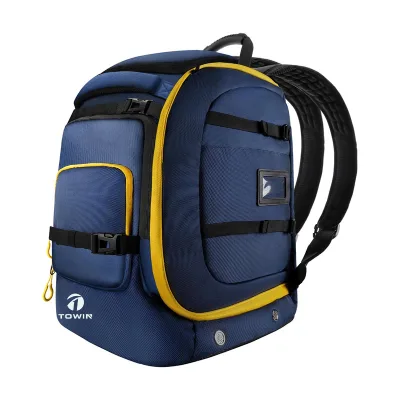
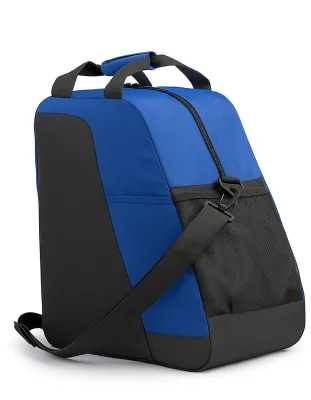
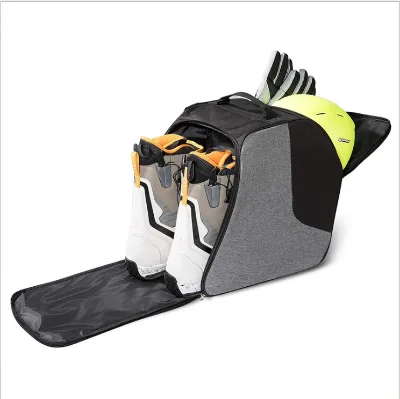


Multi Functional Professional Factory Boot Bag Snowboard Ski Boot Bagpack
$13.00 - $16.00
MOQ: 500 Pieces


Snowboard Boot Bag Durable Waterproof Padded Snow Bag for Hold Ski Boots
$5.50 - $9.50
MOQ: 500 Pieces

Custom Logo Lightweight Waterproof Ski Boot Travel Ski Boot and Helmet Bag
$2.99 - $5.65
MOQ: 500 Pieces

Waterproof Portable Ski Bag for Outdoor Snowboard Boot Sport Travel with Wheel
$11.96 - $16.98
MOQ: 1000 Pieces

Waterproof Large Fashion Ski Bag with Wheel Strap for Outdoor Travel Snowboard
$13.96 - $22.98
MOQ: 1000 Pieces


Comprehensive Sourcing Guide
Strategic Sourcing Guide for Snowboard and Ski Boot Bags
Understanding Product Specifications and Material Variability
When sourcing snowboard and ski boot bags, buyers must first navigate the diverse landscape of product specifications, as the core keyword often encompasses a wide range of functional designs. The market offers products ranging from simple storage sacks to complex travel systems with wheels and handles. A critical observation in the current supply base is the variation in material composition. While some listings explicitly identify Nylon as the primary material, others specify Polyester or Oxford fabric. Each material offers distinct advantages; Nylon typically provides high tensile strength and abrasion resistance, essential for protecting boots against rough handling during transit. Polyester often offers superior colorfastness and resistance to UV degradation, which is vital for outdoor storage. Oxford fabric, frequently cited in heavy-duty applications, provides a rigid structure that helps maintain the bag's shape when loaded with bulky ski boots.
Beyond material, the physical dimensions and capacity are paramount. Specifications indicate that a standard high-capacity unit, such as a 65L model, is designed to accommodate full ski or snowboard setups. However, buyers must verify the single package size, which can vary significantly from 50x40x30 cm to other custom dimensions. The weight of the product itself is another critical specification; observed data suggests a single gross weight of approximately 6.000 kg for larger units, which directly impacts shipping costs and handling logistics. Furthermore, the presence of features such as carry handles, wheels, and hanging capabilities dictates the usability of the bag. A bag designed for "Storage" may lack the structural integrity required for "Travel," so distinguishing between these usage categories is essential before placing an order.
Compliance, Certification, and Quality Standards
Ensuring that suppliers adhere to recognized quality management systems is a foundational step in the procurement process. While specific product-level certifications like ISO9001 are observed in the supply chain, buyers should not assume every listed product automatically meets this standard. Instead, the procurement strategy must involve a direct verification of the supplier's quality management documentation. The presence of an ISO9001 certification indicates that the manufacturer has established processes for consistent quality control, which is particularly relevant for custom orders where precision in dimensions and material application is required.
Buyers must also scrutinize the "Feature" attributes listed, such as "Eco-Friendly" or "Waterproof." These claims require validation through third-party testing or supplier-provided test reports. For instance, a "Waterproof" feature in a boot bag is not merely a marketing term; it implies a specific rating or construction method, such as sealed seams or water-resistant coatings, that protects the contents from moisture. Similarly, "Eco-Friendly" claims regarding materials or production processes should be backed by specific documentation regarding the sourcing of raw materials or the manufacturing lifecycle. Without explicit verification, these attributes remain observations rather than guaranteed performance metrics. The procurement team should request evidence of these claims, such as material safety data sheets or environmental compliance certificates, to mitigate the risk of receiving non-compliant goods.
Cost Drivers and Economic Factors in Procurement
The economic landscape of sourcing snowboard and ski boot bags is influenced by several key variables, primarily material costs, customization requirements, and order volume. The observed price range in the market spans from 2.99 to 50 USD, a wide disparity that reflects differences in material quality, feature sets, and branding. Lower-priced items often utilize standard Polyester or Oxford fabrics with minimal customization, while higher-priced units may incorporate advanced Nylon blends, integrated wheels, and complex branding elements.
Order volume plays a decisive role in the final unit cost. The Minimum Order Quantity (MOQ) for these products typically ranges from 300 to 1000 pieces, with a high-confidence observation of 500 pieces as a common threshold. Suppliers often structure their pricing tiers to reward larger orders, making it crucial for buyers to align their demand forecasts with these MOQs to achieve optimal pricing. Additionally, the cost of customization significantly impacts the total expenditure. Options such as custom logos via silkscreen, heat transfer, or embroidery, as well as customized sizes and colors, incur additional tooling and setup fees. Buyers must weigh the cost of these customizations against the branding value they provide. The "Small Orders: Accepted" attribute suggests that some suppliers may offer flexibility for lower volumes, though likely at a premium per-unit cost. Understanding these cost drivers allows procurement teams to negotiate effectively and structure orders that balance budget constraints with quality requirements.
Typical Applications and Usage Scenarios
The utility of snowboard and ski boot bags extends beyond simple storage, serving diverse applications in both professional and recreational contexts. The primary usage category is "Outdoor Snow Sports," where the bag must withstand harsh environmental conditions, including snow, ice, and cold temperatures. In this scenario, the bag acts as a protective shell for expensive equipment, preventing scratches and moisture damage. The "Style" attributes, such as "for Storage," "for Travel," and "Sports," indicate that these bags are designed to transition seamlessly from the home garage to the ski resort or the airport.
For travel applications, features like wheels and carry handles become indispensable. A bag equipped with wheels and a telescopic handle transforms a heavy load into a manageable piece of luggage, facilitating movement through airports and train stations. The "Type" classification, which includes "Boots bag" and "snowboard bag backpack," highlights the versatility of the product. Backpack styles are ideal for skiers who need to carry their boots separately from their skis, while larger duffel-style bags with wheels are preferred for transporting full gear sets. The "Age Group" specification, typically listed as "Adults," confirms that the sizing and durability are engineered for adult-sized boots and equipment. Understanding these specific usage scenarios helps buyers select the right product configuration for their target market, whether it is a rental shop, a retail chain, or a direct-to-consumer brand.
Supplier Evaluation and Geographic Considerations
When evaluating potential suppliers, geographic origin and production capabilities are critical factors. The supply base for these products is heavily concentrated in China, with specific manufacturing hubs identified in Zhejiang and Fujian provinces. Zhejiang is known for its robust textile and bag manufacturing infrastructure, while Fujian offers specialized capabilities in outdoor gear production. Buyers should verify the "Place of Origin" for each supplier to ensure alignment with their logistics and ethical sourcing requirements.
Supplier evaluation should also focus on their customization capabilities. The "Service" attribute often lists "ODM&OEM," indicating that suppliers can design and manufacture products according to the buyer's specifications. This is particularly important for brands seeking unique product differentiation. Buyers must assess the supplier's ability to handle "Customized Size" and "Customized" material requests. The "Logo" options, including silkscreen, heat transfer, and embroidery, suggest a range of branding techniques available. However, the quality of these applications varies by supplier, and buyers should request samples to verify the durability and aesthetic quality of the branding. Additionally, the "Brand Name" field shows that many suppliers operate as white-label manufacturers, offering products under their own names or allowing buyers to apply their own branding. Evaluating a supplier's track record in handling customized orders and their responsiveness to design changes is essential for a successful partnership.
Quality Control and Long-Term Procurement Strategies
Implementing a robust quality control (QC) strategy is vital to ensure that the delivered products meet the specified standards. Given the variability in materials and features, a standardized QC checklist should be developed for every order. This checklist must include inspections for material integrity, seam strength, zipper functionality, and the accuracy of custom features like logos and handles. For products claiming "Waterproof" status, specific water resistance tests should be conducted on a sample basis to verify the claim. Similarly, the "Eco-Friendly" attribute requires verification of the material sourcing and production processes.
Long-term procurement considerations involve building a sustainable supply chain that can adapt to market fluctuations. Buyers should establish clear communication channels with suppliers regarding lead times and production schedules. While specific lead times are not universally defined in the provided data, the complexity of customization often extends production timelines. Buyers must factor in these potential delays when planning inventory levels. Furthermore, maintaining a relationship with suppliers who offer "Small Orders: Accepted" can provide flexibility for testing new designs or responding to sudden demand spikes without committing to large MOQs. By focusing on continuous improvement and regular quality audits, buyers can ensure a steady supply of high-quality snowboard and ski boot bags that meet the evolving needs of their customers.
Comparative Analysis of Product Attributes
To facilitate decision-making, the following table summarizes key attributes observed across the supply base, highlighting the variations buyers must consider.
| Attribute Category | Observed Variations | Procurement Consideration |
|---|---|---|
| Material | Nylon, Polyester, Oxford, Customized | Verify material grade for durability and water resistance. |
| Capacity | 65L, Customized Size | Match capacity to boot and gear volume requirements. |
| Features | Waterproof, Eco-Friendly, Wheels, Hanging, Carry Handle | Confirm specific feature performance via testing or samples. |
| Customization | Logo (Silkscreen/Heat/Embroid), Color, Size | Assess setup costs and lead time for custom branding. |
| Origin | Zhejiang, China; Fujian, China | Verify logistics and potential tariff implications. |
| MOQ | 300-1000 pcs (High confidence: 500 pcs) | Align order volume with budget and storage capacity. |
| Price Range | 2.99 - 50 USD | Evaluate total cost of ownership including shipping and duties. |
| Certification | ISO9001 (Supplier level) | Request proof of certification for quality assurance. |
This comparative overview underscores the necessity of a detailed specification sheet for every procurement request. By clearly defining requirements for material, features, and customization, buyers can minimize ambiguity and ensure that the final product aligns with their strategic objectives.
FAQs
What materials are commonly used for snowboard ski boot bags?
Common materials include Nylon, Polyester, and Oxford fabric. Nylon offers high tensile strength, Polyester provides UV resistance, and Oxford ensures rigid structure for heavy loads.
Which capacity sizes are available for ski boot storage bags?
Available capacities include standard 65L models and fully customized sizes. Buyers should verify single package dimensions like 50x40x30 cm to ensure fit for specific gear.
Can suppliers provide custom logos on snowboard ski boot bags?
Yes, suppliers accept customized logos via silkscreen, heat transfer, or embroidery. This service allows brands to apply unique branding while maintaining product functionality.
What is the typical minimum order quantity for these bags?
The minimum order quantity typically ranges from 300 to 1000 pieces, with 500 pieces being a high-confidence threshold. Some suppliers may accept small orders at a premium.
How do features like wheels affect the usage of boot bags?
Features like wheels and carry handles transform storage bags into travel systems. These additions facilitate movement through airports and make heavy loads manageable for outdoor sports.
Which locations are known for manufacturing snowboard ski boot bags?
Manufacturing is concentrated in Zhejiang and Fujian, China. These regions offer robust textile infrastructure and specialized capabilities for outdoor gear production.
Are ISO9001 certifications available for these boot bag manufacturers?
ISO9001 certification is observed in the supply chain for quality management. Buyers should request proof of this standard to ensure consistent quality control for custom orders.