Source Waterproof EPDM Pond Liner for Roof, Pond, and Tunnel
Compare 30 verified listings for Waterproof EPDM Pond Liner featuring customizable thickness, sizes up to 50m, and certifications like ISO and CE. Buyers can evaluate options for roof waterproofing, geotechnical projects, and hydraulic applications with varying warranty periods.
Key considerations
Products List


Waterproofing EPDM Pond Liner Membrane Rubber Sheet for Pool Garden Pond Liner
$1.72 - $5.72
MOQ: 1200 Square Meters


Customized EPDM Waterproof Rubber Sheet EPDM Pond Liner Roll Membrane
$2.00 - $8.00
MOQ: 1000 Square Meters


Waterproofing EPDM Pond Liner Membrane Rubber Sheet for Pool Garden Pond Liner
$3.10 - $3.40
MOQ: 500 Square Meters


Superior Quality EPDM Waterproofing Membrane Rubber Liner for Ponds
$3.10 - $3.40
MOQ: 500 Square Meters

1mm 1.5mm High Elastic Rubber EPDM Waterproofing Membrane Pond Liner
$3.10 - $3.40
MOQ: 500 Square Meters

Customized Dimension 1.2mm EPDM Pond Membrane Waterproofing Rolls
$3.10 - $3.40
MOQ: 500 Square Meters


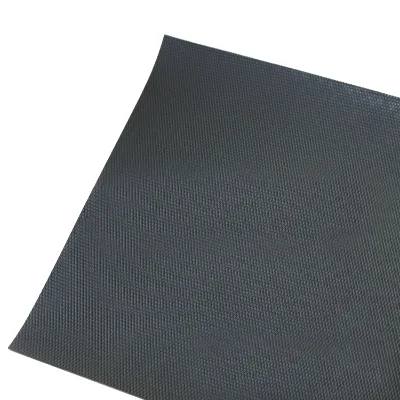
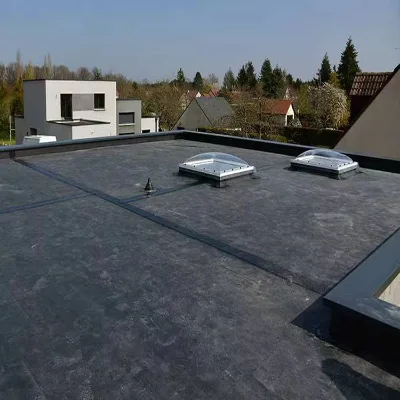

HDPE EPDM Geomembrane Pond Liner for Sea or Fresh Water Fish Pond
$0.76 - $0.79
MOQ: 3000 Square Meters

0.8mm 1.0mm 1.2mm Rubber Membrane Waterproofing Sheet EPDM Pond Liner
$4.00 - $6.50
MOQ: 500 Square Meters


30 to 60 Mils Waterproofing F Liners Swimming Poolish Pond EPDM Rubber Geomembrane
$0.20 - $2.20
MOQ: 2000 Square Meters
Comprehensive Sourcing Guide
Strategic Sourcing Guide for Waterproof EPDM Pond Liners
Understanding Technical Specifications and Material Composition
When sourcing waterproof EPDM pond liners, the primary objective is to identify materials that offer durability, flexibility, and resistance to environmental stressors. The core material for these products is Ethylene Propylene Diene Monomer (EPDM) rubber, a synthetic rubber known for its exceptional weathering resistance and elasticity. Buyers must scrutinize the thickness specifications provided by suppliers, as this is the most critical determinant of the liner's ability to withstand puncture and tear forces. Based on available market data, thickness options typically range from 0.5mm to 3.0mm, with specific common offerings including 0.8mm, 1.2mm, 1.5mm, and 2.0mm. The selection of thickness should be dictated by the specific application; for instance, residential garden ponds may require thinner gauges, while large-scale hydraulic or geotechnical projects often necessitate the heavier 2.0mm to 3.0mm variants to ensure structural integrity against sharp rocks or heavy loads.
The physical dimensions of the liner are equally vital for procurement planning. Standard roll widths often vary, with observed specifications including 1 meter up to 8 meters, and specific model numbers such as 1000, 1200, 1500, and 2000 mm indicating the width. Length is another variable that impacts logistics and installation efficiency. Suppliers frequently offer lengths ranging from 20 meters to 50 meters per roll, with custom lengths available upon request. This variability allows buyers to minimize seam requirements, which are potential weak points in waterproofing systems. Furthermore, the surface treatment is a key differentiator. Options include smooth surfaces, self-adhesive variants, and fleece-backed versions. The surface texture influences the liner's interaction with the subgrade; a smooth surface is generally preferred for pond applications to prevent snagging, while fleece backing may be utilized in specific geotechnical contexts for soil stabilization.
Compliance, Certification, and Standard Verification
In the B2B procurement of waterproofing materials, verifying compliance with international standards is non-negotiable. Buyers should demand evidence of certification from recognized bodies to ensure the product meets safety and performance benchmarks. The market data indicates that high-quality EPDM liners often carry certifications such as ISO, CE, and ASTM. Specifically, the ASTM standard is frequently cited in relation to material testing, with references to standards like ASTM E729 for specific performance metrics, though buyers must verify the exact test version applicable to their project. The presence of an MSDS (Material Safety Data Sheet) is also a critical document that outlines the chemical composition and safety handling requirements, ensuring the liner is safe for use in environments where water contact is frequent, such as drinking water reservoirs or ornamental ponds.
It is essential to distinguish between the product's origin and the standards it claims to meet. While many suppliers originate from manufacturing hubs in China, specifically regions like Taian in Shandong province, the certifications are global. Buyers should not assume that a product's origin automatically guarantees compliance; instead, they must request valid, current certificates for each batch. The standard specifications often include a range of thicknesses (e.g., 0.4mm to 0.75mm in some contexts, or 0.5mm to 3.0mm in others), and the buyer must ensure the ordered product matches the specific standard required by local building codes or project specifications. The "Standard" attribute often lists ASTM, but the specific test methods (such as tensile strength or elongation at break) must be confirmed to ensure the liner can handle the anticipated hydrostatic pressure and thermal expansion.
Cost Drivers and Economic Factors in Procurement
The pricing of EPDM pond liners is influenced by a complex interplay of material costs, thickness, and order volume. The observed price range in the market spans from approximately $0.20 to $8.50 per unit, though this variance is heavily dependent on the thickness and width selected. Thicker liners, such as those at 2.0mm or 3.0mm, naturally command higher prices due to the increased volume of raw rubber material required. Additionally, the customization of colors and dimensions acts as a significant cost driver. While standard black and white options are generally more economical, custom color requests or specific width combinations may incur additional manufacturing fees.
Minimum Order Quantity (MOQ) is another critical economic factor that affects the total cost of ownership. The market typically enforces an MOQ between 500 and 5,000 units, which can vary based on the supplier's production capacity and the specific product model. For smaller projects, buyers may need to consolidate orders with other procurement needs to meet these thresholds or seek suppliers with lower MOQ policies, though this may impact the unit price. The packaging method also plays a role in logistics costs; liners are typically packed in rolls, sometimes wrapped in PP woven geotextile bags or PE film to prevent damage during transit. Buyers should calculate the total landed cost, including shipping and handling, as the volume and weight of these rolls can significantly impact freight charges.
Typical Applications and Functional Performance
EPDM pond liners are versatile materials designed for a wide array of applications, ranging from small-scale decorative features to large industrial infrastructure. The primary function of these liners is waterproofing, ensuring that water is contained without leakage. Beyond basic containment, the material offers heat insulation properties, which can be beneficial in maintaining water temperature stability in outdoor ponds. In more demanding environments, the liners provide fireproofing and sound-absorbing capabilities, making them suitable for multi-functional projects where noise reduction and fire safety are priorities.
The applications are diverse and often dictate the specific performance requirements. In environmental projects, the liner's resistance to UV radiation and long service life (typically 20 to 50 years) are crucial for minimizing maintenance and replacement costs. Geotechnical and hydraulic projects, such as landfills or reservoirs, require liners with high tear, impact, and puncture resistance to withstand the harsh conditions of soil and water pressure. Transportation projects may utilize these liners for drainage systems or containment areas. The color of the liner also influences its application; black liners are standard for absorbing heat and blending with natural surroundings, while white or double-color options may be chosen for aesthetic reasons or to reflect sunlight in specific climates. The "Ceiling Tile Shape" of a roll indicates the form factor, ensuring the material can be easily deployed over irregular surfaces.
Supplier Evaluation and Quality Control Protocols
Evaluating a supplier for EPDM pond liners requires a rigorous assessment of their production capabilities and quality control systems. Buyers should prioritize suppliers who demonstrate transparency regarding their manufacturing processes, such as roll coating techniques, and who can provide detailed product attributes like surface smoothness and customization availability. The "After-Sales Service" is a key indicator of supplier reliability; options for online or onsite installation guidance suggest a commitment to ensuring the product is installed correctly, which is vital for the longevity of the waterproofing system.
Quality control should be verified through a review of the supplier's testing protocols and adherence to standards. Buyers must confirm that the supplier conducts regular tests for tensile strength, elongation, and resistance to environmental degradation. The "Outstanding Feat" of superior quality should be backed by tangible evidence, such as third-party test reports or consistent certification records. When evaluating suppliers, it is important to note that while many products originate from China, the quality can vary significantly. Buyers should request samples to physically inspect the material for consistency in thickness, color uniformity, and surface texture. The warranty period, which can range from 1 year to 5 years, is another metric for supplier confidence; a longer warranty often indicates a higher level of trust in the product's durability.
Long-Term Procurement and Lifecycle Management
Procuring waterproof EPDM pond liners is not merely a transactional purchase but a long-term investment in infrastructure. The lifespan of these materials, estimated between 20 and 50 years, makes them a cost-effective solution over time, provided they are installed and maintained correctly. Buyers should consider the "Life Span" attribute when calculating the total cost of ownership, as a higher initial investment in a thicker, more durable liner can result in significant savings by avoiding premature replacement. The "Feature" of long service life and anti-UV properties ensures that the liner remains functional even under prolonged exposure to sunlight and harsh weather conditions.
Maintenance and warranty support are critical components of long-term procurement strategy. A warranty of 1 to 5 years provides a safety net against manufacturing defects, but the buyer must understand the terms and conditions associated with these warranties. Some suppliers offer "Online or Onsite Installation Guidance," which can be invaluable for ensuring the liner is installed without damage, thereby preserving the warranty. Additionally, the customization options available, such as specific colors or dimensions, allow for tailored solutions that can extend the functional life of the project by matching the liner to the specific environmental and aesthetic requirements of the site. By focusing on these long-term factors, buyers can ensure that their investment in EPDM pond liners delivers reliable performance for decades.
Comparative Analysis of Product Attributes
To facilitate informed decision-making, the following table summarizes the key attributes observed in the market for waterproof EPDM pond liners. This comparison highlights the variability in specifications and helps buyers identify the features most relevant to their specific project needs.
| Attribute Category | Common Observations | Strategic Consideration |
|---|---|---|
| Material | EPDM, Rubber EPDM | Ensure synthetic rubber composition for flexibility and weather resistance. |
| Thickness | 0.5mm - 3.0mm (Common: 0.8, 1.2, 1.5, 2.0mm) | Select based on puncture risk; thicker for heavy-duty projects. |
| Width/Model | 1000-2000mm (Models: 45mils, 800-2000) | Wider rolls reduce seams; verify model compatibility with site dimensions. |
| Length | 20m - 50m (Customized available) | Longer lengths minimize seams; request custom lengths for large areas. |
| Color | Black, White, Blue, Green, Customized | Black for heat absorption; White for reflection; Custom for aesthetics. |
| Certifications | ISO, CE, ASTM, MSDS | Mandatory for compliance; verify specific test standards (e.g., ASTM). |
| Features | Anti UV, Tear/Impact/Puncture Resistance | Essential for outdoor longevity and safety in geotechnical applications. |
| Warranty | 1 Year to 5 Years | Longer warranty indicates higher manufacturer confidence. |
| Origin | China (e.g., Taian, Shandong) | Verify shipping logistics and potential import duties. |
| Packing | Rolls, PP Woven Bags, PE Film | Ensure packaging protects against moisture and physical damage. |
By carefully analyzing these attributes and aligning them with project requirements, buyers can navigate the complex landscape of EPDM pond liner procurement with confidence. The focus on verified specifications, robust certifications, and long-term performance ensures that the selected product will meet the demanding needs of modern waterproofing applications.
FAQs
What thickness options are available for waterproof EPDM pond liners?
Thickness options typically range from 0.5mm to 3.0mm, with common offerings including 0.8mm, 1.2mm, 1.5mm, and 2.0mm. Buyers should select thickness based on the specific application, as thicker variants provide better resistance against punctures and tears in large-scale hydraulic projects.
Which certifications do waterproof EPDM pond liners usually carry?
High-quality liners often carry ISO, CE, and ASTM certifications to ensure safety and performance benchmarks. An MSDS document is also critical, outlining chemical composition and safety handling requirements for environments where water contact is frequent, such as drinking water reservoirs.
Can I customize the color and dimensions of the EPDM liner?
Customization is available for colors like black, white, blue, or green, as well as specific dimensions. While standard black and white options are economical, custom color requests or specific width combinations may incur additional manufacturing fees and affect the unit price.
How long is the expected service life of an EPDM pond liner?
The expected service life ranges from 20 to 50 years, making it a cost-effective long-term investment. This longevity is supported by features like anti-UV properties and superior quality, ensuring the liner remains functional even under prolonged exposure to sunlight and harsh weather conditions.
What is the typical minimum order quantity for these liners?
The typical minimum order quantity ranges between 500 and 5,000 units, depending on the supplier and product model. Smaller projects may need to consolidate orders to meet these thresholds, though this can impact the overall unit price and logistics planning.
Where are these waterproof EPDM pond liners primarily manufactured?
These liners are primarily manufactured in China, with specific origins noted in regions like Taian, Shandong. Buyers should verify that the product origin matches the claimed certifications, as origin does not automatically guarantee compliance with international standards.
What surface treatments are available for the EPDM roll material?
Available surface treatments include smooth, self-adhesive, and fleece-backed options. A smooth surface is generally preferred for pond applications to prevent snagging, while fleece backing may be utilized in specific geotechnical contexts for soil stabilization and improved interaction with the subgrade.