Source Waterproof Embroidery Golf Putter Headcover for Racing, Entertainment, Gift
Compare 30 listings for Waterproof Embroidery Golf Putter Headcover options from Chinese manufacturers. Buyers can evaluate customization, materials like PU or knitting, and MOQs ranging from 30 to 1000 pieces for racing, entertainment, and gift uses.
Key considerations
Products List


Golf Driver Headcover Custom Embroidered Putter Golf Wood Club Headcover
$3.70 - $4.50
MOQ: 100 Pieces


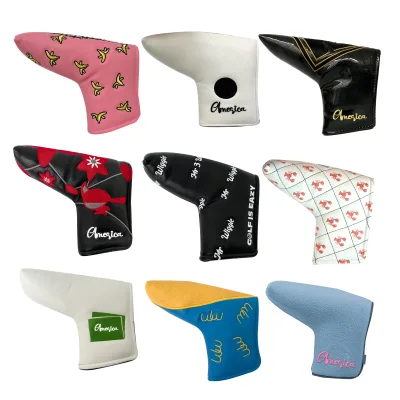


Golf Headcover Club Embroidery PU Leather Driver Custom Golf Head Covers
$4.70 - $5.40
MOQ: 100 Pieces


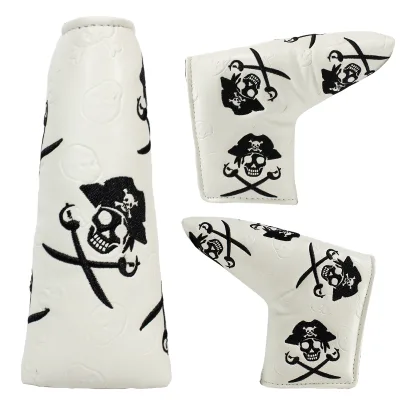


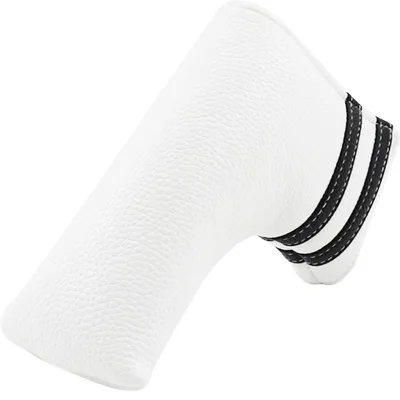

Custom New PU Leather Golf Head Cover Sustainable Putting Cover for Golf Sets
$19.00 - $20.00
MOQ: 100 Pieces
Comprehensive Sourcing Guide
Strategic Sourcing Guide for Waterproof Embroidery Golf Putter Headcovers
The global market for golf accessories has seen a steady increase in demand for personalized and durable equipment, with golf headcovers representing a significant segment. Specifically, the niche for waterproof embroidery golf putter headcovers requires a nuanced understanding of material science, manufacturing capabilities, and supply chain logistics. Buyers entering this sector must navigate a landscape where customization is the primary value driver, yet technical consistency remains paramount. This guide provides a structured approach to sourcing these specific items, relying on verified product attributes and industry standards to ensure procurement success without relying on unverified claims.
Understanding Material Composition and Waterproofing Claims
The foundation of a high-quality putter headcover lies in its material selection. In the current supply market, the dominant materials observed for these products are PU (Polyurethane) and PU Leather, often paired with knitting fabrics. PU materials are frequently cited for their ability to mimic the texture of genuine leather while offering superior resistance to water and wear. When sourcing waterproof embroidery golf putter headcovers, buyers must verify that the "waterproof" attribute is intrinsic to the material grade rather than a superficial coating that may degrade over time.
The product data indicates that materials can range from standard knitting to high-grade PU. Knitting provides breathability and a soft feel, which is often preferred for putter protection, while PU offers a robust, water-resistant shell. A critical evaluation point is the construction method. The headcover must be constructed to prevent water ingress through the stitching lines, which is where embroidery is applied. Buyers should request samples that demonstrate the integrity of the seam where the embroidered logo meets the waterproof material. The presence of "PU Leather" in the specifications suggests a premium tier of product that typically offers better water resistance than standard fabric knits. However, without specific test data from the supplier, the term "waterproof" should be treated as a design intent that requires physical verification through immersion or spray testing before bulk ordering.
Technical Specifications and Customization Parameters
Customization is the defining characteristic of the golf headcover market. The supply chain data confirms that "Customization" is available and that "Customized Designs" are a standard offering. The embroidery process is a key technical specification, with options including full printing, embroidery, or the application of rubber patches. The "Logo Way" is typically listed as embroidery or printing, allowing for intricate designs that enhance the visual appeal of the putter.
When defining technical specifications, buyers must pay close attention to the model numbers and dimensions. Specific models such as HC-P1101, HC-P1104, and YP-1042 indicate that manufacturers have established templates for different club types, including drivers and putters. For a putter headcover, the standard dimension observed in the market data is approximately 20cm x 20cm x 5cm. This size is crucial for ensuring a snug fit that protects the club head without being cumbersome. The weight of the product is another specification to consider, with observed values around 80g. This weight contributes to the perceived quality and durability of the item.
The production process allows for "Full Printing/Embroidery," which means the logo can be integrated directly into the fabric or applied as a patch. The "Pattern" can be customized, allowing buyers to create unique designs that align with their brand identity. However, the "Standard" for the product is often listed as "Customized," which implies that the buyer is responsible for defining the final specifications. This flexibility is a double-edged sword; while it allows for unique products, it requires clear communication of technical requirements to avoid discrepancies between the prototype and the final bulk order.
Cost Drivers and Minimum Order Quantity (MOQ) Analysis
The economics of sourcing golf headcovers are heavily influenced by the level of customization and the order volume. The observed price range in the market spans from 1.6 to 20 USD, a wide variance that reflects differences in material quality, embroidery complexity, and order size. The primary cost drivers include the material type (PU vs. knitting), the complexity of the embroidery, and the packaging requirements.
Minimum Order Quantity (MOQ) is a significant factor in the procurement strategy. The data shows a wide range of MOQs, from as low as 30 pieces to as high as 1000 pieces. Some suppliers offer a "Custom MOQ" of 100 pieces per color per style, while others accept small trial orders with an MOQ of 50 pieces. This variability allows buyers to test the market with lower risk. However, the "MOQ Acceptable" attribute suggests that negotiation is possible, particularly for new buyers.
The cost per unit typically decreases as the order volume increases, but the initial investment in tooling and sample development remains constant. Buyers should be aware that "Customized" products often incur higher setup costs compared to standard inventory items. The "Service" attribute indicates that suppliers are willing to accept small trial orders, which is beneficial for validating the quality of the waterproofing and embroidery before committing to a large batch. When calculating the total cost of ownership, buyers must also factor in the packaging costs, as the "prod_packing" can vary from simple OPP bags to customized cartons containing 150 pieces.
Supplier Evaluation and Production Capabilities
Evaluating a supplier for waterproof embroidery golf putter headcovers requires a focus on their production capabilities and quality control processes. The supply chain data indicates that production originates primarily from China, with specific mentions of Fujian and Xiamen as key manufacturing hubs. These regions are known for their expertise in leather goods and textile manufacturing, which are relevant to the production of PU and knitting headcovers.
A critical aspect of supplier evaluation is their ability to handle the "Sample Time" and "Bulk Time." The observed sample time is typically around 7 days, while the bulk production time is approximately 25 days. These timelines are standard for customized textile products but can vary based on the complexity of the design and the current order backlog. Buyers should verify these lead times in their specific contract to ensure they align with their inventory planning.
The "Feature" of durability is a common claim in the market. To validate this, buyers should assess the supplier's quality control protocols. Do they conduct stress tests on the seams? Do they verify the water resistance of the PU material? The "Standard" attribute often lists the product type (e.g., Golf Putter Headcover), but it does not guarantee a specific international certification. Therefore, buyers must request evidence of quality control, such as inspection reports or photos of the production line, to ensure the supplier can consistently deliver high-quality products.
Quality Control and Compliance Verification
Quality control is paramount when sourcing waterproof golf accessories. Since the "Standard" is often listed as "Customized," there is no single universal standard that all products must meet. Instead, buyers must define their own quality benchmarks. The "Waterproof" claim requires specific verification. Buyers should insist on a water resistance test, such as a spray test or a brief immersion test, to ensure the PU material and stitching do not allow water to penetrate the headcover.
Compliance and certification checks are also essential. While the provided data does not list specific certifications (such as ISO or REACH), buyers should inquire about the chemical composition of the PU leather and the dyes used in the embroidery. Ensuring that the materials are free from harmful substances is a standard requirement for international markets. The "Logo" can be a customized label, tag, or rubber patch, and the quality of these attachments must be verified to ensure they do not peel or fade over time.
The "prod_packing" of 150 pieces in a carton or individual OPP bags must be evaluated for its protective capabilities. The packaging should prevent damage during transit, especially for the embroidered areas which can be susceptible to crushing or snagging. Buyers should request a pre-shipment inspection report that details the condition of the packaging and the integrity of the headcovers.
Long-Term Procurement and Relationship Management
Establishing a long-term procurement strategy for golf putter headcovers involves more than just a single transaction. The "Service" attribute indicates that suppliers are open to small trial orders, which is an excellent starting point for building a relationship. Buyers should use these trial orders to assess the supplier's responsiveness, quality consistency, and ability to meet deadlines.
The "Customized" nature of the product means that the buyer and supplier must maintain a close working relationship to ensure that design changes and material updates are communicated effectively. As the market evolves, suppliers may introduce new materials or embroidery techniques. A strong partnership allows buyers to stay ahead of these trends and offer innovative products to their customers.
Furthermore, the "Small Quantity" acceptance policy suggests that suppliers are flexible, which is beneficial for buyers who need to adjust their order volumes based on market demand. However, buyers should be cautious about relying solely on low MOQs for long-term supply stability. Establishing a framework for larger, recurring orders can lead to better pricing and priority production slots.
Application Scenarios and Market Positioning
Golf putter headcovers serve multiple applications beyond simple club protection. The "Usage" attributes list Entertainment, Racing, and Gift, indicating that these products are often used as promotional items, corporate gifts, or collectibles. The ability to customize the logo and design makes them ideal for branding purposes. Companies often use these headcovers as high-value giveaways at golf tournaments or as part of a corporate gift package.
The "Design" of the headcover can be tailored to match the aesthetic of the golf club or the brand identity of the buyer. The "Pattern" can be customized to include team logos, corporate emblems, or unique artistic designs. This versatility allows buyers to position the product in various market segments, from high-end luxury golf accessories to affordable promotional items.
In the context of "Racing" and "Entertainment," the durability and waterproofing of the headcover become even more critical. These products may be exposed to harsh conditions, and the ability to withstand moisture and wear is a key selling point. Buyers should ensure that the selected supplier can produce headcovers that meet the rigorous demands of these specific use cases.
Final Procurement Considerations
In conclusion, sourcing waterproof embroidery golf putter headcovers requires a careful balance of technical specification, cost management, and supplier evaluation. The market offers a wide range of options, from basic knitting to premium PU leather, with varying levels of customization. Buyers must verify the waterproof claims through testing, define clear quality standards, and establish a strong relationship with their supplier to ensure long-term success. By focusing on the core attributes of material quality, embroidery precision, and production reliability, buyers can secure a supply chain that delivers high-quality products that meet the demands of the modern golf market. The flexibility in MOQ and design options provides a strategic advantage, allowing buyers to adapt to changing market conditions while maintaining product integrity.
FAQs
Can I order small quantities of waterproof embroidery golf putter headcovers?
Yes, suppliers accept small trial orders with a minimum of 30 pieces. Some vendors offer a custom minimum order quantity of 100 pieces per color per style, allowing buyers to test quality before committing to bulk purchases.
What materials are used for waterproof golf putter headcovers?
The primary materials observed are PU, PU leather, and knitting fabrics. PU leather offers superior water resistance and durability, while knitting provides a soft feel, though specific waterproof performance requires physical verification of the material grade.
How is the logo applied to the golf headcover?
Logos are applied via embroidery, printing, or rubber patches. The production process supports full printing or embroidery, allowing for customized designs and labels that align with specific brand identities and design requirements.
What are the typical lead times for custom golf headcovers?
Sample production typically takes around 7 days, while bulk production requires approximately 25 days. These timelines are standard for customized textile products but may vary based on design complexity and current supplier order backlogs.
Which specifications define the size of a golf putter headcover?
Standard dimensions for putter headcovers are approximately 20cm by 20cm by 5cm. The weight is typically around 80g, ensuring a snug fit that protects the club head without being cumbersome during transport.
Where are these golf headcovers manufactured?
Production originates primarily from China, with specific manufacturing hubs in Fujian and Xiamen. These regions are known for expertise in leather goods and textile manufacturing relevant to PU and knitting headcover production.