Source Waterproof Fireproof Bamboo Wall Panel for Hotel Office Home
Compare 30 listings for Waterproof Fireproof Bamboo Wall Panel options suitable for hotels, offices, and homes. Buyers can review specifications including thickness, certifications, and material types like WPC and PVC to find the right fit.
Key considerations
Products List


Fireproof Bamboo Wall Tiles Wall Cladding Bamboo Panel Rustic Wall Panel
$25.00 - $29.70
MOQ: 300 Square Meters

Fireproof High Density Wall Decoration Material Bamboo Wall Panel
$26.00 - $30.00
MOQ: 300 Square Meters

Fireproof High Quality Bamboo Material Commercial Outdoor Bamboo Wall Panel
$26.00 - $30.00
MOQ: 300 Square Meters

Fireproof Weather Proof Exterior Wall Decorative Panel Bamboo Wall Panel
$26.00 - $30.00
MOQ: 300 Square Meters


Healthy Waterproof Wallboard 600mm Bamboo Wood Fiber Wall Panel
$2.00 - $3.00
MOQ: 28000 Square Meters


Waterproof Fireproof New Material Bamboo Fiber Wall Board Marble WPC Wall Panel
$2.75 - $4.58
MOQ: 500 Square Meters


Waterproof Flame Retardant Bamboo Wood Fiber Integrated Wall Panel
$2.90 - $3.90
MOQ: 300 Square Meters

Waterproof Bamboo and Wood Fiber Board Bamboo Integrated Wall Panel
$2.90 - $3.90
MOQ: 300 Square Meters

Easy Installation Hot Sell WPC Wall Panels Waterproof Bamboo Fiber Integrated Wall Panels
$2.90 - $4.90
MOQ: 100 Square Meters

Brushed Metal Fireproof Bamboo Wood Fiber Waterproof Wall Panels
$3.50 - $10.00
MOQ: 1000 Square Meters


5mm Thickness Bamboo Fiber Composite Composite Wall Panel for Interior Decoration
$3.38 - $5.35
MOQ: 1000 Square Meters
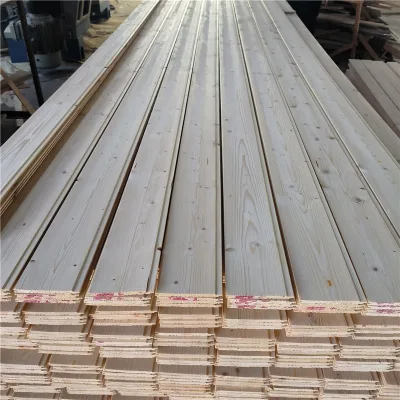


Waterproof and Moisture-Resistant Bamboo Charcoal Decorative Wall Panels
$0.50 - $5.50
MOQ: 500 Pieces


Bamboo Wallpanel Waterproof Wall Panels Fireproof Board Veneer Wood Design
$1.79 - $2.49
MOQ: 100 Square Meters


Waterproof Bamboo Building Material Wall Cladding Bamboo Fluted Wall Panel
$19.00 - $29.00
MOQ: 100 Square Meters

Comprehensive Sourcing Guide
Strategic Sourcing Guide for Waterproof Fireproof Bamboo Wall Panels
Understanding Product Composition and Technical Variations
The core keyword "Waterproof Fireproof Bamboo Wall Panel" often leads buyers to a complex landscape of materials that may not strictly contain bamboo despite the marketing terminology. In the current supply market, the term frequently encompasses Wood Plastic Composite (WPC) and Polyvinyl Chloride (PVC) panels that utilize bamboo fiber or charcoal additives for aesthetic and functional enhancement. A critical first step in sourcing is distinguishing between the actual material composition and the claimed functional benefits. The observed product data indicates a divergence in material types, with specific listings identifying WPC as the primary material, while others specify PVC. Both categories are engineered to deliver the "waterproof" and "fireproof" attributes central to the search query, yet their structural properties differ significantly.
WPC panels, as observed in the supply data, often feature a "T&G" (Tongue and Groove) joint system, which is essential for seamless installation in both indoor and outdoor environments. These panels typically adhere to specific dimensional standards, such as the 186010312mm configuration, which suggests a robust profile suitable for heavy-duty cladding. Conversely, PVC-based options, such as those labeled as "Bamboo Charcoal Wall Panel," may present thinner profiles, with thicknesses recorded at 7.5mm or 8mm. The functional claims for these materials include "Waterproof," "Fireproof," and "Anti-Termite" capabilities, with some listings specifying a "Grade 8" resistance to termites. Buyers must verify that the specific product they are evaluating actually meets the moisture content requirements, which in the observed data range from 18-20%, a factor that directly influences dimensional stability and resistance to warping in humid conditions.
Compliance Verification and Certification Standards
Navigating the certification landscape is paramount when sourcing panels that claim fire and water resistance. The supply data reveals a mix of international and functional certifications that buyers must validate against their local building codes. High-confidence facts from the market indicate that many suppliers provide CE, FSC, ISO9001, and ISO14001 certifications. The CE mark is a critical indicator of conformity with health, safety, and environmental protection standards for products sold within the European Economic Area. Similarly, ISO9001 ensures that the manufacturer has a quality management system in place, while ISO14001 addresses environmental management practices.
However, buyers should exercise caution regarding the specific application of these certifications. While the data lists "FSC" and "CE" as high-confidence attributes, it also notes "EN 300" and "ISO 9001" in lower-confidence background sections. This distinction suggests that while the manufacturer may hold these certifications, the specific product batch or model might not automatically comply with every standard without explicit verification. For fire resistance, the data mentions "Fireproof" as a function and "Fireproof+Waterproof+Anti-Scratch" as an advantage, but it does not provide specific fire rating numbers (e.g., Class A, B, or C). Therefore, procurement teams must request specific fire test reports from the supplier to confirm the panel's performance under local fire safety regulations. Additionally, certifications such as "Waterproof," "Anti-Static," "Soundproof," and "Thermal Insulation" are listed, but these should be treated as functional claims that require third-party validation rather than automatic guarantees.
Cost Drivers and Pricing Structure Analysis
The pricing for waterproof and fireproof wall panels is influenced by a complex interplay of material costs, customization levels, and order volume. The observed price range in the market spans from $0.50 to $580 USD, a variance that reflects the difference between basic raw material costs and fully customized, high-specification solutions. The lower end of the spectrum likely corresponds to standard PVC or WPC panels with minimal customization, while the upper end may include premium finishes, specific fire ratings, or large-scale custom orders.
A significant cost driver is the "Customized" attribute, which is explicitly noted as available in the supply data. Customization can affect the final price through changes in dimensions, such as the standard 600mm, 400mm, or 250mm widths, or specific lengths like the 1860mm profile. Furthermore, the "Style" of the panel, which includes options like "Wood Grain," "Cloth," "Marble," and "Metal," adds to the manufacturing complexity and cost. The "Gram Weight" of the panels also serves as an indicator of material density and quality, with observed values ranging from 1650g to 3200g per unit. Heavier panels generally imply a higher density of bamboo fiber or plastic composite, which can enhance durability and fire resistance but may increase shipping costs.
Minimum Order Quantity (MOQ) is another critical factor in the total cost of ownership. The observed MOQ range is extensive, spanning from 5 units to 28,000 units. Small buyers may find the lower MOQs accessible, but they might face higher per-unit costs. Conversely, large-scale projects can leverage the higher MOQs to negotiate better pricing. The "Pallet" and "Carton Packing" options also influence logistics costs, with the number of pieces per box varying between 6 and 7 pieces depending on the model. Buyers should calculate the total landed cost, including packaging and shipping, rather than focusing solely on the unit price.
Typical Applications and Installation Considerations
The versatility of these panels makes them suitable for a wide array of applications, ranging from residential interiors to commercial and outdoor environments. The supply data highlights applications in "School," "Hotel," "Restaurant," "Entertainment Venue," "Home," "Apartment," and "Office Building." This broad applicability is supported by the dual usage classification of "Indoor" and "Outdoor," indicating that the products are engineered to withstand varying environmental conditions. The "Waterproof" and "Fireproof" functions are particularly valuable in high-traffic commercial spaces like hotels and restaurants, where safety and durability are paramount.
Installation is a key consideration for project timelines and labor costs. The data emphasizes "Easily Installation" as a primary attribute, facilitated by the "T&G" joint system. This design allows for quick assembly without the need for extensive adhesives or complex fastening systems in many cases. The "Bamboo Fiber Wall Cladding" and "WPC Decorative Wall Panel" models are designed for seamless integration into existing structures. However, buyers must ensure that the installation method is compatible with the specific substrate and environmental conditions of the project site. For outdoor applications, the "Anti-Termite" grade and "Moisture Content" specifications become even more critical to prevent long-term degradation. The "Style" options, including "Wood Grain" and "Marble," allow for aesthetic customization that can match the architectural design of the venue, whether it is a modern office or a traditional home.
Supplier Evaluation and Quality Control Protocols
Evaluating suppliers requires a rigorous approach to ensure that the claimed specifications match the delivered product. The supply data indicates origins in "Fujian, China," "Tangshan, China," and "Linyi," suggesting a concentration of manufacturing hubs in these regions. Buyers should verify the specific origin of the product, as different regions may have varying standards of quality control and production capabilities. The "Factory Wholesale" style suggests that many suppliers are direct manufacturers, which can reduce costs but requires careful vetting of their production capacity and quality assurance processes.
Quality control should focus on verifying the "Material" composition, ensuring that the product is indeed WPC or PVC as claimed, and checking the "Certification" documents for validity. The "Number of Packages" and "Packing" details, such as "Carton Packing" or "Pallet," should be inspected to ensure that the goods are protected during transit. Buyers should also request samples to test the "Gram Weight," "Thickness," and "Joint" integrity. The "Advantage" claims of "Fireproof+Waterproof+Anti-Scratch" must be substantiated with test reports, as these are critical for safety compliance. Additionally, the "Customization" process should be clearly defined, including lead times and the ability to meet specific "Color" and "Style" requirements.
Long-Term Procurement and Maintenance Strategy
Sourcing waterproof and fireproof wall panels is not just a one-time transaction but a long-term investment in the building's infrastructure. The "Long Time" insulation and durability claims suggest that these panels are designed for extended service life. However, buyers must consider the maintenance requirements and the potential for replacement. The "Moisture Content" of 18-20% indicates that the panels are sensitive to environmental changes, and proper installation is crucial to maintain their performance over time.
Buyers should establish a long-term relationship with suppliers who can provide consistent quality and support for future repairs or expansions. The "Customized" nature of the products means that future orders may need to match the original specifications exactly, making it essential to retain detailed records of the initial order, including model numbers like "Y60," "K08," or "NVBF73006." The "Standard" dimensions and "Thickness" should be documented to ensure compatibility with future design changes. Furthermore, buyers should monitor the market for updates in certifications and standards, as regulations regarding fire safety and environmental impact may evolve. By maintaining a proactive approach to procurement and quality control, buyers can ensure that their investment in waterproof and fireproof wall panels delivers the expected performance and value over the long term.
Comparative Analysis of Key Product Attributes
To assist buyers in making informed decisions, the following table summarizes the key attributes observed in the supply data, highlighting the differences between material types and their respective applications.
| Attribute | WPC Product Profile | PVC Product Profile |
|---|---|---|
| Material | Wood Plastic Composite | Polyvinyl Chloride |
| Thickness | 12mm | 7.5mm - 8mm |
| Standard Size | 1860*103mm | 400mm - 600mm |
| Joint Type | T&G (Tongue and Groove) | T&G (Implied by style) |
| Moisture Content | 18-20% | Not Specified |
| Gram Weight | 3100g - 3200g | 1650g - 2000g |
| Primary Usage | Outdoor, Indoor | Indoor, Outdoor |
| Key Function | Waterproof, Fireproof, Anti-Termite | Waterproof, Fireproof, Insulation |
| Certifications | CE, FSC, ISO9001, ISO14001 | CE, ISO, Waterproof, Anti-Static |
| Origin | Fujian, China | Tangshan, Linyi, China |
This comparison underscores the importance of selecting the right product based on the specific project requirements. WPC panels, with their higher thickness and weight, may be better suited for heavy-duty outdoor applications, while PVC panels offer a lighter, more cost-effective solution for interior decoration. By carefully analyzing these attributes, buyers can optimize their procurement strategy to meet both functional and budgetary needs.
FAQs
What materials are used for waterproof fireproof bamboo wall panels?
These panels are primarily made from Wood Plastic Composite or Polyvinyl Chloride. While marketed as bamboo panels, they often contain bamboo fiber additives rather than pure bamboo. Both materials deliver the required waterproof and fireproof functions for indoor and outdoor use.
Which certifications should I verify for fire and water resistance?
High-confidence facts indicate CE, ISO9001, and ISO14001 certifications are available. Some listings also claim waterproof, anti-static, and thermal insulation properties. Buyers must request specific fire test reports to confirm performance ratings against local building codes.
How do thickness and dimensions vary across different panel models?
Thickness ranges from 7.5mm to 12mm depending on the material type. Standard widths include 250mm, 400mm, and 600mm, with lengths like 1860mm for WPC profiles. Customized lengths are also available to meet specific project requirements.
Can these panels be installed in both indoor and outdoor environments?
Yes, the products are designed for dual usage in indoor and outdoor settings. They feature T&G joints for seamless installation and offer Grade 8 termite resistance. The moisture content ranges from 18-20%, ensuring stability in varying environmental conditions.
What is the typical price range and minimum order quantity?
The observed price range spans from 0.5 to 580 USD per unit. Minimum order quantities vary significantly from 5 to 28,000 units depending on the supplier and customization level. Customization affects the final price through changes in dimensions and finishes.
Where are the main manufacturing locations for these wall panels?
Manufacturing hubs are located in Fujian, Tangshan, and Linyi in China. Buyers should verify the specific origin as quality control standards may vary by region. Factory wholesale options are common, suggesting direct manufacturer relationships are available.
How are the panels packaged for shipping and transport?
Packaging options include carton packing and pallets for bulk shipments. Each box typically contains 6 to 7 pieces depending on the model. The packaging protects the panels during transit while facilitating easy handling at the job site.