Source Waterproof Fireproof PS Wall Panel for Home and Office
Find and compare 26 Waterproof Fireproof PS Wall Panel options from Chinese manufacturers. These polystyrene and EPS panels offer decorative, lightweight, and moisture-proof solutions for indoor wall decoration in homes, offices, and public spaces.
Key considerations
Products List


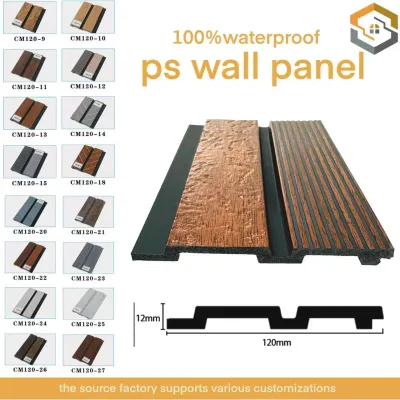
Alternative Wood Cladding Waterproof PS Wall Panel Factory Direct Sales
$100.00 - $200.00
MOQ: 100 Pieces




Comprehensive Sourcing Guide
Waterproof Fireproof PS Wall Panel Sourcing Guide
Sourcing high-performance interior cladding requires a clear distinction between material classes, particularly when balancing aesthetic flexibility with functional durability. Polystyrene (PS) and Expanded Polystyrene (EPS) wall panels offer a lightweight, cost-effective alternative to traditional wood or composite materials, providing excellent moisture resistance and ease of installation. However, buyers must carefully navigate the terminology surrounding "fireproof" claims, as standard PS materials are inherently combustible and typically require specific additives or surface treatments to achieve fire-retardant ratings. This guide outlines the critical verification steps for sourcing these panels, ensuring that procurement decisions align with both project design requirements and safety compliance standards.
The market for decorative wall panels is diverse, ranging from basic EPS insulation boards to high-end WPC (Wood-Plastic Composite) and PS panels with wood-grain textures. While many suppliers list products as "waterproof" and "decorative," the specific performance characteristics—such as soundproofing, mold resistance, and fire rating—vary significantly by model and manufacturing process. Procurement teams must rely on observed listing signals and technical specifications rather than marketing headlines to determine suitability for specific applications, whether residential, commercial, or public spaces.
Product Scope and Observed Listing Signals
The current market landscape for PS and related wall panels reveals a wide spectrum of product attributes, with observed prices ranging from $0.40 to $200 USD per unit or batch, depending on complexity and volume. Minimum Order Quantities (MOQs) are similarly flexible, starting from as low as 1 unit for samples or small custom orders up to 5,000 units for large-scale commercial projects. This variability indicates that buyers can engage with suppliers at various stages of project development, but it also necessitates careful evaluation of unit economics and shipping logistics, especially given that many products originate from manufacturing hubs in China, including Jinhua and Yiwu in Zhejiang Province.
Observed product names and models, such as "PS-94," "AM1302," and "Q1222," suggest a high degree of customization and model-specific engineering. Many listings highlight advantages like being lightweight, waterproof, eco-friendly, and mold-proof, which are critical for indoor applications in bedrooms, home theaters, and auditoriums. However, the term "fireproof" in the core keyword requires scrutiny; while some products may feature fire-retardant properties, standard PS and EPS materials are generally not classified as non-combustible without specific certification. Buyers should verify if the "fireproof" claim refers to a specific fire rating (e.g., Class B1) or if it is a general marketing term for moisture resistance, which is a confirmed attribute for many listed items.
Technical Specifications to Verify
Dimensional accuracy and material composition are paramount when specifying wall panels for construction or renovation projects. Observed specifications include sizes such as 15012mm, 1208mm, and standard widths of 120cm with thicknesses of 12mm. Models like "jw120t12" and "ps-0154" indicate that suppliers offer standardized dimensions alongside custom sizing options. Buyers must confirm the exact length, width, and thickness tolerances, as deviations can impact installation efficiency and final aesthetic quality. Additionally, the surface treatment, which may include wood textures or film coatings, should be evaluated for durability and resistance to wear, especially in high-traffic areas like public spaces or concert halls.
The distinction between Polystyrene (PS), Expanded Polystyrene (EPS), and Wood-Plastic Composite (WPC) materials is crucial for performance assessment. While PS and EPS panels are noted for their lightweight nature and waterproof capabilities, WPC panels often offer enhanced structural integrity and a more realistic wood appearance. The observed "irregular" shape attribute for some models suggests decorative or acoustic panels designed for specific aesthetic or sound-dampening purposes. Buyers should request detailed material data sheets to understand the density, tensile strength, and thermal insulation properties of the specific panel type, ensuring it meets the structural and environmental demands of the intended application, whether indoor wall decoration or outdoor use.
Compliance and Safety Documentation
Safety compliance is a critical component of sourcing wall panels, particularly when the product is marketed with fire-related attributes. While some listings mention ISO9001 certification and general ISO standards, these typically refer to quality management systems rather than product-specific safety ratings. Buyers must explicitly request fire test reports from accredited laboratories to verify any fire-retardant claims. Standard PS materials are combustible, so if a "fireproof" or "smoke-proof" attribute is required, the supplier must provide evidence of compliance with relevant fire safety standards, such as Class B1 or Class A ratings, depending on local building codes.
Moisture and mold resistance are well-documented advantages for many PS and WPC panels, making them suitable for humid environments. However, buyers should verify the specific testing methods used to claim "waterproof" or "mold-proof" status. For applications in bathrooms, basements, or other high-moisture areas, it is essential to ensure that the panel's core material and surface coating do not degrade over time. Additionally, for indoor applications, buyers should inquire about VOC (Volatile Organic Compounds) emissions and other indoor air quality certifications to ensure the panels do not compromise the health of occupants in spaces like bedrooms or home theaters.
Cost Drivers and Commercial Terms
The cost of PS wall panels is influenced by several factors, including material type, surface treatment complexity, and order volume. The observed price range of $0.40 to $200 USD reflects the diversity of products, from basic EPS boards to premium WPC panels with intricate wood textures. Customization options, such as specific colors, sizes, or surface finishes, can significantly impact the unit price and MOQ. Buyers should anticipate higher costs for custom orders and evaluate whether the aesthetic benefits justify the additional expense compared to standard off-the-shelf options.
Packaging and logistics also play a significant role in total landed cost. Products are typically packed in cartons, PE bags, or on pallets, with some suppliers offering customized packaging solutions. Buyers must consider the volume-to-weight ratio of the panels, as PS and EPS materials are lightweight but can be bulky, affecting shipping costs. Negotiating clear terms for packaging durability is essential to prevent damage during transit, especially for panels with delicate surface treatments. Additionally, buyers should clarify payment terms, lead times, and responsibilities for import duties and taxes to avoid unexpected costs.
Supplier Qualification and Quality Control
Supplier qualification is essential to ensure consistent product quality and reliable delivery. Buyers should verify the supplier's manufacturing capabilities, including their production capacity, quality control processes, and experience in exporting to the target market. While some suppliers list ISO9001 certification, buyers should conduct additional due diligence, such as requesting factory audits or third-party inspection reports, to assess their actual production standards. For custom orders, it is crucial to establish clear communication channels and approval processes for samples and prototypes before mass production begins.
Quality control measures should include regular inspections of raw materials, in-process checks during manufacturing, and final random inspections before shipment. Buyers should specify acceptable tolerances for dimensions, color consistency, and surface defects in the purchase agreement. For products with specific performance claims, such as waterproofing or fire resistance, buyers may require pre-shipment testing by independent laboratories. Establishing a robust quality assurance framework helps mitigate risks associated with product defects and ensures that the delivered panels meet the project's specifications.
Long-Term Procurement Checks
Long-term procurement success depends on establishing a reliable supply chain and maintaining ongoing quality monitoring. Buyers should develop a supplier scorecard to track performance metrics such as on-time delivery, product quality, and responsiveness to issues. Regular reviews of supplier performance can help identify potential risks and opportunities for improvement. Additionally, buyers should stay informed about changes in building codes and safety standards that may affect the suitability of PS and WPC panels for future projects.
Sustainability and environmental impact are increasingly important considerations in procurement. Buyers should inquire about the recyclability of the panels and the supplier's environmental policies, such as waste reduction and energy efficiency measures. For products marketed as "eco-friendly," buyers should request documentation to support these claims, such as recycled content percentages or certifications from recognized environmental bodies. By prioritizing sustainable sourcing practices, buyers can align their procurement strategies with broader corporate social responsibility goals and meet the growing demand for environmentally conscious building materials.
FAQs
What materials are used for waterproof PS wall panels?
These panels are primarily manufactured from Polystyrene (PS) and Expanded Polystyrene (EPS). These materials provide a lightweight structure that is inherently waterproof and moisture-proof. This composition ensures durability for both indoor and outdoor applications while maintaining a decorative finish suitable for modern home and office environments.
Can I customize the size and color of these panels?
Yes, customization is available for both size and color. Buyers can request custom dimensions, such as the standard 150*12mm or 120*8mm specifications, and choose from custom colors. The surface treatment can also be customized, including options like wood texture or film coating, to match specific interior design requirements.
What are the main advantages of using PS wall panels?
The key advantages include being waterproof, lightweight, and decorative. These panels are also mould-proof and eco-friendly, making them suitable for various settings like bedrooms, home theaters, and public spaces. Their moisture-proof nature ensures longevity, while the lightweight design simplifies installation and reduces structural load on walls.
Where are these wall panels typically applied?
These panels are applied in both indoor and outdoor settings. Common applications include home offices, bedrooms, home theaters, concert halls, and auditoriums. They are also used in public spaces for decorative wall paneling. The waterproof feature makes them versatile for areas requiring moisture resistance and aesthetic appeal.
What certifications do these construction materials have?
These construction materials are associated with ISO9001 certification, indicating adherence to quality management standards. Some listings also reference ISO certification. These credentials suggest that the manufacturing processes meet recognized industry standards for quality and consistency, providing buyers with confidence in the product's reliability and performance.
How are the panels packaged for shipping?
The panels are packaged in cartons, with some options including PE bags for additional protection. For larger orders, carton or pallet packaging is available. This packaging method ensures the panels are protected during transit, maintaining their integrity and preventing damage before they reach the buyer's location.