Source Waterproof Fish Farm Pond Liner for Ponds, Streams, and Fountains
Explore 30 verified listings for the Waterproof Fish Farm Pond Liner designed for small ponds, fish ponds, and streams. Buyers can compare thickness, material options like HDPE and PVC, and customization features to find the right solution for their hydraulic or environmental projects.
Key considerations
Products List


Waterproof Geomembrane Manufacturers Fish Farm Plastic Pond Liner for Aquaculture
$0.50 - $1.30
MOQ: 1000 Square Meters


Anti UV HDPE Pond Liner for Fish Farming, Water Storage Pond Liner
$0.50 - $1.30
MOQ: 1000 Square Meters


PVC Waterproof Membrane Fish Farm Plastic Pond Liner for Aquaculture and Pool
$1.43 - $3.72
MOQ: 1200 Square Meters

Flexible and Foldable PVC Tarpaulin Fish Farming 4m Width PVC Pond Liner
$1.43 - $3.72
MOQ: 1200 Square Meters

Plastic Film Fish Pond Farm Tank Geomembrane Lining Pond Pool Liner
$0.46 - $0.56
MOQ: 3000 Square Meters


0.5mm Plastic Pond Liner Geomembrane Fish Farm for Fish Shrimp Farming
$0.76 - $0.79
MOQ: 3000 Square Meters


Anti-UV Waterproof Eco-Friendly Durable 1mm-2.5mm Thickness Fish Farm Pond Liner
$0.11 - $0.14
MOQ: 1000 Square Meters

Perfect Quality 0.5mm Fish Farm Pond Liner 0.7mm Waterproof Geomembranas
$0.11 - $0.14
MOQ: 1000 Square Meters
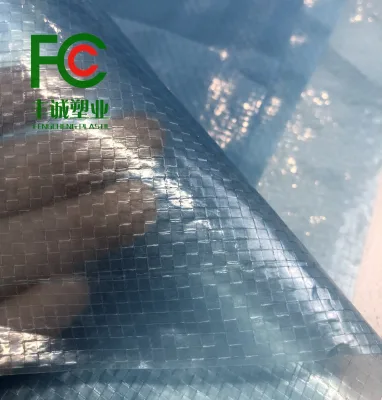
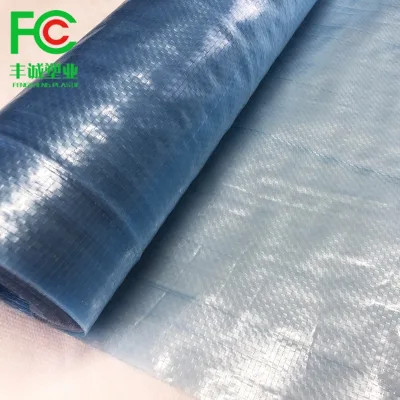
190gsm Blue Backyard Pond Liner Water Garden Liner Waterproof Pond Liner
$0.40 - $1.60
MOQ: 1000 square
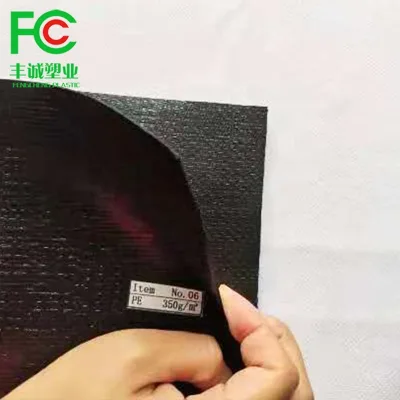
Black RPE Waterproof Geomembrane Pond Liner Water Pool Liner for Shrimp
$0.40 - $1.60
MOQ: 1000 square


Fish farm pvc geomembrane circular tanks / fish farm pond liner for aquaculture
$145.00 - $150.00
MOQ: 10 Pieces


Aquaculture Pond Liner Fish Tank Shrimp Pond Farm Liner Pond Liner Geomembranes
$0.16 - $0.76
MOQ: 500 Square Meters

Comprehensive Sourcing Guide
Strategic Sourcing Guide for Waterproof Fish Farm Pond Liners
Selecting the appropriate waterproof liner for fish farm ponds is a critical procurement decision that directly impacts the longevity of the aquaculture infrastructure, water quality management, and operational costs. The global market for geomembranes and pond liners offers a diverse array of materials, ranging from High-Density Polyethylene (HDPE) to Polyvinyl Chloride (PVC), each with distinct technical profiles. Buyers must navigate a complex landscape of specifications, certifications, and supplier capabilities to ensure the selected product meets the rigorous demands of aquatic environments. This guide provides a structured approach to evaluating waterproof fish farm pond liners based on verified product attributes, technical standards, and procurement best practices.
Material Selection and Technical Specifications
The foundation of a successful pond liner project lies in the selection of the correct material. The supplied data indicates that the primary materials available in the market include HDPE and PVC. HDPE is frequently cited for its high strength and durability, making it a robust choice for large-scale agricultural and environmental projects. In contrast, PVC offers flexibility and is often utilized in applications requiring specific surface textures. The choice between these materials should be driven by the specific environmental conditions of the fish farm, including temperature fluctuations, chemical exposure, and mechanical stress.
Thickness is a paramount specification that dictates the liner's resistance to puncture and its overall lifespan. Observed product data reveals a thickness range spanning from 0.2mm to 3.5mm, with specific models like FCF05 and others offering thicknesses of 1.2mm or 0.8mm. For fish pond applications, where the liner must withstand the weight of water, potential debris, and aquatic life, a thickness within the 0.5mm to 3.0mm range is often considered standard, though heavier gauges up to 3.5mm may be required for high-risk environments. Buyers should verify the exact thickness required for their specific project load calculations rather than assuming a standard value.
Dimensional flexibility is another critical technical factor. The supply chain offers significant customization in length and width to minimize seams, which are potential points of failure. Standard widths observed range from 1 meter to 30 meters, with specific products available in 4-meter or 7-meter widths. Lengths vary from 20 meters up to 140 meters, with many suppliers offering lengths of 50 to 100 meters or fully customized requests. The ability to order custom dimensions is essential for large ponds to reduce the number of field welds required, thereby enhancing the integrity of the waterproof barrier.
Compliance, Certification, and Quality Standards
Ensuring that the liner material complies with international and local safety standards is non-negotiable for fish farming, where water quality is paramount. The presence of certifications such as ISO, CE, ASTM, and MSDS in the product data suggests that reputable suppliers adhere to rigorous quality management systems and material safety protocols. Specifically, the ISO certification indicates adherence to international standards for quality management, while CE marking suggests compliance with European health, safety, and environmental protection standards. ASTM standards, such as those potentially related to geomembrane testing, are vital for verifying material performance under specific conditions.
Buyers must verify that the supplier can provide valid, up-to-date certification documents for the specific batch of material being purchased. It is important to note that while some products list certifications like ISO and CE, others may only list ISO, and the presence of MSDS (Material Safety Data Sheet) is crucial for understanding the chemical composition and potential leaching risks. For fish farms, it is imperative to confirm that the liner material is non-toxic and safe for aquatic life, a claim that should be substantiated by the MSDS and relevant environmental testing results.
The product standard specifications also play a role in compliance. Data indicates standards such as 420m, 540m, or 8*50m configurations, alongside thickness standards ranging from 0.25mm to 3.0mm. These standards define the physical parameters of the product, but buyers should not assume that a product meeting a standard automatically meets the specific performance requirements of their fish farm. Verification of the specific test results against the claimed standard is necessary to ensure the liner will perform as expected in the field.
Cost Drivers and Procurement Economics
Understanding the cost structure of waterproof pond liners is essential for budgeting and financial planning. The observed price range in the market is extensive, spanning from $0.11 to $10,000 USD. This wide variance is not indicative of a single product's price but rather reflects the differences in material type, thickness, dimensions, and order volume. The cost is heavily influenced by the thickness of the liner; thicker materials require more raw polymer, directly increasing the unit price. Similarly, custom dimensions and specialized surface treatments, such as smooth or textured sides, can add to the manufacturing cost.
Minimum Order Quantity (MOQ) is another significant economic factor. The data shows an MOQ range from 1 to 10,000 units, with a specific observation of 1000 square meters for stock weights and colors. For smaller fish farm projects, an MOQ of 1000 square meters may present a logistical challenge, requiring buyers to consolidate orders or negotiate with suppliers for smaller quantities. Conversely, large-scale aquaculture operations can leverage bulk purchasing to reduce the per-unit cost. Buyers should calculate the total area required for their pond, including a safety margin for overlaps and seams, to determine if they meet the supplier's MOQ thresholds.
Packaging and logistics also contribute to the overall cost. Products are typically packed in plastic bags, woven bags, or standard export packing, depending on the supplier. The choice of packaging affects the ease of transport and the protection of the material during shipping. For international procurement, the origin of the product, such as China (Henan, Yantai), influences freight costs and lead times. Buyers must factor in these logistics costs when comparing total landed costs from different suppliers.
Typical Applications and Performance Requirements
Waterproof fish farm pond liners are designed for a variety of applications, including small ponds, fish ponds, streams, fountains, and larger hydraulic projects. The versatility of these liners allows them to be used in diverse environments, from small-scale backyard aquaculture to large industrial transportation and environmental projects. The primary function of the liner is to prevent water loss through seepage, maintain water levels, and protect the underlying soil from contamination.
Performance requirements for fish farm liners include high strength, durability, and resistance to environmental factors. The observed features highlight attributes such as UV resistance, puncture resistance, tear resistance, and impact resistance. These properties are critical for withstanding the harsh conditions of an outdoor pond, including exposure to sunlight, temperature changes, and potential mechanical damage from equipment or aquatic life. The lifespan of these liners is estimated to be between 5 to 10 years, though this can vary based on the material quality and environmental conditions.
The surface texture of the liner is another consideration. Products are available with smooth sides or textured surfaces. A smooth surface may be preferred for ease of cleaning and maintenance, while a textured surface can provide additional friction, potentially beneficial for certain types of pond construction or to prevent slippage during installation. The application of the liner also dictates the need for specific features; for instance, liners used in environmental projects may require higher resistance to chemical leaching compared to those used in simple water containment.
Supplier Evaluation and Quality Control
Evaluating suppliers requires a systematic approach to ensure reliability and product consistency. Key factors to consider include the supplier's location, production capabilities, and track record. The data indicates that suppliers are located in various regions of China, including Henan and Yantai, which are known manufacturing hubs. Buyers should verify the supplier's ability to meet the specific customization needs of their project, such as custom thicknesses, widths, and lengths.
Quality control is a critical component of the procurement process. Buyers should request detailed information on the manufacturing process, such as blow molding technology, which is noted in the product data. Understanding the production method helps in assessing the consistency and quality of the final product. Additionally, buyers should inquire about the supplier's quality assurance protocols, including in-process testing and final inspection procedures.
The packaging and handling of the liner are also indicators of supplier quality. Products are packed in plastic bags, woven bags, or standard export packing, and the supplier should ensure that the packaging protects the material from damage during transit. Buyers should also verify the supplier's ability to provide documentation, such as test reports and certification copies, to validate the product's claims.
Long-Term Procurement and Lifecycle Management
Long-term procurement considerations involve planning for the entire lifecycle of the pond liner, from installation to eventual replacement. The expected lifetime of 5 to 10 years suggests that buyers should plan for periodic inspections and maintenance. Regular monitoring of the liner's condition can help identify potential issues early, such as UV degradation or punctures, allowing for timely repairs that extend the liner's service life.
Customization options play a significant role in long-term value. The ability to order customized weights, colors, and dimensions allows buyers to tailor the liner to their specific needs, potentially reducing waste and improving efficiency. For example, ordering a liner with a specific weight of 160GSM to 350GSM can ensure the material is robust enough for the intended application without being unnecessarily heavy or expensive.
Buyers should also consider the environmental impact of the liner. Materials like HDPE and PVC are durable and long-lasting, but their disposal and recycling at the end of their lifecycle should be considered. Selecting suppliers who offer sustainable packaging and have clear policies on material disposal can contribute to the overall environmental responsibility of the aquaculture project.
Conclusion
Sourcing waterproof fish farm pond liners requires a careful balance of technical specifications, compliance verification, and economic analysis. By understanding the material options, thickness ranges, and certification requirements, buyers can make informed decisions that ensure the longevity and safety of their aquaculture infrastructure. The wide range of available products, from standard stock items to fully customized solutions, offers flexibility for projects of all sizes. However, the complexity of the market necessitates a disciplined approach to supplier evaluation and quality control. By focusing on verified facts and avoiding unproven claims, buyers can secure high-quality liners that meet the rigorous demands of fish farming while optimizing costs and minimizing risks. The ultimate goal is to establish a reliable supply chain that supports the sustainable growth of the aquaculture industry.
FAQs
What thickness options are available for waterproof fish farm pond liners?
Thickness ranges from 0.2mm to 3.5mm with specific models offering 0.8mm or 1.2mm. Buyers can request customized thicknesses to match specific project load requirements and environmental conditions.
Which certifications do Waterproof Fish Farm Pond Liner manufacturers typically hold?
Reputable suppliers often provide ISO, CE, ASTM, and MSDS certifications. These documents verify quality management systems and material safety, ensuring the liner is non-toxic for aquatic life.
Can I order custom dimensions for waterproof fish farm pond liners?
Yes, customization is available for length, width, and weight specifications. Standard widths range from 1 to 30 meters, while lengths can be customized up to 140 meters to minimize field seams.
What is the minimum order quantity for stock weight and color options?
The minimum order quantity is 1000 square meters for stock weights and colors. Custom orders may have different thresholds, so buyers should verify specific requirements before placing an order.
How long does a Waterproof Fish Farm Pond Liner typically last?
The expected service life is between 5 to 10 years depending on material quality. Factors like UV exposure and mechanical stress influence longevity, so regular inspections are recommended.
What materials are used to manufacture waterproof fish farm pond liners?
Primary materials include High-Density Polyethylene (HDPE) and Polyvinyl Chloride (PVC). HDPE offers high strength for large projects, while PVC provides flexibility for specific surface texture needs.
Where are Waterproof Fish Farm Pond Liner factories located?
Manufacturing facilities are located in China, specifically in Henan and Yantai regions. These hubs offer diverse sourcing options with varying lead times and logistics capabilities for international buyers.