Source Waterproof Flame Retardant Oxford Fabric for Tents, Raincoats, and Car Covers
Find and compare 30 listings for Waterproof Flame Retardant Oxford Fabric suitable for tents, raincoats, and car covers. Options include 210D and 600D variants with PU coating, Oeko-Tex 100 certification, and custom color availability from Chinese manufacturers.
Key considerations
Products List


600d Recycled Polyester Oxford Anti Fire Waterproof Flame Retardant Fabric
$2.65 - $3.55
MOQ: 1000 Meters

Printed 600d Recycled Polyester Oxford Anti Fire Waterproof Flame Retardant Fabric
$2.77 - $4.86
MOQ: 1000 Meters


Flame Retardant 600d Oxford Fabric Waterproof Fireproof Tactical Camouflage Fabric
$2.03 - $2.85
MOQ: 100 Meters


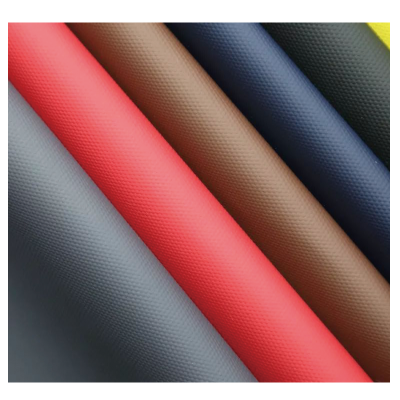


Comprehensive Sourcing Guide
Waterproof Flame Retardant Oxford Fabric Sourcing Guide
Sourcing high-performance textiles for industrial and consumer applications requires a rigorous understanding of material composition, coating technologies, and regulatory compliance. Waterproof Flame Retardant Oxford Fabric serves as a critical component in sectors ranging from outdoor gear to automotive interiors, where durability and safety are non-negotiable. This guide provides evidence-based procurement strategies to help buyers navigate the complexities of this specialized market, ensuring that selected materials meet both functional requirements and legal standards. By focusing on verified technical specifications and supplier capabilities, procurement teams can mitigate risks associated with supply chain variability and product failure.
The following sections detail the essential steps for evaluating suppliers, verifying product attributes, and establishing robust commercial terms. Buyers are advised to treat observed listing data as initial signals rather than definitive guarantees, requiring independent verification through sample testing and factory audits. This disciplined approach ensures that the final selected fabric aligns with the specific demands of the end-use application, whether it involves high-stress environments like tent structures or sensitive applications requiring eco-friendly certifications.
Product Scope and Observed Listing Signals
The market for Waterproof Flame Retardant Oxford Fabric presents a diverse range of product variations, often characterized by specific denier counts and weave structures. Observed listings indicate a wide spectrum of specifications, including models such as C000020, YW-1335, and BMJ-F02, which suggest that suppliers offer customized solutions rather than a one-size-fits-all inventory. The presence of different denier standards, such as 210D210D and 600D600D, highlights the importance of matching fabric weight and density to the intended application. Buyers must carefully review these model numbers and denier ratings to ensure the physical strength and tear resistance of the fabric align with the mechanical stresses it will encounter in service.
Listing signals also reveal significant variation in material composition and finishing processes, which directly impact performance and cost. Some products are identified as 100% recycled polyester, appealing to sustainability-focused procurement strategies, while others specify filament fiber types and warp knitting techniques. The finishing process is frequently noted as coating, with specific mentions of PU (Polyurethane) coating types, which are essential for achieving waterproof and flame-retardant properties. Additionally, attributes such as color fastness ratings of 4~5 Grade and the availability of customized colors indicate that aesthetic requirements can be met without compromising technical integrity. Buyers should use these signals to shortlist suppliers who demonstrate the specific technical capabilities required for their project.
Technical Specifications to Verify
Verifying the technical specifications of Waterproof Flame Retardant Oxford Fabric is paramount to ensuring product reliability and safety. Key attributes to confirm include the fiber cross-section, structure, and physical features, as these determine the fabric’s breathability, strength, and resistance to environmental factors. For instance, microfiber structures and high-strength physical features are often associated with superior durability and tear resistance, which are critical for applications like luggage, bags, and car covers. Buyers should request detailed technical data sheets that specify the GSM (grams per square meter) range, typically observed between 80-230GSM, to ensure the fabric weight is appropriate for the intended use case.
The coating type and waterproofing mechanism are equally critical technical aspects that require verification. While many listings mention PU coating, the specific thickness and application method can vary significantly between suppliers, affecting both waterproof performance and breathability. Buyers must also verify the flame retardant treatment method, as this is often a post-production process that can impact the fabric’s hand feel and longevity. Additionally, features such as windproof, ripstop, and mothproof properties should be confirmed through independent testing, as these are often claimed in marketing materials but require empirical validation. Ensuring that the fabric meets the specific functional requirements, such as anti-hydraulic pressure or anti-bacterial properties, is essential for high-performance applications.
Compliance and Safety Documentation
Compliance with safety and environmental standards is a non-negotiable aspect of sourcing Waterproof Flame Retardant Oxford Fabric, particularly for applications involving public safety or regulated industries. Certifications such as Nfpa701 Method 2 and Oeko-Tex 100 are frequently cited in product listings, indicating that the fabric has undergone rigorous testing for flame resistance and chemical safety. Buyers must verify the validity and scope of these certifications, ensuring that they apply to the specific product variant and batch being purchased. It is also important to check for additional certifications such as SGS IAF, which may indicate broader quality management or testing compliance.
In addition to product-specific certifications, buyers should inquire about the supplier’s adherence to broader industry standards and regulations. While specific standards like ASTM D6413 or general Oeko-tex references may appear in background data, buyers must confirm which exact standards are currently enforced by the supplier for the ordered product. Documentation should include test reports from accredited laboratories, detailing the results of flame retardancy, color fastness, and waterproofing tests. Buyers should also verify that the dyeing process complies with regulations regarding limited metals, as indicated by the "No Limited Metals" attribute, to ensure the final product is safe for human contact and environmental disposal.
Cost Drivers and Commercial Terms
Understanding the cost drivers and commercial terms associated with Waterproof Flame Retardant Oxford Fabric is essential for effective budgeting and negotiation. The price range observed in listings, typically between $0.88 and $13 per unit, reflects significant variation based on material composition, coating complexity, and order volume. Factors such as the use of recycled polyester, specialized flame retardant treatments, and custom color matching can increase production costs. Buyers should analyze these cost drivers to determine the fair market value for their specific requirements and avoid overpaying for unnecessary features or underpaying for substandard materials.
Commercial terms, including minimum order quantities (MOQ) and lead times, also play a crucial role in procurement planning. Observed MOQs range from 1 to 3000 units, with some suppliers accepting small orders to accommodate prototyping or low-volume needs. Lead times typically vary between 15-30 days, depending on the complexity of the order and the supplier’s production schedule. Buyers should negotiate clear terms regarding sample availability, with some suppliers offering free samples with freight collect, to facilitate early-stage evaluation. Additionally, understanding the supplier’s supply type, such as make-to-order, helps in managing inventory levels and anticipating potential delays in production.
Supplier Qualification and Quality Control
Supplier qualification is a critical step in ensuring the reliability and consistency of Waterproof Flame Retardant Oxford Fabric supplies. Buyers should verify that suppliers are actual manufacturers, as indicated by the "Factory: Yes" attribute, rather than trading companies, to ensure better control over production quality and pricing. Conducting factory audits or requesting virtual tours can provide insights into the supplier’s production capabilities, quality control processes, and adherence to safety standards. Additionally, verifying the supplier’s location, such as Suzhou or Shengze in China, can help assess logistical advantages and regional expertise in textile manufacturing.
Quality control measures should be explicitly defined in the procurement contract to ensure that the delivered fabric meets all specified requirements. Buyers should request detailed inspection reports and conduct random sampling upon receipt to verify attributes such as color fastness, waterproofing, and flame retardancy. Establishing a clear communication channel for addressing quality issues and defining remedies for non-conforming products is essential for maintaining supply chain integrity. Furthermore, suppliers who offer ODM/OEM services and accept customization requests demonstrate flexibility and a commitment to meeting specific buyer needs, which can be a valuable asset in long-term partnerships.
Long-Term Procurement Checks
Establishing long-term procurement checks is vital for maintaining consistent quality and performance of Waterproof Flame Retardant Oxford Fabric over time. Regular re-verification of certifications and compliance documentation is necessary, as standards and regulations may evolve, and supplier practices may change. Buyers should schedule periodic audits and request updated test reports to ensure that the fabric continues to meet the required safety and environmental standards. Additionally, monitoring supplier performance metrics, such as on-time delivery rates and defect percentages, can help identify potential issues before they impact production schedules.
Building a resilient supply chain involves diversifying suppliers and maintaining strong relationships with key partners. Buyers should engage in continuous dialogue with suppliers to stay informed about new technologies, materials, and industry trends that may offer improvements in performance or cost efficiency. Regularly reviewing and updating procurement specifications based on feedback from end-users and quality control teams ensures that the selected fabric remains aligned with market demands and regulatory requirements. By implementing these long-term checks, buyers can mitigate risks, optimize costs, and ensure the sustained success of their products in the competitive marketplace.
FAQs
What certifications are available for this fabric?
The fabric holds Nfpa701 Method 2 and Oeko-Tex 100 certifications. These standards ensure safety and compliance for various applications. Buyers can verify these credentials during the sourcing process. The material also meets SGS IAF standards. This ensures quality assurance for international trade requirements.
Can I order small quantities of this material?
Yes, small orders are accepted for this product. The standard MOQ is 1000m, but flexibility exists. Suppliers offer make-to-order services to accommodate specific needs. Customization is available for various project scales. This allows buyers to test samples before bulk purchasing.
What is the typical lead time for delivery?
Delivery times range from 15 to 30 days depending on the order. Some suppliers offer a 15-25 day window. Others may require 25-30 days for production. This timeframe accounts for manufacturing and packaging processes. Buyers should confirm specific lead times with their chosen vendor.
What are the main features of this Oxford fabric?
The fabric is waterproof, flame retardant, and tear-resistant. It features high strength and windproof properties. Additional benefits include mothproof and anti-bacterial characteristics. The material is also breathable and eco-friendly. These features make it suitable for tents and raincoats.
Where is this fabric manufactured?
The fabric originates from China, specifically Suzhou and Shengze. These regions are known for textile manufacturing. Buyers can source directly from factories in these locations. The origin ensures access to established supply chains. This supports efficient logistics and competitive pricing for international buyers.
What packaging options are available for shipment?
Packaging includes rolls with plastic bags or outer layers. Some suppliers offer all types of packages as available. Custom packaging can be arranged per customer requirements. Plastic package options are also standard. This ensures product protection during transit and storage.