Source Waterproof Heat Transfer Shopping Bag for Shopping, Promotion, Packing
Explore 30 listings for Waterproof Heat Transfer Shopping Bag options featuring thermal transfer printing and customizable logos. Buyers can compare materials like cotton, nylon, and polyester, along with varying weight limits and closure types to find the right solution for shopping, promotion, and packing needs.
Key considerations
Products List


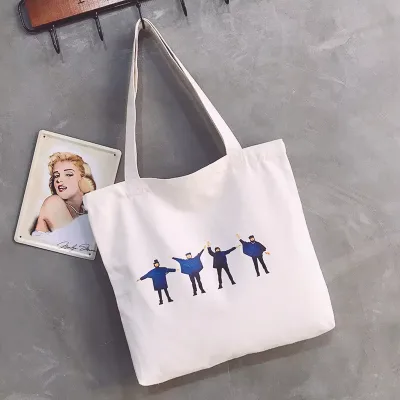
Supermarket Grocery Shopping Cotton Canvas Bags for Heat Transfer Printing
$0.78 - $1.23
MOQ: 500 pieces


Waterproof Shopping Foldable Portable Environmentally Friendly Advertising Gift Bag
$0.60 - $0.66
MOQ: 1000 Pieces


Comprehensive Sourcing Guide
Sourcing Strategy for Waterproof Heat Transfer Shopping Bags
Procuring waterproof heat transfer shopping bags requires a disciplined approach that balances material science, printing technology, and supply chain reliability. The core keyword combination suggests a product that must resist moisture while utilizing a specific decorative application method. In the B2B market, this category encompasses a wide spectrum of items, from simple retail carry bags to heavy-duty promotional gear. Buyers must navigate a landscape where "waterproof" and "heat transfer" are not universal guarantees but specific attributes that vary by manufacturer and product model. The following guide outlines the critical technical, compliance, and operational factors necessary for a successful procurement cycle.
Technical Specifications and Material Composition
The foundation of a Waterproof Heat Transfer Shopping Bag lies in its material composition and structural integrity. Based on available market data, materials for this category often include cotton, nylon, polyester, or specific plastic types such as LDPE. The distinction between these materials dictates the bag's performance profile. For instance, bags utilizing LDPE or specific polyester blends are more likely to achieve the waterproof attribute, whereas cotton-based variants typically require a specialized coating or lamination process to become water-resistant.
The "waterproof" claim must be verified against the specific product model. While some listings indicate a waterproof status, others specify "non-waterproof" or "water-resistant." Buyers should not assume uniformity across a supplier's catalog. The weight limit is another critical specification; observed ranges vary significantly, with some models supporting 5-10 kg and others rated for over 10 kg. This variance is directly tied to the fabric density and the reinforcement of the handles.
The printing method is central to the "heat transfer" requirement. The process involves transferring a design onto the substrate using heat and pressure. This is distinct from screen printing or direct digital printing, although some suppliers offer a hybrid approach including screen printing and lamination. The heat transfer process ensures that the logo or graphic adheres firmly to the surface, which is essential for durability during repeated use. However, the hardness of the material plays a role here; products are often described as "soft" or "medium soft," which affects how the heat is distributed during the transfer. A bag that is too rigid may not accept the heat transfer evenly, while one that is too soft may lack the structural integrity to hold the printed design without distortion.
Design Customization and Production Standards
Customization is a primary driver in the shopping bag market. The "Customization" attribute is widely available, allowing buyers to tailor the product to specific brand needs. This includes the ability to customize the logo, which is often a standard offering. The production standards for these bags can vary from fixed dimensions, such as 38x42 cm, to fully customizable sizes based on the buyer's request.
The style of the bag is another variable. Options range from simple, minimalist designs to more complex structures. The closure type is typically "open," meaning the bag does not have a zipper or snap closure, relying instead on the handles for carrying. The bottom and sides of the bag are critical for load-bearing capacity. Some models include a bottom and sides, providing a three-dimensional structure capable of holding heavier items, while others may be flat or have minimal side gussets.
Color options are extensive, with some suppliers offering up to 108 different colors. This allows for precise brand matching. The packaging for these custom orders is also flexible, ranging from polybags to cartons, or fully customized packaging solutions. The origin of these products is predominantly China, with specific manufacturing hubs like Shandong noted. Buyers must verify the specific model number, such as LZ-20180611 or CHB, to ensure they are referencing the correct technical specifications for their order.
Compliance, Certification, and Environmental Considerations
When sourcing waterproof bags, compliance with environmental and safety standards is increasingly important. The "Advantage" of being eco-friendly is a common attribute, particularly for bags made from biodegradable materials or those designed to reduce plastic waste. However, the term "biodegradable" requires careful verification. Not all waterproof bags are biodegradable; the waterproofing layer often involves synthetic polymers that resist degradation.
Buyers should inquire about specific certifications. While BSCI is a known certification in the industry, its presence for a specific product cannot be assumed without direct confirmation from the supplier. The "OEM" (Original Equipment Manufacturer) and "ODM" capabilities are standard, allowing for private labeling. The "OEM" attribute is frequently marked as "Yes" or "Available," indicating that the supplier can produce goods under the buyer's brand name.
It is crucial to distinguish between marketing claims and verified standards. A bag may be labeled as "Eco-Friendly" due to its material composition, but if it is made of LDPE, it may not be biodegradable in the traditional sense. Buyers should request test reports or documentation that substantiates any environmental claims. The standard for the product, whether it is a fixed size like 38x42 cm or a custom dimension, should be clearly defined in the purchase order to avoid discrepancies in the final delivery.
Cost Drivers and Pricing Dynamics
The price of waterproof heat transfer shopping bags is influenced by several factors, including material cost, printing complexity, and order volume. The observed price range in the market is broad, spanning from $0.05 to $4000. This wide range reflects the diversity of products, from single-use promotional bags to high-end, heavy-duty reusable bags.
The Minimum Order Quantity (MOQ) is a significant cost driver. MOQs can range from as low as 3 units to as high as 5000 units. For small businesses or those testing a new product line, a lower MOQ is essential. However, larger orders typically benefit from economies of scale, reducing the unit cost. The capacity of the supplier, noted as 100,000 units per month in some contexts, indicates their ability to handle large volume orders without significant delays.
Additional costs may arise from customization. Custom logos, specific colors, and unique packaging solutions can increase the unit price. The thickness of the material is another variable; customizable thickness allows buyers to balance cost against durability. Thicker materials generally cost more but offer better load-bearing capacity and a more premium feel. Buyers should request detailed quotes that break down these costs to understand the total cost of ownership.
Supplier Evaluation and Quality Control
Selecting the right supplier is paramount to ensuring product quality and reliability. Suppliers should be evaluated based on their production capabilities, quality control processes, and responsiveness. The "Hardness" and "Weight Limit" attributes are key indicators of quality. A supplier that consistently produces bags with a "medium soft" feel and a verified weight limit of over 10 kg demonstrates a high level of manufacturing precision.
Quality control should be a continuous process. Buyers should verify that the supplier conducts regular inspections of the printing process, ensuring that the heat transfer is applied correctly and does not peel or fade. The "Printing Process" should be consistent, utilizing heat transfer, screen printing, or lamination as specified. Any deviation from the agreed-upon process can lead to substandard products.
The "Transparency" of the bag is another quality metric. Some products are transparent, which may be a requirement for certain applications. Buyers should ensure that the transparency level meets their specifications. The "Waterproof" attribute must be rigorously tested. A bag that claims to be waterproof should be subjected to water resistance tests to confirm its performance.
Typical Applications and Usage Scenarios
Waterproof heat transfer shopping bags are versatile and suitable for a wide range of applications. The primary usage includes shopping, promotion, and packing. These bags are ideal for retail environments where a durable, branded bag is needed to carry goods. The "Shopping" and "Promotion" attributes highlight their role in marketing and brand visibility.
The "Household" usage is also a significant application area. These bags can be used for storage, organizing items, or as reusable grocery bags. The "Unisex" gender classification indicates that the design is suitable for all demographics. The "Style" of simplicity makes them adaptable to various settings, from high-end boutiques to casual markets.
The "Logo Printing" feature is crucial for promotional use. A clear, high-quality logo transfer enhances brand recognition. The "Customized" logo option allows businesses to create unique designs that stand out. The "Advantage" of being eco-friendly can also be leveraged in marketing campaigns, appealing to environmentally conscious consumers.
Long-Term Procurement Considerations
Sourcing waterproof heat transfer shopping bags is not just about a single transaction; it involves building a long-term relationship with a reliable supplier. Buyers should consider the lead time, which can vary based on the order volume and customization requirements. The "prod_packing" method, whether carton or polybag, affects the logistics and storage of the products.
The "prod_standard" and "prod_model" should be consistent across orders to ensure product continuity. If a buyer changes the model number, they must verify that the new model meets the same specifications. The "OEM" capability should be maintained to ensure that the brand identity remains consistent.
Buyers should also monitor the market for changes in material costs and regulations. The "Biodegradable" attribute may become more regulated in the future, requiring suppliers to adapt their production processes. Maintaining open communication with the supplier regarding these changes will help mitigate risks and ensure a steady supply of high-quality products.
In conclusion, sourcing waterproof heat transfer shopping bags requires a comprehensive understanding of the technical specifications, customization options, and supplier capabilities. By focusing on these key areas, buyers can make informed decisions that align with their business needs and ensure the delivery of high-quality, durable, and branded products.
FAQs
Can I customize the logo on waterproof heat transfer shopping bags?
Yes, logo customization is available for these bags. Suppliers offer options to customize the logo design, and the printing process includes heat transfer to ensure durability on the material surface.
What materials are used for waterproof heat transfer shopping bags?
These bags are typically made from cotton, nylon, polyester, or LDPE plastic. The material choice determines the waterproof capability, with specific blends or coatings required to achieve water resistance.
How much weight can a Waterproof Heat Transfer Shopping Bag hold?
Weight limits vary by model, ranging from 5-10 kg to over 10 kg. The specific capacity depends on the fabric density and structural reinforcement of the bag handles and bottom.
What printing processes are used for heat transfer on these bags?
The primary process is heat transfer, often combined with screen printing or lamination. This method applies designs using heat and pressure to ensure the graphic adheres firmly to the substrate.
Are these shopping bags available in different colors?
Yes, up to 108 colors are available for customization. Buyers can select specific shades to match brand identity, with options ranging from standard white to a wide spectrum of hues.
What is the standard size for these shopping bags?
Standard dimensions include 38x42 cm, though custom sizes are available. Buyers can request specific measurements based on their packaging needs, ensuring the bag fits the intended product load.
Can I order small quantities of waterproof heat transfer shopping bags?
Yes, minimum order quantities range from 3 to 5000 units. This flexibility allows small businesses to test products or order larger batches depending on their specific volume requirements and budget.