Source Waterproof Heat Shrink Butt Connectors for Automotive, Marine, and Industrial Wiring
Find and compare 20 Waterproof Heat Shrink Butt Connectors designed for reliable electrical connections in demanding environments. These components feature IP67 ratings, copper construction, and various terminal types to suit diverse wiring needs.
Key considerations
Products List


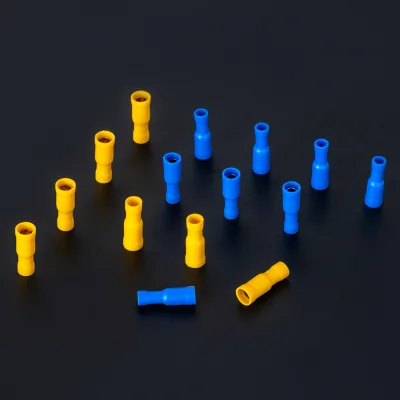
Heat Shrink Butt Connectors Kit /Insulated Waterproof Heat Shrink Butt Connectors
$0.59 - $0.77
MOQ: 50000 Minimum


120PCS Waterproof Heat Shrink Butt Connectors Solder Seal Wire Connectors
$0.02 - $0.05
MOQ: 1000 Pieces


Comprehensive Sourcing Guide
Waterproof Heat Shrink Butt Connectors Sourcing Guide
Waterproof Heat Shrink Butt Connectors are critical components designed to join electrical wires while providing a robust barrier against moisture, dust, and other environmental contaminants. These connectors typically feature a dual-hole or single-hole terminal design that accommodates various wire gauges, ensuring a secure mechanical and electrical bond. The heat shrink tubing surrounding the connection point is engineered to contract upon heating, creating a tight seal that protects the joint from corrosion and short circuits, making them indispensable for automotive, marine, and outdoor industrial applications.
When sourcing these components, buyers must navigate a market where product attributes vary significantly between manufacturers. The observed listings indicate a range of interface types, including AC/DC and DC/DC configurations, alongside specific terminal shapes like round designs. It is essential to distinguish between products intended for signal transmission and those designed for high-current conduction, as the material composition and plating quality directly influence performance under load. Understanding these distinctions prevents the selection of a connector that might fail under specific operational stresses or environmental conditions.
Product Scope and Observed Listing Signals
The product scope for Waterproof Heat Shrink Butt Connectors encompasses a variety of terminal types, including dual-hole and single-hole configurations, as well as socket terminals. Listings frequently highlight specific color options such as red, blue, and yellow, which are often used to denote wire gauge compatibility or polarity in complex wiring harnesses. The observed data suggests that these connectors are available in models with specific part numbers like TM-HS-SB and BHT2, indicating a standardized naming convention that buyers should reference when requesting quotes or verifying inventory.
Buyers should pay close attention to the listed interface types and application claims, as some products are marketed for general electricity conduction while others specify signal transmission. The presence of customization options in the supply chain allows for tailored solutions, such as specific packing quantities or unique terminal geometries. However, the variation in observed specifications, such as different wire ranges from 0.5mm² to 6mm², requires careful verification to ensure the selected connector matches the exact conductor size of the project. Ignoring these nuances can lead to poor crimping results or insufficient insulation coverage.
Technical Specifications to Verify
Technical verification begins with the dielectric strength and voltage resistance ratings, which are critical for preventing electrical breakdown in high-voltage environments. Observed data points to dielectric strengths ranging from 2kV to over 15.8kV/mm, and voltage resistance values exceeding 2.5mV in specific contexts. Buyers must confirm that the selected connector's insulation properties align with the system's maximum operating voltage, which can reach up to 600V in some industrial applications. Relying on generic specifications without validating the specific test conditions can result in safety hazards during operation.
The thermal and mechanical properties of the heat shrink tubing and the terminal material are equally vital for long-term reliability. The shrink temperature is often cited around 150°C, and the working temperature range for these connectors can extend from -55°C to 125°C. Additionally, the tensile strength after aging is a key metric, with some products claiming to exceed the strength of the conductor itself. Buyers should verify that the plating material, such as tin, and the base material, typically copper, are suitable for the intended environment to prevent oxidation or mechanical failure over time.
Compliance and Safety Documentation
Compliance with international environmental and safety standards is a non-negotiable aspect of sourcing electrical components. The supplied facts confirm that many products adhere to RoHS and REACH standards, which restrict the use of hazardous substances. Furthermore, specific certifications like UL are mentioned for certain models, indicating that the product has undergone rigorous testing for electrical safety. Buyers must request current certification documents to ensure that the specific batch being purchased maintains these compliance statuses, as regulatory requirements can change and older stock may not meet current mandates.
In addition to material safety, the IP rating provides a standardized measure of the connector's ingress protection against solid objects and water. An IP67 rating, observed in the product data, signifies that the connector is dust-tight and can withstand immersion in water up to one meter for a limited time. This level of protection is essential for applications exposed to harsh weather or submerged environments. Procurement teams should verify that the IP rating is not just a marketing claim but is backed by independent test reports, ensuring the seal integrity holds under the specific pressure and duration conditions of the application.
Cost Drivers and Commercial Terms
The cost of Waterproof Heat Shrink Butt Connectors is influenced by several factors, including the complexity of the production process and the quality of raw materials. The observed data indicates that production methods range from injection molding to cold pressing and welding, each carrying different cost implications. Injection molding may offer higher consistency for plastic components, while cold pressing and welding are often used for the metal terminals. Buyers should understand that higher-grade materials, such as tin-plated copper with superior tensile strength, will command a higher price point compared to standard alternatives.
Commercial terms, particularly Minimum Order Quantity (MOQ) and packaging, play a significant role in the total cost of ownership. The observed MOQ range spans from 100 to 50,000 units, reflecting the flexibility of suppliers to accommodate both small prototype runs and large-scale production needs. Packaging options vary from standard 100 pieces per pack to customized solutions, which can impact logistics and storage costs. Buyers should negotiate based on their volume requirements, as larger orders often allow for more favorable pricing tiers and reduced per-unit shipping costs.
Supplier Qualification and Quality Control
Supplier qualification requires a thorough assessment of their manufacturing capabilities and quality control systems. The observed data lists origins in China, specifically in regions like Wenzhou and Jiangsu, which are known hubs for electrical component manufacturing. Buyers should verify the supplier's production history, specifically their experience with the required processes like cold pressing or welding, to ensure they can maintain consistent quality. A supplier's ability to provide detailed production process documentation is a strong indicator of their commitment to quality and traceability.
Quality control measures must extend beyond the final product inspection to include raw material verification and in-process testing. The presence of specific model numbers and brand names like HEXON suggests that established manufacturers are active in this space, but buyers should not rely solely on brand reputation. Instead, they should request samples for independent testing, focusing on critical attributes like the solder melting temperature and the integrity of the heat shrink seal. Establishing a clear quality agreement that defines acceptable tolerances for dimensions and electrical performance is essential for maintaining supply chain reliability.
Long-Term Procurement Checks
Long-term procurement success depends on establishing a robust framework for ongoing performance monitoring and supplier relationship management. Buyers should implement a schedule for periodic re-verification of product specifications, ensuring that the connectors continue to meet the required dielectric strength, IP rating, and temperature resistance over time. Changes in raw material suppliers or production processes by the vendor can subtly alter product performance, making regular audits and sample testing a critical part of the procurement strategy.
Finally, maintaining a clear record of compliance documentation and performance data is vital for future troubleshooting and regulatory audits. As the product lifecycle extends, buyers must ensure that the connectors remain compatible with evolving industry standards and safety regulations. This includes keeping track of the specific certifications like UL, RoHS, and REACH for each batch purchased. By proactively managing these checks, organizations can mitigate the risk of supply chain disruptions and ensure the continued safety and reliability of their electrical systems.
FAQs
What certifications do these connectors meet?
These connectors comply with RoHS and REACH standards for environmental safety. Some models also hold UL certification for electrical safety. This ensures they meet international regulatory requirements for industrial and consumer applications. Buyers should verify specific model certifications before procurement to ensure compliance with local regulations.
Can these connectors withstand high temperatures?
Yes, the connectors operate effectively within a working temperature range of -55 to 125 degrees Celsius. The shrink temperature is specified as T150 for proper sealing. This wide range ensures reliable performance in extreme environmental conditions, making them suitable for automotive and industrial electrical connections.
What is the maximum voltage rating?
The maximum voltage rating for these terminals is 600V. They also feature a dielectric strength of 2kV, ensuring safe insulation under high voltage. This makes them suitable for various AC/DC applications. Buyers should ensure the selected model matches their specific voltage requirements for optimal safety and performance.
Are these connectors customizable for bulk orders?
Yes, customization is available for bulk orders. Packaging can be adjusted, such as 100 PCS per pack or customized quantities. The production process supports injection molding and cold pressing to meet specific needs. Buyers can contact suppliers to discuss tailored specifications for their unique project requirements.
What materials are used in construction?
The terminals are constructed from copper, often tin-plated for corrosion resistance. The insulation is moistureproof and designed for electrical signal transmission. This combination ensures durable conductivity and reliable insulation. The materials are selected to withstand mechanical stress and environmental factors, ensuring long-term performance in various applications.
What is the typical MOQ for these products?
The minimum order quantity typically ranges from 100 to 50,000 units. This flexibility allows buyers to order small samples or large bulk quantities. The exact MOQ may vary by supplier and specific model. Buyers should confirm the MOQ with the supplier to align with their inventory and budget constraints.