Source Waterproof Insulated Neoprene Cup Holder for travel picnic and beach
Explore 30 listings of Waterproof Insulated Neoprene Cup Holder options designed for travel, picnics, and beach outings. Buyers can compare sizes, colors, and features like leak-proof and thermal insulation to find the right supplier.
Key considerations
Products List
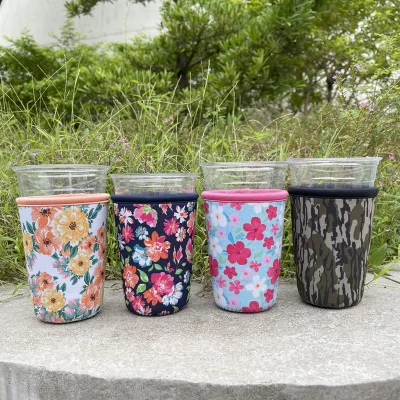
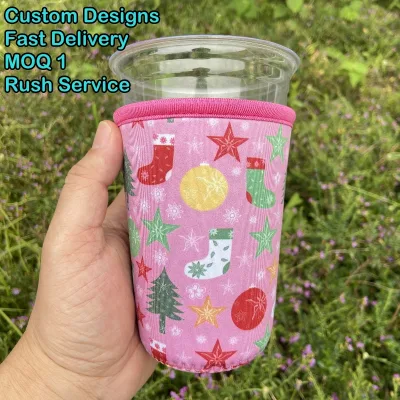
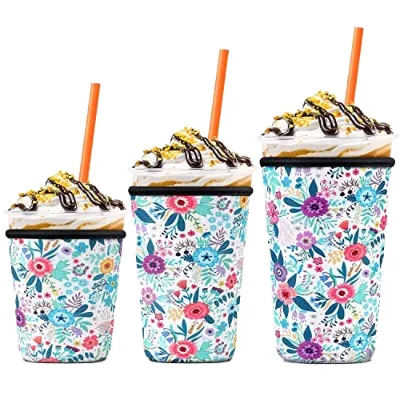
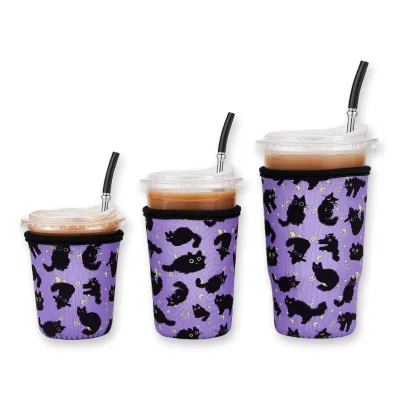
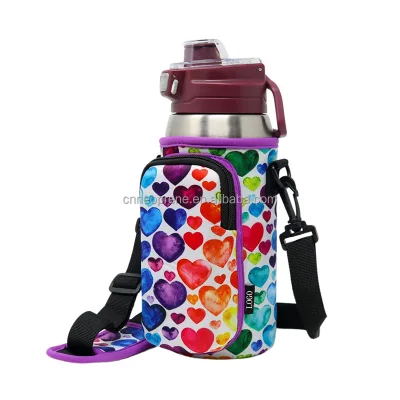
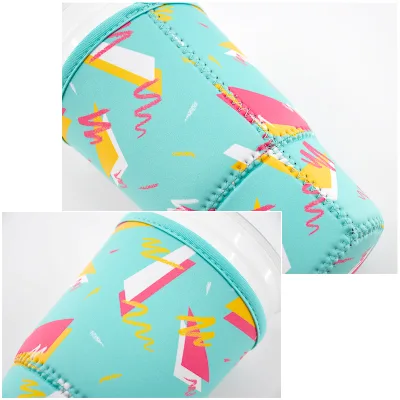
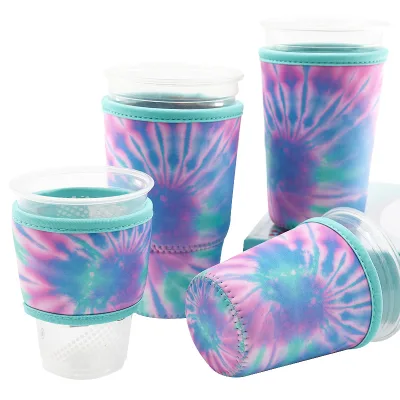
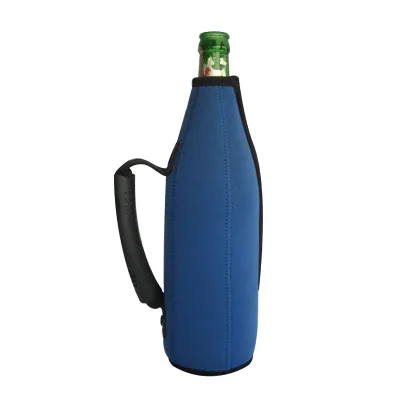
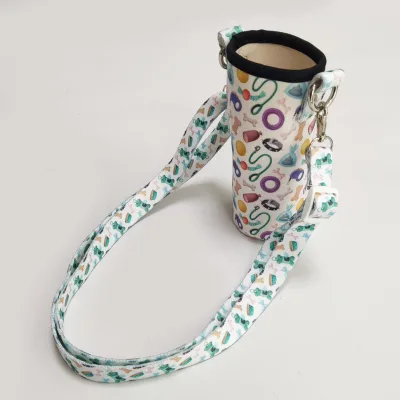
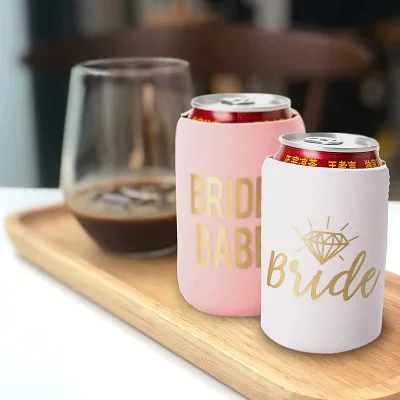


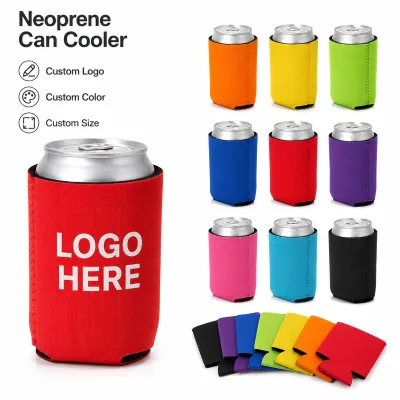


Comprehensive Sourcing Guide
Strategic Sourcing Guide for Waterproof Insulated Neoprene Cup Holders
Understanding Product Specifications and Material Composition
When sourcing waterproof insulated neoprene cup holders, the primary objective is to identify products that balance thermal retention with physical durability. The core material for this category is neoprene, a synthetic rubber known for its flexibility and resistance to water, oil, and extreme temperatures. Based on available market data, the product attributes consistently highlight features such as being waterproof, insulated, thermal, and durable. These characteristics are essential for maintaining the temperature of beverages, whether keeping drinks cold for iced coffee or warm for hot beverages.
The physical specifications of these cup holders vary significantly to accommodate different container sizes. The observed capacity range typically spans from 16oz (approximately 473ml) to 32oz (approximately 946ml). Specific size configurations often include 16oz, 18oz, 22oz, 24oz, 30oz, and 32oz variants. It is critical for buyers to note that size specifications in some listings may reference weight equivalents (e.g., 16oz listed as 453.59g), which can cause confusion if not cross-referenced with actual volume measurements. The single package dimensions also vary, with observed ranges from compact 14x13x2.7 cm units to larger bulk packages measuring up to 40x30x20 cm.
The closure type for these items is predominantly open, allowing for easy insertion and removal of cups without the need for complex zippers or lids. However, the structural integrity is maintained through the elasticity of the neoprene material. Additional features observed in high-performance listings include leak-proof capabilities, heat preservation, and the ability to keep food cool. The weight of individual units is generally light, with specific observations noting weights around 25g to 30g for standard single units, though bulk packaging weights can be significantly higher, reaching up to 6.000 kg for larger sets.
Design Variations and Functional Applications
The design landscape for neoprene cup holders is diverse, catering to both functional utility and aesthetic appeal. Pattern types frequently observed include geometric designs, which offer a modern and clean look suitable for corporate promotional items. Other design styles range from bohemian and fashion-forward to classic, luxury, and novelty options. Specific decorative elements, such as cow designs or floral patterns, are available for targeted marketing campaigns. The color palette is equally varied, with common offerings including black, white, and custom color options to match brand identities.
The application scope for these products is extensive, making them versatile tools for various industries. Primary use cases include outdoor activities, travel, camping, hiking, and beach outings. The "cool" and "iced" attributes make them particularly suitable for summer events and sports activities where temperature control is vital. In a commercial context, these cup holders serve as effective promotional gifts, corporate souvenirs, and packaging for food and beverage businesses. They are designed to hold cans, bottles, wine, and various food containers, functioning as a portable storage solution.
The versatility extends to the style of the product as well. Buyers can source items described as portable, foldable, and handled, which enhances their utility for on-the-go consumption. Some listings highlight "magnetic" features or "magnetic materials," suggesting advanced closure mechanisms, while others focus on simple, modern aesthetics. The "soft" and "lightweight" nature of the neoprene ensures that the product does not add significant burden to the user, while the "large capacity" ensures it can accommodate standard and oversized drink containers. Whether for a lunch picnic, a promotional event, or a personal hiking trip, the product's adaptability is a key selling point.
Cost Drivers and Pricing Dynamics
The pricing structure for waterproof insulated neoprene cup holders is influenced by several key variables, including material quality, customization level, and order volume. The observed price range in the market spans from $0.10 to $3.80 USD per unit. This wide variance reflects the difference between basic, unbranded units and premium, custom-designed products. The base cost is driven by the price of neoprene material and the manufacturing complexity involved in cutting, sewing, and finishing the product.
Order volume plays a pivotal role in determining the final unit price. The Minimum Order Quantity (MOQ) observed in the market ranges from as low as 1 piece for sampling purposes to as high as 2000 pieces for bulk industrial orders. A typical MOQ for custom branding is often around 200 pieces. Buyers should anticipate that unit costs will decrease as order quantities increase, a standard economic principle in manufacturing. However, the cost per unit may also fluctuate based on the specific size and features selected. For instance, larger capacity holders (30oz-32oz) may command a slightly higher price point than smaller variants (16oz-18oz) due to increased material usage.
Additional cost factors include packaging and branding. While standard packaging often involves simple PP bags, custom packaging solutions will incur higher costs. The inclusion of specific features such as magnetic closures, intricate patterns, or custom logos adds to the production complexity and time. Furthermore, the origin of the product, specifically from manufacturing hubs like Guangdong, China, influences logistics costs and lead times. Buyers must factor in these variables when budgeting for a procurement project, ensuring that the selected price point aligns with the desired quality and quantity.
Compliance, Certification, and Quality Verification
Ensuring compliance and quality is a critical step in the procurement process, particularly for products intended for food contact or promotional use. While specific certification data for every listing may not be explicitly detailed in standard product descriptions, buyers should be aware of relevant industry standards. Background knowledge suggests that certifications such as ISO9001 for quality management, BSCI for social compliance, CE for safety, and FSC for sustainable sourcing are often relevant to this sector. However, buyers must verify the actual certification status of the specific supplier rather than assuming compliance based on general industry trends.
Quality verification should focus on the physical attributes of the neoprene and the construction of the cup holder. Key checks include the integrity of the stitching, the water resistance of the material, and the effectiveness of the insulation. The "waterproof" and "leak-proof" claims should be validated through sample testing to ensure that moisture does not penetrate the material or seep through seams. Additionally, the durability of the product under repeated use and washing should be assessed. The "eco-friendly" and "recyclable" attributes are increasingly important; buyers should request documentation or material safety data sheets (MSDS) to confirm the environmental claims.
When evaluating suppliers, it is essential to review their production capabilities and quality control processes. Suppliers should demonstrate a consistent ability to meet size and weight specifications. For example, verifying that a 16oz cup holder actually accommodates a 16oz container without being too tight or too loose is a basic but necessary check. The single gross weight and package dimensions should also be consistent with the product description to avoid logistical surprises. Buyers should request third-party test reports if available, particularly for products intended for food service or commercial distribution.
Supplier Evaluation and Selection Criteria
Selecting the right supplier requires a comprehensive evaluation of their capabilities, reliability, and responsiveness. The market data indicates that suppliers are located primarily in regions like Guangdong, China, which is a major hub for textile and neoprene manufacturing. When evaluating potential partners, buyers should look for suppliers who offer a wide range of sizes, from 16oz to 32oz, and who can accommodate custom branding requests. The ability to provide samples is a crucial indicator of a supplier's confidence in their product quality. Sample times observed in the market typically range from 5 to 7 days, which is a standard benchmark for evaluating lead times.
Suppliers should be assessed on their flexibility regarding customization. The ability to offer custom colors, patterns, and branding is a significant advantage for buyers looking to create unique promotional items. The "brand name" field in product listings often shows options for "Custom your own brand," indicating that many suppliers are open to OEM (Original Equipment Manufacturer) and ODM (Original Design Manufacturer) arrangements. Buyers should inquire about the supplier's experience with similar projects and their track record for meeting deadlines.
Communication and transparency are also vital. A reliable supplier will provide clear information about their production process, material sourcing, and quality control measures. They should be willing to answer questions about the specific features of the neoprene used, such as its thickness and density, which directly impact insulation performance. Additionally, buyers should verify the supplier's capacity to handle large orders, as the observed MOQ can go up to 2000 pieces. A supplier with a robust supply chain can better manage fluctuations in demand and ensure timely delivery.
Long-Term Procurement and Strategic Considerations
For buyers planning long-term procurement of waterproof insulated neoprene cup holders, strategic planning is essential to maintain cost efficiency and product consistency. The market trends suggest a growing demand for eco-friendly and reusable products, making these cup holders a sustainable choice for businesses aiming to reduce their environmental footprint. Buyers should consider the lifecycle of the product, including its durability and the ease of cleaning, which are critical for customer satisfaction and repeat usage.
Establishing a long-term relationship with a reliable supplier can lead to better pricing, priority production scheduling, and access to new product innovations. Buyers should aim to standardize their product specifications to streamline the ordering process and reduce the complexity of inventory management. For example, focusing on a core range of sizes (e.g., 16oz, 22oz, and 32oz) can simplify the supply chain while still meeting diverse customer needs.
Furthermore, buyers should stay informed about changes in material costs and supply chain dynamics. The price of neoprene and other raw materials can fluctuate, impacting the final cost of the product. Regular communication with suppliers can help buyers anticipate these changes and adjust their procurement strategies accordingly. Finally, buyers should continuously evaluate the market for new features and designs, such as the "magnetic" closures or "bohemian" styles observed in recent listings, to keep their product offerings competitive and appealing to end consumers. By adopting a proactive and informed approach, buyers can secure a steady supply of high-quality neoprene cup holders that meet their specific business requirements.
FAQs
What material is used for waterproof insulated neoprene cup holders?
The primary material used is neoprene, a synthetic rubber known for flexibility and resistance to water and oil. This material provides thermal insulation to keep drinks cold or warm while remaining durable for outdoor activities and travel.
Which capacities are available for these cup holders?
Available capacities range from 16oz to 32oz, including specific sizes like 16oz, 18oz, 22oz, 24oz, 30oz, and 32oz. These variants accommodate different container types such as cans, bottles, and wine glasses for various usage scenarios.
Can buyers customize the brand name on these products?
Yes, buyers can customize the brand name to their own specifications for promotional or corporate use. Many suppliers offer OEM services allowing for unique branding on the neoprene sleeves to match specific marketing campaigns or gift requirements.
How does the closure type affect the product functionality?
The closure type is predominantly open, allowing for easy insertion and removal of cups without complex zippers. The structural integrity is maintained through the elasticity of the neoprene material, ensuring a secure fit for various container sizes.
What is the typical minimum order quantity for these items?
The minimum order quantity ranges from 1 piece for sampling purposes up to 2000 pieces for bulk industrial orders. A typical MOQ for custom branding is often around 200 pieces, depending on the specific supplier and customization requirements.
Where are these products typically manufactured?
These products are typically manufactured in Guangdong, China, a major hub for textile and neoprene production. This location influences logistics costs and lead times, making it a key factor for buyers considering international sourcing strategies.