Source Waterproof Large Cross Body Purse for travel, shopping, and daily use
Explore 30 listings for a Waterproof Large Cross Body Purse with varying materials like PU and calf leather. Buyers can compare features such as closure types, sizes, and origins from suppliers in China.
Key considerations
Products List


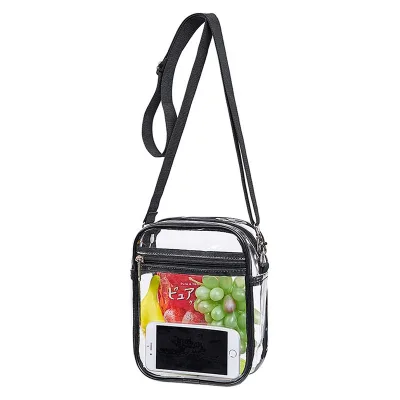


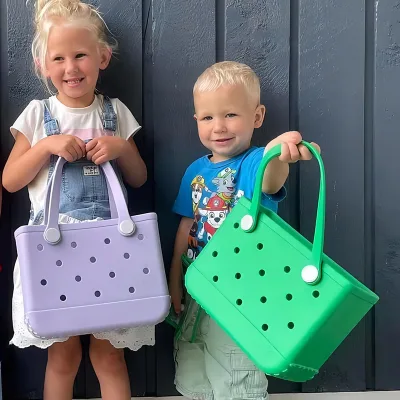


Fashionable Underarm Bag - Compact Shoulder Purses with Zipper Closure
$13.49 - $14.68
MOQ: 100 Pieces

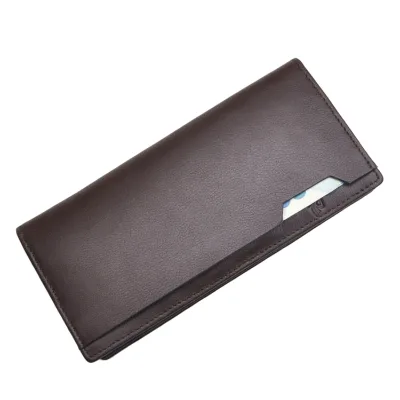
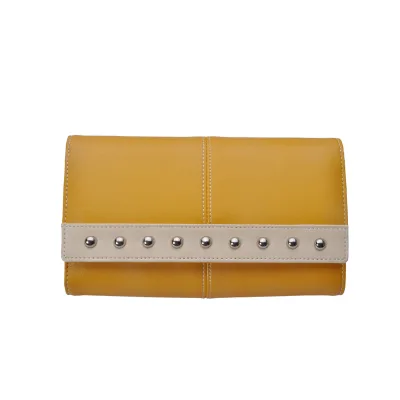


Comprehensive Sourcing Guide
Strategic Sourcing Guide for Waterproof Large Cross Body Purses
Understanding Product Attributes and Material Composition
When sourcing a Waterproof Large Cross Body Purse, the primary challenge lies in reconciling the functional requirement of water resistance with the aesthetic and structural demands of a large-format accessory. The market presents a diverse array of materials, ranging from traditional leathers to modern synthetic polymers. In the context of current supply data, buyers must distinguish between products labeled as "Non-Waterproof" and those explicitly featuring "Waterproof" attributes. This distinction is critical because the term "waterproof" in a B2B context often implies a specific coating or laminate rather than inherent material properties.
The material composition significantly dictates the final product's performance and cost. Observed supply chains frequently utilize Polyurethane (PU) as a primary material for fashion-forward cross-body bags, offering a balance of flexibility and durability. However, for specific waterproof requirements, Polyvinyl Chloride (PVC) emerges as a dominant alternative. PVC-based products often feature a lining of PVC or Polyester, which enhances the barrier against moisture. Conversely, some listings indicate the use of Calf Leather or Genuine Leather for the main body, paired with Polyester linings. While leather offers a premium aesthetic, its natural porosity necessitates rigorous chemical treatment to achieve waterproof status. Buyers must verify if the "Waterproof" claim applies to the entire assembly or merely the lining.
Furthermore, the internal structure plays a vital role in the utility of a large cross-body purse. The "Inside Material" can vary from Polyester to Genuine Leather, influencing the bag's ability to protect contents from humidity and spills. A product with a PVC lining and a waterproof outer shell provides the highest level of protection, suitable for outdoor or travel scenarios. In contrast, a bag with a PU exterior and a standard polyester lining may only offer water resistance against light splashes, failing the strict definition of "waterproof" required for heavy rain or submersion. The "Hardness" attribute, often categorized as "Medium Soft," suggests a balance between structural rigidity and portability, which is essential for a large bag that must be carried comfortably over the shoulder.
Technical Specifications and Dimensional Standards
The physical dimensions of a large cross-body purse are paramount for both functionality and logistics. A "large" designation implies a capacity that exceeds standard daily-use pouches, often requiring specific volume measurements. Supply data indicates various standard sizes, such as 26138 CM, 33723cm, and larger configurations like 22.517.57cm or 25X18X10 cm. These variations highlight the need for precise specification matching. A buyer seeking a "large" bag must ensure the dimensions align with the intended use case, whether for carrying documents, tablets, or personal essentials.
The "Single Package Size" is a critical metric for logistics planning. Observed package dimensions range from 25X15X7.5cm to 25X18X10 cm. These figures directly impact shipping costs, as freight charges are often calculated based on volumetric weight. A larger cross-body purse, while offering more capacity, may incur higher shipping fees if the packaging is not optimized. Additionally, the "Single Gross Weight" varies significantly, with observations ranging from 0.150 kg to 0.500 kg. This variance is driven by the density of the materials used; a PVC bag may be lighter than a leather equivalent of similar size, or conversely, heavier if reinforced with additional waterproof layers.
The "Design" and "Style" attributes also influence the technical feasibility of the waterproof claim. A "Vertical Square" design or a "Big Handbag" style may present different challenges for sealing compared to a slimmer profile. The "Closure Type" is another technical specification that determines the effectiveness of the waterproof barrier. Options such as "Buckle" or "Zipper" are common, but the quality of the zipper and the presence of storm flaps are often the deciding factors in water resistance. A simple buckle closure may not provide a sufficient seal for a waterproof bag, whereas a high-quality, sealed zipper is essential for maintaining the integrity of the interior environment.
Compliance, Certification, and Safety Verification
In the realm of B2B procurement, compliance and certification are non-negotiable, particularly for products intended for international trade. While specific certification names are not universally mandated for all bags, buyers must verify adherence to regional safety standards regarding chemical content and material safety. For products made from PVC or PU, the presence of phthalates and other harmful plasticizers is a primary concern. Regulatory bodies in the European Union and North America have strict limits on these substances, and suppliers must provide test reports confirming compliance with REACH or similar regulations.
The "Waterproof" attribute, while a functional claim, often requires third-party validation to be credible in a B2B transaction. Buyers should request hydrostatic head test results or spray test certifications to substantiate the claim. Without such documentation, the "Waterproof" label may be a marketing exaggeration rather than a verified performance metric. Additionally, the "Origin" of the product, often listed as China or specific provinces like Hebei and Guangdong, can influence the regulatory landscape. Different regions have varying levels of enforcement regarding environmental and safety standards, making supplier audits essential.
Furthermore, the "Standard" designation, such as "33723cm" or "26138CM," serves as a baseline for quality control but does not replace formal industry standards. Buyers should ensure that the manufacturing process adheres to ISO standards for leather and synthetic material processing. For products involving "Genuine Leather" or "Calf Leather," the tanning process must comply with environmental regulations to prevent the release of hazardous chemicals. The "Box" packaging, often described as "Original Box," should also be evaluated for its sustainability and compliance with packaging waste directives in the destination market.
Cost Drivers and Pricing Dynamics
The pricing of waterproof large cross-body purses is influenced by a complex interplay of material costs, manufacturing complexity, and supply chain logistics. The observed price range of USD 0.19 to 59.9 reflects the vast disparity between mass-produced synthetic options and premium leather goods. The "Material" is the most significant cost driver; PVC and PU are generally more affordable than genuine leather or high-grade calf leather. However, the addition of waterproof coatings, specialized linings, and reinforced zippers can increase the cost of synthetic bags significantly.
The "MOQ" (Minimum Order Quantity) is another critical factor affecting the unit price. The observed range of 1 to 1000 units suggests that buyers can source small quantities for testing or large batches for distribution. Higher MOQs typically result in lower per-unit costs due to economies of scale in material purchasing and production line efficiency. However, for buyers requiring customization, such as specific "Fashion Elements" like "Candy Color" or "Mixed Color," the MOQ may need to be adjusted to accommodate the complexity of the dyeing and printing processes.
"Customization" availability is a key variable in cost management. The ability to customize the bag's design, color, and branding adds value but also increases the production cost. Buyers must weigh the benefits of a tailored product against the higher unit price and potential increase in lead time. The "Selling Units" being "Single Item" indicates that the product is often sold individually, which simplifies the pricing structure but may limit bulk discounts compared to multi-unit packaging.
Supplier Evaluation and Operational Capabilities
Evaluating suppliers for waterproof large cross-body purses requires a deep dive into their operational capabilities and quality control systems. The "Place of Origin" provides initial insights into the supplier's specialization; regions like Guangdong and Hebei are known for their manufacturing clusters in the leather and synthetic goods sectors. However, location alone is not a guarantee of quality. Buyers should assess the supplier's "Delivery Time," which can range from standard lead times to expedited options like 7 days. A short lead time may indicate a high level of inventory readiness, as suggested by the "Availability: In stock" attribute, or it may reflect a streamlined production process.
The "Packaging" method is another indicator of supplier professionalism. The use of "Carton" or "PP Bag" for individual items suggests different levels of protection during transit. For waterproof products, the packaging must also protect the bag from moisture damage before it reaches the end consumer. Suppliers who use "Original Box" packaging demonstrate a commitment to presenting the product in a premium manner, which is essential for high-end markets.
Supplier reliability is further assessed through their ability to handle "Customization" requests. A supplier that offers flexible customization options is likely to have a more agile production line and a better understanding of market trends. Buyers should also verify the supplier's capacity to handle "Mixed Color" orders, as this requires precise color matching and inventory management. The "Gender" specification, such as "Female" or "Unisex," indicates the target market, and suppliers should have the expertise to produce designs that appeal to these specific demographics.
Quality Control and Long-Term Procurement Strategy
Implementing a robust quality control (QC) strategy is essential for ensuring the consistency of waterproof large cross-body purses. The QC process should begin at the raw material stage, verifying the quality of the "Main Material" and "Inside Material." For PVC and PU products, testing for flexibility, tensile strength, and water resistance is crucial. For leather products, the focus should be on the grain, finish, and the effectiveness of the waterproof treatment.
During the production phase, buyers should conduct in-line inspections to monitor the assembly process. This includes checking the alignment of seams, the functionality of the "Closure Type," and the integrity of the "Strap Type." The "Hardness" and "Style" attributes must be consistent across all units in a batch to maintain brand integrity. Post-production, a final inspection should be conducted to verify the "Waterproof" claim through random sampling and testing.
Long-term procurement considerations involve building a sustainable relationship with suppliers who can scale production as demand grows. The "Lead Time" and "Delivery Time" should be stable and predictable to ensure timely replenishment of inventory. Buyers should also consider the environmental impact of their sourcing decisions, opting for suppliers who adhere to sustainable manufacturing practices. The "Season" attribute, such as "Summer" or "All seasons," indicates the product's versatility, and buyers should plan their procurement cycles to align with seasonal demand fluctuations.
Application Scenarios and Market Positioning
The application of waterproof large cross-body purses spans various market segments, from fashion retail to outdoor gear. The "Fashion Element" of "Candy Color" and "Simplicity" style appeals to a younger demographic seeking trendy yet functional accessories. These products are ideal for urban environments where weather protection is essential but style cannot be compromised. The "Vertical Square" design and "Big Handbag" capacity make them suitable for daily commuting, travel, and shopping.
For the outdoor market, the "Waterproof" attribute is a primary selling point. Buyers targeting this segment should focus on products with high-performance materials like PVC and reinforced zippers. The "Unisex" gender specification broadens the market potential, allowing these bags to be marketed to a wider audience. The "Capacity" being "Below 20 litre" ensures that the bag remains portable while offering sufficient space for essentials.
In the corporate and professional sector, the "Style" of "Simplicity" and the "Color" options like "Black" or "Grey" make these purses suitable for business use. The ability to carry documents and electronic devices while maintaining a professional appearance is a key advantage. The "Availability" of these products in stock ensures that businesses can quickly replenish their inventory without long lead times.
Final Procurement Considerations and Decision Framework
To conclude the sourcing process, buyers must synthesize all the gathered information into a comprehensive decision framework. The choice of material, dimensions, and features should align with the specific needs of the target market. The "Price" range of USD 0.19 to 59.9 offers flexibility for different budget constraints, but the value proposition must be clearly defined. Buyers should prioritize suppliers who can provide transparent documentation regarding material safety, waterproof performance, and production capabilities.
The "Customization" options allow for differentiation in a crowded market, but they must be managed carefully to avoid cost overruns and quality issues. The "Single Gross Weight" and "Single Package Size" are critical for logistics planning, ensuring that the supply chain remains efficient and cost-effective. By adhering to the technical specifications and compliance requirements outlined in this guide, buyers can confidently source high-quality waterproof large cross-body purses that meet the demands of the modern consumer.
Ultimately, the success of a procurement strategy for waterproof large cross-body purses depends on a balanced approach that considers material quality, functional performance, cost efficiency, and supplier reliability. By leveraging the insights provided in this guide, buyers can navigate the complexities of the market and establish a robust supply chain that delivers value and satisfaction to their customers.
FAQs
Can I find waterproof large cross body purses with PVC lining?
Yes, some listings explicitly feature PVC lining and waterproof attributes for moisture protection. However, other products use polyester linings with non-waterproof claims, so verify the specific material composition before purchasing to ensure the bag meets your water resistance needs.
What are the typical dimensions for a large waterproof cross body purse?
Observed specifications include sizes like 26*13*8 CM and 22.5*17.5*7cm for large variants. Buyers must match these exact dimensions to their storage requirements, as package sizes vary from 25X15X7.5cm to 25X18X10 cm depending on the specific model and design style.
Which materials are commonly used for waterproof large cross body purses?
Common materials include PU, PVC, and Calf Leather, often paired with polyester or genuine leather linings. While PVC and PU offer inherent water resistance, leather products require specific treatments to achieve waterproof status, so check the main material and inside material details carefully.
How can I identify suppliers offering customization for these bags?
Customization is available for many products, allowing for specific colors like mixed or candy color options. Buyers should confirm if the supplier can accommodate custom requests while checking the minimum order quantity, which ranges from 1 to 1000 units depending on the batch size.
What is the expected delivery time for sourcing these purses?
Delivery times can be as short as 7 days for in-stock items, though this varies by supplier. Some products originate from regions like Hebei or Guangdong, so lead times may differ based on the specific factory location and current inventory availability status.
Can I source these bags with specific packaging requirements?
Packaging options include PP bags, cartons, and original boxes depending on the supplier and product type. Buyers should verify the single package size and gross weight, as these factors influence shipping costs and the protection level of the waterproof feature during transit.