Source Waterproof Modern Bean Bag for Home, Office, and Outdoor
Explore 30 listings for a Waterproof Modern Bean Bag suitable for residential lounging, workspace relaxation, and casual outdoor use. Compare features like removable covers, EPP or PP cotton filling, and fabric upholstery to find the right fit for your sourcing needs.
Key considerations
Products List

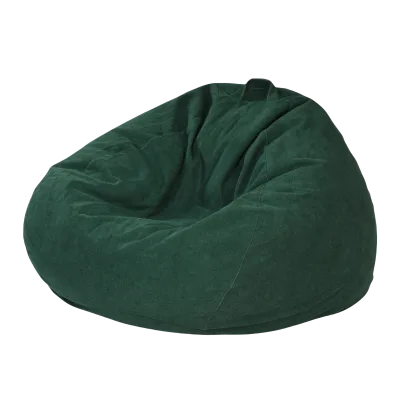
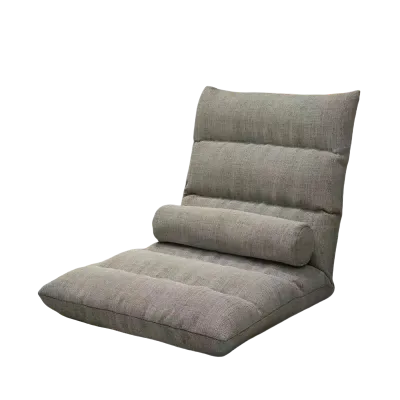


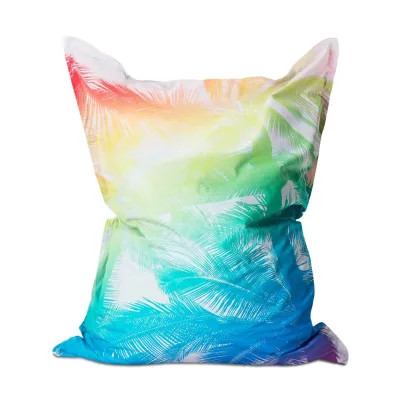


Comprehensive Sourcing Guide
Waterproof Modern Bean Bag Sourcing Guide
Sourcing waterproof modern bean bags requires balancing aesthetic appeal with functional durability, particularly for high-traffic commercial environments or outdoor residential use. The observed market signals indicate a strong preference for contemporary designs that utilize modern styling cues, such as clean lines and minimalist silhouettes, which align with current interior design trends. Buyers must recognize that "waterproof" in this context often refers to water-resistant covers or specific filling materials that repel moisture, rather than fully sealed, submersible units. This distinction is critical for determining the appropriate application, whether it be a patio lounge area, a poolside cabana, or a high-humidity indoor space like a bathroom or gym locker room.
The product landscape includes a variety of configurations, from low-back single-seat designs to more complex modular structures. Observations show that customization is widely available, allowing buyers to tailor colors, logos, and specific fabric types to their brand identity. However, the term "modern" encompasses a broad spectrum of styles, ranging from sleek velvet finishes to breathable linen textures. Procurement teams should prioritize suppliers who offer clear visual samples and detailed material specifications to ensure the final product meets the intended aesthetic and functional requirements. Understanding these nuances helps in filtering out generic listings and identifying suppliers capable of delivering high-quality, specialized bean bags.
Product Scope and Observed Listing Signals
The current market offers a diverse range of bean bag options, with observed listings highlighting features such as removable covers, foldable designs, and specific filling materials like EPS, EPP, or PP cotton. These variations significantly impact the product's longevity, comfort, and maintenance requirements. For instance, EPS and EPP fillings are often chosen for their buoyancy and resistance to moisture absorption, making them suitable for waterproof applications. Meanwhile, PP cotton provides a softer, more traditional feel but may require additional protective measures to maintain its integrity in wet conditions. Buyers should carefully evaluate these material choices against their specific use cases to ensure optimal performance.
Color options are extensive, with many suppliers offering a wide palette including dark gray, moon rock ash, tiger red, and various shades of blue and green. Some listings also feature breathable linen options in multiple colors, catering to different aesthetic preferences. The availability of customization, including logo printing and sample customization, suggests that many manufacturers are equipped to handle bespoke orders. However, buyers must verify the actual waterproof capabilities of the upholstery material, as terms like "waterproof" can be misleading. It is essential to request detailed product data sheets that specify the fabric's water resistance rating and the filling's moisture management properties.
Technical Specifications to Verify
When evaluating technical specifications, buyers must focus on the upholstery material and its treatment. Common materials observed include fabric blends, silicone resin, and polyester, each offering different levels of durability and water resistance. The presence of a removable cover is a significant feature, facilitating easier cleaning and maintenance, which is crucial for waterproof products. Buyers should verify whether the cover is truly waterproof or merely water-resistant, and if it can be easily detached and washed without damaging the filling. Additionally, the type of filling material, such as EPS, EPP, or PP cotton, should be confirmed for its ability to resist moisture and maintain its shape over time.
Size and model numbers are also critical technical details that vary across suppliers. Observed models include specific codes like "beanbag -1" and "BZHM-001," which may correspond to different dimensions or design features. Buyers should request detailed size charts and model specifications to ensure the product fits their intended space. The "XL" size option, for example, may offer more seating capacity but could be more challenging to move or store. Furthermore, the hardness of the bean bag, described as "medium soft" in some listings, should be considered for comfort and support. Verifying these technical details helps in selecting a product that meets both functional and spatial requirements.
Compliance and Safety Documentation
Compliance and safety are paramount when sourcing bean bags, especially those intended for use in public or commercial spaces. Buyers must ensure that the products meet relevant safety standards for flammability, chemical content, and structural integrity. While specific certification statuses are not always listed, it is essential to request documentation from suppliers that confirms compliance with local and international safety regulations. This includes verifying that the filling materials, such as EPS or PP cotton, are free from harmful chemicals and meet environmental standards. Suppliers should be able to provide test reports or certificates of conformity for these materials.
Additionally, the upholstery material should be checked for any hazardous substances, particularly if the bean bag is intended for use by children or in environments with strict hygiene standards. Buyers should inquire about the manufacturing process and any treatments applied to the fabric to enhance water resistance. It is also important to verify that the product does not contain small parts that could pose a choking hazard, especially for younger users. By prioritizing compliance and safety, buyers can mitigate risks and ensure that the bean bags they procure are safe for their intended audience. This due diligence is crucial for maintaining brand reputation and avoiding potential legal issues.
Cost Drivers and Commercial Terms
Cost drivers for waterproof modern bean bags include the quality of materials, the complexity of the design, and the level of customization required. High-quality waterproof fabrics and specialized filling materials like EPP can significantly increase the unit cost. Buyers should also consider the impact of customization, such as logo printing or unique color combinations, which may incur additional fees. The minimum order quantity (MOQ) is another critical factor, with observed ranges varying from 1 set to 200,000 sets. Larger orders may benefit from economies of scale, but buyers must balance this with their inventory management capabilities and cash flow constraints.
Commercial terms, including payment methods, shipping costs, and lead times, also play a significant role in the total cost of ownership. Buyers should negotiate clear terms regarding sample costs, especially if customization is involved. It is advisable to request a detailed quotation that breaks down the costs of materials, labor, and shipping. Additionally, buyers should consider the potential for hidden costs, such as customs duties or import taxes, depending on the supplier's location. By understanding these cost drivers and negotiating favorable commercial terms, buyers can optimize their procurement budget and ensure a smooth purchasing process.
Supplier Qualification and Quality Control
Supplier qualification is a critical step in ensuring the reliability and quality of waterproof modern bean bags. Buyers should assess suppliers based on their manufacturing capabilities, quality control processes, and track record. It is essential to verify that the supplier has experience in producing waterproof products and can provide references or case studies from previous clients. Quality control measures, such as regular inspections and testing of materials, should be clearly defined and agreed upon. Buyers may also consider conducting factory audits or requesting third-party inspection reports to verify the supplier's compliance with quality standards.
Furthermore, buyers should evaluate the supplier's ability to handle customization and meet specific requirements. This includes their responsiveness to inquiries, flexibility in design changes, and ability to meet deadlines. Communication is key, and buyers should establish clear channels for ongoing dialogue throughout the procurement process. It is also advisable to start with a small trial order to assess the supplier's performance before committing to larger volumes. By thoroughly qualifying suppliers and implementing robust quality control measures, buyers can minimize risks and ensure that the bean bags they procure meet their high standards.
Long-Term Procurement Checks
Long-term procurement checks involve monitoring the performance and durability of the bean bags over time. Buyers should establish a system for tracking product feedback from end-users, including any issues related to water resistance, material degradation, or structural integrity. Regular reviews of supplier performance, including on-time delivery and product quality, are essential for maintaining a reliable supply chain. Buyers should also stay informed about industry trends and technological advancements that could impact the product, such as new waterproof fabrics or filling materials. This proactive approach allows for continuous improvement and adaptation to changing market demands.
Additionally, buyers should consider the environmental impact of the bean bags and explore sustainable sourcing options. This includes evaluating the recyclability of materials and the supplier's commitment to eco-friendly manufacturing practices. By integrating sustainability into their procurement strategy, buyers can enhance their brand image and appeal to environmentally conscious consumers. Regularly revisiting and updating procurement policies and supplier agreements ensures that the organization remains competitive and responsive to market changes. Long-term checks are not just about maintaining quality but also about fostering a sustainable and resilient supply chain.
FAQs
What filling materials are used in these bean bags?
The bean bags utilize Eps, Epp, or Pp cotton filling materials depending on the specific model. These materials provide varying levels of support and environmental friendliness. Buyers can select based on desired firmness and sustainability preferences for their specific sourcing needs.
Can I customize the logo on the bean bags?
Yes, logo customization is available for these products. Buyers can request custom branding to align with their corporate identity or retail requirements. This service allows for unique product differentiation in the market while maintaining the standard quality and design features of the bean bags.
What is the minimum order quantity for these items?
The minimum order quantity is typically one set per size and color. This low MOQ allows buyers to test market response or order small batches. It provides flexibility for initial procurement without requiring large upfront inventory commitments, making it suitable for diverse business models.
Are the covers removable for cleaning purposes?
Some models feature removable covers for easy maintenance and cleaning. This design enhances hygiene and extends the product lifespan by allowing regular washing. Buyers should verify specific model details to confirm if the removable cover feature is included in their selected variant.
What upholstery materials are available for these bean bags?
Upholstery materials include fabric options such as velvet cotton and breathable linen. These materials offer various textures and colors like dark gray, moon rock ash, and tiger red. The fabric choices ensure comfort and aesthetic appeal while meeting different interior design requirements for modern spaces.
Where are these bean bags manufactured?
These bean bags are manufactured in China, specifically in Zhejiang and Hebei provinces. This location indicates established manufacturing capabilities and supply chain efficiency. Buyers can leverage this origin for competitive pricing and reliable production capacity when sourcing these modern bean bag products for their inventory.