Source Waterproof Mirror Squares Label Roll for Shipping, Food, and Packaging
Find 30 listings for Waterproof Mirror Squares Label Roll designed for shipping labels, food packaging, and price tags. Compare specifications like GSM, liner type, and adhesive features from verified manufacturers to identify the best fit for your printing needs.
Key considerations
Products List


$300.00 - $1500.00
MOQ: 1 Sets


$0.27 - $0.30
MOQ: 4590 Square Meters


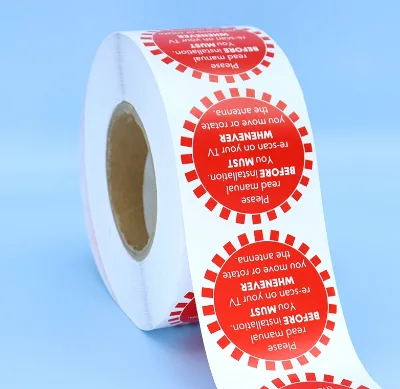
60mm*35mm Square Circle Customized Shape Self Adhesive Label Sheets
$0.36 - $0.66
MOQ: 100 Square Meters


Comprehensive Sourcing Guide
Strategic Sourcing Guide for Waterproof Mirror Square Label Rolls
Navigating the global market for specialized adhesive solutions requires a disciplined approach to distinguishing between generic offerings and high-performance materials. The specific search term "Waterproof Mirror Squares Label Roll" indicates a demand for a product that combines optical reflectivity, geometric precision, and environmental durability. In the context of B2B procurement, this keyword points toward a niche segment of the adhesive industry where material science meets aesthetic requirements. Buyers must recognize that the term "mirror" often refers to a specific metallic or reflective finish, while "waterproof" dictates the necessity of synthetic substrates or specialized coatings that prevent degradation in humid or wet environments. The following analysis synthesizes observed market data to guide procurement decisions, focusing on technical attributes, compliance verification, and supply chain logistics.
Technical Specifications and Material Composition
The foundation of a successful procurement strategy lies in a precise understanding of the physical and chemical properties of the target product. Based on observed market listings, the material composition for waterproof adhesive labels varies significantly, with paper, vinyl, and metal substrates appearing in different contexts. For a "waterproof" requirement, paper-based substrates are generally unsuitable unless they possess a specific synthetic coating or are part of a composite structure designed for moisture resistance. Vinyl emerges as a primary candidate for waterproof applications, offering superior flexibility and resistance to water, oils, and chemicals.
The "mirror" aspect of the label roll implies a specific surface finish. While some listings mention a "Semi-Gloss" face, a true mirror finish requires a highly reflective metallic layer, often achieved through metallization or the use of specific metal foils. The observed data indicates that products can be manufactured with a "Face" description of Semi-Gloss or White, but the specific mirror effect must be verified against the supplier's technical data sheet. The "GSM" (grams per square meter) is a critical metric for durability; observed values include 60 GSM, which suggests a lightweight substrate suitable for applications where weight is a constraint, though heavier weights may be required for industrial durability.
The adhesive system is equally critical. The standard observation for these products is a "Permanent Self Adhesive" type, ensuring that the label remains affixed under stress. The "Format" is consistently observed as "Roll," which facilitates high-speed application on automated labeling equipment. The "Liner" material, often observed as "Glassine," plays a vital role in the release properties of the roll, ensuring smooth feeding through printers and applicators. Buyers must verify that the "Jumbo Width" and specific "Standard" dimensions, such as 1530mm or 70*50mm, align with their existing machinery. The "Processing Type" is noted as "Stamping Processing," which is essential for achieving the precise "Square" geometry mentioned in the keyword. Without this specific cutting method, the geometric integrity of the label may be compromised.
Compliance, Certification, and Quality Standards
In the B2B sector, compliance is not merely a formality but a prerequisite for market access and liability protection. The supply chain for adhesive products is heavily regulated, particularly regarding the materials used in food contact and pharmaceutical packaging. Observed certifications include ISO9001:2000 and ISO9001, alongside SGS verification. These certifications indicate that the supplier has implemented a quality management system, but buyers must distinguish between the certification of the manufacturing facility and the specific product compliance. For instance, the H.S. Code 3919909000 classifies the product under self-adhesive plastic sheets, which is crucial for customs clearance and tariff determination.
When sourcing "mirror" labels, buyers should be aware that the reflective layer may involve metals or polymers that require specific safety certifications. If the labels are intended for food or medicine, as suggested by observed usage categories, the supplier must provide evidence of compliance with relevant food safety standards, even if the primary listing only mentions general ISO certifications. The "Condition" of the product is typically listed as "New," but this does not guarantee the absence of chemical off-gassing or the presence of hazardous substances.
The "Warranty" period of 1 year is a common observation, suggesting a manufacturer's confidence in the product's longevity. However, this warranty often covers manufacturing defects rather than performance failures caused by environmental misuse. Buyers should verify if the "Certification" extends to specific regional standards, such as REACH in Europe or FDA regulations in the United States, which are not explicitly detailed in the general product descriptions but are critical for international trade. The "Roughness" value of Ra0.005 and "Straightness" of 0.005mm observed in some listings refer to high-precision machining standards, likely applicable to the equipment used to produce the rolls or the specific high-end mirror finishes, rather than the label substrate itself.
Cost Drivers and Pricing Dynamics
The pricing of waterproof mirror square label rolls is influenced by a complex interplay of material costs, production complexity, and order volume. The observed price range spans from 0 to 1500 USD, a variance that reflects the difference between small sample orders and bulk industrial shipments. The "MOQ" (Minimum Order Quantity) ranges widely from 1 to 6000 units, indicating that suppliers cater to both prototyping needs and large-scale production runs.
Several factors drive the cost of these specific labels. First, the "Mirror" finish requires additional processing steps, such as metallization or the application of a reflective film, which increases the raw material cost compared to standard matte or glossy finishes. Second, the "Waterproof" attribute necessitates the use of synthetic materials like vinyl or specialized paper coatings, which are more expensive than standard paper. Third, the "Square" shape requires precise "Stamping Processing," a process that may involve higher tooling costs and slower production speeds compared to standard rectangular die-cutting.
The "Printing Type" also impacts cost. While "Digital Printing" is observed and offers flexibility for short runs, "Letterpress Printing" and "Lamination" processes add layers of complexity and expense. The "Surface Finishing" options, including "Embossing" and "UV Varnish," further increase the unit price. Buyers should note that the "Trade Term" is often "Negotiated," meaning that the final price is subject to volume discounts, shipping terms, and payment conditions. The "Delivery Time" of 7-10 days suggests a relatively quick turnaround, but this may vary based on the "Customization" level and the current capacity of the manufacturing facility.
Typical Applications and Usage Scenarios
Understanding the application context is vital for selecting the correct product specifications. The observed usage categories for these labels are diverse, ranging from "Custom Sticker" and "Shipping Labels" to "Food," "Price Tags," and "Medicine." The "Waterproof" feature makes these labels particularly suitable for applications involving moisture, such as beverage bottles, outdoor logistics, or industrial equipment labeling. The "Mirror" finish adds a premium aesthetic, making it ideal for branding, luxury packaging, or promotional materials where visual impact is paramount.
The compatibility with "Paper Printer" and "Label Printer" equipment is a key consideration. The "Jumbo Width" of 1530mm and specific models like "TGF-20250212-7" or "JAM2001" suggest that these rolls are designed to fit standard industrial labeling machines. The "Match Machine" attribute indicates that the product is engineered to work seamlessly with "Printing and Dyeing Equipment," ensuring that the adhesive does not interfere with the printing mechanism.
For food and medicine applications, the "Usage" listing explicitly includes these categories, implying that the material is safe for contact. However, buyers must verify the specific regulatory compliance for their region. The "Free Sample" availability is a significant advantage for testing the "Mirror" finish and "Waterproof" properties in a real-world scenario before committing to a large order. The "Structure" of the product, described as "Flow Channel or Jacketed Form" in some contexts, may refer to the internal construction of the roll or the packaging, ensuring that the labels remain intact during transit.
Supplier Evaluation and Verification Protocols
Evaluating suppliers for specialized adhesive products requires a rigorous due diligence process. The "Made in China" origin is a common observation, but this does not imply a uniform quality standard. Buyers should prioritize suppliers who can provide detailed technical documentation, including material safety data sheets (MSDS) and proof of certification. The "Certification" of ISO9001 and SGS is a good starting point, but buyers should request evidence of the specific product testing, such as adhesion strength, water resistance, and optical reflectivity.
The "Customization" capability is a critical differentiator. Suppliers offering "Customized" products can tailor the "Standard" dimensions, "Color" (including CMYK or Pantone matching), and "Surface Finishing" to meet specific brand requirements. The "Condition" of "New" and the "Warranty" of 1 year are positive indicators, but buyers should clarify the terms of the warranty, specifically what constitutes a defect versus normal wear and tear.
The "Port of Shipment" being "Any Port of China" offers flexibility but requires careful logistics planning. Buyers should assess the supplier's ability to handle "Wooden Case" or "Pallet" packaging, as these affect the shipping cost and handling requirements. The "Lead Time" of 7-10 days is attractive, but buyers must confirm if this applies to custom orders or standard stock items. The "Free Sample" policy is an excellent tool for initial verification, allowing buyers to test the "Mirror" finish and "Waterproof" claims before placing a bulk order.
Quality Control and Long-Term Procurement Considerations
Maintaining consistent quality over time is essential for long-term procurement success. The "Roughness" and "Straightness" specifications observed in the data highlight the importance of precision in the manufacturing process. Buyers should implement a quality control plan that includes incoming inspection of the "Roll" format, checking for defects in the "Mirror" finish, and verifying the "Adhesive" performance under various conditions. The "Thermal Deformation" value of 0.01mm suggests that the product is designed to withstand temperature fluctuations, but this should be validated through specific testing protocols.
For long-term procurement, buyers should consider the "Production Capacity" of the supplier and their ability to scale up orders. The "MOQ" range of 1 to 6000 indicates flexibility, but larger orders may require a longer lead time or a different pricing structure. The "Processing Type" of "Stamping Processing" implies that tooling costs may be involved for custom shapes, which should be factored into the total cost of ownership.
Finally, buyers should monitor the "Trade Term" and "Delivery Time" to ensure that the supply chain remains resilient. The "Negotiated" nature of the trade terms suggests that there is room for discussion on payment schedules and shipping responsibilities. By maintaining a proactive relationship with the supplier and conducting regular quality audits, buyers can ensure a steady supply of high-performance waterproof mirror square label rolls that meet their specific operational and aesthetic requirements.
FAQs
Can I get waterproof mirror square label rolls with custom printing?
Yes, customization is available for digital printing on these rolls. The product supports custom designs while maintaining waterproof features and permanent self-adhesive properties for various applications.
What materials are used for these waterproof adhesive label rolls?
The rolls are primarily made from vinyl or paper substrates with a semi-gloss or white face. Vinyl offers superior water resistance, while paper options may require specific coatings for durability.
Which certifications do the manufacturers hold for these labels?
Manufacturers typically hold ISO9001 and SGS certifications to ensure quality management. These standards verify production processes but do not automatically guarantee specific food or medical compliance without further verification.
How long is the delivery time for custom waterproof label orders?
The standard delivery time ranges from 7 to 10 days for most orders. This timeline may vary depending on the level of customization and the specific supplier capacity at the time of request.
What is the minimum order quantity for these label rolls?
The minimum order quantity ranges from 1 to 6000 units depending on the supplier. Small sample orders are often allowed, while bulk industrial shipments require higher volume commitments.
Can these rolls be used with standard label printers?
Yes, the rolls are designed to match printing and dyeing equipment as well as standard label printers. The format is a roll with a glassine liner to ensure smooth feeding through machinery.