Source Waterproof Outdoor Basketball Court Tiles for Courts
Find 30 listings for Waterproof Outdoor Basketball Court Tiles designed for indoor and outdoor sports courts. Compare models with varying thickness, materials, and shock absorption rates to select the right flooring for your facility.
Key considerations
Products List
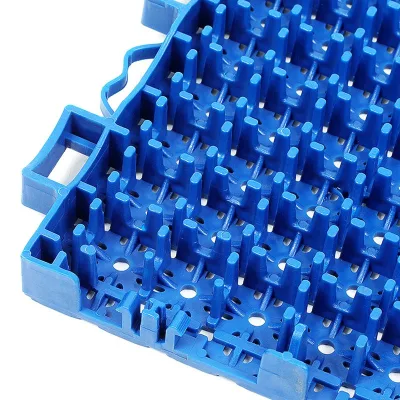
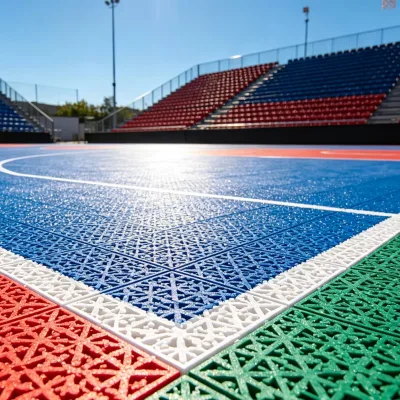


Hot Sale Outdoor Interlocking Sports Court Basketball Court Tiles
$19.90 - $20.00
MOQ: 200 Square Meters

Hot Sale Outdoor Interlocking Sports Court Basketball Court Modular Tiles
$19.90 - $20.00
MOQ: 200 Square Meters


High-Quality Outdoor Tiles for Resilient Basketball Courts and Play Areas
$19.90 - $20.00
MOQ: 200 Square Meters


High Quality Plastic Sports Court Tile Outdoor Indoor Basketball Volleyball Court Tiles
$12.00 - $12.50
MOQ: 200 Square Meters

$12.00 - $12.50
MOQ: 200 Square Meters

Hot Sale High Quality Durable Easy Install 12.7mm Outdoor Sports Flooring Basketball Court Tiles
$9.20 - $9.70
MOQ: 200 Square Meters

Factory Wholesale Outdoor Floor Tile PP Material Anti-Slip Basketball Court Floor Tile
$8.58 - $8.72
MOQ: 200 Square Meters


High Quality Outdoor PP Floor Tile Wear-Resistant Anti-Slip Basketball Court Floor Tile
$8.60 - $8.77
MOQ: 200 Square Meters
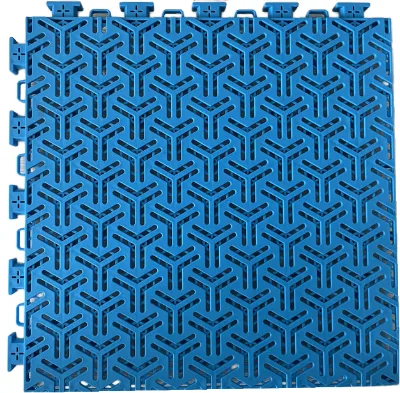
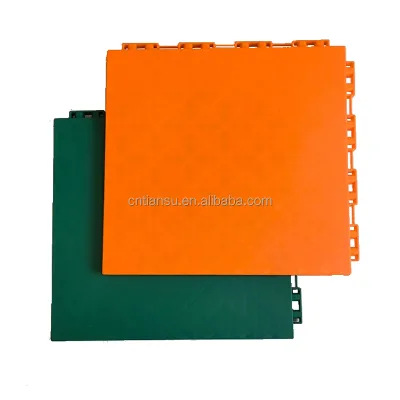
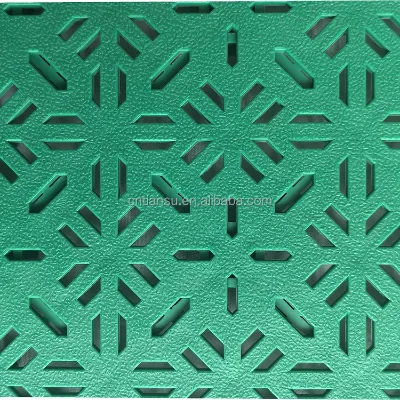
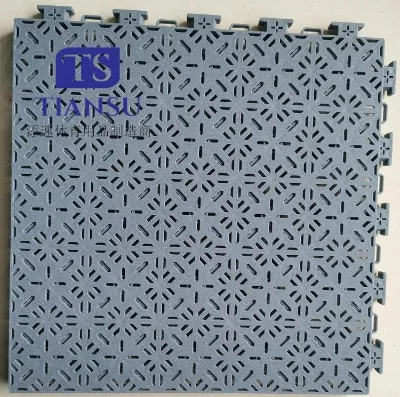
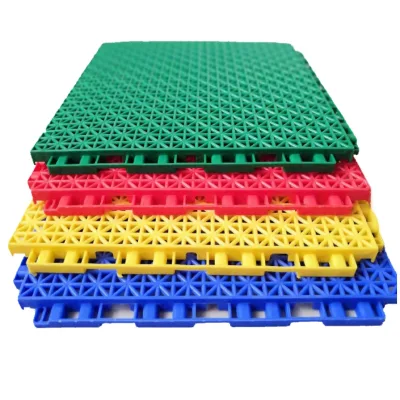


All-Weather Outdoor Basketball Court Tiles with UV Resistance and Quick Drainage
$7.68 - $11.68
MOQ: 100 Square Meters

Anti Slip Interlocking Outdoor PP Sports Floor Tiles for Basketball Pickleball Court
$15.00 - $15.50
MOQ: 100 Square Meters
Comprehensive Sourcing Guide
Strategic Sourcing Guide for Waterproof Outdoor Basketball Court Tiles
Understanding the Product Category and Core Attributes
When sourcing Waterproof Outdoor Basketball Court Tiles, buyers must first distinguish between general rubber flooring and specialized interlocking systems designed for high-impact sports environments. The market presents a diverse array of materials, primarily centered on plastic, rubber, and textile composites. For outdoor applications, the material composition is the primary determinant of longevity and performance. The most prevalent high-performance option observed in the current market is Polypropylene (PP), often marketed as "Elastic Buckle Crossing Grid Pattern" flooring. This material is selected for its inherent resistance to moisture, UV radiation, and chemical degradation, making it ideal for the specific demands of an outdoor basketball court.
Unlike standard rubber flooring, which may degrade under direct sunlight or retain water, PP-based interlocking tiles offer a distinct advantage in drainage and structural integrity. The design typically features a modular construction where individual units lock together to form a continuous surface. This modularity allows for rapid installation and maintenance, as damaged sections can be replaced without dismantling the entire court. The observed product attributes indicate that these tiles are engineered for both indoor and outdoor use, providing versatility for multi-purpose sports facilities. The color options often include custom selections, allowing facility managers to align the court with specific branding or aesthetic requirements, though standard offerings frequently include blue and rose hues.
Technical Specifications and Performance Metrics
The technical specifications of outdoor basketball court tiles are critical for ensuring player safety and game integrity. Buyers should scrutinize the thickness and dimensional stability of the tiles. A common specification for high-quality outdoor tiles is a thickness of 1.75 cm, with a standard footprint of 50cm by 50cm. This dimension facilitates a seamless grid pattern while ensuring the tiles remain stable under the dynamic loads of basketball play. For larger scale installations, such as full courts, the specifications may vary to include thicker profiles, such as 3mm components within a larger structural assembly, depending on the specific product model.
Performance metrics are equally vital. A key indicator of quality is the shock absorption rate, which should exceed 53% to protect athletes from impact-related injuries. This metric ensures that the court surface provides adequate cushioning during jumps and landings. Furthermore, the friction factor is a crucial safety parameter; while specific numerical values can vary by manufacturer, the surface must offer sufficient grip to prevent slipping while allowing for controlled sliding movements. The tiles must also demonstrate robust resistance to environmental stressors. High-confidence data suggests that superior products undergo a 1000-hour UVA test to verify anti-UV capabilities, ensuring the color and material integrity do not fade or become brittle over time.
Chemical resistance is another essential technical consideration. Outdoor courts are exposed to various elements, including rain, cleaning agents, and potential spills. Verified product data indicates that top-tier tiles can withstand soaking in 30% sulfuric acid and 20% sodium carbonate for 48 hours without structural compromise. This level of chemical resistance ensures the court remains functional and safe even in harsh environmental conditions. Additionally, the waterproof nature of the tiles is a non-negotiable feature, preventing water accumulation that could lead to mold, slip hazards, or structural failure of the sub-base.
Compliance, Certification, and Verification Protocols
Navigating the compliance landscape for sports flooring requires a disciplined approach to verification. While specific certification bodies like ASTM F2772 are often referenced in the broader industry, buyers must not assume that every listed product automatically meets these standards without explicit verification. The sourcing process should prioritize requesting third-party test reports that confirm the product's adherence to relevant safety and performance standards. Buyers should verify that the supplier can provide documentation for shock absorption, friction, and chemical resistance tests.
Environmental compliance is also a significant factor in modern procurement. Products claiming to be "eco-friendly" and "non-toxic" must be backed by credible evidence. Buyers should look for certifications that validate the absence of harmful substances in the PP or rubber materials used. The "Environmental Protection Level" is a critical attribute to check, ensuring the product does not release volatile organic compounds (VOCs) that could affect air quality in adjacent indoor areas or harm the local ecosystem.
When evaluating suppliers, it is essential to confirm their origin and manufacturing capabilities. The majority of high-volume suppliers for these specialized tiles originate from regions in China, such as Guangxi and Shandong. While the geographical origin is a fact, it should not be the sole determinant of quality. Instead, buyers should use the origin as a starting point for due diligence, verifying that the specific factory has a track record of exporting to international markets and adhering to strict quality control protocols. The presence of a "10-Year Warranty" is a strong indicator of manufacturer confidence, but it must be scrutinized for specific terms and conditions regarding coverage and exclusions.
Cost Drivers and Economic Considerations
The cost of Waterproof Outdoor Basketball Court Tiles is influenced by several interconnected factors, including material composition, thickness, and order volume. The observed price range in the market is extensive, spanning from $0.58 to $7,800, reflecting the difference between single-item purchases and large-scale project installations. The primary cost driver is the material quality; PP-based tiles with advanced UV stabilization and chemical resistance properties command a higher price point than basic rubber alternatives.
Minimum Order Quantity (MOQ) is another critical economic variable. Suppliers often set MOQs based on production efficiency, with observed ranges varying from 1 set for custom projects to 200 square meters for standard stock items. For large commercial projects, the per-unit cost typically decreases as the order volume increases, making it essential for buyers to calculate the total cost of ownership rather than focusing solely on the unit price. Packaging also impacts logistics costs; products may be shipped in cartons containing 150 pieces or in wooden boxes for larger sets, with shipping standards often defined by volume (e.g., 12 cubic meters per set) and weight (e.g., 6 tons per set).
Lead times are a significant consideration in the procurement timeline. The delivery window for these specialized tiles typically ranges from 15 to 45 days, depending on the complexity of the order and the supplier's current production schedule. Buyers must factor this lead time into their project planning to avoid delays. Payment terms, such as a 30% deposit followed by a 70% balance, are standard in the industry, but buyers should negotiate terms that align with their cash flow and risk management strategies.
Typical Applications and Installation Requirements
Waterproof Outdoor Basketball Court Tiles are designed for a wide range of applications, from professional sports complexes to community recreational centers. The primary application is for outdoor basketball fields, where the tiles provide a durable, high-traction surface that can withstand heavy foot traffic and equipment movement. However, the versatility of these tiles extends to indoor sports courts, allowing for a unified surface design across different facility zones. The "Movable" installation feature is particularly valuable for multi-purpose venues, as it allows the court to be reconfigured or removed for other events.
Installation is a straightforward process that leverages the interlocking design of the tiles. The system typically requires a flat, stable sub-base, such as concrete or asphalt, to ensure the tiles sit evenly and function correctly. The installation method is often described as "movable," which implies that the tiles can be assembled and disassembled without the need for adhesives or permanent fixing, provided the sub-base is prepared correctly. This feature simplifies maintenance and allows for easy replacement of individual tiles if they become damaged.
The application also includes specialized uses such as test courts and game venues for other sports like Padel tennis. The modular nature of the flooring allows for customization to fit various court dimensions and shapes. For instance, a Padel court may require specific boundary markings or surface textures that can be achieved through custom tile configurations. The ability to customize colors and patterns further enhances the aesthetic appeal of the facility, making it suitable for commercial branding and community engagement.
Supplier Evaluation and Quality Control Strategies
Evaluating suppliers for Waterproof Outdoor Basketball Court Tiles requires a rigorous assessment of their capabilities and track record. Buyers should prioritize suppliers who provide transparent information about their manufacturing processes, material sourcing, and quality control measures. The presence of a "10-12 Year" life expectancy claim is a strong selling point, but it must be supported by a comprehensive warranty and a history of successful long-term installations.
Quality control should be an integral part of the procurement process. Buyers should request samples to physically inspect the tiles for consistency in color, texture, and dimensions. It is also advisable to conduct independent testing on the samples to verify claims regarding shock absorption, friction, and chemical resistance. The supplier's ability to provide detailed test reports, such as those confirming the 1000-hour UVA test results, is a key indicator of their commitment to quality.
When assessing suppliers, consider their production capacity and lead time reliability. A supplier with a high production capacity is better equipped to handle large orders and meet tight deadlines. Additionally, the supplier's packaging standards, such as the use of wooden boxes or reinforced cartons, play a crucial role in ensuring the tiles arrive in pristine condition. The "Piece" standard for product measurement is common, but buyers should verify that the supplier adheres to consistent quality standards across all units in a batch.
Long-Term Procurement and Lifecycle Management
Procuring Waterproof Outdoor Basketball Court Tiles is a long-term investment that requires careful planning for lifecycle management. The durability of the tiles, often cited as "Over Ten Years," makes them a cost-effective solution for facility managers looking to minimize replacement costs. However, the longevity of the court depends heavily on proper installation, regular maintenance, and adherence to usage guidelines.
Buyers should establish a maintenance protocol that includes regular cleaning to remove debris and prevent the buildup of substances that could degrade the surface. The waterproof nature of the tiles simplifies cleaning, but it is essential to ensure that the drainage system remains unobstructed to prevent water pooling. Regular inspections should be conducted to check for signs of wear, such as fading or cracking, which may indicate the need for tile replacement.
The customization options available in the market allow for future-proofing the facility. As sports trends evolve or branding requirements change, the ability to reconfigure the court or update the color scheme without a complete overhaul is a significant advantage. Buyers should work with suppliers who offer ongoing support and a reliable supply chain for replacement tiles, ensuring that the facility can maintain its operational integrity for decades. By focusing on high-quality materials, verified performance metrics, and reliable supplier partnerships, buyers can secure a durable and high-performing outdoor basketball court that meets the needs of athletes and communities for years to come.
FAQs
What materials are used for Waterproof Outdoor Basketball Court Tiles?
These tiles are primarily made from Polypropylene (PP), rubber, or textile composites. High-performance options often feature PP material with anti-UV and anti-aging properties to ensure durability in outdoor environments.
How thick are the standard interlocking floor tiles for basketball courts?
Standard specifications often include a thickness of 1.75 cm with dimensions of 50cm by 50cm. Some specialized models may vary, but this thickness provides adequate shock absorption and stability for sports play.
Can these tiles be installed for both indoor and outdoor use?
Yes, the tiles are designed for versatile application in both indoor sports courts and outdoor fields. Their interlocking design allows for movable installation without adhesives, suitable for various weather conditions.
What is the minimum order quantity for purchasing these flooring tiles?
The minimum order quantity varies by product, typically ranging from 1 set for custom projects to 200 square meters for standard stock items. Buyers should verify specific MOQ requirements with the supplier before ordering.
How long do these waterproof tiles typically last in outdoor conditions?
The expected life time is generally over ten years, with some models lasting 10 to 12 years. This longevity is supported by features like 1000-hour UVA testing and resistance to chemical degradation.
Which certifications or tests verify the safety and quality of these tiles?
Quality is verified through tests such as shock absorption rates exceeding 53% and resistance to 30% sulfuric acid for 48 hours. Buyers should request third-party reports to confirm adherence to safety standards.