Source Waterproof Outdoor Diaper Wet Bag for Travel, Sports, and Baby Care
Find and compare 12 Waterproof Outdoor Diaper Wet Bag options from verified Chinese manufacturers. These versatile bags feature breathable polyester and PUL materials, offering large capacity storage for baby products, outdoor sports, and daily travel needs; compare the available evidence and request quotations based on your requirements.
Key considerations
Products List





Comprehensive Sourcing Guide
Waterproof Outdoor Diaper Wet Bag Sourcing Guide
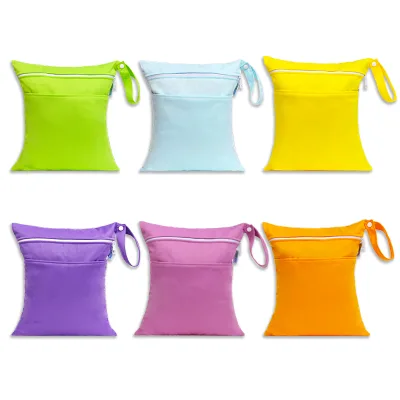
Sourcing waterproof outdoor diaper wet bags requires a clear understanding of the specific material properties and functional design elements that distinguish these products from standard storage solutions. Buyers must prioritize items constructed from durable, water-resistant fabrics such as polyester or specialized waterproof PUL (Polyurethane Laminate) to ensure effective containment of moisture and odors. The observed market data indicates a strong emphasis on multi-functional designs that serve as both diaper organizers and portable wet bags, often featuring large capacity storage spaces to accommodate various baby care essentials.
Procurement teams should evaluate the structural integrity and sealing mechanisms of the bags, as these are critical for maintaining hygiene during outdoor activities. The presence of features like double shoulder straps or hand-held designs suggests versatility in carrying methods, catering to different user preferences and mobility needs. Additionally, customization options for logos and colors allow brands to align the product with their specific identity, while the availability of OEM/ODM services supports tailored manufacturing requirements for diverse market segments.
Product Scope and Observed Listing Signals
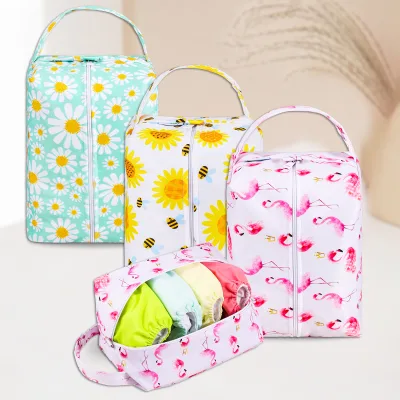
The current market landscape for waterproof diaper bags reveals a diverse range of product configurations, including hand-held large bags, double-shoulder carriers, and inner container organizers. Listings frequently highlight attributes such as breathability, softness, and cartoon patterns, indicating a focus on both aesthetic appeal and user comfort. The observed price range of 0.5 to 12.89 USD suggests significant variation in quality, material thickness, and feature sets, requiring buyers to carefully assess the value proposition of each listing against their specific quality standards and budget constraints.
Minimum Order Quantities (MOQ) vary widely, ranging from small batches of 10 pieces to larger commitments of 300 pieces, reflecting the flexibility of suppliers to accommodate different business scales. Sample times typically span from 5 to 10 days, providing a reasonable window for buyers to evaluate product quality before committing to bulk orders. The origin of these products is predominantly China, with specific mentions of Zhejiang and Fujian provinces, which are known for their robust manufacturing capabilities in textile and baby product sectors.
Technical Specifications to Verify
When evaluating technical specifications, buyers must verify the exact dimensions and volume capacity of the diaper bags to ensure they meet storage requirements. Common sizes observed include 302042cm and 30*36cm, which offer substantial space for diapers, wipes, and changing supplies. It is crucial to confirm the material composition, specifically whether the product uses polyester or waterproof PUL, as this directly impacts durability, water resistance, and ease of cleaning. The single gross weight and volume should also be checked to optimize shipping costs and storage efficiency.
Seam construction and zipper quality are critical technical aspects that determine the long-term performance of the wet bag. Buyers should request detailed information on the sealing technology used to prevent leaks, as well as the type of zippers or closures employed. Additionally, the presence of multiple compartments or organizing pouches enhances functionality, allowing for better separation of clean and dirty items. Verification of these technical details ensures that the product will perform reliably in real-world outdoor scenarios.
Compliance and Safety Documentation
Compliance with international safety and quality standards is essential for baby products, particularly those that come into direct contact with infants. Buyers should verify that suppliers hold relevant certifications such as ISO9001:2015 and BSCI, which indicate adherence to quality management and social responsibility practices. These certifications provide assurance that the manufacturing processes are controlled and that the products meet specific safety criteria, reducing the risk of defects or harmful materials in the final goods.
Documentation regarding material safety, such as free-from harmful chemicals like BPA or phthalates, should be requested to ensure the product is safe for baby use. Buyers must also confirm that the printing inks and dyes used in the product are non-toxic and comply with relevant regulatory standards. Proper labeling and packaging instructions should be reviewed to ensure they meet the requirements of the target market, including language and safety warnings.
Cost Drivers and Commercial Terms
Several factors influence the final cost of waterproof diaper bags, including material selection, customization complexity, and order volume. The use of premium materials like waterproof PUL or intricate printing designs can increase production costs, while larger order quantities typically result in lower per-unit prices due to economies of scale. Buyers should analyze the cost breakdown to understand how different features contribute to the overall price and identify areas where cost savings can be achieved without compromising quality.
Commercial terms such as payment methods, lead times, and shipping arrangements play a significant role in the procurement process. Typical payment terms include T/T, and lead times can range from 45 to 60 days for bulk orders, with sample times being shorter. Buyers should negotiate clear terms regarding shipping responsibilities, insurance, and return policies to mitigate risks associated with international trade. Understanding these commercial dynamics helps in planning budgets and managing supply chain expectations effectively.
Supplier Qualification and Quality Control
Supplier qualification involves assessing the manufacturer's production capacity, quality control systems, and past performance. Buyers should request factory audits or third-party inspection reports to verify the supplier's ability to maintain consistent quality standards. The presence of customized logo options and OEM/ODM capabilities indicates a supplier's flexibility and willingness to collaborate on product development, which is valuable for brands seeking unique offerings.
Quality control measures should be established at various stages of production, from raw material inspection to final product testing. Buyers should define clear acceptance criteria for defects, such as stitching errors, zipper malfunctions, or material imperfections, and communicate these to the supplier. Implementing a robust quality assurance process helps in identifying and addressing issues early, ensuring that the delivered products meet the specified requirements and customer expectations.
Long-Term Procurement Checks
Long-term procurement success depends on continuous monitoring of supplier performance and market trends. Buyers should regularly review supplier metrics such as on-time delivery rates, defect rates, and responsiveness to issues. Building a strong relationship with reliable suppliers can lead to better pricing, priority production, and improved collaboration on new product developments. Staying informed about changes in material costs and regulatory requirements helps in anticipating potential challenges and adjusting procurement strategies accordingly.
Feedback from end-users and market analysis should be used to refine product specifications and design features over time. As consumer preferences evolve, suppliers may need to adapt their offerings to include new functionalities or aesthetic updates. Establishing a feedback loop between sales, marketing, and procurement teams ensures that the product portfolio remains competitive and aligned with market demands, supporting sustained growth and customer satisfaction in the baby products sector.
FAQs
Can I customize the logo on the waterproof diaper bag?
Yes, customized logos are available for these bags. You can provide your brand logo for OEM or ODM production. This allows you to create a unique product identity. The customization process typically requires sample approval before mass production begins to ensure accuracy.
What is the typical lead time for bulk orders?
The standard lead time for bulk production is 45 to 60 days. This duration applies to large orders after sample confirmation. Buyers should plan their inventory accordingly. Rush orders may incur additional costs or require negotiation with the manufacturer directly.
What materials are used for the waterproof diaper bag?
These bags are primarily made from polyester and waterproof PUL material. This combination ensures durability and effective moisture resistance. The materials are selected for their softness and breathability. This makes them suitable for storing baby items while keeping them dry and clean.
What is the minimum order quantity for these bags?
The minimum order quantity varies by supplier, ranging from 10 to 1000 pieces. Some suppliers accept small MOQs of 10 pieces for testing. Others require higher volumes like 300 pieces for standard production. Buyers should check specific supplier listings for their exact MOQ requirements.
Are these diaper bags suitable for outdoor sports?
Yes, these bags are designed for outdoor sports and baby care. They feature waterproof construction to protect contents from rain and spills. The large capacity and multi-functional design make them practical for travel. They serve as reliable organizers for diapers and other essentials during activities.
What certifications do the manufacturers hold?
Manufacturers often hold ISO9001:2015 and BSCI certifications. These standards verify quality management and social compliance. Buyers can request these documents for verification. Certified suppliers ensure ethical production practices and consistent product quality throughout the manufacturing process.