Source Waterproof Outdoor Tempered Glass Tabletop for Beach, Park, Restaurant
Compare 30 listings for Waterproof Outdoor Tempered Glass Tabletop options suitable for beach, park, and restaurant settings. Buyers can evaluate flat tempered glass, custom sizes, and modern minimalist designs from suppliers in China.
Key considerations
Products List


Custom Painted Tempered Glass Tabletop for Cafe Bar Excellent Glass
$0.99 - $99.00
MOQ: 10 Square Meters


Temperable Glass New Design Glass Table Top for Outdoor Furniture
$17.00 - $30.00
MOQ: 200 Square Meters


European Style Temperable Glass for Outdoor Furniture Glass Table Top
$17.00 - $30.00
MOQ: 200 Square Meters

Outdoor Table Patio Furniture Glass Table Top Ceramic Glass Porcelain Glass
$17.00 - $30.00
MOQ: 200 Square Meters

Temperable Decorative Glass Outdoor Table /Art Glass Outdoor Plastic Table Glass
$17.00 - $30.00
MOQ: 200 Square Meters

$3.90 - $19.90
MOQ: 100 Square Meters

CE Certified Custom Size Tempered 3-19mm Frosted Glass Shatterproof Stylish for Tabletops
$7.50 - $17.50
MOQ: 100 Square Meters

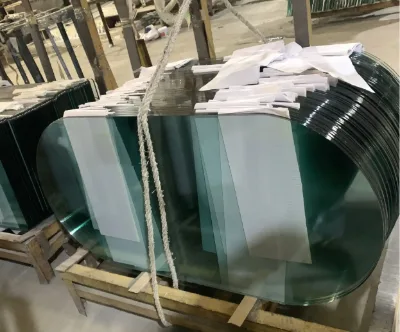

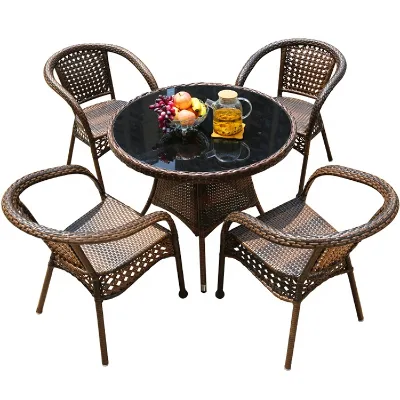

6mm 8mm 10mm 12mm Clear Float Tempered Glass Table Top Tabletops Glass Circle Tabletop Glass
$7.80 - $28.50
MOQ: 100 Square Meters


5~19mm Tempered Glass Used for Furniture Glass Tabletop Use for Glass Fence Showcase etc
$5.99 - $29.99
MOQ: 100 Square Meters


Comprehensive Sourcing Guide
Strategic Sourcing Guide for Waterproof Outdoor Tempered Glass Tabletops
Procuring waterproof outdoor tempered glass tabletops requires a nuanced understanding of material science, environmental resilience, and supply chain verification. The market for these specialized components is characterized by a diverse range of product attributes, from flat tempered glass to specific curved variants, each serving distinct functional needs in outdoor environments. Buyers must navigate a landscape where customization is prevalent, and the distinction between standard indoor glass and robust outdoor-rated materials is critical for long-term durability. This guide synthesizes available product facts and industry knowledge to provide a disciplined framework for sourcing decisions, ensuring that procurement strategies align with technical realities and operational requirements.
Technical Specifications and Material Integrity
The foundation of any successful procurement for outdoor glass tabletops lies in verifying the specific technical specifications of the material. Based on observed product data, the core material is consistently identified as glass, with a specific emphasis on tempered variants. The "Steel Degree" of the glass is frequently described as "Super-Tempered Glass," indicating a high level of thermal and mechanical treatment designed to withstand significant stress. The primary manufacturing technique observed is "Physically Tempered," a process that involves heating the glass to high temperatures and then rapidly cooling it to induce surface compression. This process is essential for outdoor applications where thermal expansion and contraction are constant factors.
When evaluating product listings, buyers should look for specific attributes regarding the physical form. The "Shape" is predominantly noted as "Flat," though some listings mention "Flat Tempered" as an appearance characteristic. However, it is crucial to distinguish between flat glass and curved glass, as the data also references a "Thickness of Curve Tempered Glass" at 5mm. For outdoor tabletops, flat glass is generally preferred for structural stability, but the ability to source custom sizes is a vital capability. The data confirms that sizes are "Available in Custom Sizes," allowing for bespoke furniture designs.
Thickness is a critical variable for outdoor durability. The observed standards and specifications indicate a thickness range from 3mm to 12mm, with specific mentions of 4mm to 12mm thickness standards. For outdoor furniture, thinner gauges like 3mm may be insufficient against wind loads or impact, making the 5mm to 12mm range more suitable for heavy-duty applications. The "Flatness" is described as "High Class," which suggests a manufacturing tolerance that minimizes optical distortion and ensures a level surface for furniture use. Buyers must verify that the specific unit they order meets the thickness requirements for the intended load-bearing capacity, as the "Standard" for the product is often listed as "customized" or specific thickness ranges rather than a single universal value.
Environmental Resistance and Waterproofing Verification
The core keyword "waterproof" implies a need for absolute resistance to moisture ingress, which is a natural property of glass but requires specific handling and framing to be effective in an outdoor context. While the material itself is impervious to water, the sourcing guide must address how the glass is integrated into the final product. The observed "Usage" categories include "Building," "Furniture," "Door," "Window," and specifically "Outdoor" environments like "Beach," "Park," "Restaurant," and "Cafe." This confirms that the glass is intended for high-exposure areas.
However, the term "waterproof" in the context of a tabletop often refers to the assembly's ability to prevent water from pooling or seeping into the structure beneath. The data mentions "Glass Splashbacks" for kitchens, which are inherently waterproof, but outdoor applications require a different approach. The "Condition" of the products is listed as "New," and the "Folded" status varies between "Unfolded" and "Folded," suggesting that some glass components may be part of collapsible furniture. For outdoor use, the "Installation" is noted as "Easy to Operate," which implies a design that facilitates secure mounting without complex waterproofing adhesives that might degrade over time.
Buyers should verify that the glass surface treatment, if any, is compatible with outdoor exposure. The "Technics" observed include "Flashed Glass" in some listings, which may refer to a specific aesthetic or surface finish. For outdoor tables, a non-porous, chemically resistant surface is essential to prevent staining from rain, salt spray (in beach environments), or cleaning agents. The "Appearance" is described as "Flat Tempered," which generally offers a smooth, easy-to-clean surface. However, the sourcing strategy must ensure that the glass is not only tempered but also treated or selected to resist water spots and mineral deposits common in outdoor settings.
Compliance, Standards, and Certification Checks
Navigating the regulatory landscape for outdoor glass is complex, as standards vary by region and application. The supplied data references specific standards such as "GB15763.2-Steel Degree:Tempered Glass," which is a Chinese national standard for safety glass. This standard is critical for verifying the quality of the tempered glass, particularly regarding its strength and safety characteristics. The data also lists "Standard: 3-12mm" and "Standard: from 4mm to 12mm thickness," which serve as internal quality benchmarks for the manufacturer.
While the data mentions "EN 12150" and "ASTM C1048" in the low-confidence background, these should not be asserted as guaranteed certifications for every product. Instead, buyers must treat these as reference points for what to verify. EN 12150 is a European standard for safety glass, and ASTM C1048 covers heat-strengthened and fully tempered flat glass in the United States. When evaluating suppliers, especially those originating from "Jiangsu China," "Ningbo, China," or "Qingdao," buyers should request documentation proving compliance with the specific standards relevant to their target market.
The "prod_standard" is often listed as "customized," which means the manufacturer may not adhere to a single universal standard but rather tailors the product to the buyer's specifications. This flexibility is advantageous but requires rigorous due diligence. Buyers should explicitly ask for test reports that confirm the glass meets the required safety and durability standards for outdoor use. The "Steel Degree" being "Super-Tempered Glass" is a strong indicator of quality, but it must be backed by third-party testing data to ensure it meets international safety requirements for public spaces like parks and restaurants.
Cost Drivers and Economic Considerations
The economic landscape for sourcing tempered glass tabletops is influenced by several key factors, including material thickness, customization level, and packaging requirements. The observed price range in the market is broad, spanning from $0.99 to $540. This wide variance suggests that the cost is heavily dependent on the specific configuration of the product. Thicker glass, such as the 12mm variants, will naturally command a higher price than the 3mm or 4mm options. Additionally, the "Customization" attribute is marked as "Available," and the "Customized" status is confirmed, indicating that bespoke dimensions and finishes will incur a premium.
Packaging is another significant cost driver. The data lists various packaging methods, including "Wooden Case," "Carton," "Export Wooden Box," and "Crate/Frame." For outdoor glass, which is prone to damage during transit, robust packaging like wooden crates or export boxes is essential. This adds to the overall cost but is necessary to ensure the product arrives in "New" condition. The "Capability" of the supplier, noted as "1000 Pieces Per Day," suggests that larger orders may benefit from economies of scale, potentially lowering the unit cost.
The "MOQ" (Minimum Order Quantity) ranges from 1 to 400 units. This flexibility allows buyers to test the market with small orders or commit to larger volumes for cost efficiency. However, buyers should be aware that the "prod_model" varies significantly, with models like "st9," "4TTTG," "6TTTG," and "777" representing different product lines. Each model may have different cost structures based on its complexity and the specific "Design Style," such as "Minimalist," "Modern," or "European." Understanding these variables is crucial for accurate budgeting and cost control.
Supplier Evaluation and Geographic Origins
The geographic origin of the supplier plays a pivotal role in the sourcing strategy. The data indicates that products originate from "Jiangsu China," "Ningbo, China," "Qingdao," and generally "China." These regions are known for their glass manufacturing capabilities, with Qingdao and Ningbo being major ports that facilitate international shipping. The "prod_origin" being "China" is a common thread, but the specific city can influence lead times and logistics costs.
When evaluating suppliers, buyers should focus on their "Capability" and "Customization" offerings. A supplier with a daily capacity of 1000 pieces is likely better equipped to handle large orders and maintain consistent quality. The "Customized" attribute suggests that these suppliers are flexible and willing to adapt their production lines to meet specific buyer needs. However, buyers must verify the supplier's track record in producing "Waterproof Outdoor" products specifically, as the same factory may produce indoor glass that lacks the necessary durability for outdoor use.
The "Style" of the glass, ranging from "Modern" to "European," should align with the buyer's target market. For instance, a "Minimalist" design might be preferred for high-end residential projects, while a "European" style might suit commercial hospitality venues. The "Type" of product is listed as "Glass Table" or "Tea Table," indicating that the glass is often sold as a component for furniture assembly. Buyers should ensure that the supplier can provide the glass in the exact dimensions required for their specific furniture designs, as the "Size" is "Available in Custom Sizes."
Quality Control and Long-Term Procurement Strategies
Ensuring the long-term viability of the procurement relationship requires a robust quality control (QC) strategy. The "Condition" of the products is listed as "New," but this must be verified upon receipt. The "Flatness" is described as "High Class," which is a critical quality metric for glass tabletops. Any deviation in flatness can lead to instability in the furniture and potential safety hazards. Buyers should implement a QC protocol that includes visual inspections for surface defects, measurement of thickness to ensure it matches the ordered specification (e.g., 5mm, 12mm), and verification of the "Steel Degree" through third-party testing.
The "Usage" categories, including "Military," "Auto Manufacturing," and "Daily Products," highlight the versatility of the glass but also the need for rigorous testing. For outdoor applications, the glass must withstand UV exposure, temperature fluctuations, and physical impact. The "Technics" of "Physically Tempered" glass provide a baseline of strength, but buyers should request data on the "Flatness" and "Structure" (noted as "Solid") to ensure the glass is free from internal stresses that could lead to spontaneous breakage.
Long-term procurement considerations also involve the "Installation" process. The "Easy to Operate" installation feature suggests that the glass is designed for straightforward integration into furniture frames. However, buyers should ensure that the installation instructions are clear and that the glass is compatible with the chosen mounting hardware. The "prod_packing" of "Wooden Crates" or "Export Wooden Box" is essential for protecting the glass during transit, but buyers should also consider the environmental impact of the packaging and explore sustainable options if required by their corporate policies.
Comparative Analysis of Product Attributes
To facilitate decision-making, the following table summarizes the key attributes observed in the market for waterproof outdoor tempered glass tabletops. This comparison helps buyers identify the specific features that align with their project requirements.
| Attribute Category | Observed Values | Procurement Implication |
|---|---|---|
| Material | Glass (Tempered) | Essential for durability; verify "Super-Tempered" status. |
| Thickness | 3mm-12mm (Standard 4mm-12mm) | Thicker glass (5mm-12mm) recommended for outdoor load. |
| Shape | Flat, Flat Tempered | Flat is standard; verify curvature if needed (5mm curve). |
| Customization | Available, Customized | Critical for bespoke furniture; confirm size and finish. |
| Origin | Jiangsu, Ningbo, Qingdao, China | Verify port of origin for logistics planning. |
| Packaging | Wooden Case, Carton, Export Box | Robust packaging required for outdoor transport. |
| Usage | Furniture, Building, Outdoor (Beach, Park) | Ensure glass is rated for high-exposure environments. |
| Standard | GB15763.2, Customized | Request specific test reports for target market compliance. |
| Capacity | 1000 Pieces Per Day | Indicates high-volume capability for large orders. |
Final Procurement Considerations
In conclusion, sourcing waterproof outdoor tempered glass tabletops requires a meticulous approach that balances technical specifications, compliance requirements, and economic factors. The market offers a wide range of options, from flat tempered glass to custom-sized variants, with origins primarily in China. Buyers must prioritize the verification of thickness, tempering quality, and packaging integrity to ensure the glass meets the demands of outdoor environments. By focusing on suppliers with high production capabilities and a proven track record in customization, buyers can secure high-quality glass that enhances the durability and aesthetic appeal of their outdoor furniture projects. The key to success lies in rigorous due diligence, clear communication of specifications, and a commitment to quality control throughout the procurement process.
FAQs
What customization options are available for waterproof outdoor tempered glass tabletops?
Customization is available for these glass tabletops, allowing buyers to request specific sizes and styles. The product supports custom dimensions ranging from 3mm to 12mm thickness and offers modern or minimalist design styles to suit various furniture needs.
Which thickness standards apply to the tempered glass used in these tabletops?
The glass thickness standards typically range from 3mm to 12mm, with specific options like 5mm for curved variants. Buyers should verify the exact thickness required for their application, as the standard is often customized to meet specific load-bearing and durability needs.
Can suppliers provide export-ready packaging for outdoor glass tabletops?
Yes, suppliers offer export-ready packaging including wooden cases, cartons, and wooden crates to ensure safe transit. This robust packaging is essential for maintaining the new condition of the glass and preventing damage during international shipping to global markets.
How does the production capacity affect lead times for large orders?
Suppliers have a production capability of 1000 pieces per day, which supports efficient handling of large volume orders. This capacity helps minimize lead times, though specific delivery schedules may vary based on the complexity of customization and current order volume.
What are the primary usage scenarios for these flat tempered glass products?
These products are designed for usage in buildings, furniture, home appliances, electronics, and daily products. Specific outdoor applications include beach, park, restaurant, and cafe settings where durable, flat tempered glass is required for tables and splashbacks.
Which Chinese regions are the main origins for these glass tabletops?
The primary origins for these products include Jiangsu, Ningbo, and Qingdao in China. These locations are key manufacturing hubs that facilitate the production and export of high-quality tempered glass with various customization options for international buyers.