Source Brown Raffia Tote Bag with Stitching for Travel, Shopping, Events
Explore 30 listings for a Brown Raffia Tote Bag with Stitching, featuring canvas and woven materials. Buyers can compare styles, dimensions, and customization options from verified Chinese manufacturers offering bulk pricing and sample services; compare the available evidence and request quotations based on your requirements.
Key considerations
Products List


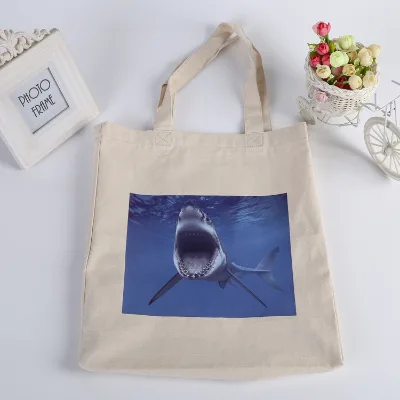


Hot Sale Fruit Shopping Tote Bags Custom Printed Logo Natural Cotton Bag
$0.77 - $0.95
MOQ: 100 Pieces


Comprehensive Sourcing Guide
Brown Raffia Tote Bag with Stitching Sourcing Guide
Sourcing brown raffia tote bags with stitching requires balancing aesthetic appeal with structural durability, as natural fibers can be prone to fraying or deformation under heavy loads. Buyers must prioritize suppliers who demonstrate expertise in handling woven materials, ensuring that the stitching reinforces rather than compromises the integrity of the raffia weave. This guide outlines the critical verification steps for material quality, construction standards, and commercial terms to mitigate risk in bulk procurement.
The visual appeal of brown raffia is often enhanced by contrasting or tonal stitching, which serves both decorative and functional purposes. Procurement teams should evaluate how the stitching pattern interacts with the bag’s geometry, particularly at stress points like handles and corners. Understanding the interplay between the rigid nature of raffia and the flexibility of thread is essential for selecting a design that maintains its shape while offering a premium, artisanal look suitable for retail or promotional use.
Product Scope and Observed Listing Signals
Market listings for raffia totes frequently highlight specific style attributes such as double-root straps, knit textures, and horizontal square designs that define the silhouette. Buyers should observe that popular styles often include canvas or composite fabric elements alongside the primary raffia body, creating a hybrid material structure that improves durability. The presence of stitching as a key fashion element indicates a focus on detailed craftsmanship, which often correlates with higher perceived value in the final product.
Observed product models and standards suggest a wide range of dimensions, from compact 35x40cm formats to larger 45x50cm or even 44x17x36cm structured bags. While some listings specify waterproof treatments or medium-soft hardness, these attributes vary significantly by manufacturer. Procurement teams must verify if the "brown" color is achieved through natural dyeing or synthetic coloring, as this impacts both the aesthetic consistency and the environmental profile of the finished tote bag.
Technical Specifications to Verify
Verification of the external material composition is critical, as some listings may blend raffia with PP woven material or cotton to enhance strength. Buyers must confirm the exact ratio of natural fibers to synthetic reinforcements, as this directly affects the bag’s weight, flexibility, and resistance to tearing. The shoulder strap material should also be inspected, with canvas or reinforced fabric options often providing better load-bearing capacity than pure raffia straps, which can cut into the shoulder under heavy loads.
Stitching quality must be assessed for tension consistency and thread durability, as loose stitches can unravel quickly with use. Buyers should request samples to test the closure type, noting that open designs are common but may require additional internal pockets for security. Additionally, the lining material, often polyester or cotton, should be checked for smoothness and durability to prevent snagging of contents, ensuring the interior complements the rugged exterior finish.
Compliance and Safety Documentation
While specific certifications like REACH are mentioned in background data, buyers must independently verify the chemical compliance of any dyes or treatments used on the raffia and stitching threads. Natural fibers can absorb contaminants during processing, so documentation regarding the absence of heavy metals or harmful azo dyes is essential for markets with strict environmental regulations. Procurement teams should request test reports from accredited laboratories to confirm that the finished product meets local safety standards for consumer goods.
Waterproof claims, if present, require validation through standardized testing to ensure the treatment does not degrade the natural fiber over time. Buyers should also verify that any custom printing, such as silkscreen or heat transfer, adheres to durability standards that prevent peeling or fading after repeated use. Ensuring that all materials, including the carton packaging, meet recycling or disposal regulations in the destination country is a crucial step in avoiding logistical or legal complications.
Cost Drivers and Commercial Terms
The cost of brown raffia totes is heavily influenced by the complexity of the stitching pattern and the quality of the raw materials. Hand-stitched or intricate double-root strap designs typically command higher prices due to increased labor time, while machine-stitched options offer cost efficiency but may lack the artisanal appeal. Buyers should analyze the price range, which can vary from low-cost promotional items to premium fashion accessories, based on the specified model and material blend.
Commercial terms often include a 30% deposit with the 70% balance payable before shipping, a standard structure that protects both parties. Lead times typically range from 7 days for samples to 15-20 days for bulk production, depending on customization requirements. Procurement teams must factor in these timelines when planning inventory, as delays in material sourcing or production can impact launch dates for seasonal collections or promotional campaigns.
Supplier Qualification and Quality Control
Supplier qualification should focus on their experience with natural fiber products, as handling raffia requires specialized knowledge to prevent breakage during weaving and assembly. Buyers should audit the supplier’s production facilities to ensure they have dedicated lines for stitching and finishing, which helps maintain consistency in color and texture. Requesting references from previous clients who have ordered similar tote bags can provide insight into the supplier’s reliability and quality control processes.
Quality control protocols must include random sampling and stress testing of the stitching and handles before shipment. Buyers should define clear acceptance criteria for defects such as uneven stitching, loose threads, or color mismatches, and ensure these are documented in the purchase agreement. Implementing a pre-shipment inspection by a third-party agency can provide an additional layer of assurance, verifying that the bulk production matches the approved sample in every detail.
Long-Term Procurement Checks
Long-term success in sourcing raffia totes depends on establishing a stable supply chain that can handle seasonal demand fluctuations. Buyers should negotiate volume discounts and secure priority production slots with suppliers who have demonstrated consistent quality over time. Building a strong relationship with the supplier can also facilitate faster turnaround times for reorders and enable collaborative improvements in design or material efficiency.
Regular performance reviews should track metrics such as defect rates, on-time delivery, and responsiveness to issues. Procurement teams must stay informed about changes in raw material availability, as fluctuations in raffia supply can impact pricing and lead times. By maintaining open communication and conducting periodic audits, buyers can ensure that their sourcing strategy remains resilient and aligned with their brand’s quality standards and market expectations.
FAQs
What materials are used for brown raffia tote bags with stitching?
These bags typically use composite fabric, PP woven material, or cotton for the main body. The shoulder straps are often made of canvas, while the lining is constructed from polyester. Some designs incorporate knit style details or straw materials to enhance texture and durability for everyday use.
Can I customize the logo and printing on these tote bags?
Yes, customization is available for logos and printing. Options include silkscreen printing, screen printing, heat transfer, offset printing, or lamination. Buyers can accept customized logos to match their brand identity, ensuring the final product aligns with specific marketing or promotional requirements for corporate gifting.
What are the standard specifications and dimensions for these bags?
Standard specifications include dimensions such as 35*40cm, 45*50cm, 44*17*36CM, and 42*17*36CM. Models like B999000191 and ADF-T5165 are common identifiers. The bags feature a horizontal square design with medium soft hardness, offering a structured yet comfortable shape for carrying daily essentials.
What is the typical MOQ and lead time for orders?
The minimum order quantity is generally 100 PCS, with observed ranges from 50 to 2000 units. Sample time is approximately 7 days, while bulk production takes 15-20 days. Payment terms usually require a 30% deposit with the 70% balance paid before shipping to secure production slots.
Are these tote bags waterproof and suitable for outdoor use?
Yes, many models are explicitly described as waterproof, making them suitable for various weather conditions. The composite fabric and PP woven materials provide durability and resistance to moisture. This feature ensures the bags remain functional and intact during outdoor activities, travel, or daily commutes in rainy environments.
What packaging and origin details are provided for these products?
The products originate from China and are packed in cartons for safe transit. Standard packaging ensures protection during shipping. Buyers should verify specific carton dimensions and weight limits with suppliers to optimize logistics costs. This origin and packaging detail helps in planning import duties and storage requirements effectively.