Source Waterproof Retractable Awning for Garden Pool Balcony
Compare 30 Waterproof Retractable Awning options featuring aluminum frames, motorized controls, and customizable sizes. Buyers can evaluate suppliers based on weather resistance, installation types, and material specifications for outdoor shade solutions.
Key considerations
Products List


Waterproof Roof Canopy Backyard Remote Control Retractable Awning
$86.00 - $100.00
MOQ: 10 Square Meters

Hot Sale Motorized Easily Assembled Retractable Rainproof Balcony Awning
$70.00 - $90.00
MOQ: 9 Square Meters


Outdoor Waterproof Aluminum Pergola Roof System Retractable Awning Cover
$238.00 - $278.00
MOQ: 9 Square Meters

Electric, Waterproof Opening Retractable Roof Outdoor Pergola Retractable Awnings
$170.00 - $180.00
MOQ: 2 Square Meters

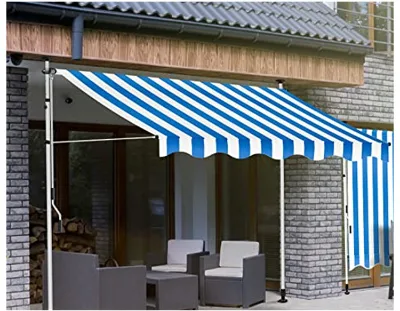


Premium Lightweight Retractable Car Awning for Outdoor Adventures Awning
$91.00 - $98.30
MOQ: 30 Pieces

Weather-Resistant Folding Retractable Wall Extendable Side Shade Side Awning
$13.00 - $15.00
MOQ: 500 Pieces


Factory Price Awnings Adjustable Awing Retractable with Screens and Lights
$100.00 - $380.00
MOQ: 1 Square Meters


Comprehensive Sourcing Guide
Strategic Sourcing Guide for Waterproof Retractable Awnings
Understanding Technical Specifications and Material Composition
When sourcing waterproof retractable awnings, buyers must first dissect the technical specifications that define product performance and longevity. The core functionality of these structures relies heavily on the interplay between the frame material and the fabric composition. Based on available market data, the primary frame materials observed are Aluminum Alloy and general Metal, with specific references to Aluminum frames paired with Polycarbonate panels or Polyester fabrics. The choice between Aluminum Alloy and standard Metal often dictates the balance between structural rigidity and weight, with Aluminum Alloy frequently cited for its corrosion resistance and suitability for outdoor environments.
The fabric component is equally critical for waterproofing capabilities. High-performance units often utilize Polyester fabrics with a weight of 850g/S.Qm, which suggests a dense weave designed to withstand significant water load and wind pressure. For applications requiring higher durability or specific aesthetic finishes, PVC-coated fabrics are a common specification. The surface treatment process, often customized, plays a vital role in enhancing the fabric's resistance to UV degradation and water penetration. Buyers should verify that the "Waterproofing" and "Weather Resistance" attributes are not merely marketing terms but are backed by specific material weights and coating technologies.
Operational mechanics also define the technical profile. Modern retractable systems frequently employ Motor Control systems, allowing for seamless extension and retraction. The operation method is often facilitated through Remote Control Switches, providing user convenience. Furthermore, advanced models may integrate a Sensor System Available, specifically Rain and Wind Sensors, which automatically retract the awning during adverse weather conditions to prevent structural damage. The installation flexibility is another key technical variable, with options ranging from Freestanding and Wall-Mounted to Wall Hanging and Semi-Attach configurations. These installation methods must align with the specific architectural constraints of the buyer's site.
Compliance, Certification, and International Standards
Navigating the regulatory landscape is essential for B2B procurement, particularly when importing products from international markets. The supply chain for waterproof retractable awnings often originates from regions such as China, with specific hubs like Tianjin noted for manufacturing activities. In this context, verifying compliance with international standards is non-negotiable. The observed market data indicates adherence to a range of standards including JIS (Japanese Industrial Standards), GB (Chinese National Standards), EN (European Norms), and ASTM (American Society for Testing and Materials).
Buyers must explicitly request documentation confirming that the product meets the specific standard relevant to their target market. For instance, if the destination is the European Union, EN certification is paramount. If the project is in North America, ASTM compliance becomes the primary verification point. Additionally, specific product certifications, such as CE Certification, serve as a critical indicator of conformity with health, safety, and environmental protection requirements for products sold within the European Economic Area.
The standardization of the product itself extends to the materials used. While some specifications list "PVC fabric" as a standard, others refer to "Customize Size" as a standard metric, highlighting the need for precise definition in the purchase order. The "prod_standard" field often varies between specific material standards and dimensional tolerances. Buyers should ensure that the supplier provides a certificate of compliance that explicitly references the standard number (e.g., ASTM specific number) rather than a generic claim. This verification process mitigates the risk of receiving non-compliant goods that could fail regulatory inspections or insurance audits at the project site.
Cost Drivers and Pricing Structure Analysis
The pricing structure for waterproof retractable awnings is influenced by a complex matrix of variables, resulting in a wide observed price range from 1 to 14,999 USD. This broad spectrum reflects the diversity in product complexity, material quality, and customization levels. The Minimum Order Quantity (MOQ) is another significant cost driver, with observed ranges spanning from 1 unit up to 500 units, and specific listings indicating an MOQ of 10 Square Meters. Understanding these thresholds is crucial for budget planning, as purchasing below the MOQ may result in significantly higher per-unit costs or the inability to secure the product at all.
Material costs constitute a primary component of the final price. The use of Aluminum Alloy frames, high-density Polyester (850g/S.Qm), and PVC-coated surfaces generally commands a higher price point compared to basic metal frames and standard fabrics. Furthermore, the inclusion of motorized systems, remote controls, and sensor arrays adds substantial value and cost to the unit. Customization is a major factor; products with "Customized Sizes," "Customized Color," and "Customized Surface Treatment" will inherently cost more than standard off-the-shelf models. The packing method, whether in a Wooden Box, Plastic Bag with Carton, or Polywooden Box, also impacts logistics costs and, by extension, the total landed cost.
Buyers should analyze the cost drivers in the context of the total project budget. A lower unit price might be attractive, but if it necessitates a higher MOQ or lacks essential features like motorization or sensor systems, the long-term value may be compromised. Conversely, a high-priced unit with extensive customization and premium certifications may offer better lifecycle value through reduced maintenance and extended service life. The "Customization" attribute being available suggests that buyers can tailor the product to their exact needs, but this flexibility comes with a variable cost structure that must be negotiated clearly before finalizing the order.
Typical Applications and Functional Versatility
Waterproof retractable awnings serve a multitude of applications across various sectors, driven by their ability to provide sunshade and waterproof protection. The observed application areas include Gardens, Supermarkets, Balconies, and Swimming Pools. In residential settings, these awnings are ideal for balconies and patios, offering protection from rain and sun while maintaining an open-air feel. The "Flat Roof" style and "Sunshade Waterproof Roof" functionality make them particularly suitable for creating covered outdoor living spaces that can be used year-round, as indicated by the "Everyday" season attribute.
Commercial applications are equally diverse. Supermarkets utilize these structures to create covered walkways or outdoor seating areas that remain usable during light rain. Swimming pool areas benefit from the waterproofing capabilities, allowing for shaded relaxation zones that are protected from sudden weather changes. The "Removable Cover" feature adds versatility, allowing the structure to be opened completely for ventilation or closed for protection. The integration of LED lighting, such as Silicone Waterproof 3000K Brightness LED strips, enhances the functionality for evening use, making these structures viable for restaurants, hotels, and event venues.
The installation flexibility further expands their application scope. Whether the project requires a Freestanding unit for a temporary event or a Wall-Mounted system for a permanent building addition, the product's adaptability is a key selling point. The "Semi-Attach" option provides a middle ground for structures where full wall mounting is not feasible. Buyers should assess the specific environmental conditions of their application site, such as wind exposure and rainfall intensity, to ensure the selected awning's technical specifications, including hardness and weather resistance, are adequate for the intended use case.
Supplier Evaluation and Quality Assurance Protocols
Evaluating suppliers for waterproof retractable awnings requires a rigorous approach to quality assurance. Since the market allows for "Customized" designs and logos, the supplier's ability to manage custom production lines is a critical indicator of their capability. Buyers should verify the supplier's experience with the specific materials and standards mentioned, such as Aluminum Alloy frames and Polyester fabrics. The presence of "Customized" surface treatments and "Customized" sizes suggests that the supplier must have robust engineering and manufacturing processes to handle non-standard orders without compromising quality.
Quality control should be a continuous process, not just a final inspection. Buyers should inquire about the supplier's internal testing protocols for waterproofing and weather resistance. While specific test results are not provided in the general data, the expectation of "Weather Resistance" and "Waterproofing" implies that the supplier must have established methods to validate these claims. The "Full Hard" hardness attribute of the frame material suggests a specific metallurgical standard that should be verified through material certificates.
Furthermore, the packaging method is an indicator of the supplier's attention to detail. Options like "Wooden Box," "Inside Plastic Bag Outside Carton," and "Cartons and Polywooden Box" indicate different levels of protection during transit. A supplier offering robust packaging is less likely to have products arrive damaged, which is a common risk with large, complex mechanical structures. Buyers should also check the supplier's responsiveness regarding the "Logo" customization and "Design" acceptance, as these services require close collaboration and clear communication channels.
Long-Term Procurement and Lifecycle Management
Procuring waterproof retractable awnings is a long-term investment that requires consideration of maintenance, durability, and lifecycle costs. The "Motor Control" and "Sensor System" features introduce mechanical and electronic components that will require periodic maintenance. Buyers should verify the availability of spare parts and the supplier's support for troubleshooting motor or sensor issues. The "Remote Control Switch" and "Operation Method" should be user-friendly and durable, capable of withstanding frequent use over many years.
The "Customized" nature of the product means that replacement parts, such as specific fabric panels or frame sections, must be readily available from the supplier. If the product is customized to a specific size or color, the supplier must guarantee that they can reproduce these specifications in the future for repairs or expansions. The "PVC Coated" fabric and "Silicone Waterproof" LED strips are specific components that may degrade over time due to UV exposure; buyers should inquire about the expected lifespan of these materials and the warranty terms provided.
Finally, the procurement strategy should account for the scalability of the solution. With an MOQ range of 1 to 500, buyers can start with smaller orders for pilot projects and scale up as needed. However, the "Customized Size" and "Customized Color" attributes mean that scaling up may require re-verification of specifications to ensure consistency across multiple units. Long-term success depends on establishing a partnership with a supplier who can provide consistent quality, reliable after-sales support, and the flexibility to adapt to changing project requirements over the lifespan of the installation.
FAQs
What materials are used for the frame of waterproof retractable awnings?
Frames are typically constructed from Aluminum Alloy or general Metal to ensure structural rigidity. Some models specifically combine an Aluminum frame with Polycarbonate panels for enhanced durability and weather resistance in outdoor environments.
Can these awnings be customized to specific sizes and designs?
Yes, customization is available for sizes, colors, and surface treatments to meet specific project needs. Buyers can request customized sizes such as 5x7 meters or other dimensions, along with tailored curtain designs and logo placement.
Which certifications ensure the awnings meet international safety standards?
Products often adhere to standards like CE, ASTM, JIS, GB, and EN to ensure compliance. Buyers should verify specific documentation, such as CE Certification, to confirm the product meets health and safety requirements for their target market.
How are these awnings operated and controlled remotely?
Most units feature motor control systems operated via remote control switches for seamless extension and retraction. Advanced models may include rain and wind sensors that automatically retract the awning during adverse weather conditions to prevent damage.
What is the minimum order quantity for purchasing these awnings?
The minimum order quantity varies, with observed ranges from 1 unit up to 500 units. Specific listings indicate an MOQ of 10 square meters, so buyers must confirm the threshold before finalizing their procurement plan.
Where are these waterproof awnings typically manufactured and shipped from?
Products originate primarily from China, with specific manufacturing hubs noted in locations like Tianjin. Buyers should verify the origin and shipping details to understand logistics costs and lead times associated with international sourcing.